Struggling mortgage holders are likely facing a fifth interest rate hike this year after new data showed inflation accelerated more than expected last month.
The Australian Bureau of Statistics’ September consumer price index released Wednesday shows that inflation rose 4.3 per cent from a year earlier, higher than the 4 per cent posted in August.
The data is expected to push the Reserve Bank of Australia (RBA) to hike rates to an 18-year-high on November 3, the latest in a series of increases that has punished the budgets of mortgage holders and sent house prices into a nationwide spiral.
The Domain House Price Report f or the September quarter shows that median house prices fell in every capital city, marking the first time in 15 years – and only the second time on record – that all capitals recorded simultaneous declines.
The RBA board signalled in September, after it hiked the cash rate to 4.6 per cent, that inflation remains the number one enemy, with the Middle East conflict pushing oil prices significantly higher than the bank expected.
The RBA’s goal is to keep annual consumer price inflation between 2 and 3 per cent.
A 25-basis-point hike next week would take the cash rate to 4.85 per cent, the highest since November 2008.
The board says it will continue to do what it considers necessary to control inflation, including increasing the cash rate target further if required.
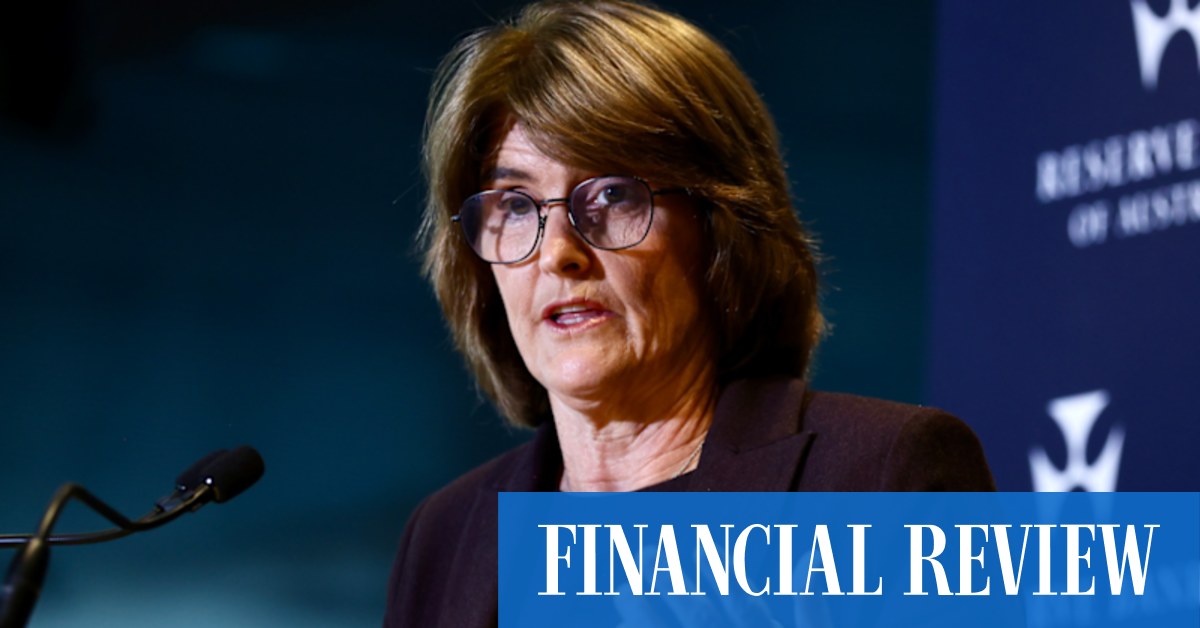
“I’m not going to forecast where interest rates are going to go to,” Reserve Bank governor Michele Bullock told the media after the September rate hike. “If it turns out the restrictiveness is enough, maybe there do not need to be any more rises.”
A fifth rate increase this year would add roughly another $110 a month to repayments on a typical $600,000 mortgage, bringing the cumulative impact of this year’s hikes to around $550 a month, or $ 6600 over the year.
AMP chief economist Shane Oliver says the inflation data makes it much more likely the RBA will hike rates next week, increasing pressure on house prices.
Oliver says the market is now factoring in a 78 per cent chance of a hike on Melbourne Cup Day, up from 63 per cent before the latest data.
He says further increases in mortgage rates risk tipping the housing market into a more accelerated decline.
“The risk is that with more and more rate hikes, you could get to a tipping point,” he says. “So far the decline in house prices has been quite orderly.
“The risk is that with a tipping point you don’t just get a 10 to 15 per cent decline but a 20 per cent drop. Most mortgage holders would be OK, but it only takes a few to get into distress to have a impact.”
Oliver says what will be troubling the RBA is that trimmed inflation, which strips out volatile increases in fuel and fresh produce, is also rising more than expected.
KPMG chief economist Dr Brendan Rynne also says the higher-than-expected inflation data has effectively locked in an RBA cash rate rise on Melbourne Cup Day.
He says inflation pressures are strengthening rather than easing, and if inflation does not begin to fall in coming months, another rate rise is likely in early 2027.
“It is clear pricing pressures in the Australian economy are growing, not weakening; and the upswing in inflation is catching the market off guard,” Rynne says.
Glen Norris is an experienced journalist and editor with a career spanning four decades across Asia, Australia and Europe. His roles have included stints at Bloomberg News and Asian Wall Street Journal.
Extra shifts, Aldi shopping, staycations: Life inside Australia’s mortgage squeeze
Rising interest rates are forcing Aussies to work longer hours, cut luxuries and sacrifice family time and holidays as mortgage repayments climb.
RBA lifts interest rates to 4.6 per cent in ‘devastating’ September 2026 announcement
Follow Domain's live coverage of the Reserve Bank of Australia's September 2026 cash rate decision, including the latest RBA interest rate announcement, expert analysis, market reaction and what it means for mortgage holders, home buyers and property prices.
RBA leaves door open to more rate hikes as house prices slide
The RBA has left the door open to further interest rate hikes despite acknowledging higher borrowing costs are contributing to a sharper-than-expected fall in house prices.
The information on this website is intended to be of a general nature only and doesn't consider your objectives, financial situation or needs.