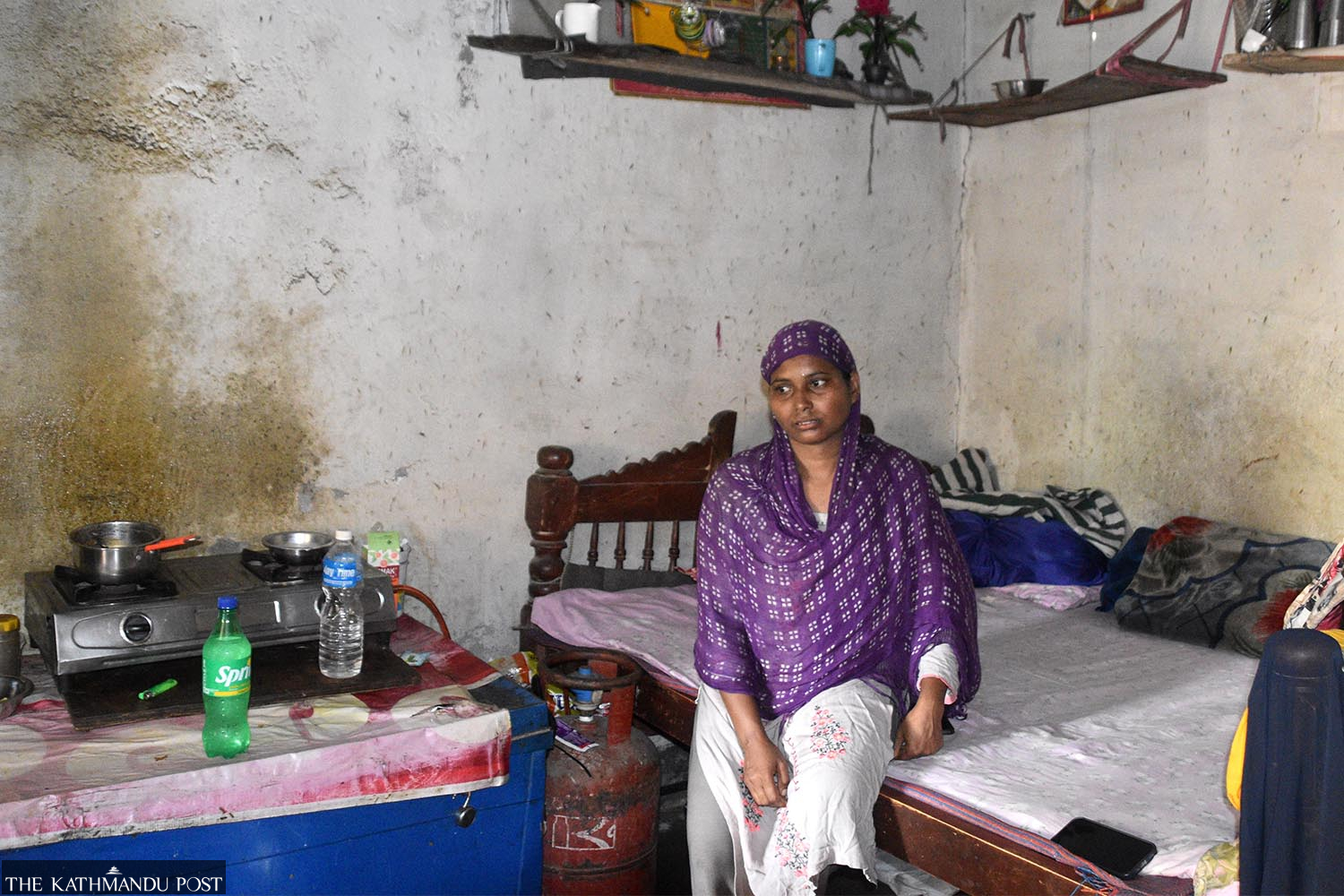
At dusk on June 17, Mohammad Abbas Ansari stood by the window of his cell at Morang Prison. At the window to his left, another inmate — about his age — was speaking with his mother. From outside the prison wall, she tried to reassure him, “Don’t worry too much. Only 34 days left until you’re released.”
Ansari struggled to hold back his tears.
“I’ve been here for seven years and four months,” he said, wiping his eyes. “So many men I lived with have walked free. Others are counting down the days until they leave. They tell me I’ll never get out.”
On January 30, 2020, the Morang District Court sentenced Ansari, who was 25 at the time, to imprisonment for the remainder of his natural life after convicting him of raping and murdering a 10-year-old girl. It is the harshest punishment under Nepali law. His conviction is currently under appeal before the Supreme Court.
In an interview with Kantipur , Ansari maintained that he was innocent. He had told the court the same during his testimony. But he had confessed the crime to the police. Now he says that confession was extracted through intimidation and physical assault, and insists he committed no crime.
In his statement to police in 2019, Ansari said he had been using drugs and chatting with a friend from his village, Chandu Mahato (also serving the same sentence, along with Ansari), when he saw the girl and sexually assaulted her. Before the court, however, he said he had spent the entire day working as a furniture maker. Asked about the discrepancy, Ansari told Kantipur : “I had taken some pills that evening, but I was at home. The police arrested me the next day after I returned from work.”
Police submitted a video recording of Ansari’s confession as evidence. After reviewing it, the court found no indication that the statement had been made under coercion. The judgment noted that if Ansari had indeed been threatened or forced into confessing, he could have raised the issue during hearings on the extension of his judicial remand, but he did not. The court also cited police evidence showing that the victim’s clothing was recovered from the location Ansari had identified in his confession. On that basis, it concluded that he was responsible for the crime.
Ansari said the case had destroyed his life and torn his family apart, leaving him unable to find peace day or night. At the same time, he acknowledged the suffering of the victim’s family.
“Their daughter is gone. They must be grieving too,” he said. “Which parents wouldn’t be devastated after losing a child?”
If the Supreme Court upholds the conviction, Ansari will spend the rest of his life in prison.
Nepal does not have the death penalty. Before the democratic constitution of 1990, capital punishment existed for certain political and military offences. Every constitution since then has prohibited laws allowing the state to impose the death penalty. The punishment was abolished on the moral principle that the state should not take the life of one of its citizens.