Waymo Said It Fixed Its School Bus Problem. The US Government Says It Didn't Work
Last year, Waymo recalled its software after several of its autonomous cars drove around stopped buses. But the problems remained. Now the feds want to know more.
The update to Waymo's self-driving system was rolled out nearly a year ago.
As Reuters reports, NHTSA is investigating whether a software patch Waymo rolled out last year failed to stop its robotaxis from passing stopped school buses. According to NHTSA, “a majority of the incidents occurred after the November 17, 2025 remedy date.” [Link: Why Waymo is having a hard time stopping for school buses | https://www.theverge.com/transportation/874385/waymo-school-bus-austin-safety-robotaxi | The Verge]
By trying to drive more assertively, Waymo appears to be adopting some dangerous human habits.
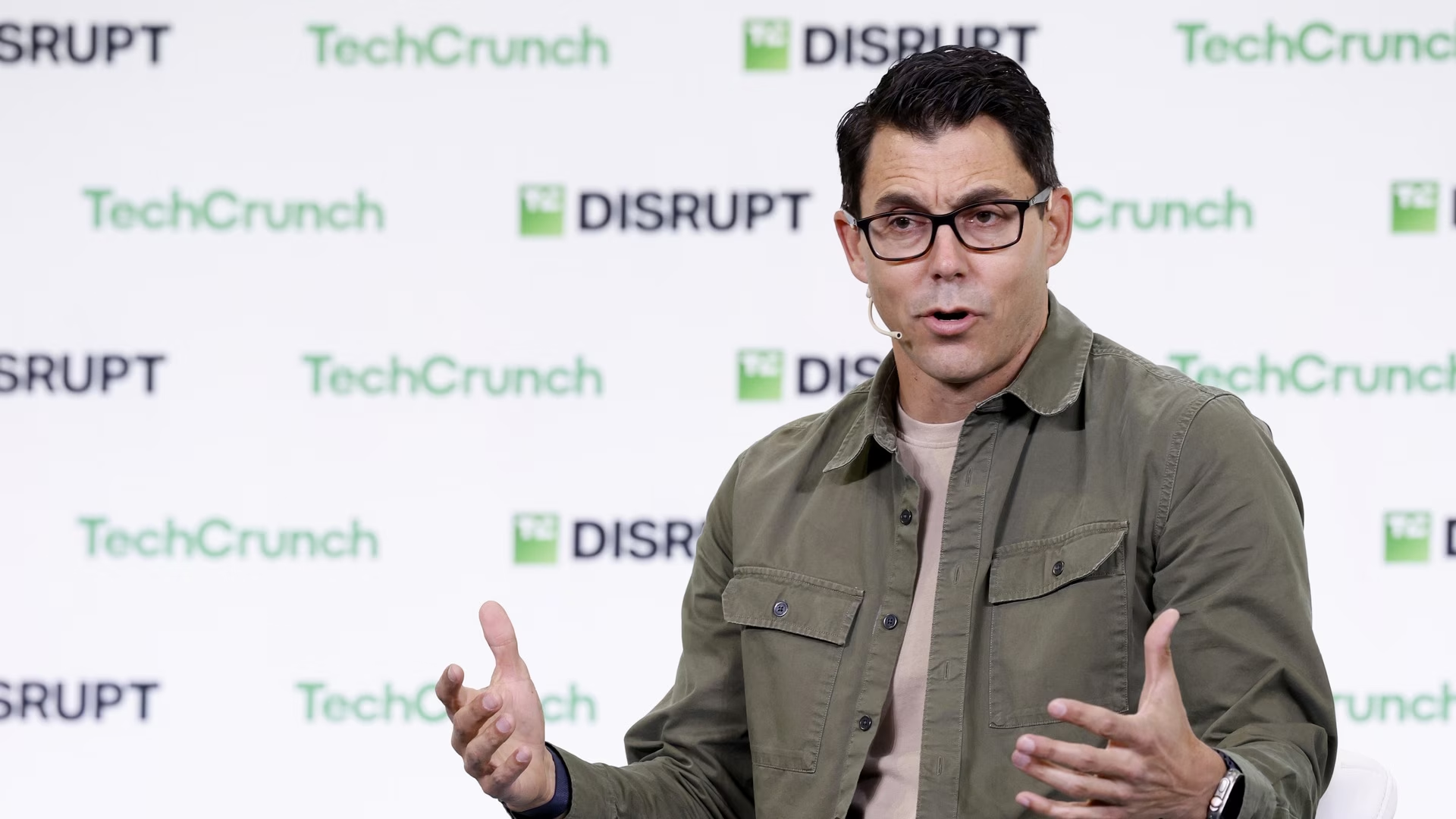
Waymo’s co-CEO explains its exit from Uber exclusivity in Austin and Atlanta, as Uber pitches 2,000 robotaxis by 2027 and 30% higher utilisation.
The split will set up direct competition in those markets, as Uber has many other autonomous vehicle partners on its network.
The change will set up direct competition in those markets, as Uber has many other autonomous vehicle partners on its network.
The split will set up direct competition in those markets, as Uber has many other autonomous vehicle partners on its network.
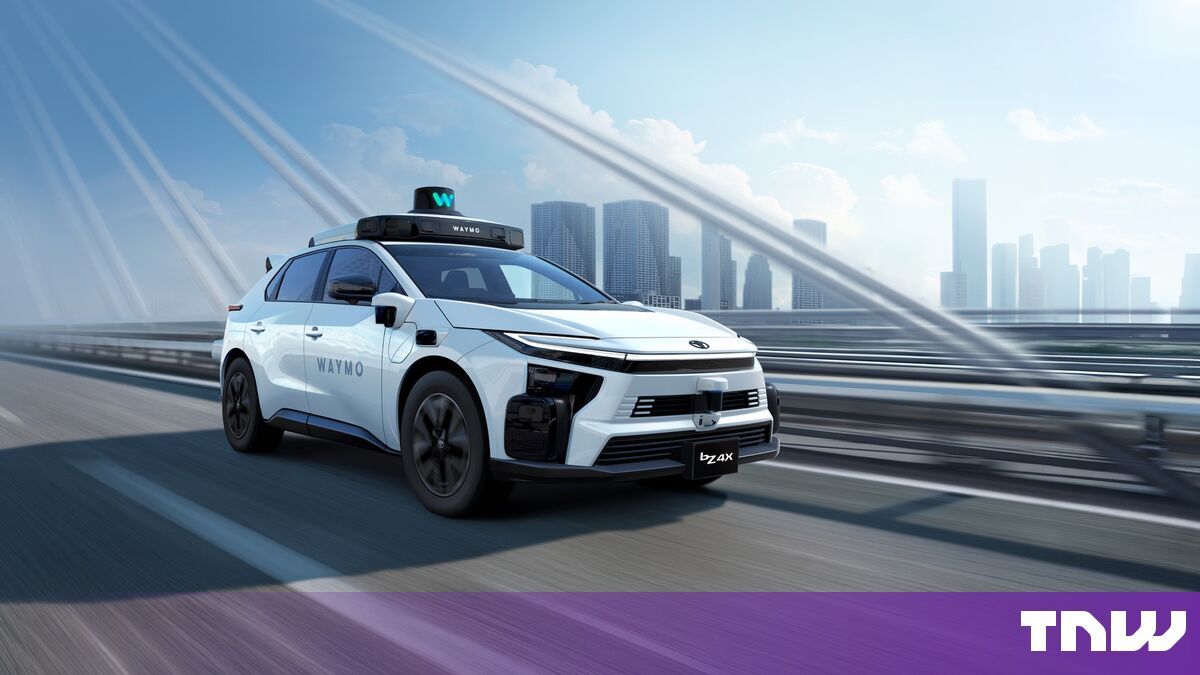
Toyota will build driverless bZ electric SUVs for Waymo at its Takaoka plant, with testing in Japan from 2027 and the UK next in line for the cars.
Waymo will begin testing self-driving versions of Toyota's electric bZ4X vehicles in Japan next year as part of a broader partnership with the automaker.
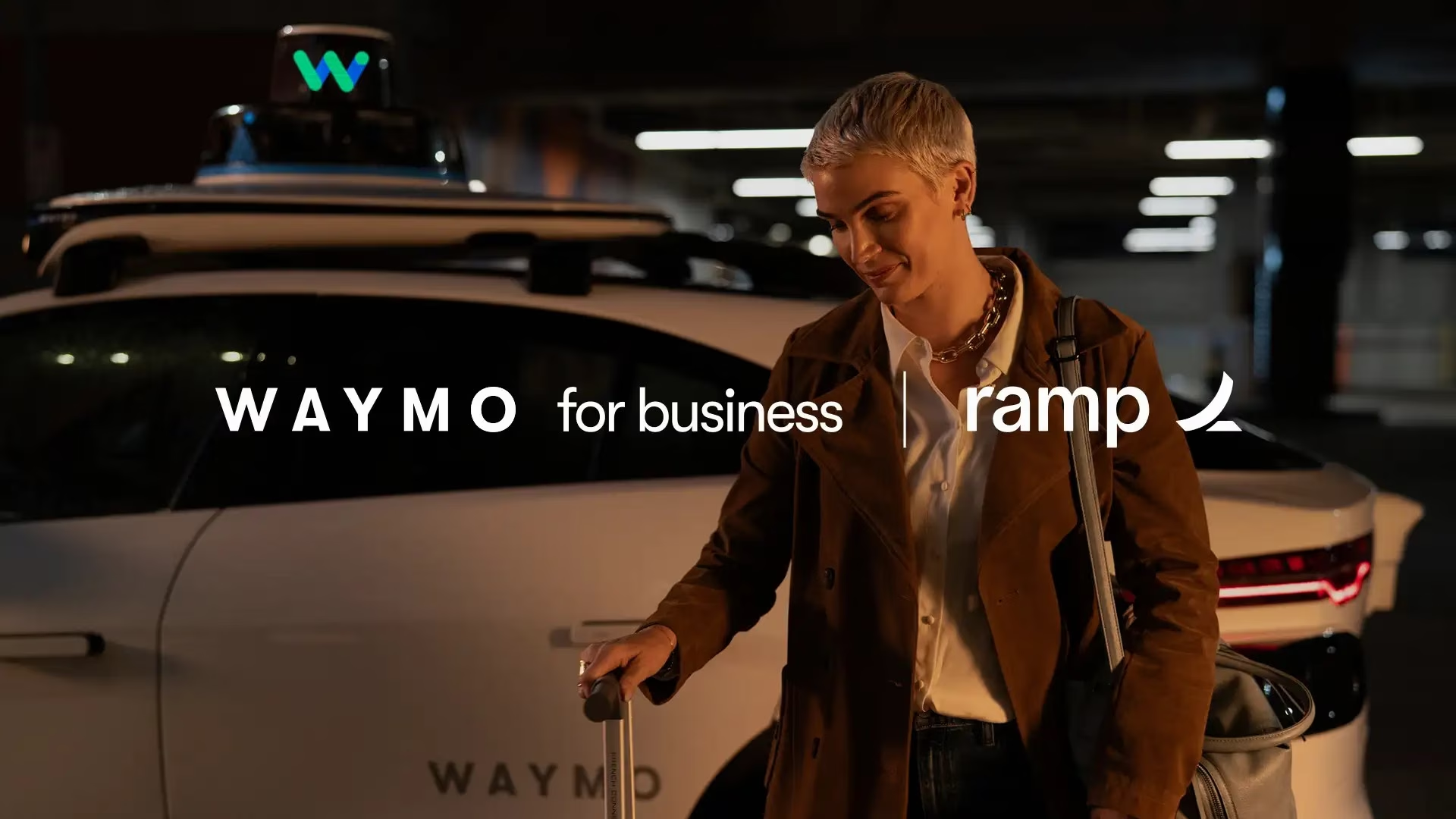
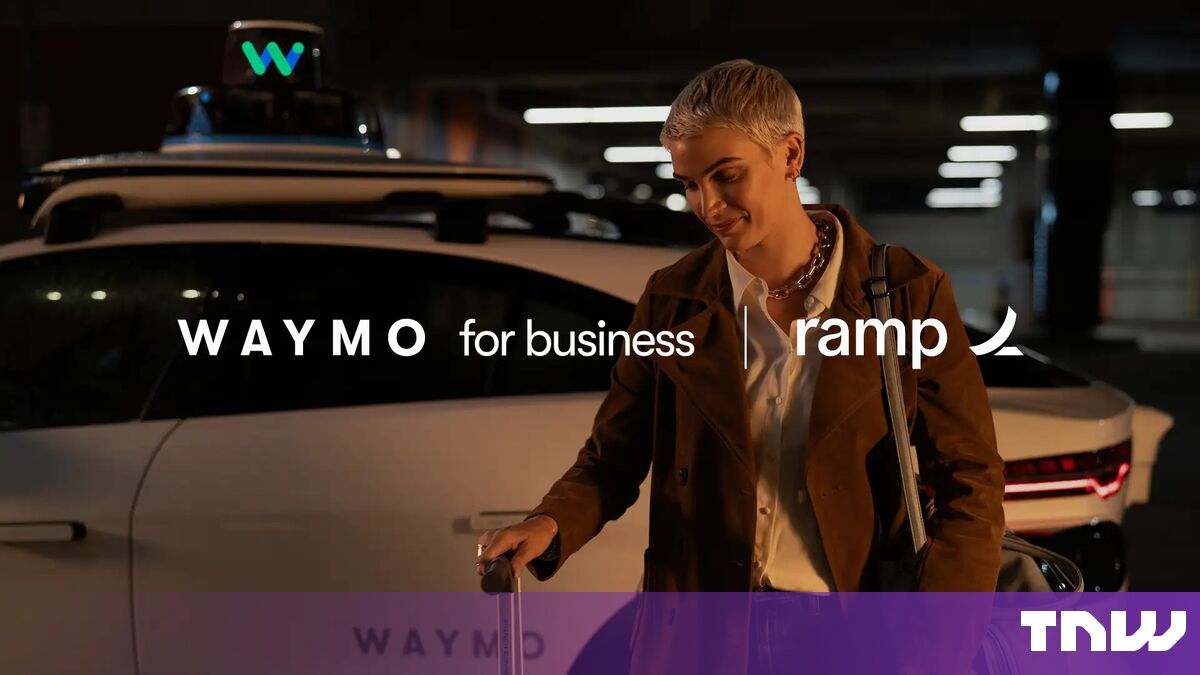
‘An easier way to incorporate Waymo into work travel’: Waymo for Business now sends ride receipts straight to Ramp, ending manual expense filing.
Alphabet's Other Bets segment, which includes Waymo, accounted for 0.3% of total revenue in the quarter.
The robotaxi company is adding nearly 250 square miles of service area across five cities where it currently operates: Los Angeles, Nashville, Orlando, San Diego and the San Francisco Bay Area. It’s a mix of new markets like Nashville, and established ones like the Bay Area. The news comes as Waymo is reportedly looking to quintuple its current fleet of 4,000 robotaxis, bringing it to 8,000 by the end of this year. [Link: Waymo is getting you to even more places. | https://waymo.com/blog/shorts/more-places/ | Waymo]
Waymo is reportedly looking to use that $5 billion loan it acquired this month to quintuple its current fleet of 4,000 robotaxis: bringing it to 8,000 by the end of this year, and 20,000 by December 2027. The goal is to expand to more US and international locations, having recently announced it’ll launch in Toronto, Canada by 2028. [Link: Exclusive: Waymo plans to quintuple its fleet | https://www.semafor.com/article/10/19/2026/waymo-plans-to-quintuple-its-fleet | Semafor]
Waymo only just started offering rides to the public in Las Vegas in September but is already serving a 24-square-mile area in the city.
The Alphabet-owned company announced its first debt financing of $5 billion, arranged by Goldman Sachs and a bunch of private credit providers. Earlier this year, Waymo raised $16 billion in equity; this time its debt. As it scales its robotaxi service, Waymo needs to buy more stuff, like cars, sensors, charging stations, and depots. And banks and lenders are more willing to let the company take out loans using that stuff as collateral. At this stage of the game, paying back a loan with interest is cheaper than giving away equity. Waymo’s growing up! [Link: Waymo Closes $5 Billion Debt Financing to Accelerate Business Expansion | https://waymo.com/blog/2026/10/waymo-closes-5-billion-debt-financing/ | Waymo]