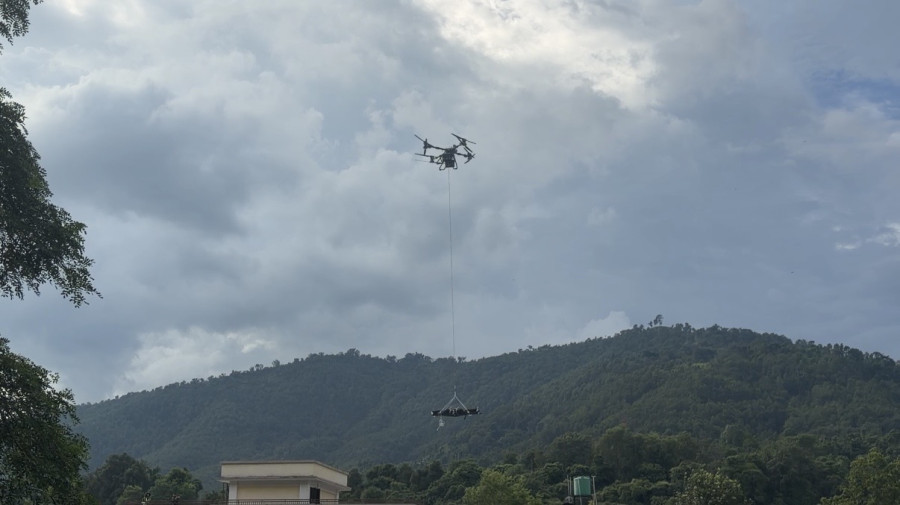
Opinion | Drones came after Lirung. Nepal needs them before the next collapse
In Nepal, researchers still need permission for each project to use drones that monitor dangerous slopes before they fail.
As drone deliveries become more commonplace, their makers are looking for ways to make them quieter.
The Russia-Ukraine war is sometimes compared to the static, deadlocked, trench warfare of World War I. Yet it’s also been the defining conflict of the 21st century, dominated by drones that have created a so-called “kill zone” along the front line. We hear about what the kill zone is like and what it means for the future of warfare.Support public media with NPR+ and enjoy perks for over 25 podcasts like this one. This show’s perks include sponsor-free listening. Learn more at plus.npr.org.
Drone attacks on supply lines and safe cities are taking a devastating toll on civilians.
Amid blackouts, artillery fire and the onslaught of Russian drone attacks, the Richelievsky in Kherson provides a refuge for those with nowhere else to go