How does a 17 percent tariff compare?
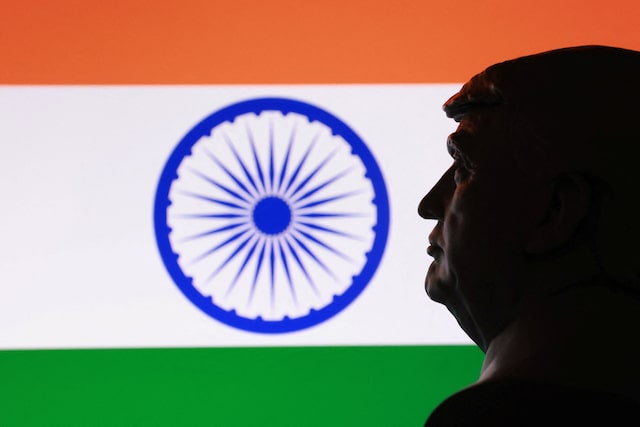
The proposed 17 percent rate, conditional on a trade deal, is slightly lower than the tariffs planned for several countries competing with India, potentially giving Indian exporters a competitive advantage.
The Trump administration has proposed an 18 percent rate for Bangladesh, Cambodia and Indonesia. It is also planning a 20 percent rate for Vietnam, provided the Southeast Asian country reaches a trade deal with Washington.
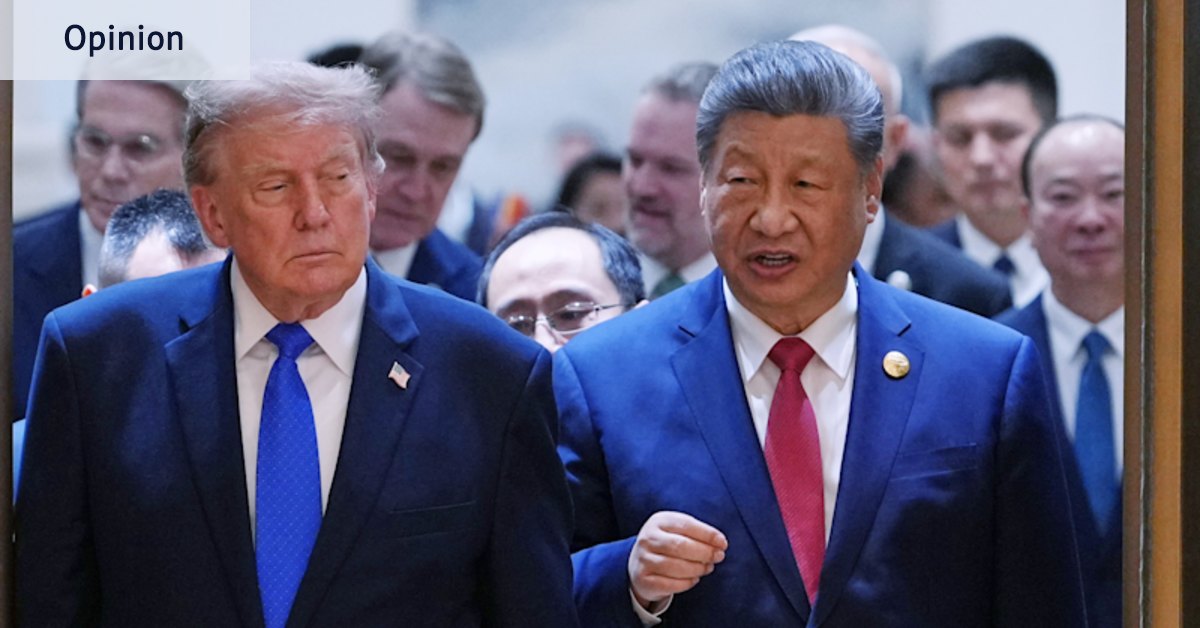
China also faces a 20 percent rate under a trade truce with the United States, which expires on January 10. However, if the truce falls apart, the rate would rise to 40 percent. The current 20 percent tariff would be added to duties of around 25 percent imposed during Trump’s first term.
The potential 17 percent rate for India would also be lower than the 18 percent agreed by the two countries in a framework for a trade deal in February. That agreement came before the US Supreme Court invalidated Trump’s use of emergency powers to impose sweeping tariffs worldwide, prompting the administration to introduce a temporary 10 percent baseline tariff.
What is the US rationale and how has New Delhi responded?
The United States has accused India of engaging in unfair trade practices, citing inadequate labour protections, financial repression, barriers to market access and a failure to address global excess capacity.
India’s trade ministry said late on Wednesday that it was examining a notice from the Office of the US Trade Representative. India had told Washington during its investigation that it had no structural excess capacity in any sector, the ministry said.
Why have trade talks dragged on for so long?
India began negotiations with the United States on a trade deal in February 2025. Unlike several other countries, however, it has yet to reach an agreement.
One complication is a new US law that opens the way for tariffs of up to 100 percent on Indian goods over New Delhi’s purchases of Russian oil. Those purchases have declined in recent months amid falling global crude prices and increased supplies from Saudi Arabia.
Bilateral ties between India and the United States have also been strained over the past year. Relations have suffered from a US military attack on a ship off Oman that killed three Indian seafarers and India’s rejection of Trump’s repeated claims that he brokered a ceasefire between India and Pakistan.
The United States is India’s largest export market, and Indian exports have so far remained resilient despite the tariffs.
India’s goods exports to the United States rose 14.5 percent to $59.5 billion during the April-October period.
New Delhi says many of its major export categories to the US, including generic pharmaceuticals and smartphones, are exempt from the current 10 percent tariff.
However, analysts warn that failure to reach a trade deal could hurt businesses, weaken market sentiment and put further pressure on the Indian currency, which fell close to record lows in October.
India is particularly keen to keep dairy, poultry, rice, wheat and other agricultural products outside the scope of market-opening commitments.