The Coalition agreed to pass Labor's domestic gas reservation scheme, despite concerns, on Thursday afternoon.
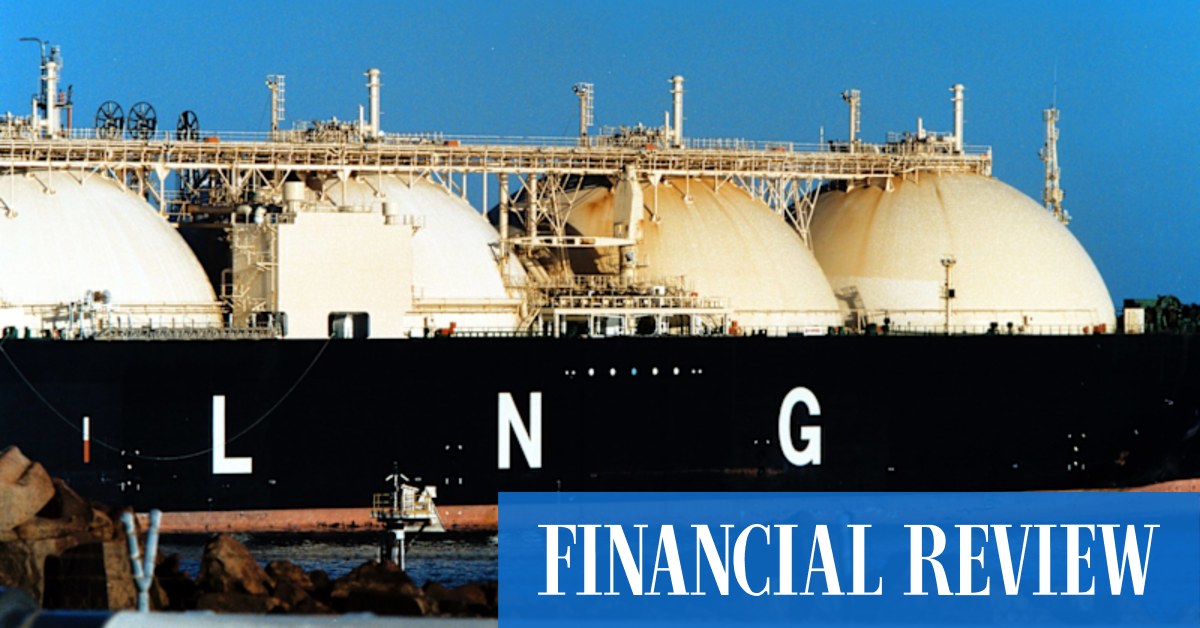
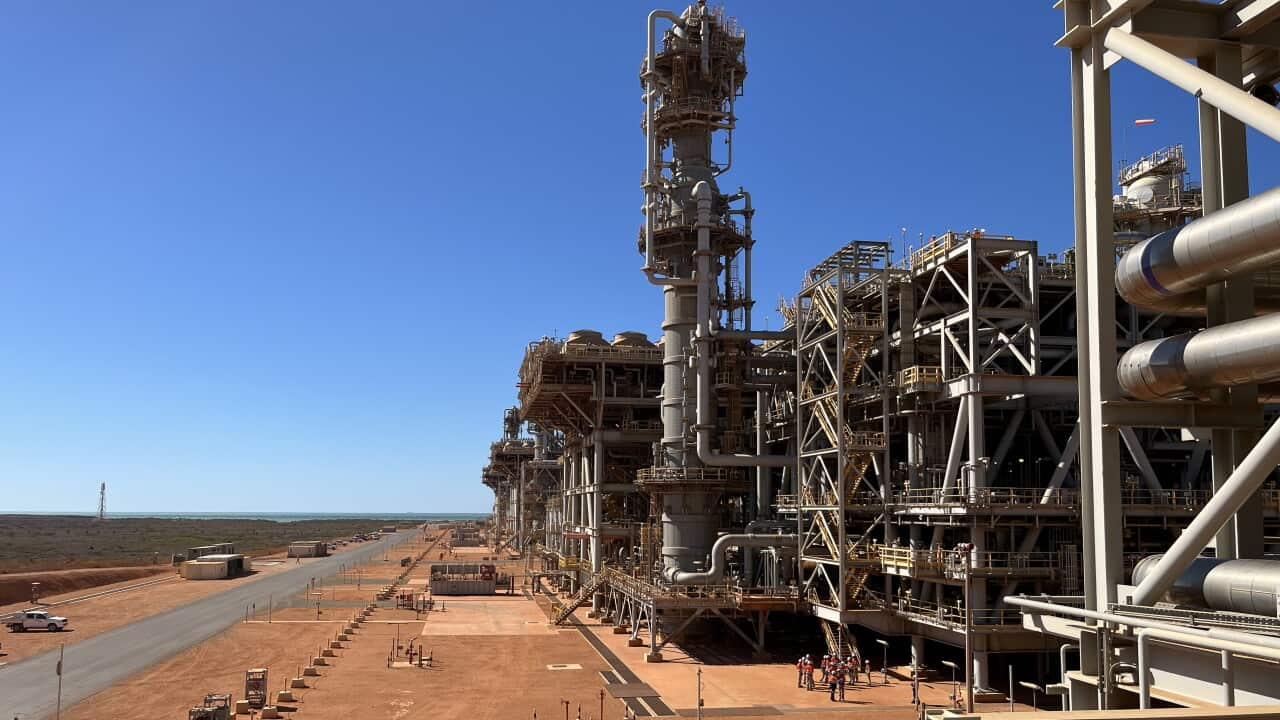
The policy forces liquefied natural gas (LNG) exporters to set aside up to 20 per cent of their supply for the Australian market, starting in 2028.
This is expected to generate a "modest oversupply" of gas and push down prices, the government has previously said.
The Australian Energy Regulator will forecast domestic demand, add a 10 per cent market oversupply buffer, subtract non-exporter supply, and spread the remaining amount across LNG exporters.
A provision to exclude Western Australia has been broadly agreed, but the details are yet to be decided.
Your trusted source for staying up-to-date with the world around you. Get free daily news updates and analysis, straight to your inbox.
Opposition resources spokesperson Susan McDonald said it is in "the national interest" to keep more gas in the country.
"We will not oppose this legislation because we want reliable and affordable gas for Australians," she told the Senate.
Greens leader David Shoebridge had been calling for a 25 per cent export tax on gas, saying it would raise about $17 billion.
McDonald said it was "remarkable that devising this domestic gas reservation scheme has managed to alienate so much of the industry".
The Coalition promoted a domestic gas reserve at the last federal election in 2025.
A final vote on the scheme is not expected until late on Thursday night.
Resources Minister Madeleine King said the reservation scheme is a major economic reform.
"It will drive a permanent wedge between international gas prices and the Australian domestic market," King said.
"Australia’s national gas reservation scheme will create an enduring framework that brings to an end over a decade of crisis-driven, ad hoc market intervention."