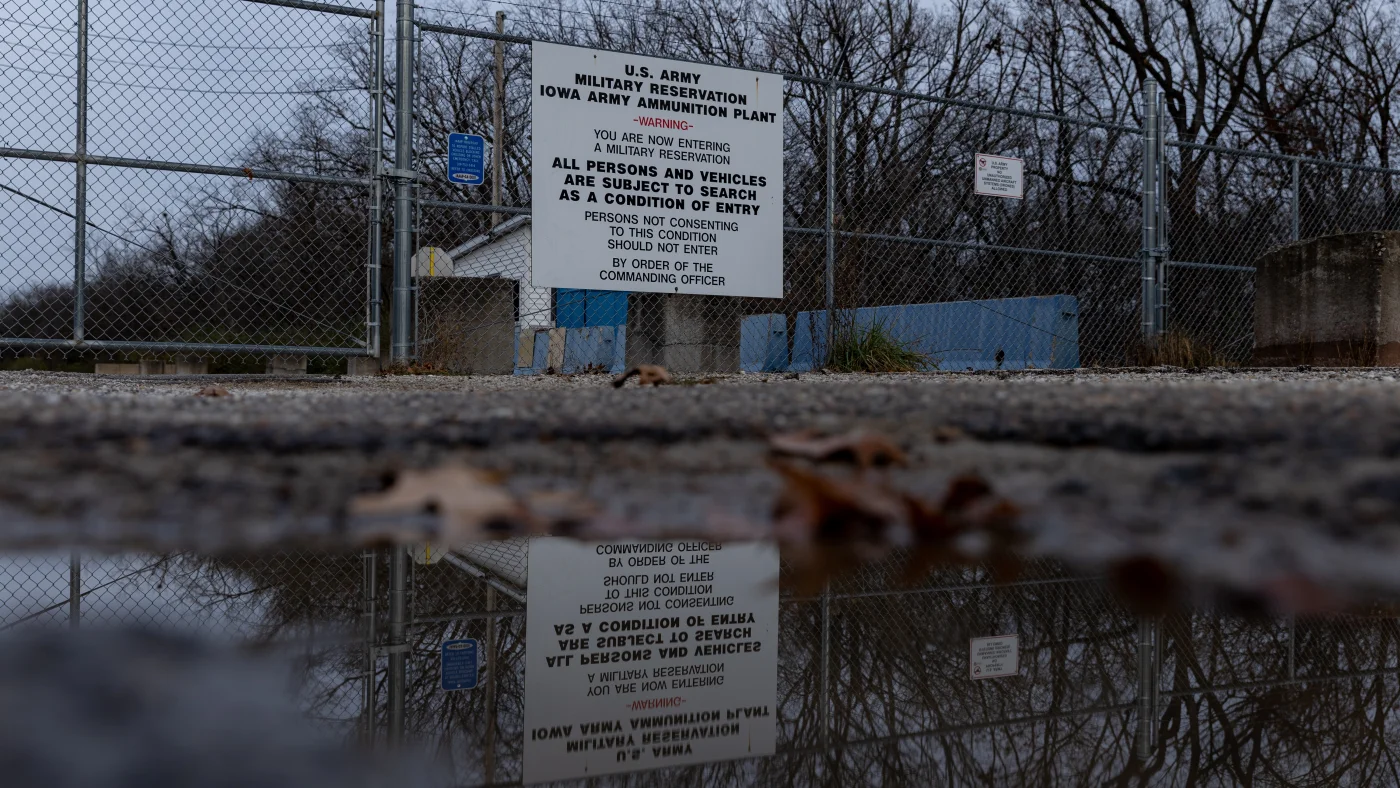
Why we’re exploding it rather than safely dissolving it, as the Army originally planned , is beyond me. Seems like a totally preventable public health crisis, but what do I know?
This is the title for the native ad
Why we’re exploding it rather than safely dissolving it, as the Army originally planned, is beyond me. Seems like a totally preventable public health crisis, but what do I know? [Media: https://www.youtube.com/watch?v=BNe1VyZphFM]

Why we’re exploding it rather than safely dissolving it, as the Army originally planned , is beyond me. Seems like a totally preventable public health crisis, but what do I know?
This is the title for the native ad
Compare how 6 other independent news outlets reported on this story.

The Army says "swift action" is necessary to protect its personnel and nearby communities around its ammunition plant in Iowa.
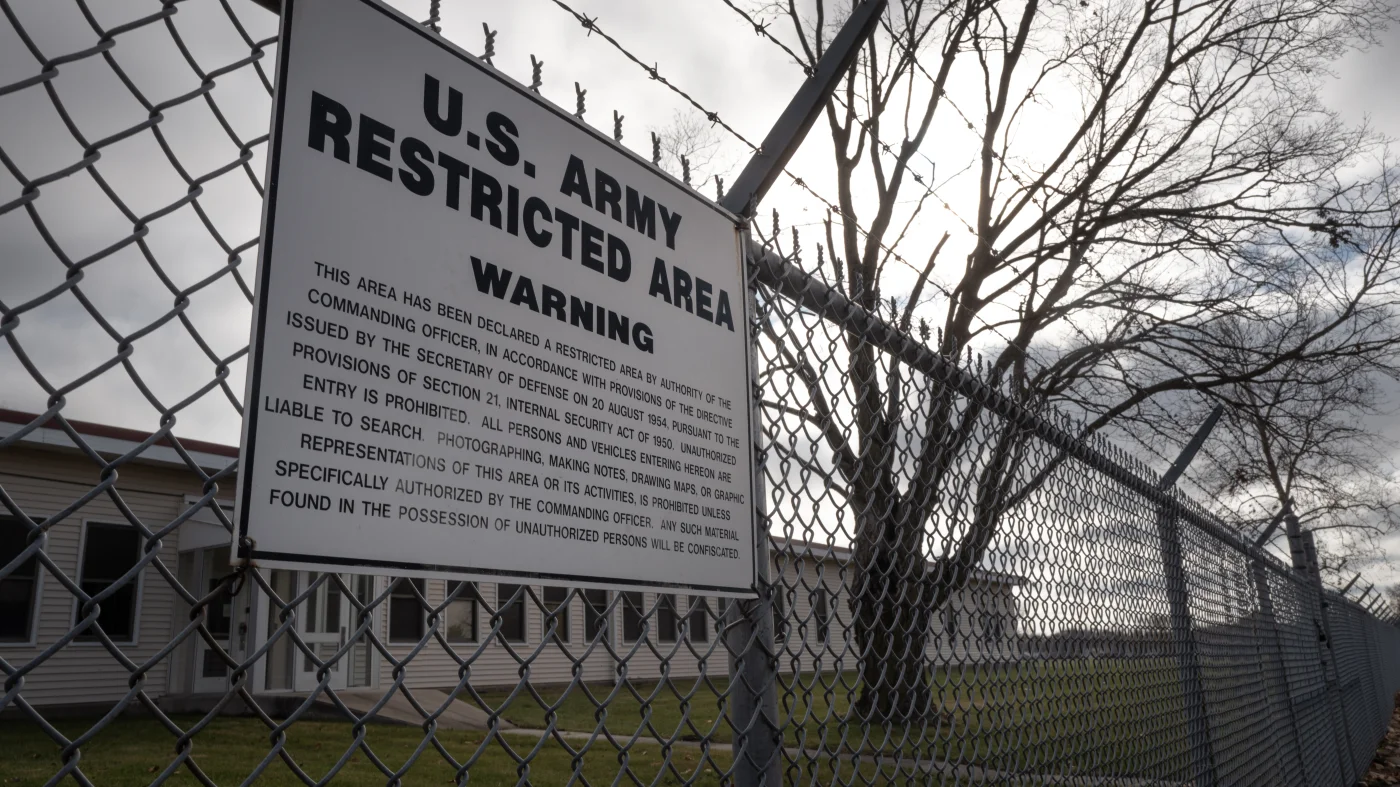
Authorities have evacuated a 5-mile radius to prepare to dispose of thousands of pounds of lead azide. And, after a nearly two-year legal battle, Kilmar Abrego Garcia's has voluntarily left the U.S.

The US Army is set to detonate around 5 tons of bomb making materials considered too volatile to move. Amid public outcry – in rural Iowa - over the potential health dangers, the US Army shared a video showing how they will “mitigate the impacts” of the controlled explosion.

Despite alarm about toxic lead, federal officials say destroying the unstable explosives is the safest course of action.
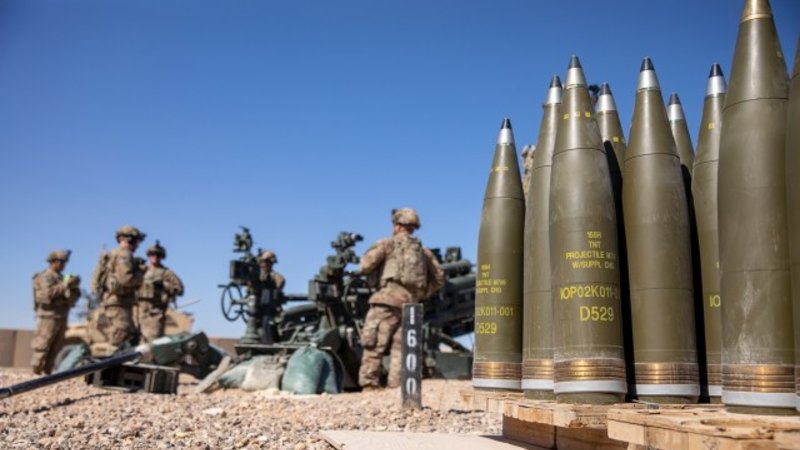
The best way to dispose of barrels of a lead compound used in detonators is to blow them up, the military says. Others fear it will create dangerous fallout.
Bharat Khawas and Laken Limbu scored before an own goal sealed Tribhuvan Army Club’s victory in the men’s football tournament.