
Key Takeaways: Nepal has launched a $49.94 million project to reduce glacial lake flood risks Four Himalayan glacial lakes will undergo controlled water-level reduction More than 385,000 people are expected to directly benefit The initiative aims to improve monitoring, early warning and disaster preparedness The project will run until 2033 with support from the Green Climate Fund, UNDP and the Government of Nepal KATHMANDU, NOVEMBER 25
Nepal has launched a $49.94 million climate adaptation project aimed at reducing the risks of glacial lake outburst floods (GLOFs), including plans to lower water levels in four potentially dangerous Himalayan glacial lakes.
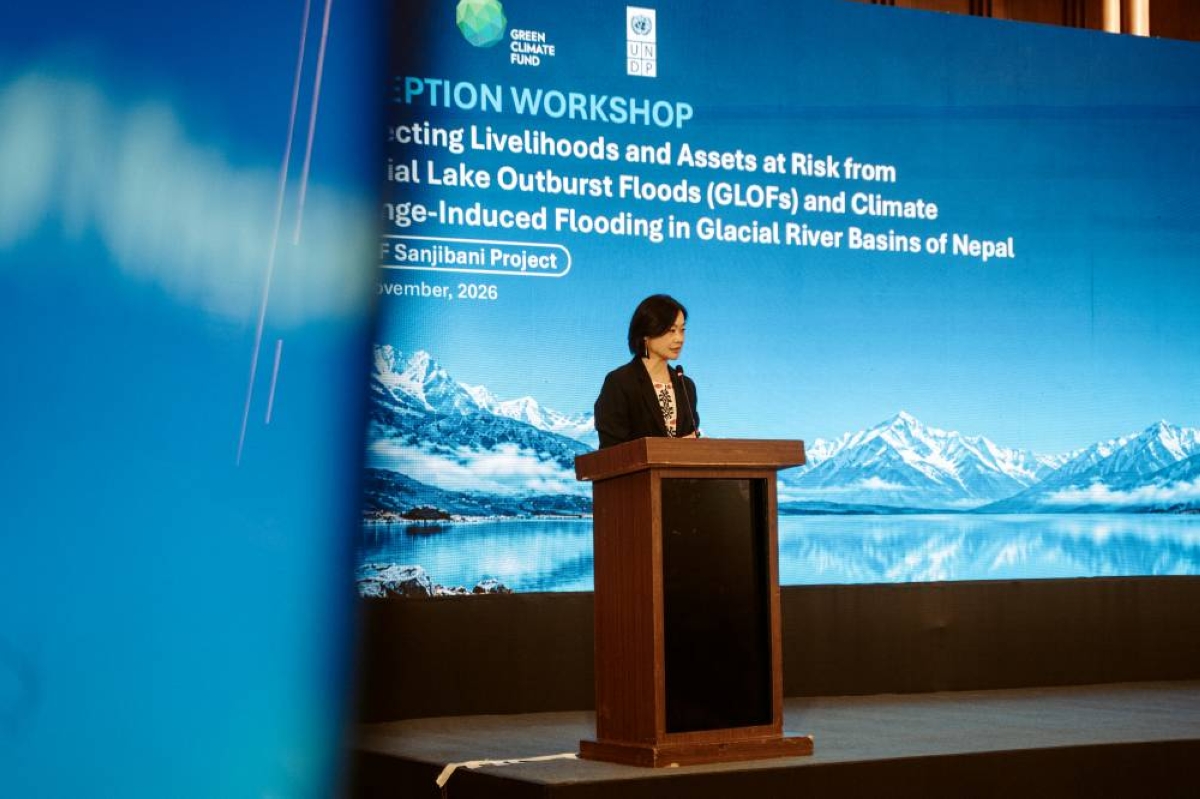
The GLOF Sanjibani Project, jointly launched by the Government of Nepal and the United Nations Development Programme (UNDP), will run from 2026 to 2033 and is expected to strengthen disaster preparedness and climate resilience in vulnerable mountain regions.
According to project documents, the initiative is expected to directly benefit more than 385,000 people, while indirectly improving safety for nearly two million people living downstream in major river basins.
A key intervention under the programme involves lowering the water levels of Dona Lake, Lumding Tsho and Lower Barun Lake by three metres each, while reducing the level of Hongu 2 Lake by one metre.
The project will also expand hydrological and meteorological monitoring networks, improve climate-risk information systems and strengthen early-warning mechanisms for communities exposed to flood hazards.
The project's financing includes: $36.16 million from the Green Climate Fund $11.32 million in co-financing from the Government of Nepal $2.14 million from UNDP $320,000 from private-sector partners Implementation will be led by the Centre of Hydrology and Water Resources Research under the Ministry of Energy, Water Resources and Irrigation, in partnership with several government agencies and local governments.
Responding to growing climate risks
The initiative comes amid increasing concern over glacier retreat, expanding glacial lakes and climate-related hazards across the Himalayas.
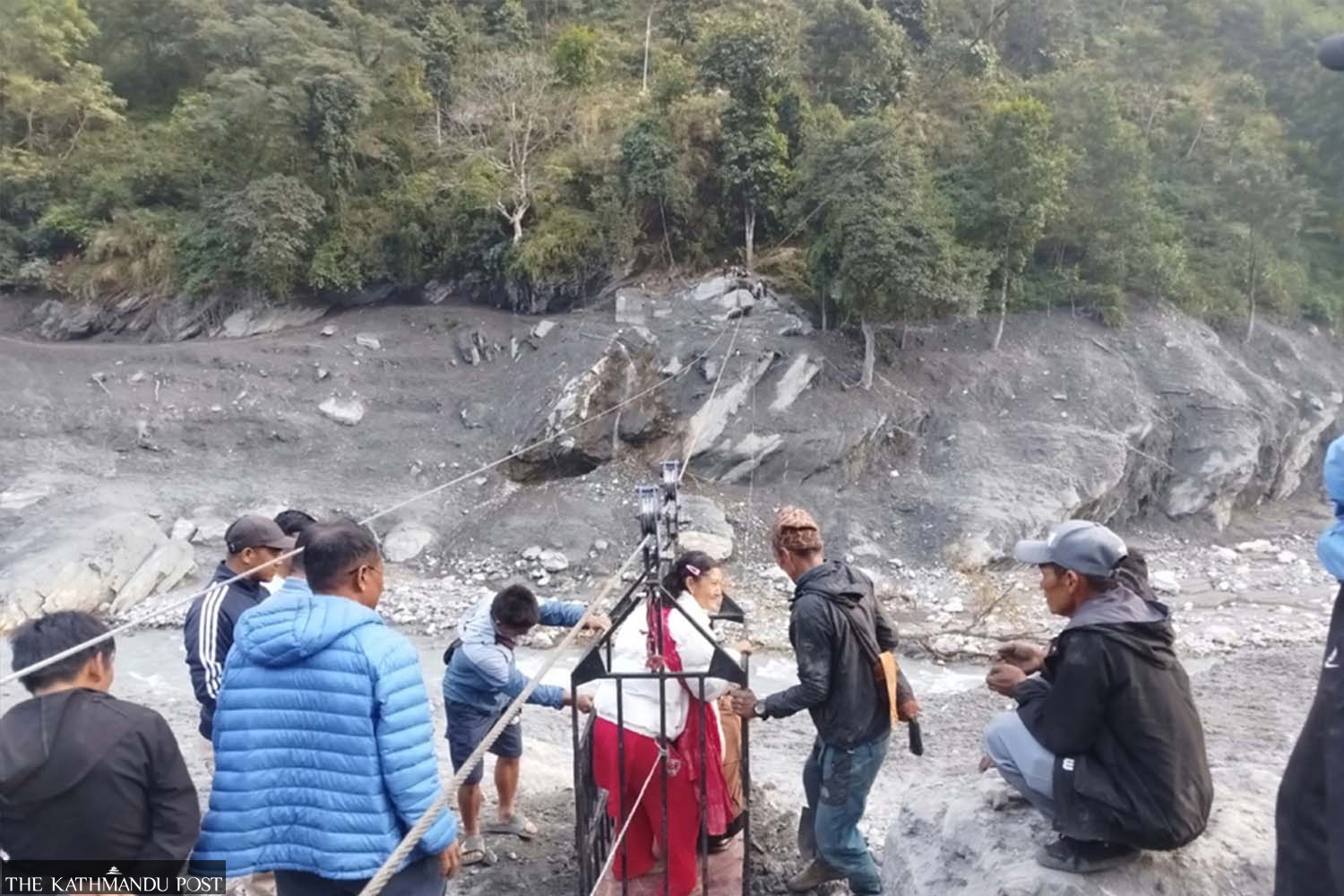
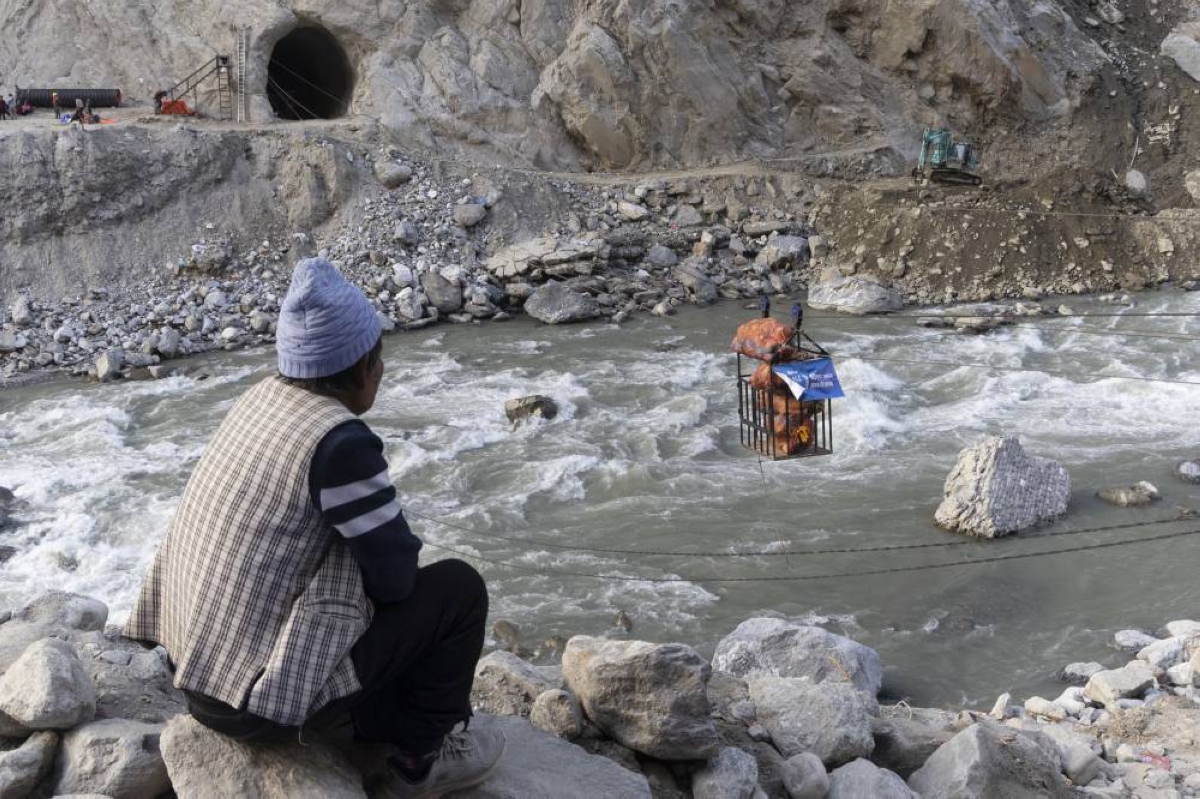
Officials noted that recent disasters, including major floods in the Rasuwa-Bhotekoshi and Gandaki river basins, have underscored the need for stronger prevention and risk-reduction measures.
UNDP Resident Representative Kyoko Yokosuka said disaster management efforts must move beyond emergency response towards anticipating and reducing risks before disasters occur. "The devastating floods we witnessed just two months ago in the Rasuwa-Bhotekoshi and Gandaki basin reminded us how quickly climate-related extreme hazards can become humanitarian and economic disasters. They also reinforce a simple but important message: we cannot wait for the next disaster to take action," Yokosuka said.
"Glacial lakes are ticking time bombs as mountains are changing rapidly. A small breach can cause losses of billions of dollars. Hence, the lowering of lakes should be done urgently, with proper safety precautions and in accordance with environmental and social safeguards to ensure better implementation," said Sanjeeb Baral, Executive Director of the Centre of Hydrology and Water Resources Research (CHWRR).
The project will also promote nature-based solutions and protective infrastructure designed to reduce flood impacts on communities, livelihoods and critical assets downstream.