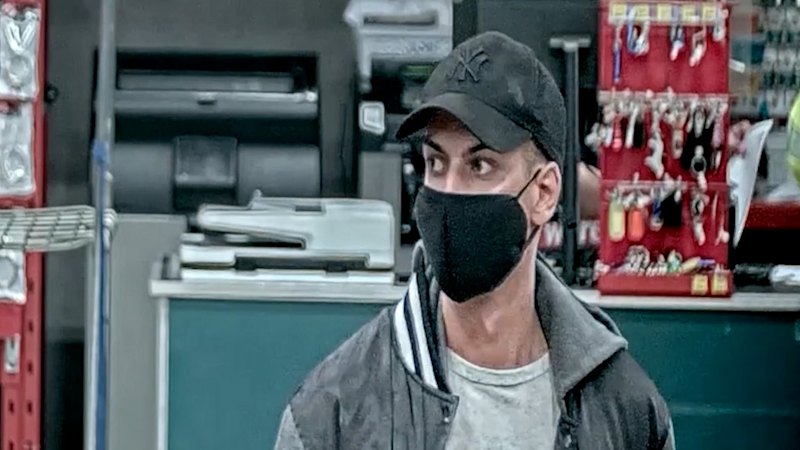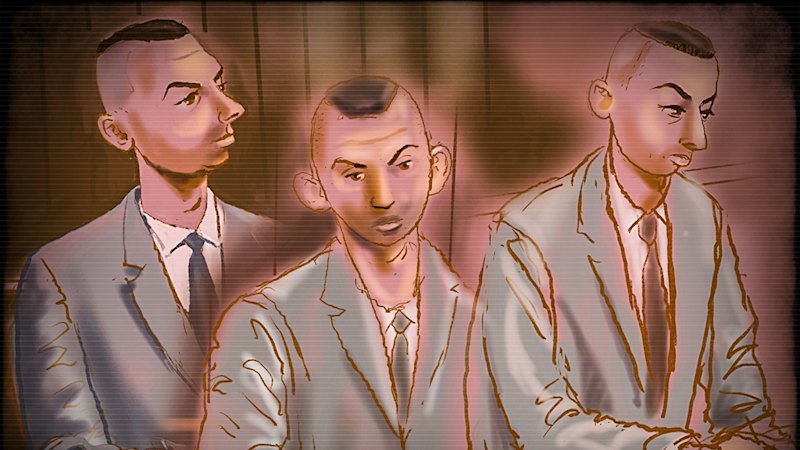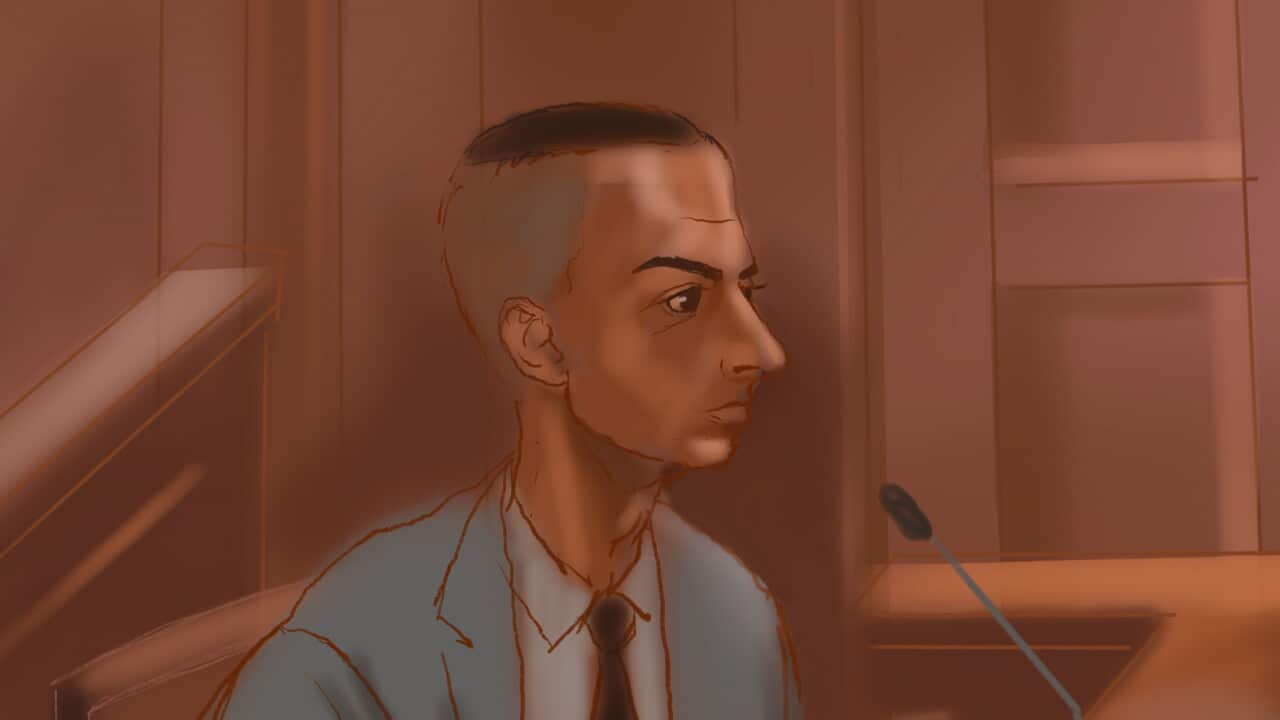
The guilty verdict handed down to former police officer Beau Lamarre-Cordon for the double murder of Jesse Baird and Luke Davies has drawn widespread media attention. But there are key lessons to be learned from this case, according to experts.
After just over two hours of deliberation on Wednesday, jurors in the NSW Supreme Court returned the unanimous verdict that Lamarre-Condon was guilty of the shooting murders of Baird and his partner Davies at a Sydney home in February 2024.
The jurors rejected Lamarre-Condon's claim he killed his ex-partner Baird in self-defence, rather than through a plan borne of obsession with the 26-year-old TV presenter.
He was also found guilty of a charge of aggravated break-and-enter after breaking into Baird's home to steal his wallet and phone in 2023.
The 31-year-old stood silently in the dock and did not react as the verdict was delivered. He will return to court for sentencing in March 2027.
Your trusted source for staying up-to-date with the world around you. Get free daily news updates and analysis, straight to your inbox.
Dr Vincent Hurley, a lecturer in policing and former police hostage negotiator, told SBS News the case involved "overwhelming physical evidence" and Lamarre-Condon had provided an "implausible explanation" for what had happened in the Paddington home.
"As a former police officer and now just ordinary punter, I thought it was a hard ask for him to overcome the guilty verdict," Hurley said.
Hurley said the Lamarre-Condon case should shine a light on responses to accusations of coercive control, technology-facilitated abuse or stalking.
"[Police] should take this far more seriously than they have in the past," Hurley said, noting that police could "dismiss" allegations from people who do not fit the typical profile of victims in these cases.
Lamarre-Condon did not face charges of coercive control, technology-facilitated abuse or stalking.
Hurley said Baird would not have fit the "typical social narrative about what a victim looks like" due to the fact that he was a member of the LGBTQI+ community , young, fit, capable and popular.
People in casual or on-off relationships also buck stereotypes about victims and perpetrators of these crimes, Hurley said.
"I think the police need to learn a lesson from this that they should take more seriously victims, regardless of gender, victim's concern about tech-facilitated abuse and coercive control.
"Because those three individuals did not fit in any way into the stereotyping that some — and I emphasise the word 'some' — police would have about what is domestic violence, what is tech-facilitated abuse, what is coercive control," he said.
Research from a 2020 La Trobe University study of Australian LGBTQI+ people found three in five had ever experienced intimate partner violence, with emotional abuse, verbal abuse and social isolation the most commonly reported types of intimate partner violence experienced.
Dr Shane Worrell, a research fellow from La Trobe's Australian Research Centre in Sex, Health and Society, told SBS News public research and awareness about family, domestic and sexual violence in the LGBTQI+ community is limited, which can make it more difficult for it to be identified by both perpetrators and victims.
It can also make people more apprehensive to report it when it is recognised, Worrell said.
Worrell said many men will not report experiences of family, domestic and sexual violence and may feel further marginalised when they seek support.
"Without wider acknowledgement that this could be happening in your relationship, victim-survivors who recognise their situation as one of [family, domestic and sexual violence] may not feel they will be believed or supported if they seek help," he said.
"Also, it may give space for users of violence to potentially minimise their behaviour even as it's escalating."
Misconceptions about physical strength in family, domestic and sexual violence can also lead to misunderstandings about crimes, Worrell said, because "gay men might be considered to be physically equal in a relationship".
"Being a man, they will be assumed to be able to defend themselves and that will be enough."
Members of the LGBTQI+ community may also experience types of intimate partner violence specific to their sexuality or gender, Worrell said, including threats of being outed or having their HIV status disclosed.
"Control tactics can include seizing on someone who is marginalised to futher isolate them," he said.
In October, domestic violence prevention organisation Our Watch and Rainbow Health Australia launched Changing With Pride, Australia's first national framework for preventing violence against LGBTQI+ people.
Worrell said frameworks like this can help to raise awareness and change cultural narratives.
"Just like we all have a role to play in preventing violence against women, we all have a role to play in preventing violence against LGBTQI+ people."
If you or someone you know is impacted by family and domestic violence, call 1800RESPECT on 1800 737 732, text 0458 737 732, or visit 1800RESPECT.org.au . In an emergency, call 000. The Men’s Referral Service , operated by No to Violence, can be contacted on 1300 766 491.
LGBTIQ+ Australians seeking support with mental health can contact QLife on 1800 184 527 or visit qlife.org.au . ReachOut.com also has a list of support services. Intersex Australians seeking support can visit Intersex Peer Support Australia at isupport.org.au.
— With additional reporting by the Australian Associated Press.