



You have reached your maximum number of saved items.
Remove items from your saved list to add more.
You've used all of your gift articles. 3 more will become available on the 1st of every month.
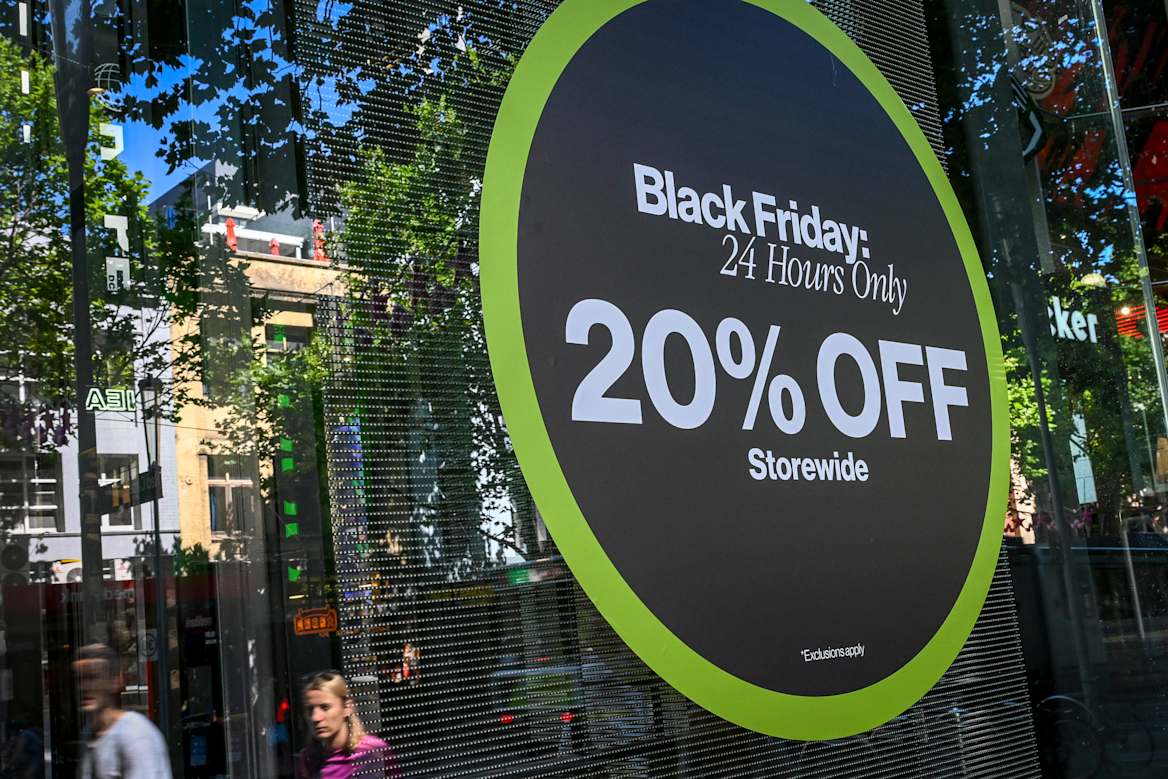
Last year, Australians spent $23.8 billion during the two-week Black Friday sales period – almost 20 per cent more than a normal fortnight, according to CommBank iQ. That’s around 2.5 times the annual GDP of Fiji.
With Black Friday overtaking Boxing Day as the leading sales period, it has truly become a fixture in Australia’s retail calendar. But if, like me, you intend to hunt for some good bargains this weekend, it might be worth stopping to think about who actually wins from these sales.
There are two main ways that retailers can take advantage of us during Black Friday.
1. Making us spend more money than we wanted to. First, it is important to think about how much you are going to spend, and compare it with how much you would have spent if there wasn’t a sale at all. Economists call this a ‘counterfactual’.
If you were already planning on buying a Nintendo Switch gaming console as your child’s Christmas present, getting it at a 20 per cent discount is a huge win.
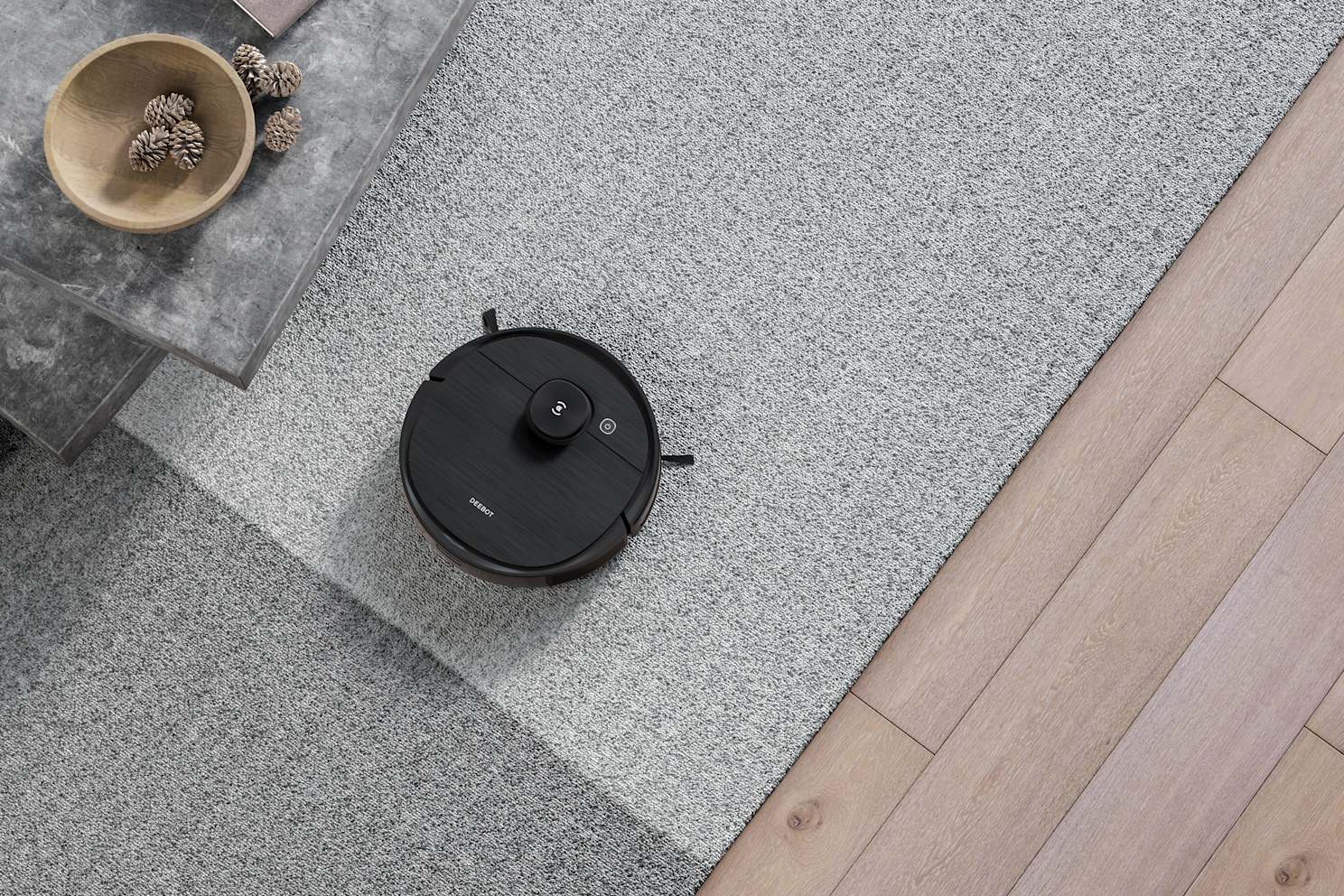
However, if the Black Friday ads at JB Hi-Fi convince you to also buy a robot vacuum cleaner – that you otherwise wouldn’t have – they might be taking you for a ride.
Of course, you are now the proud owner of a robot vacuum cleaner – and it may prove useful. There’s nothing inherently wrong with making an unplanned purchase. But if the item spends most of its life sitting in a cupboard instead of being used, that’s a good sign your impulse buy might’ve been a mistake.
I’m sure we can all recall times we overestimated how useful a purchase might be. Reflecting on these experiences can be a worthwhile exercise to keep us from repeating bad habits.
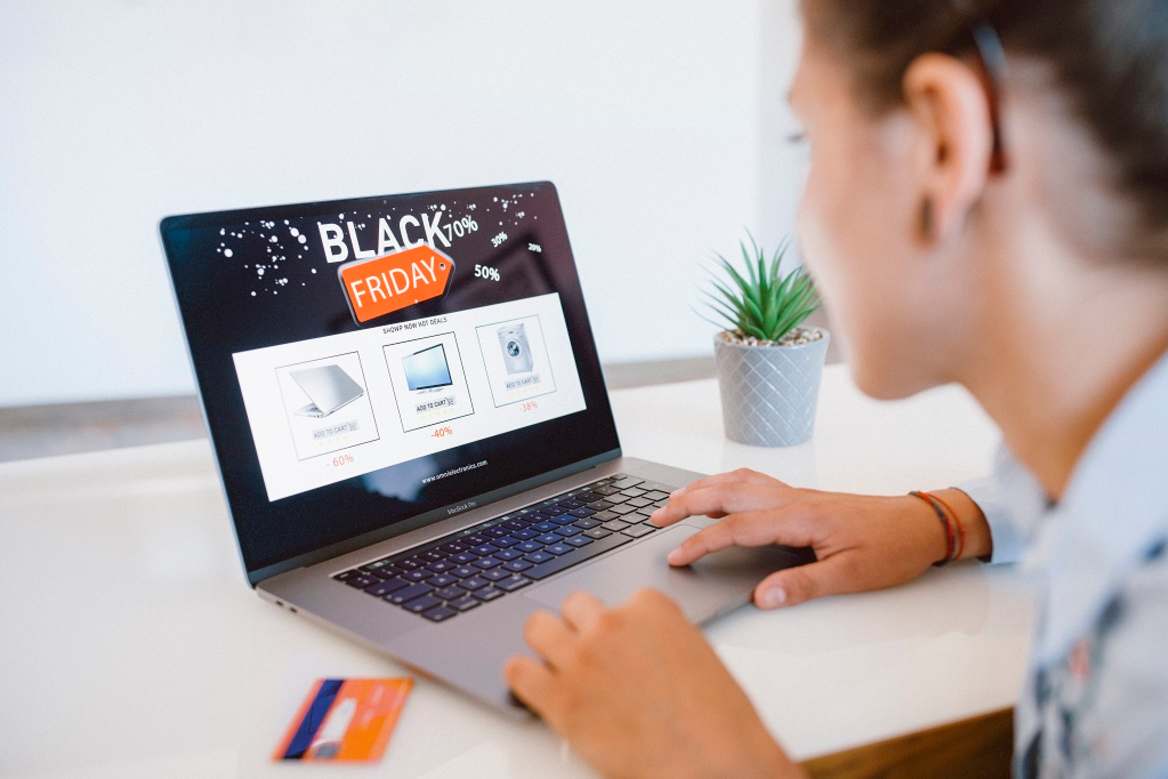
The difficulty with counterfactuals is that they can be tough to observe. Once we’ve seen an enticing offer – complete with a 40 per cent off discount tag, an ‘only five units left’ warning, or a one-hour countdown timer – it’s easy to convince ourselves that we needed the item all along.
2. Offering misleading discounts. Retailers sometimes use tricks to make us feel like we’re getting a better deal than we really are.
Imagine a kitchen shop advertising a knife set for $99, down from $1000. It looks like an incredible 90 per cent saving – but in truth, it sells for $99 year-round anyway.
This sales technique relies on what economists call “anchoring”. The $99 sales price feels cheap relative to the listed cost of $1000. But, at the end of the day, it’s still an expensive $99 purchase regardless of the high ‘anchor’ price, especially when you compare it to cheaper Kmart or IKEA alternatives.
This, along with a few other nasty ploys, is on the Australian Competition and Consumer Commission’s (ACCC) naughty list this year. Electronics store digiDirect was recently fined $99,000 for five infringements, including advertising a wireless keyboard for $149 (down from $229) despite it seldom being sold at the higher price.
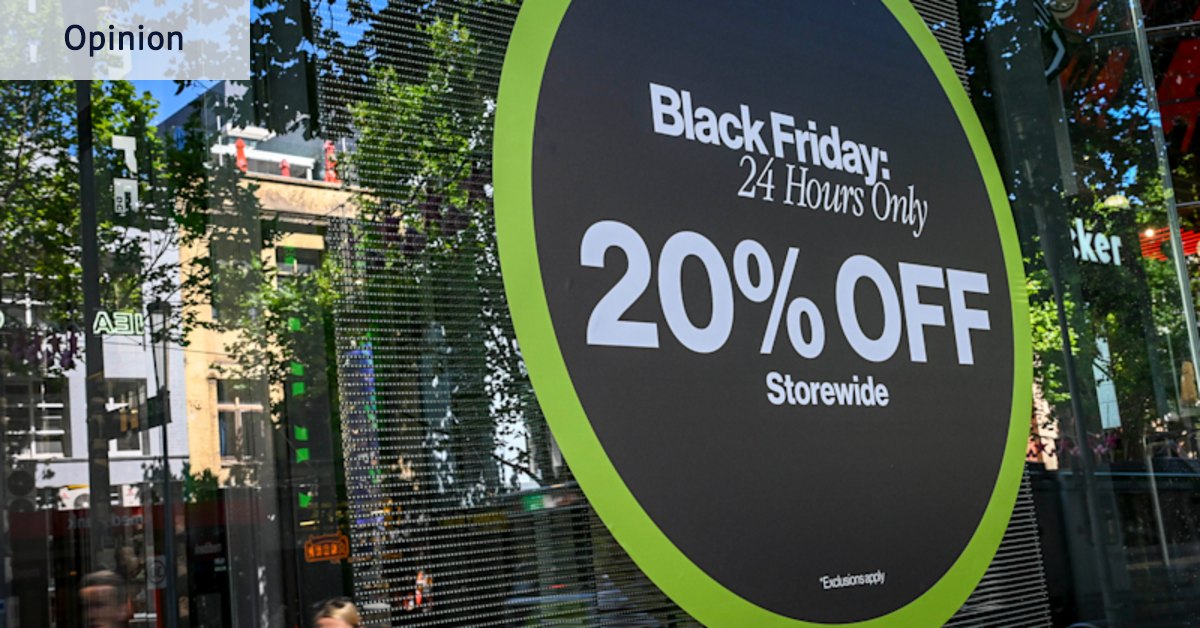
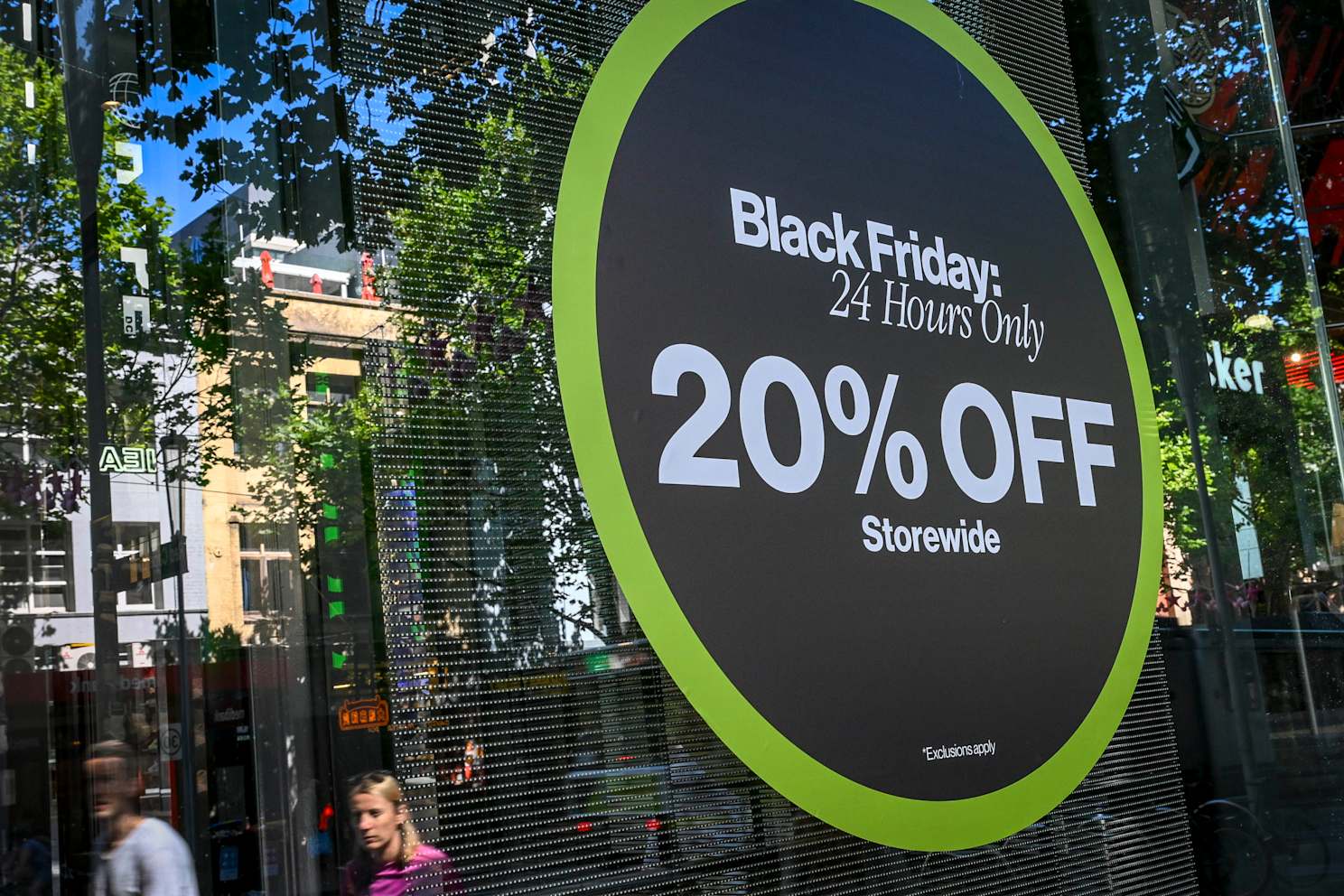
Other tricks include ‘sitewide’ sales with large exclusions, countdown timers with discounts that don’t end at the stated time, and false claims of low stock levels. But just because the regulator is on the lookout doesn’t mean you should let your guard down.
First, write down a shopping list before you look at any sales. Include Christmas presents and staples you intend to buy regardless of any sales.
Second, assign a budget based on what you can afford. This will help set your expectations on a number that’s more meaningful to your own financial situation.
Third, try to recognise when retailers might be taking advantage of you. Retail marketing teams know every trick in the book, so being aware of their tactics can help us avoid falling for them.
If you feel like you’re getting anchored, compare a product across different brands and sellers. Remember that the percentage size of a discount shouldn’t determine whether you buy something. All that matters is if it’s a good price for a product that you were already planning on buying, or it’s something you actually think you’ll use.
If you feel like you’re being pressured into an impulse buy, step away from your device and think about whether you truly need that purchase. Forcing yourself to wait 24 hours before buying something can help with mental clarity.
In summary, Black Friday can be a great way to bring forward purchases and save money on everyday staples. Just make sure you’re the one who is actually winning – we don’t want any robot vacuum cleaners wasting away in the cupboard come 2027.
Max Yong is a Teaching Fellow in economics and finance at Harvard University. He previously taught at Melbourne University.
You have reached your maximum number of saved items.
Remove items from your saved list to add more.
You've used all of your gift articles. 3 more will become available on the 1st of every month.