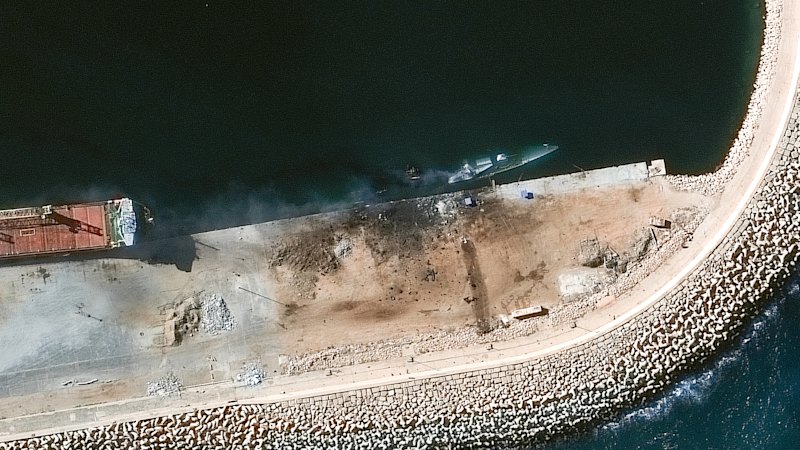
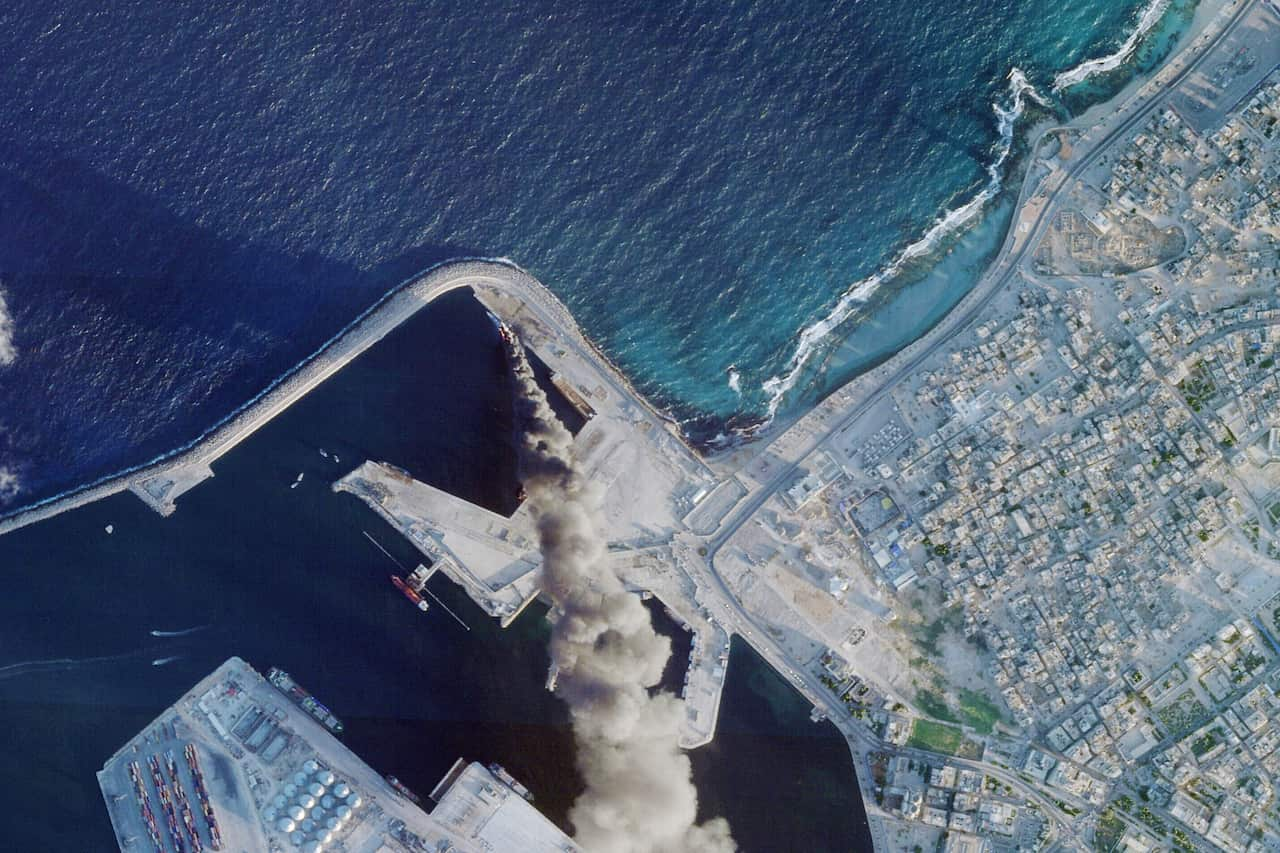
Ukraine has claimed responsibility for weekend strikes on two Russian vessels near Benghazi, Libya, that destroyed one of Russia's newest warships.
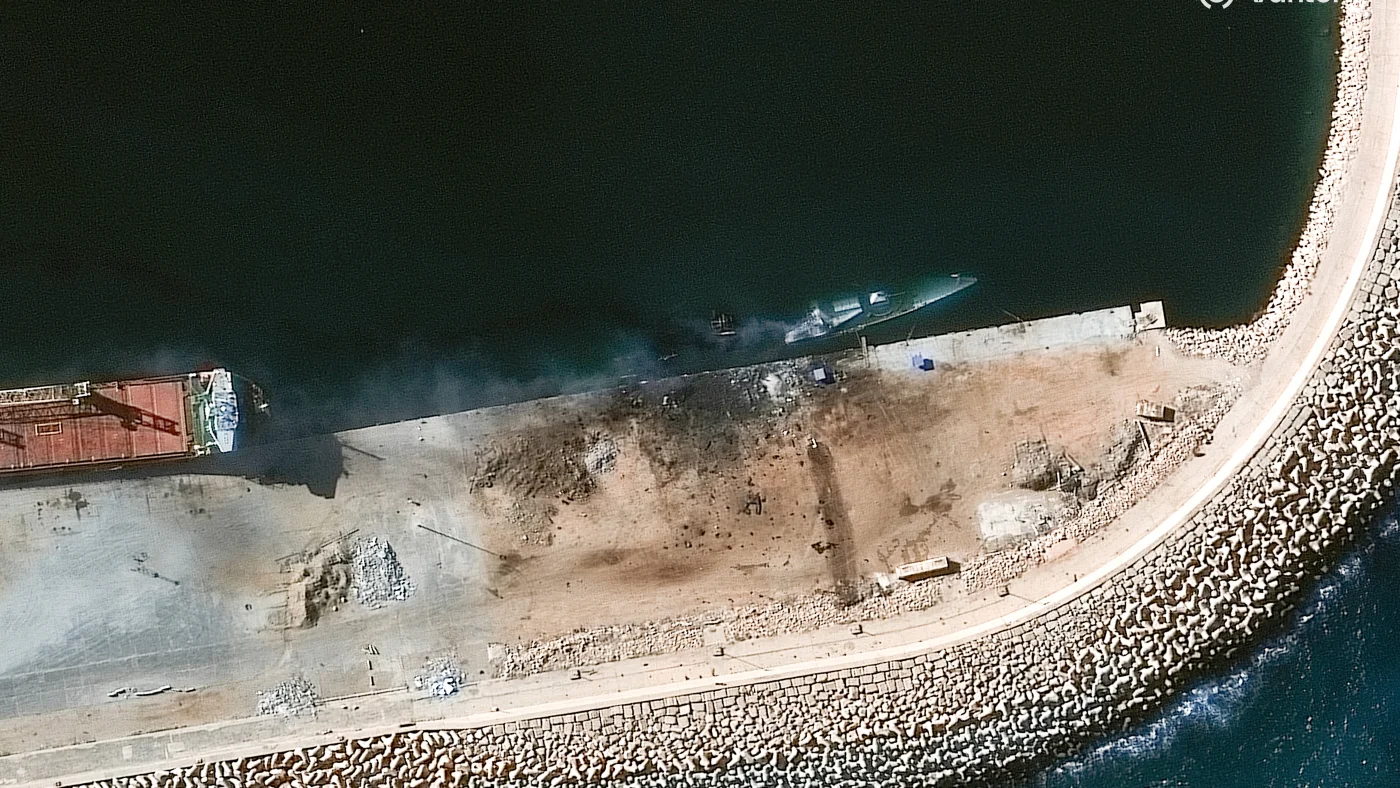
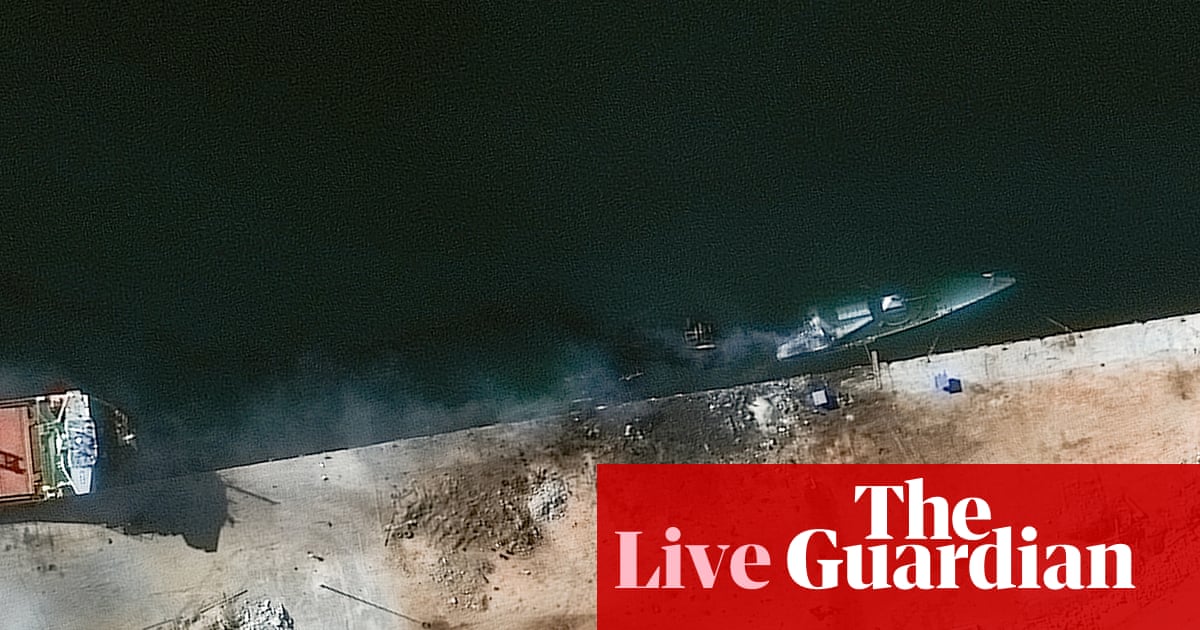
The attacks caused the Russian corvette Merkury to explode and sink at the port of Benghazi, around 1,700km from Ukraine's southern coastline.
Commissioned in 2023, it was one of the Russian navy's most modern warships.
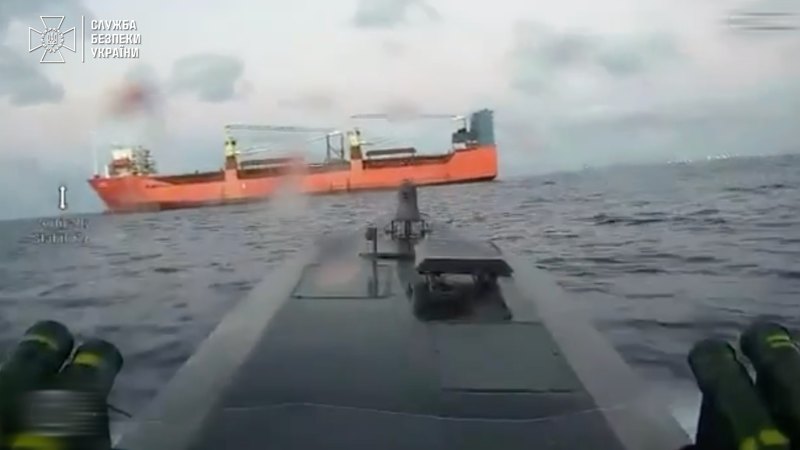
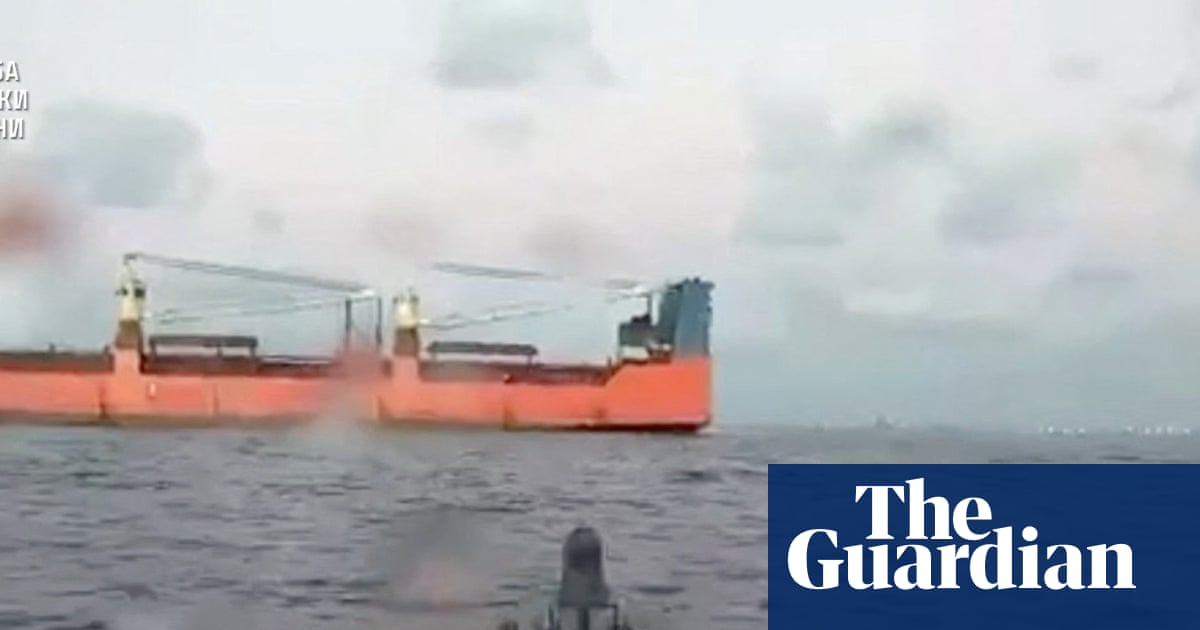
A dry cargo vessel — the MV ANGARA, sanctioned in the West as part of Russia's shadow fleet — was also hit. Ukraine alleged Russia was using it to transport weapons.
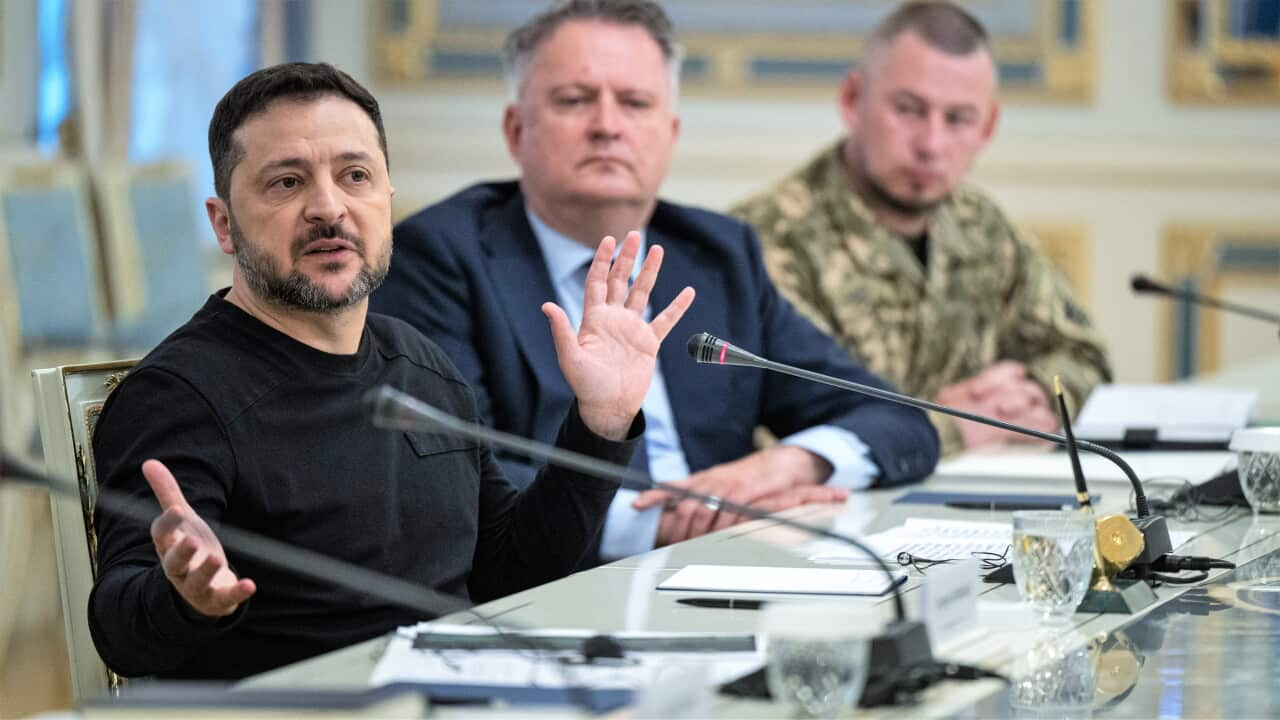
Ukrainian President Volodymyr Zelenskyy hailed the attacks as an "exemplary Ukrainian operation in response to Russia's war".
Your trusted source for staying up-to-date with the world around you. Get free daily news updates and analysis, straight to your inbox.
Ukraine said it had deployed seven home-made naval drones, which, according to the SBU security service, were "transported to a designated location and launched into the water from a so-called 'mothership'".
It did not say from where the drones were launched or how Ukraine — which only has direct access to the Black Sea — managed to get a fleet of attack drones into the Mediterranean so far from its own coast, and well beyond the range of most naval drones.
Zelenskyy posted a video purportedly showing the strikes. Footage on social media from Benghazi showed a large explosion at the port.
Authorities in Libya's east said on Sunday a Russian ship docked at the Benghazi port had been hit, with no casualties reported.
A few hours later, they said a second ship had been targeted off the coast "by explosive-laden sea drones".
Authorities said all crew members had been rescued and were receiving treatment for minor injuries.
Reports said the second ship was sailing under a Maltese flag.
Libyan television reported later that naval and air force units intercepted more than 12 "explosive-laden sea drones" off Benghazi.
Asked about the strikes on Monday, the Kremlin did not comment directly but said it had "taken note" of Zelenskyy's statement.
The foreign ministry of Libya's UN-recognised government, which is based in Tripoli, condemned the attacks, demanding an explanation from Ukraine.
In a statement, it said it was "following with grave concern and strong condemnation the statements made by the President of Ukraine regarding the conduct of military operations targeting Russian naval vessels".
"The ministry categorically condemns the conduct of any foreign military operations within Libyan territory or territorial waters," it added.
It called on Ukraine to provide "official clarifications regarding the nature and scope" of its claimed operations.
The Tripoli government said it rejected any attempt to turn Libya into "an arena for international conflicts" and the use of its territory "for any military or logistical activities that could jeopardise" national security or sovereignty.
The UN mission in Libya expressed "serious concern" over the attacks and called for "an immediate, independent and transparent investigation".
"Libya cannot afford, and must not become a battleground for foreign conflicts," the UNSMIL wrote on X.
Authorities in divided Libya's east also called for the UN to investigate claims that Ukrainian forces were present in the country's west, as they lodged a complaint over the attacks.
The eastern administration, based in Benghazi, said the attacks violated Libyan sovereignty and called for an international investigation into "reports regarding the presence of Ukrainian personnel, experts or military units" in western Libya.
Benghazi cited information suggesting Ukrainian forces might be present in "areas around Misrata, Zawiya and other potential locations".
The eastern administration also said it would launch its own inquiry into the ship attacks together with Russia.
It said one of the vessels attacked had been en route back to Russia after a stop for refuelling and resupply.
Beset by instability since the 2011 overthrow of Muammar Gaddafi, Libya for years has been divided between a UN-recognised government in the west and a rival administration in the east backed by military commander and Russia ally Khalifa Haftar.
The two Libyan sides, which have been vying for nationwide governance, have traded blame for the Benghazi attacks.
Russian President Vladimir Putin has long bristled at the NATO-backed overthrow of Gaddafi and put Russia's military support behind Haftar's government in the east.
In 2020, a leaked UN report said up to 1,200 fighters from Russia's Wagner Group private militia had been deployed in the country.
The Wagner Group was replaced by the Africa Corps and subsumed into Russia's official army following the death of its leader Yevgeny Prigozhin in 2023.
Russia's troops are reportedly stationed at several naval and air bases operated by Haftar's forces.
"Russia enjoys good relations with the Libyan National Army (LNA) and its commander Haftar," said Hamish Kinnear of UK-based consultancy Verisk Maplecroft.
Russia had "in recent years sought to boost its military presence in Libya, in part because Moscow's former hub in Syria is no longer as viable a base since the fall of Bashar al-Assad in 2024".
But the "successful targeting of a Russian warship berthed in LNA-controlled waters is a blow" both to Russia and Haftar, Kinnear said.
The attack is not the first naval drone strike Ukraine has been linked to near Libya.
In March, a Russian liquefied natural gas carrier sank off the Libyan coast following an attack that Putin blamed on Ukraine.
The vessel was also part of Russia's so-called "shadow fleet" of tankers that carry its oil and gas around the world, skirting Western restrictions.
Ukraine has at times admitted to attacking Russia's shadow fleet, including in the Mediterranean last December.
And in September, Libya denied reports by CNN that it allowed Ukraine to use a military base in the northwest of the country to launch drones against vessels from Russia's "shadow fleet" in the Mediterranean.
The weekend attacks near Benghazi coincided with a Ukrainian strike on a Russian vessel in international waters in the Gulf of Finland.
Russia's war against Ukraine, which began with Moscow's 2022 full-scale invasion, has killed hundreds of thousands of people and displaced millions.