Simplifying your supermarket shop to make healthier choices doesn't need to be overwhelming.
Here are some evidence-based tips to make it easier to choose nutritious food and avoid marketing spin, informed by dieticians Daisy Coyle and Evangeline Mantzioris.
Note: This article contains general information only. For personal advice, consult a qualified professional.
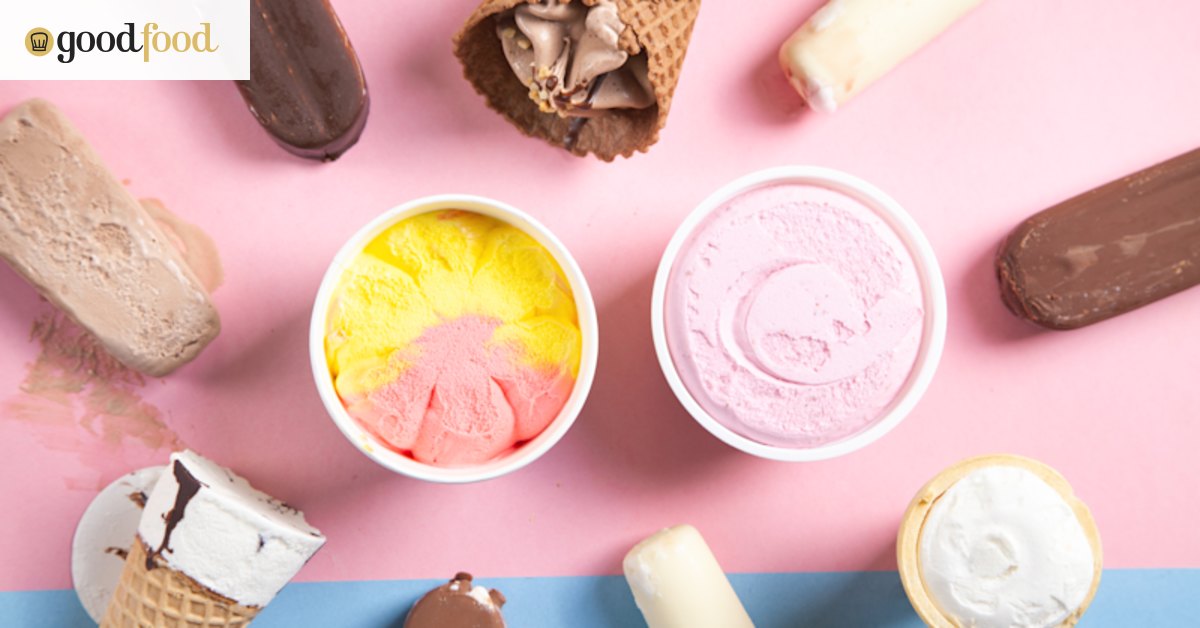
Limit packaged snack foods and desserts.
Focus your shop on the outside sections of the supermarket (for example, fresh produce and dairy), rather than the packaged or health food aisles.
You don't have to pore over every product you purchase, but dieticians suggest checking the back of the packaging for the food and drinks you buy habitually .
Most packaged foods must list all ingredients in descending order of weight. The list must also show the percentage of the key ingredients in a food.
When you scan the ingredient list, consider:
If the key ingredient is lower than you'd expect (for example, tinned tomatoes containing only 60 per cent tomato ), the product may be bulked out with additives or concentrates, which are less nutritious.
If the list is long and the ingredients hard to understand, the product is likely an ultra-processed food (UPF), which health experts say we should try to limit where possible.
Focus on the per 100 grams column , not the serving size, which is decided by the food company.
Compare what you see with the following recommendations from the National Health and Medical Research Council.
Exceptions: 2g or less for milk, yoghurt and ice-cream, 15g or less for cheese
If more, check that sugar (or alternative names for added sugar - see below) is not listed high on the ingredient list
Alternative names for sugar include sucrose, glucose, maltose dextrose, high fructose corn syrup, corn syrup, rice syrup, maple syrup, invert sugar and fruit juice concentrate.
You can find more information in the Australian dietary guidelines .
The Health Star Rating is a government-led labelling system that rates the overall nutrition of a product from 0.5 stars to five.
If you want to dive deeper, you can also use the Health Star Rating calculator to assess foods and drinks.
Take a moment to think about the product you're considering. What claims are on the front? What pictures or designs catch your eye?
Remember: words like "natural", "pure", "organic" and "healthy" are marketing terms and don't necessarily mean a product is good for you.
In kids' foods — some of the most heavily marketed foods around — this often includes phrases like "no nasties", "happy tummies" or "kid-approved".
Other terms, like "source of fibre", "low-fat" or "no added sugar" , must be based in fact but can also be misleading. (For example, a product can have no added sugar but still be high in naturally occurring sugars.)
Dr Mantzioris says "you should never beat yourself up over what you choose to eat".
"If you feel like chocolate and you do buy it, make sure you enjoy it. Buy the best quality you can and don't feel guilty while you're consuming it," Dr Mantzioris says.
"Dietitians and nutritionists don't really care what you have on Christmas or birthdays. It's not the occasional things that impact on your diet, it's what you do every day.
"The more vegetables or legumes you can get in, whatever you're choosing, the better."
Stream The Great Food Con for free on ABC iview.