David Bonaddio, Real Estate Reporter
First published 23 Nov 2026, 5:00am
Geelong’s major construction pipeline could put further pressure on building costs and the availability of skilled trades, with JV Built director Jake Vella (pictured) highlighting the expenses of working away.
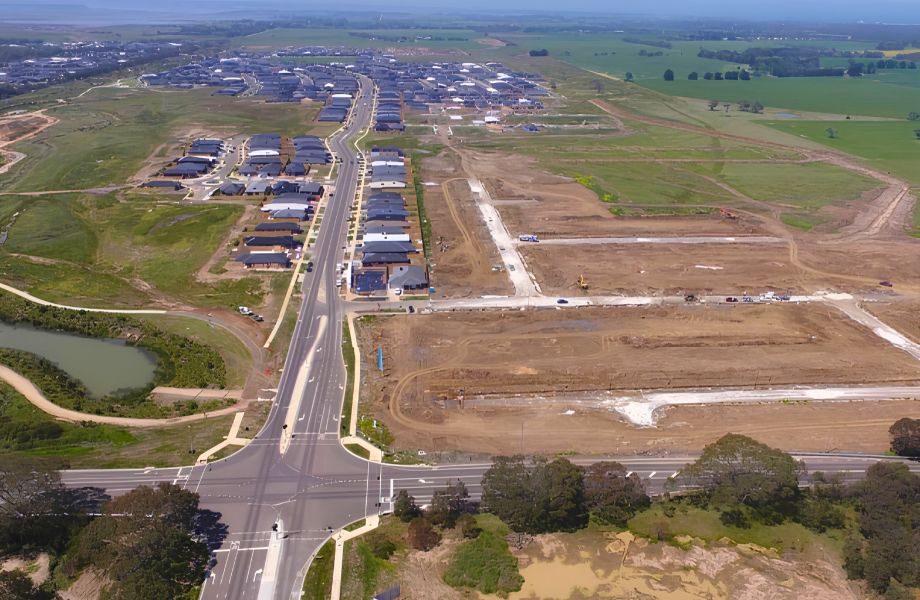
Geelong’s biggest building projects could face higher quotes and fewer tradies as Melbourne’s construction comeback threatens to lure specialist workers away.
New forecasts warn the regional city’s building costs could climb almost 14 per cent over the three years to 2029.
Construction consultancy WT predicts Geelong costs will rise 4.3 per cent in both 2027 and 2028, followed by 4.6 per cent in 2029.
RELATED: Smorgon heiress buys Mushroom Records HQ
‘S***’: Killing Heidi star’s sad chapter at 43
‘Freak out’: Real reason Aussie crisis will worsen
Melbourne faces a compounded increase of about 15 per cent over the same period.
The forecasts cover major construction projects, including apartment towers and commercial developments, rather than detached homes or renovations.
WT construction economist Damon Roast said Melbourne’s building industry was beginning to strengthen after years of subdued conditions.
WT construction economist Damon Roast warns Melbourne’s building recovery could draw specialist tradies away from Geelong, pushing up costs for major regional developments. Picture: Supplied
He said construction activity had improved over the past two years, with major developments coming to market.
Population growth, improving interstate migration and investment in data centres were expected to drive further demand.
“Melbourne’s construction market has been comparatively subdued for an extended period, but the outlook is beginning to strengthen,” Mr Roast said.
“Population growth, improving interstate migration, data-centre investment and a broader recovery in the project pipeline are all contributing.”
Mr Roast said industry confidence had been weaker than Melbourne’s underlying economic fundamentals suggested.
He said greater political certainty following the November 28 state election could also help improve confidence, regardless of the result.
However, WT warned reduced state infrastructure spending or overseas migration could weaken the recovery.
The expected turnaround could create a new challenge for Geelong.
“There is a real risk of Melbourne drawing specialist trades and contractors from Geelong as its pipeline strengthens,” WT said.
“For Geelong, that could mean fewer bidders, firmer tender pricing or greater pressure on project programs.”
Geelong’s construction pipeline includes an upgrade of the Australian Centre for Disease Preparedness, with major projects expected to generate further demand for building workers.
Mr Roast said Geelong’s construction industry had punched above its weight in recent years, supported by major projects.
But the regional city could struggle to compete with Melbourne’s much larger building market.
The report identified the Australian Centre for Disease Preparedness upgrade and a growing pipeline of industrial projects as important sources of local work.
The Housing Industry Association recorded a trades availability reading of -0.54 across regional Victoria in the September quarter, compared with -0.06 in Melbourne. Picture: Alan Barber
Those developments could help retain specialist contractors and reduce the risk of workers being drawn to Melbourne.
Mr Roast said significant delays to Geelong projects were possible but unlikely at this stage.
Separate industry figures show regional Victoria is already experiencing a greater shortage of residential tradespeople than Melbourne.
Housing Industry Association data recorded a trades availability index of -0.54 for regional Victoria in the September quarter, compared with -0.06 for Melbourne.
The more negative the reading, the greater the shortage.
The survey covers residential construction across regional Victoria, rather than Geelong specifically.
JV Built director Jake Vella has highlighted the additional expenses builders face when workers need to travel for jobs, as skilled trade shortages continue across regional Victoria. Picture: Instagram/jakevella
Melbourne builder Jake Vella said he would prefer to accept jobs closer to home if the city’s construction market became busier.
The JV Built director, who has worked in regional Victoria, said travelling away from established suppliers and workers added considerable expense.
“I’d love to stay home, obviously,” Mr Vella said.
JV Built director Jake Vella says accommodation, fuel, food and allowances can make bringing tradespeople to jobs away from home an expensive exercise. Picture: Instagram/jakevella
He said accommodation, fuel, food and allowances could make sending a crew to regional Victoria much more expensive than completing a comparable job in Melbourne.
“It can be quite costly for accommodation, fuel, food, allowances for being away,” he said.
Mr Vella said contractors would become more selective about taking regional work if enough jobs were available closer to home.
“We’d be pretty selective if we want to come out there, to be honest,” he said.
Geelong’s construction industry faces potential competition for workers as major developments gather pace, with consultants warning fewer builders could bid for upcoming projects. Picture: NCA NewsWire / Luis Enrique Ascui
Sign up to the Herald Sun Weekly Real Estate Update. Click here to get the latest Victorian property market news delivered direct to your inbox.
MORE: Melbourne buyers gain power as auctions flop
Premiership Hawk ready for $5.85m move
Ex-Magpie Heath Shaw scores $2.9m deal
Help us improve your reading experience
Got a minute? Your feedback will help us build a better experience for you.