The COP31 climate talks ended in failure Sunday as a contentious deal collapsed over fossil fuels and the summit stretched into record overtime in Türkiye.
The final agreement was dramatically rejected in a chaotic finale to a UN climate summit which ran two days over schedule, underscoring the strains on diplomacy in an increasingly fractured world.
UN Secretary-General Antonio Guterres, who urged nations to send fossil fuels "the way of the dinosaurs" during a fiery appearance at COP31, expressed deep dismay as the talks broke down.
"I share the very profound frustration of all those who expected governments to rise to the moment the climate crisis demands," the outgoing UN chief said in a statement.
Your trusted source for staying up-to-date with the world around you. Get free daily news updates and analysis, straight to your inbox.
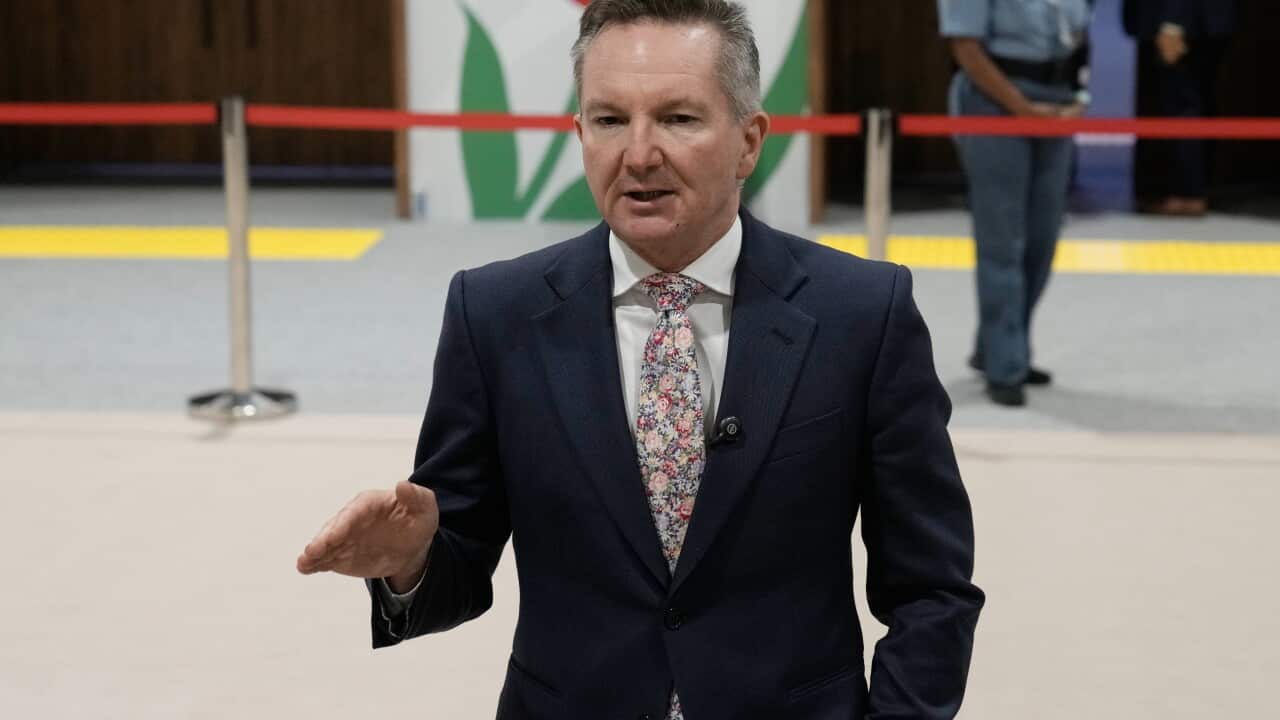
COP31 negotiations chair Chris Bowen, who unsuccessfully sought to broker consensus among nearly 200 nations, conceded he could not overcome what he called "unbridgeable red lines".
"Unfortunately, we were unable to reach agreement on a cover decision ... And that's disappointing. Very disappointing," Bowen, who is Australia's climate minister, told a throng of reporters.
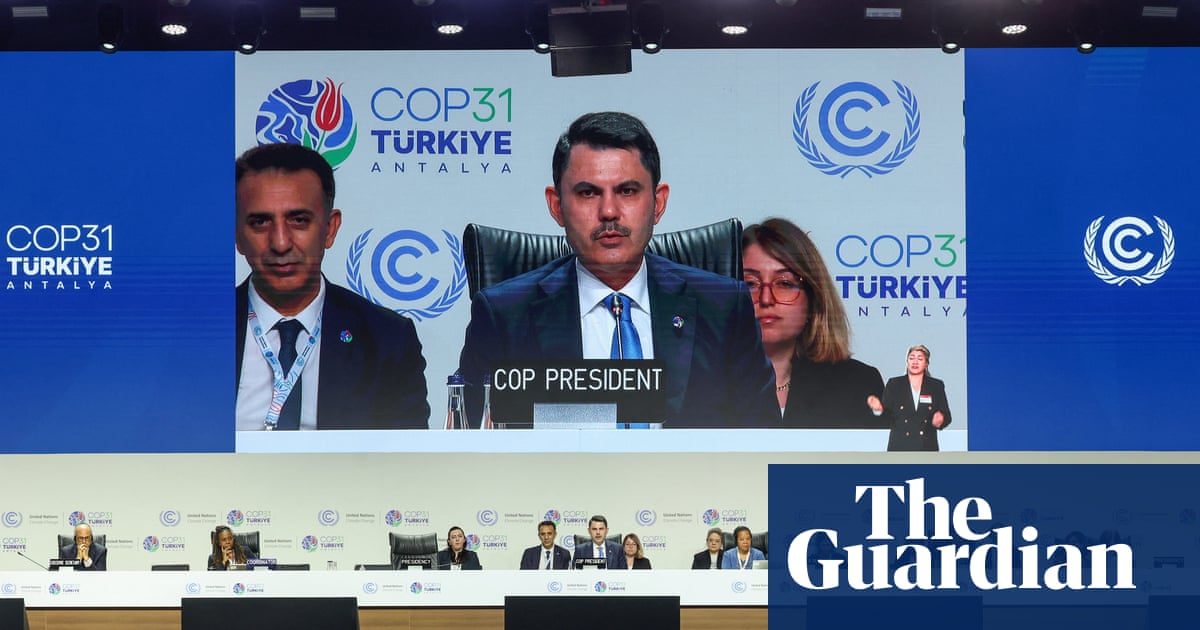
More than 49 hours after the summit was supposed to end, COP31 President and Turkish Environment Minister Murat Kurum banged the gavel to conclude the marathon talks.
Bowen said the summit backdrop was "the most complicated and fraught geopolitical environment in living memory" as soaring energy prices and fallout from the Middle East war complicated the search for unity.
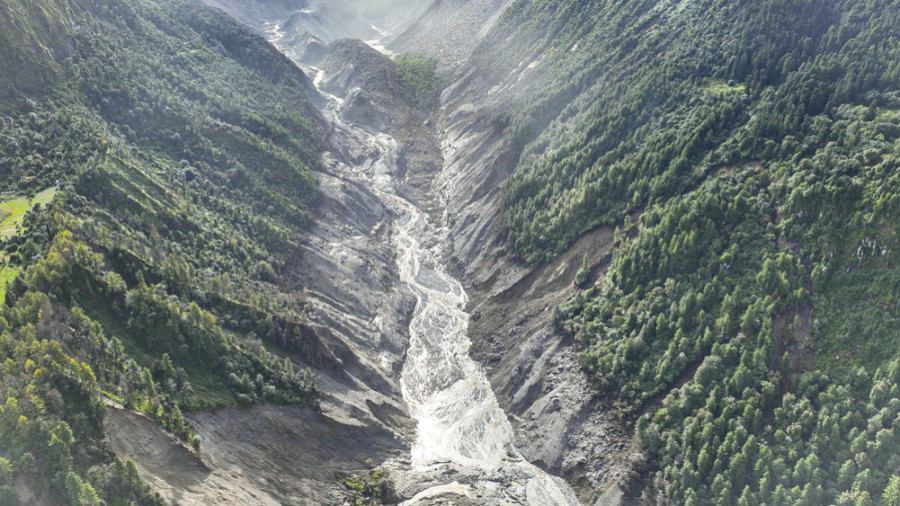
Under pressure to show progress in a year of climate-linked disasters from Europe to Nepal, Bowen sought an overarching "cover decision" to prove countries were still united in tackling the crisis.
But his plan unravelled as familiar fault lines emerged over fossil fuels, with the EU and Saudi Arabia locking horns over the pace of the shift away from coal, oil and gas.
The negotiations stalled as oil-producing states blocked any mention of phasing out fossil fuels in the final deal.
"We will not endorse a cover decision ... that does not even mention fossil fuels, which is the key driver of climate change," said Ireland's climate minister, Darragh O'Brien, whose country holds the rotating EU presidency.
"And we will not accept a COP that greenwashes fossil fuel."
Panama, Vanuatu and the Marshall Islands also objected and as the deal imploded, COP31 became the longest climate summit on record.
The outcome revived memories of the failed Copenhagen summit of 2009 and raised fresh doubts about the effectiveness of climate diplomacy.
"It certainly fell short today," said UN climate chief Simon Stiell, describing progress over the marathon fortnight of negotiations in Antalya as "limited".
"The world cannot afford a repeat."
Frustrated by the inertia, countries are pushing ahead outside the COP process.
Around 60 countries joined a first-of-its-kind conference in April on phasing out fossil fuels while several nations at COP31 unveiled their own plans to exit coal, oil and gas.
In a last-ditch bid for compromise, COP31 hosts Türkiye and Australia could only muster a veiled reference to fossil fuels in the final text.
But the pact also took fire for retaining a call to expand carbon capture — a costly technology championed by the fossil fuel industry.
"We believe that climate change requires all solutions on the table," said Mohammad Ayoub, a climate negotiator for oil giant Saudi Arabia.
Facing blowback over the fossil fuels omission, Türkiye and Australia tried to rally support behind a global goal to electrify the world economy.
They said "electrification" could cut heat-trapping emissions and bolster energy security but the target was ultimately torpedoed, along with the rest of the doomed Antalya Pact.
Countries lamented a missed opportunity to reinforce the Paris agreement's 1.5C target, which scientists expect the world to overshoot in a few years as carbon-cutting goals fall short.
The summit also widened fault lines over science, with a fight over the work of the Intergovernmental Panel on Climate Change (IPCC) spilling into the negotiations.
"We are profoundly disappointed by the substance of the cover decision," said UK climate negotiator Kate Hughes.
"It moves us backwards on the science ... It is a lowest common denominator where it should have been, instead, presenting bold collective ambition on climate action."
As always, the summit laid bare the divide between major polluters driving climate change and smaller nations bearing the brunt of its impact.
Developing nations pushed for a $120 billion target climate goal which disappeared from the failed deal.