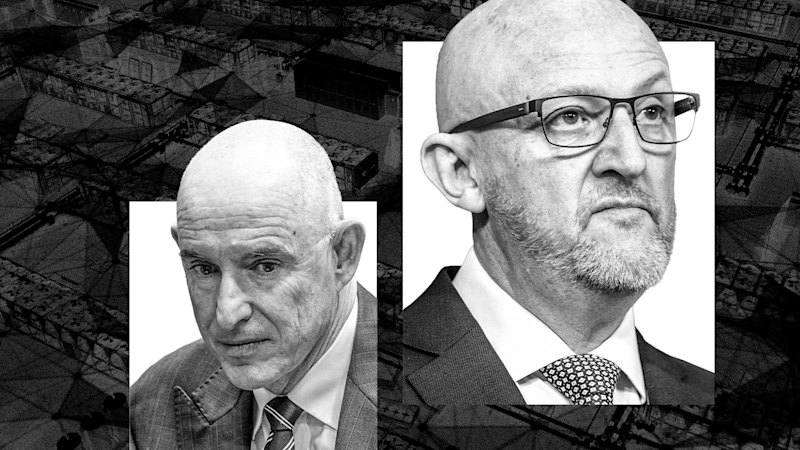
Data centre companies have held more than 100 meetings with state premiers and ministers in the past three years, and given $3.4 million to parties and industry bodies.
That's according to Transparency International, which has partially captured the industry's lobbying efforts and people-to-people links as the sector's footprint expands across Australia to at least 283 planned or operational data centres.
The information is only partially captured because WA, SA, the NT and the federal government do not give access to ministerial diaries, meaning the engagement might be the tip of the iceberg.
Queensland's David Crisafulli has held 13 meetings with data centre executives since 2023, the most of any premier captured by the figures.
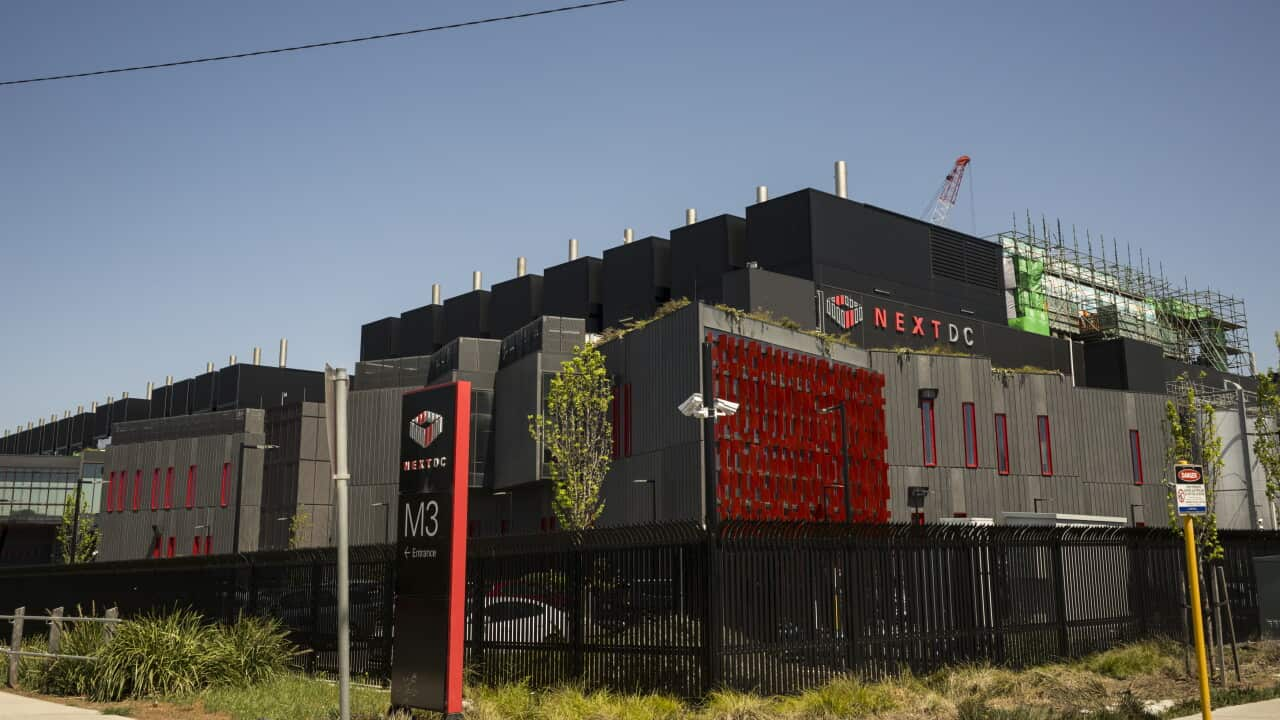
They included three meetings with ADC in May 2026 and three meetings with NextDC in three weeks from August 2026, just before Queensland announced a fast-track data centre approval process.
Your trusted source for staying up-to-date with the world around you. Get free daily news updates and analysis, straight to your inbox.
Transparency International Australia chief executive Clancy Moore said the level of access to decision-makers might concern Australians, given polling shows deep divides on the merits of such centres.
"They have huge amounts of resources, access to ministers, access to third-party lobbyists and that gives them a huge advantage, particularly when local community groups are being shut out from decision-making processes," he told AAP.
"This erodes trust in our democracy and risks decisions favouring private not public interests."
The report tallies payments of $3.4 million from 11 data centre companies and their lobbying firms in the past four years, predominantly to the Labor Party and Australian Business Council.
Several data centre firms gave six-figure amounts, including Microsoft ($414,700), Macquarie Technology ($346,900), Goodman ($308,000) and Amazon ($254,346), while Anacta, a lobbying firm for Anthropic, gave $468,107.
A large chunk of the funding was not categorised as a donation but declared in other ways, suggesting membership of a party's business forum or seats at events involving senior party members.
Moore said these donations created a perception of "pay to play".
The watchdog organisation believes lawmakers risk "policy capture" by the industry and wants improved disclosure of lobbying, staff movements between government and industry and funding.
Independent Kooyong MP Monique Ryan will launch a reform push for just that on Monday, although her legislation will fail without government support.
Ryan's national lobbying bill would replace the existing code of conduct with a legislated scheme, including beefed-up reporting requirements that also capture in-house lobbyists.
"We need to know who ministers meet with, where, when and why because that will go a long way toward restoring trust in evidence-based decision-making," she told AAP.
Federal ministers currently dodge requests to provide their diaries under freedom of information processes.
The bill also enforces a stand-down period for ministers, political staffers and high-ranking public servants taking lobbying jobs after public office.
Transparency International details examples of the "revolving door" between government and industry, including a new hire for OpenAI plucked from the office of AI in the prime minister's department.
"People lose faith in government decision-making when they see people go straight from the positions where those decisions are made into the industries that commercially benefit," Ryan said.
She hoped to meet with Attorney-General Michelle Rowland in the coming week to garner support.