One Australian dies from an asbestos-related disease caused by exposure to asbestos fibres every two hours and 11 minutes, equating to over 4000 preventable deaths every year.
Raising awareness of asbestos-related deaths, South Australian Bruce Inkley has shared how he lost his wife of nearly 50 years to mesothelioma, a rare and terminal form of cancer caused by asbestos exposure.
Hellen’s tragic diagnosis, following possible asbestos exposure in their family home and workplaces, turned the couple’s retirement plans on their head.
Together since they were teenagers, Bruce and Hellen raised two children and shared five grandchildren.
The pair’s retirement, which began when Hellen retired from teaching in 2014, included time spent travelling and looking forward to new adventures together until disaster struck in 2023.
In October of that year, Hellen developed a persistent cough following knee replacement surgery, prompting her to undergo a series of tests.
She was later diagnosed with mesothelioma, a disease without a cure that neither Hellen nor Bruce had ever heard of before.
The Mesothelioma Centre notes that with treatment, patients with the aggressive form of cancer typically live just 12 to 21 months after diagnosis.
Without treatment, the length of survival halves, with patients having a life expectancy of six to eight months.
Hellen fought hard, undergoing radiotherapy, chemotherapy and immunotherapy. She tragically died surrounded by her family after a battle lasting just over 10 months.
Throughout her life, Hellen had been exposed to asbestos on many occasions.
The mother of two often helped her father clean up building sites where he worked with asbestos when she was a child.
As a carpenter and joiner, Bruce also worked with asbestos, with Hellen washing his work clothes and cleaning their house.
She had also helped install and remove asbestos eaves during renovations to their family home.
Following the passing of his wife, Bruce has received support from asbestos advocacy organisations, family and friends.
He has since shared his experience of losing Hellen in the hope of raising awareness about the dangers of asbestos exposure.
Now, Bruce continues to honour Hellen’s memory while remaining active in his community, running a weekly wood-burning class, pursuing art and spending time with his grandchildren.
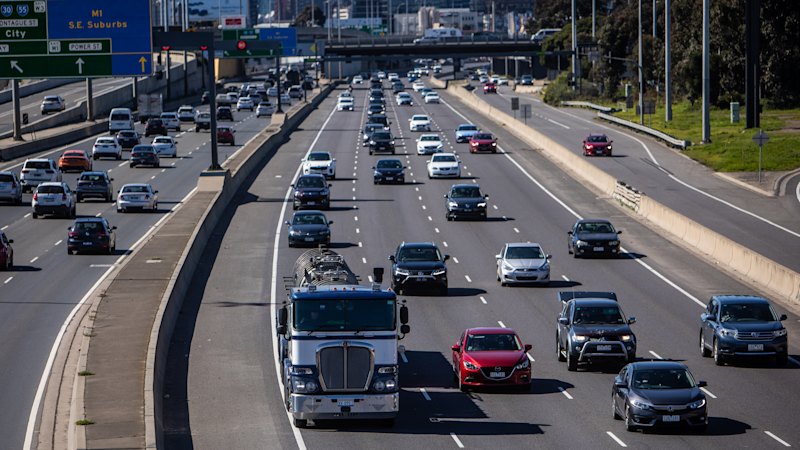
Sadly, Hellen’s story is not uncommon, with asbestos-related diseases claiming more than three times as many Australian lives each year as the national road toll.
National Asbestos Awareness Week begins on November 23, with the Asbestos and Silica Safety and Eradication Agency (ASSEA) urging homeowners to check for asbestos before beginning work on properties, especially those built before 1990.
Around six million tonnes of asbestos-containing materials are estimated to remain in Australian homes, businesses and workplaces, despite the material being banned more than two decades ago.
ASSEA chief executive Jodie Deakes warned that ageing asbestos materials could put a whole new generation of homeowners and renovators at risk.
“Asbestos is often thought of as a problem of the past, but its deadly legacy is still with us,” Deakes said.
“Without awareness of the dangers and protection for workers, a new generation could be at risk.”
With household budgets increasingly being put under pressure, Deakes warned that homeowners undergoing DIY repairs and renovations could unknowingly expose themselves to asbestos.
Drilling into walls, replacing flooring, repairing fences and renovating bathrooms can risk releasing harmful fibres if asbestos is present.
These fibres often contaminate clothing, furniture and other parts of the home, potentially exposing family members.
“It can be tempting to take on repairs yourself or leave asbestos checks out of the budget. But not knowing asbestos is there can turn an apparently straightforward job into a serious health risk and an expensive clean-up,” Deakes said.
The agency also warned that bushfires, floods and severe storms could damage roofs, walls, fences and sheds containing asbestos, leaving hidden dangers behind.
ASSEA has photos and descriptions of products made using asbestos, which can help identify where it may be present.
However, owners are still being urged to get professional advice before risking disturbing suspected asbestos, with the agency warning that deadly fibre can be extremely difficult to spot.
Homeowners urged to test for legacy asbestos before renovations: experts
While the cancer-causing material was completely banned in 2003, homeowners should test any home built before 1990.
‘It was inevitable’: Matildas star’s nightmare discovery in first home
Michelle Heyman and her partner uncover major hidden costs during their NSW home renovation.
'Anybody else would demolish it': A two-year reno saved this asbestos-riddled cottage
Rohan Parker endured cold winters and cooking on a single hotplate to get through the renovation of a derelict country cottage, but he says it was "was definitely worth saving".
The information on this website is intended to be of a general nature only and doesn't consider your objectives, financial situation or needs.