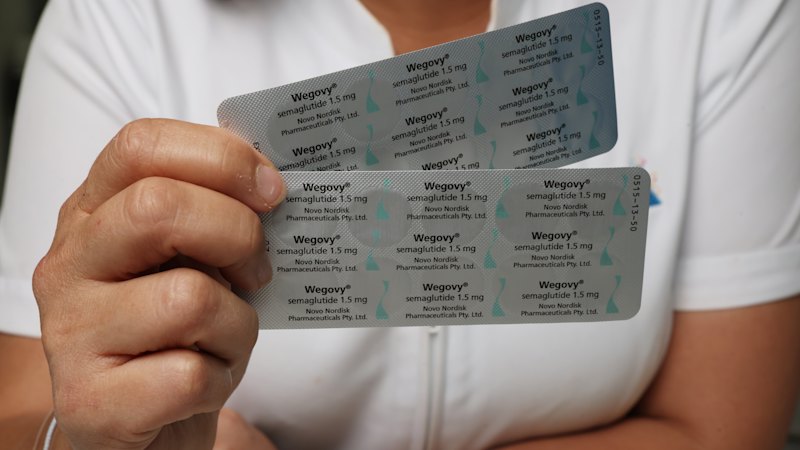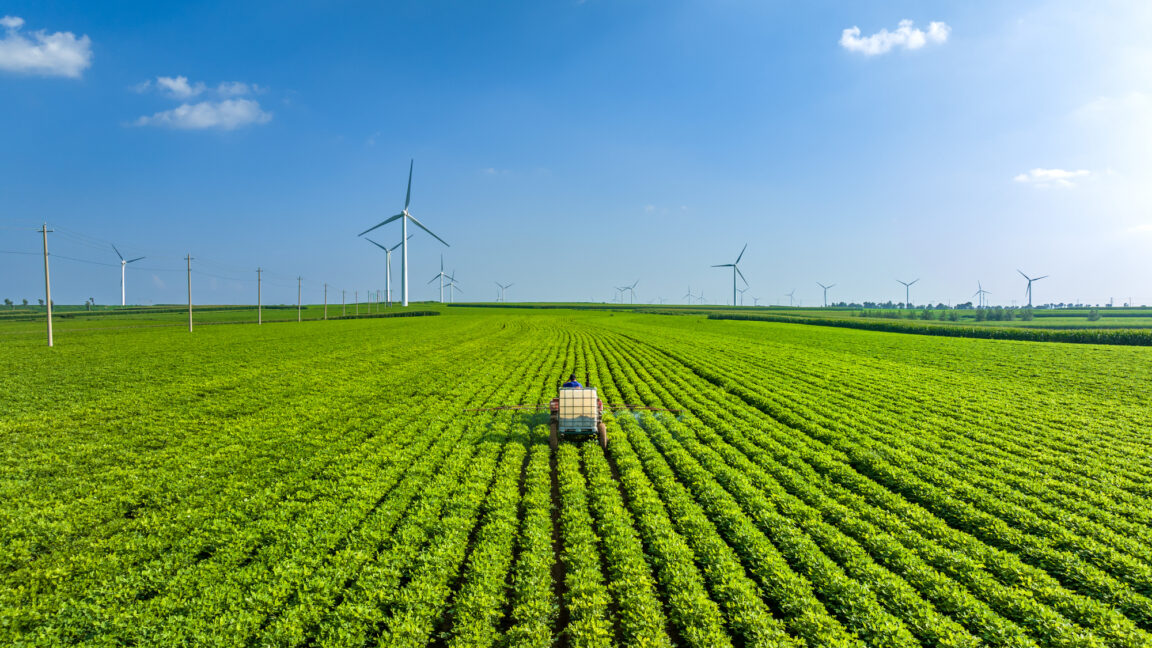
GLP-1 weight-loss medicines such as Ozempic and Wegovy could affect much more than the waistlines of the people who take them. If widely used, our new research suggests these appetite-suppressing medicines could transform the global food system and free up vast areas of agricultural land.
The global food system is ultimately driven by demand. If people eat less, producers respond, affecting production, prices, trade, and how much land is needed. We used a powerful computer simulation to explore scenarios ranging from GLP-1 use concentrated in high-income countries to widespread global access.
With widespread use of these medicines among adults living with obesity, we estimate that reduced calorie intake could prevent up to 6.6 million deaths each year by 2050, while freeing up as much as 32 million hectares of agricultural land—an area slightly larger than Italy—for other uses.
The biggest effects, however, occurred when reduced calorie intake was combined with a shift toward healthier diets. In this scenario, up to 7 million deaths could be avoided each year by 2050, while around 46 million hectares of agricultural land would have become available for other uses. This suggests that alongside weight-loss medicines, we need to make healthier options more widely available, affordable, and more appealing.
Food systems are interconnected across countries. If demand falls in one part of the world, this can affect farming, trade, and food prices elsewhere, with consequences for people who are not taking the medications at all.
Lower demand from GLP-1 users, for instance, could make food cheaper. That sounds positive, but cheaper food could also encourage greater consumption among non-users, offsetting some of the intended benefit. The effects of widespread GLP-1 use, in other words, cannot be understood just by looking at individual patients’ weight loss. They ripple through the global food system.
It’s tempting to read these findings as an argument for putting more people on weight-loss medication. That would miss the bigger picture.