You have reached your maximum number of saved items.
Remove items from your saved list to add more.
You've used all of your gift articles. 3 more will become available on the 1st of every month.
If the world was sceptical in 1954 that a small colonial outpost in the southern hemisphere could host the world’s biggest sporting event, they were not alone.
There was the least doubt about whether Australia’s athletes were world class. It was the rest of Australia they worried about.
In July that year, two years before the 1956 Olympics, the Melbourne lord mayor, Robert Solly, summoned a meeting of the city’s key women’s groups. Representatives from the Country Women’s Association, the National Council of Women, the Girl Guides Association, the Young Women’s Christian Association and the Housewives Association (yes, you read that correctly) all gathered at the Town Hall.
Then-premier John Cain snr spoke, partly to urge the women to understand their role at the forthcoming Games would be to make visitors welcome, but also to assuage the fears of hordes of foreigners in the city.
It was agreed a committee would be formed to co-ordinate the women’s groups of Melbourne during the Olympics. The Olympics Civics Committee was formed. No women were on it.
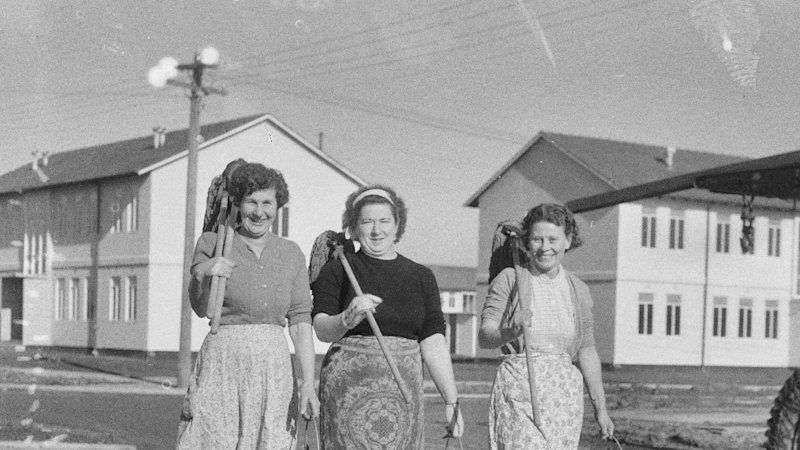
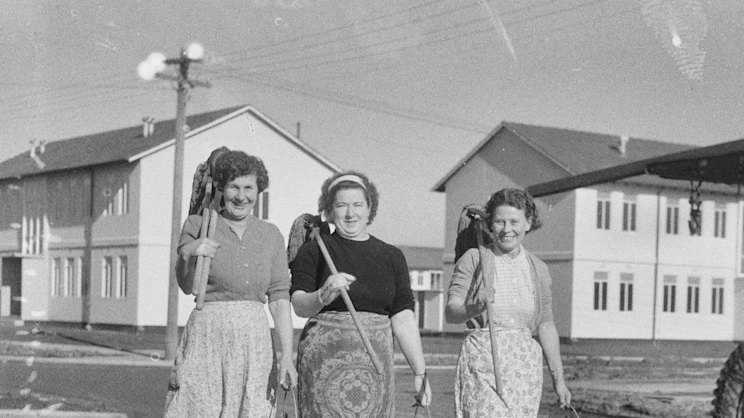
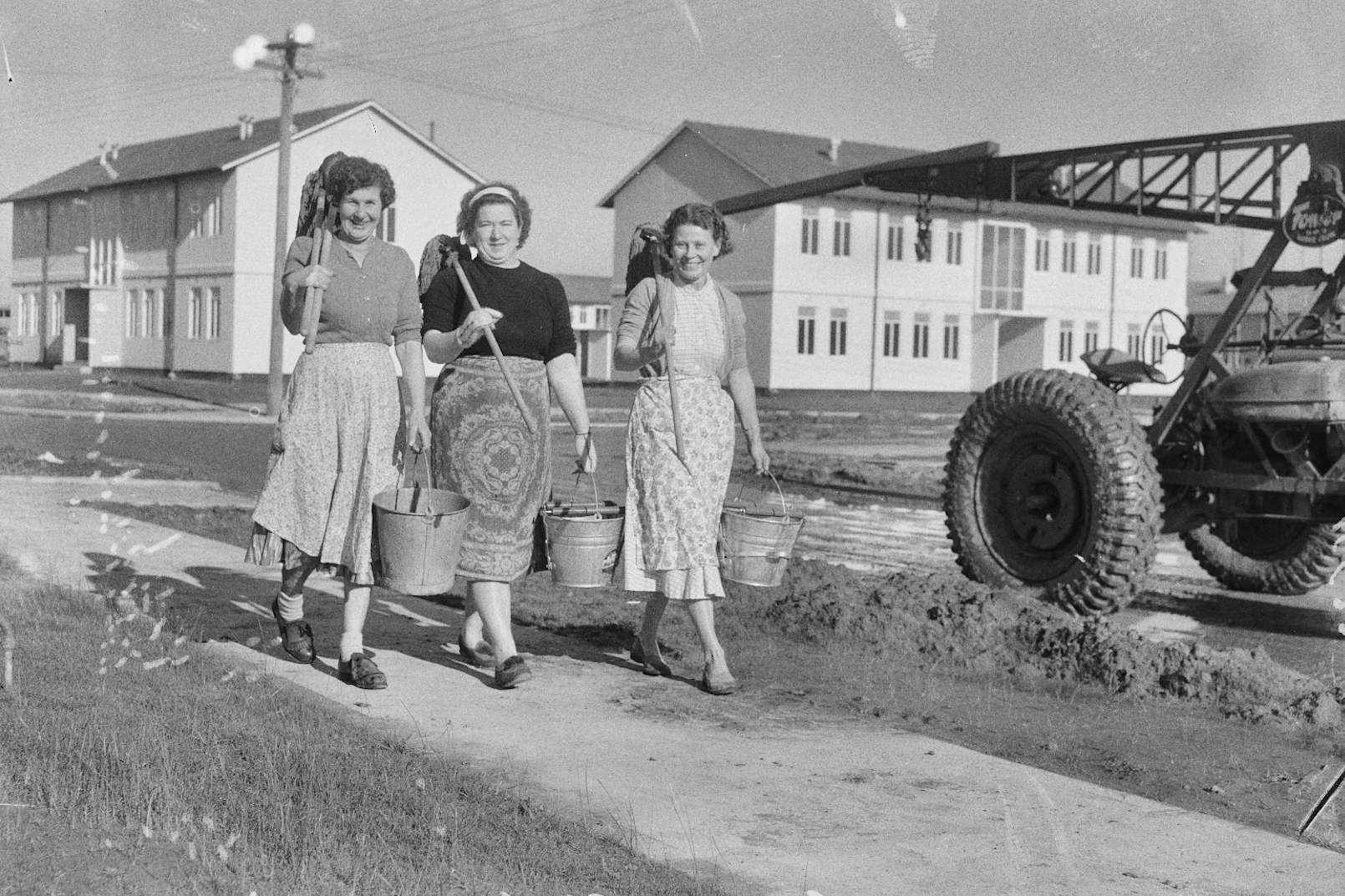
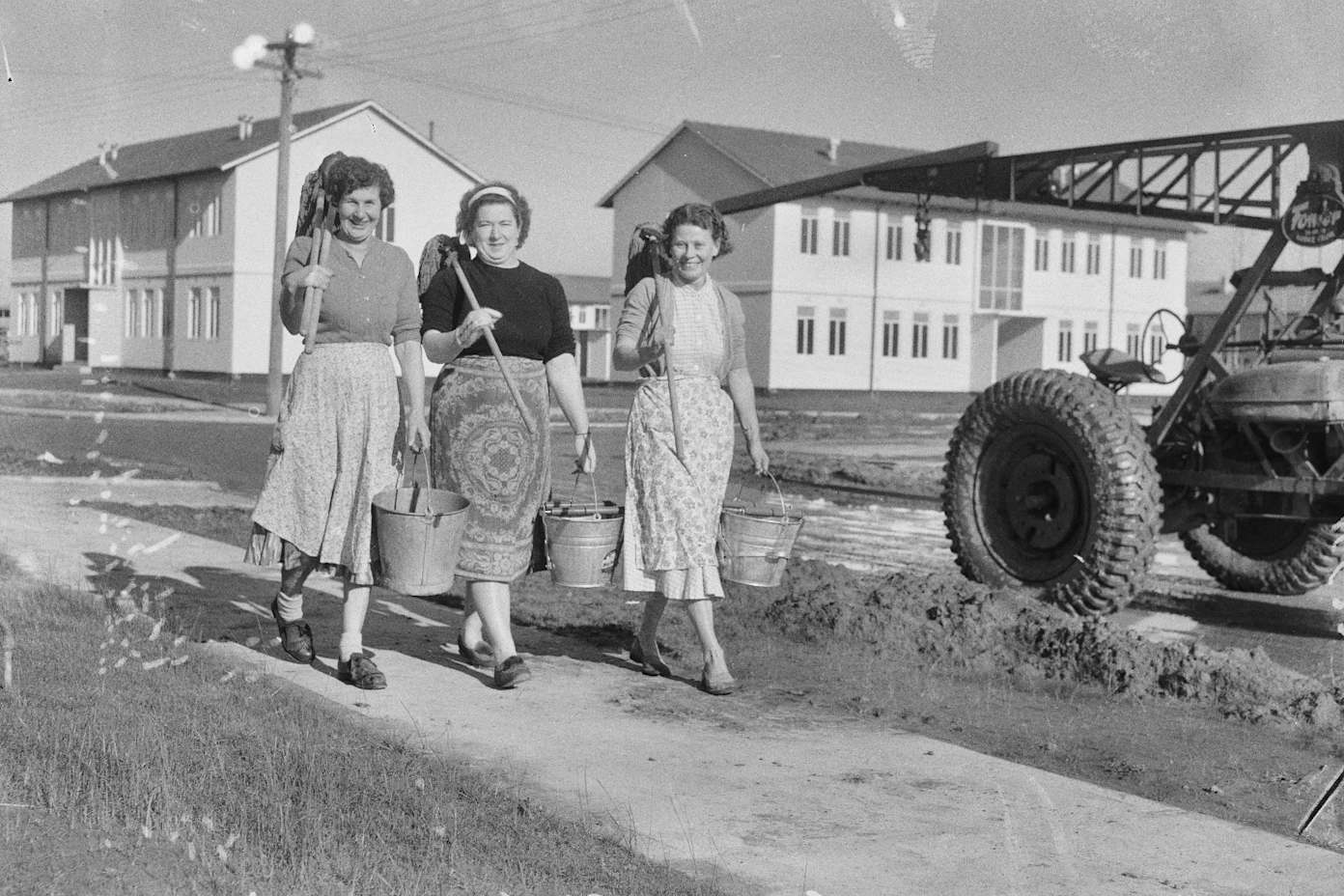
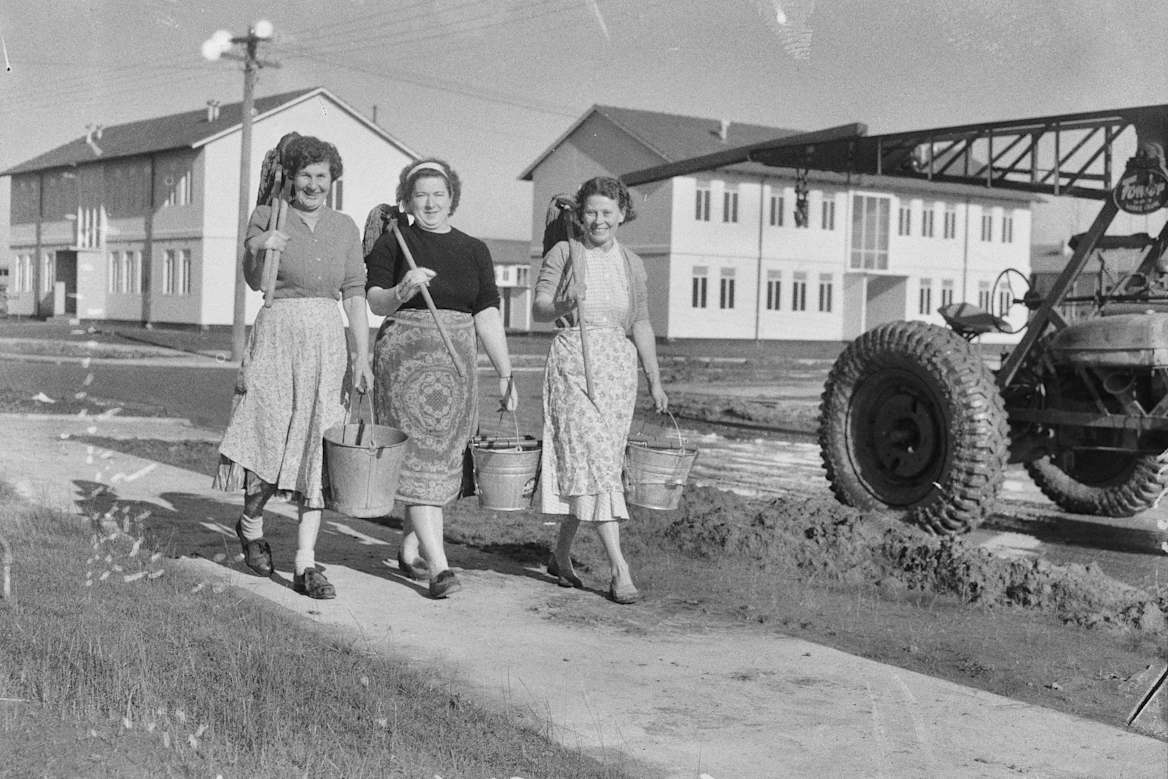
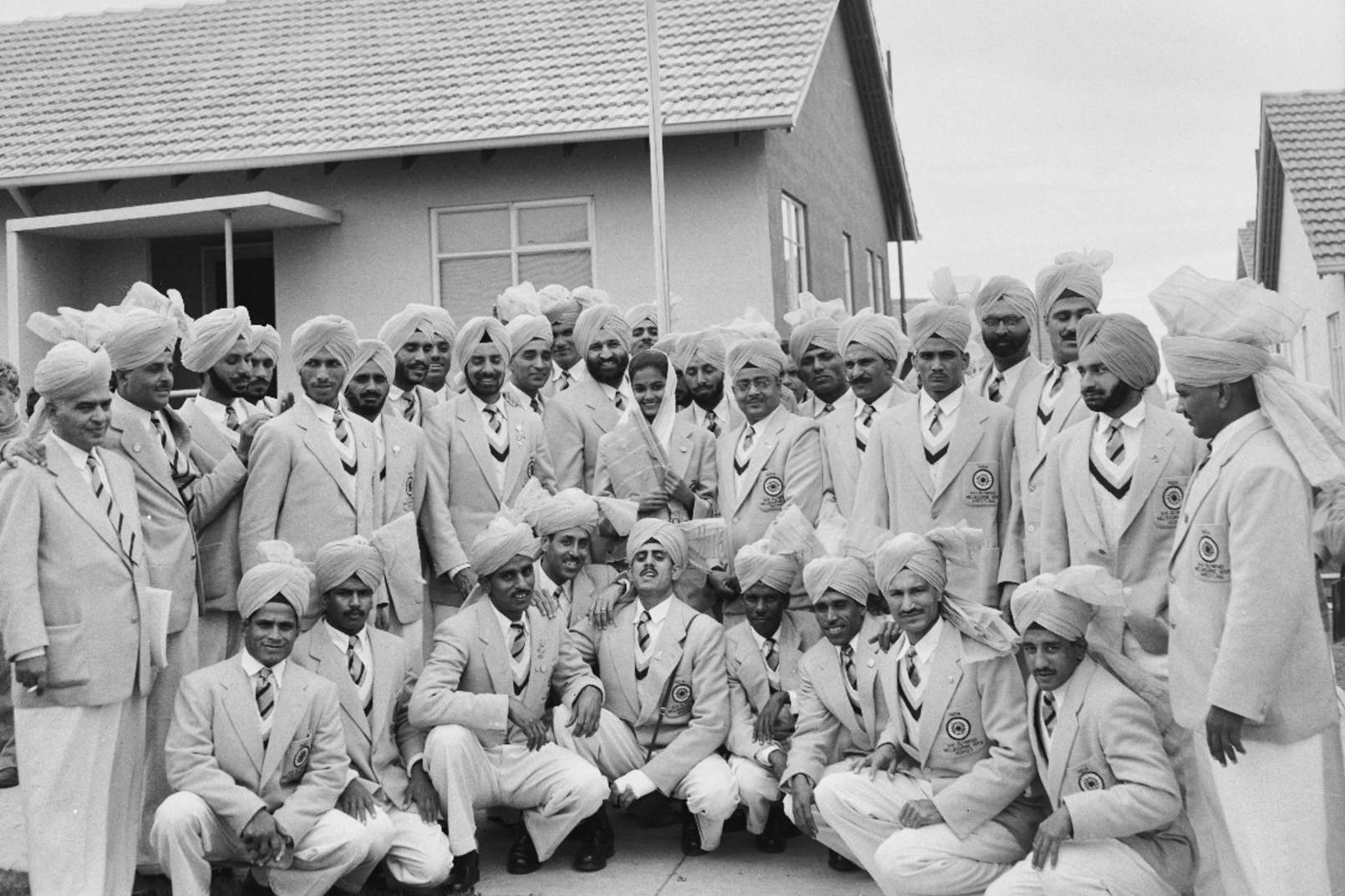
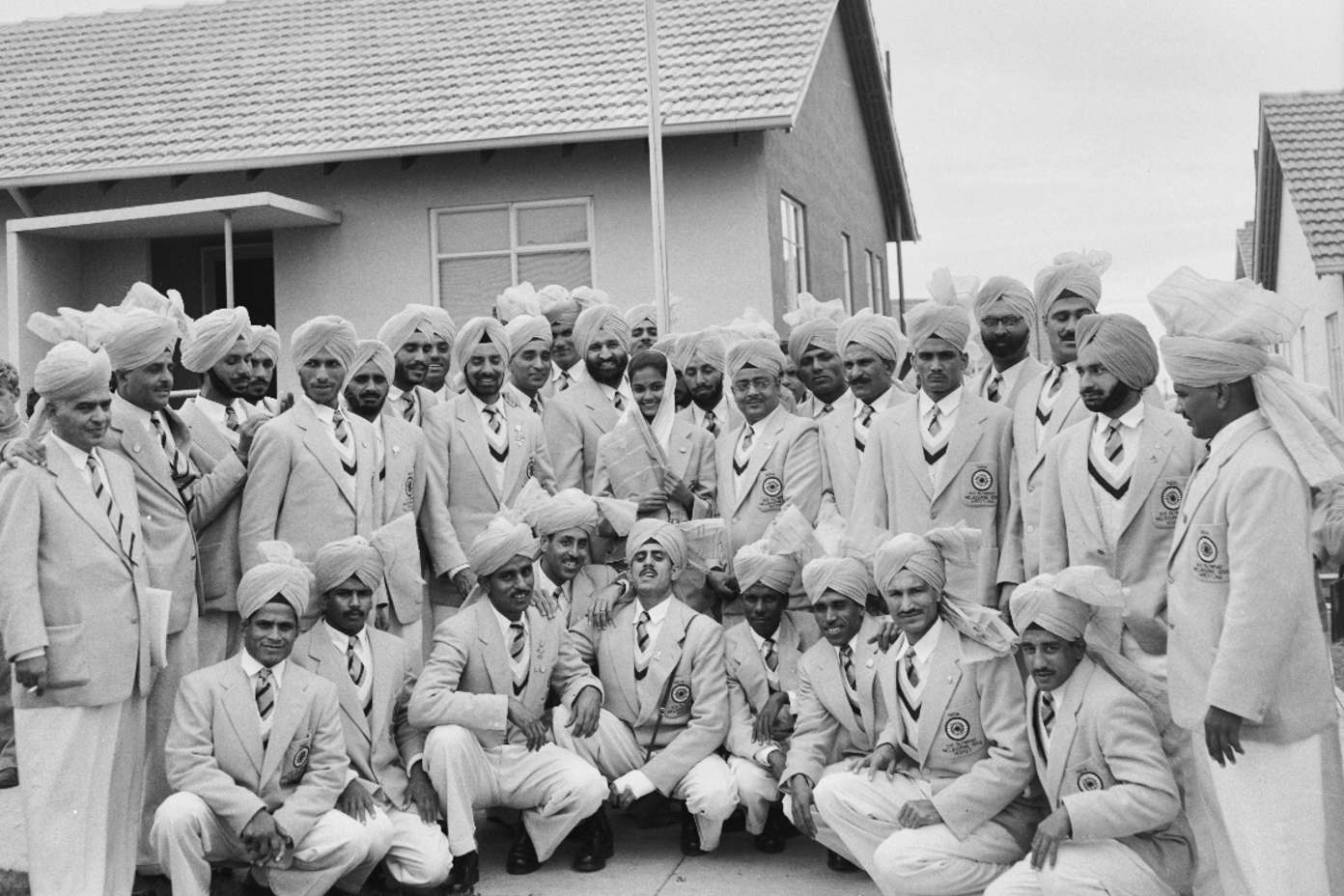
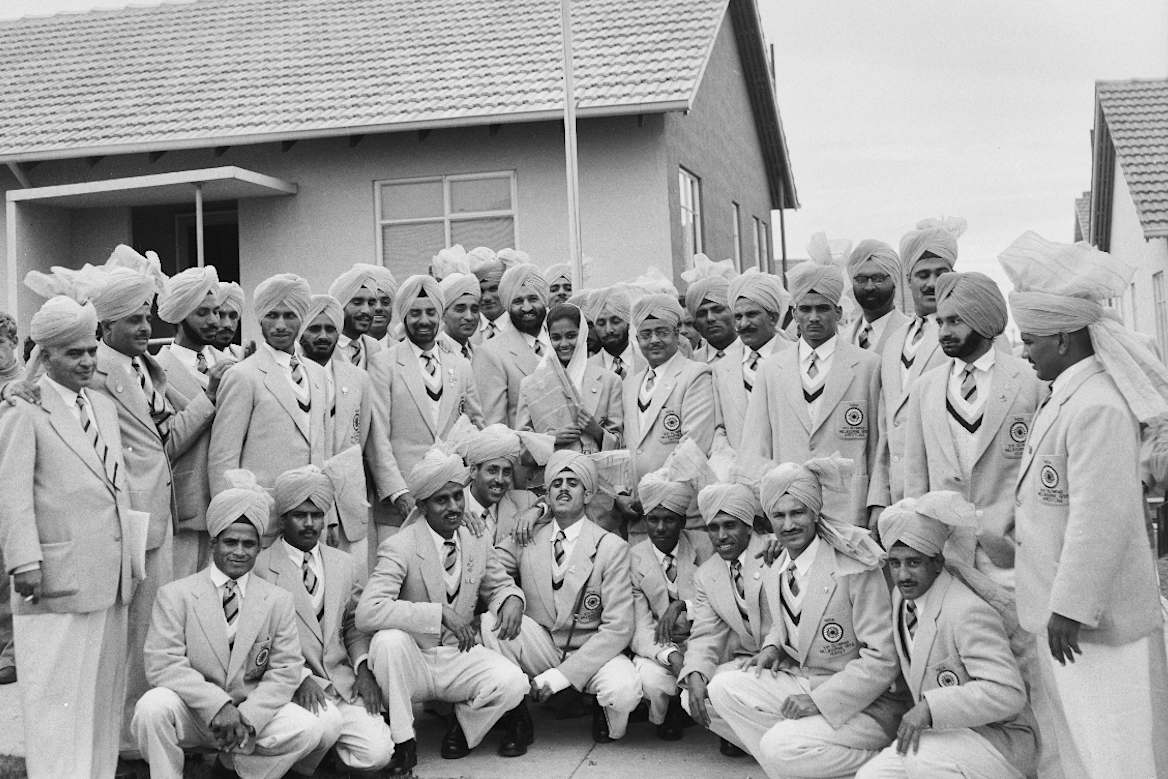
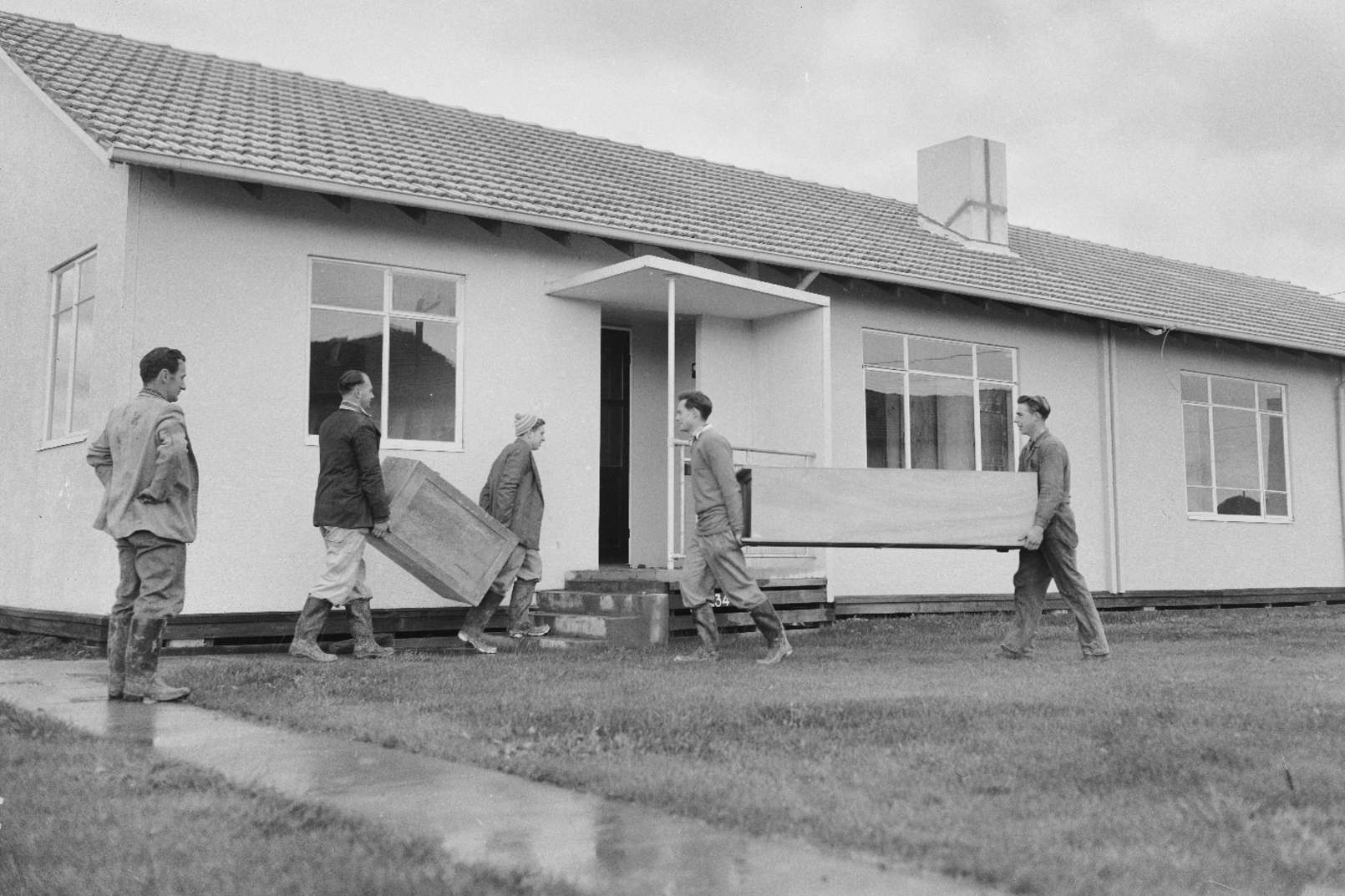
The volunteer Housewives Brigade (again, not a typo) was also created to help make 6000 beds and tidy the rooms in the athletes’ village in Heidelberg.
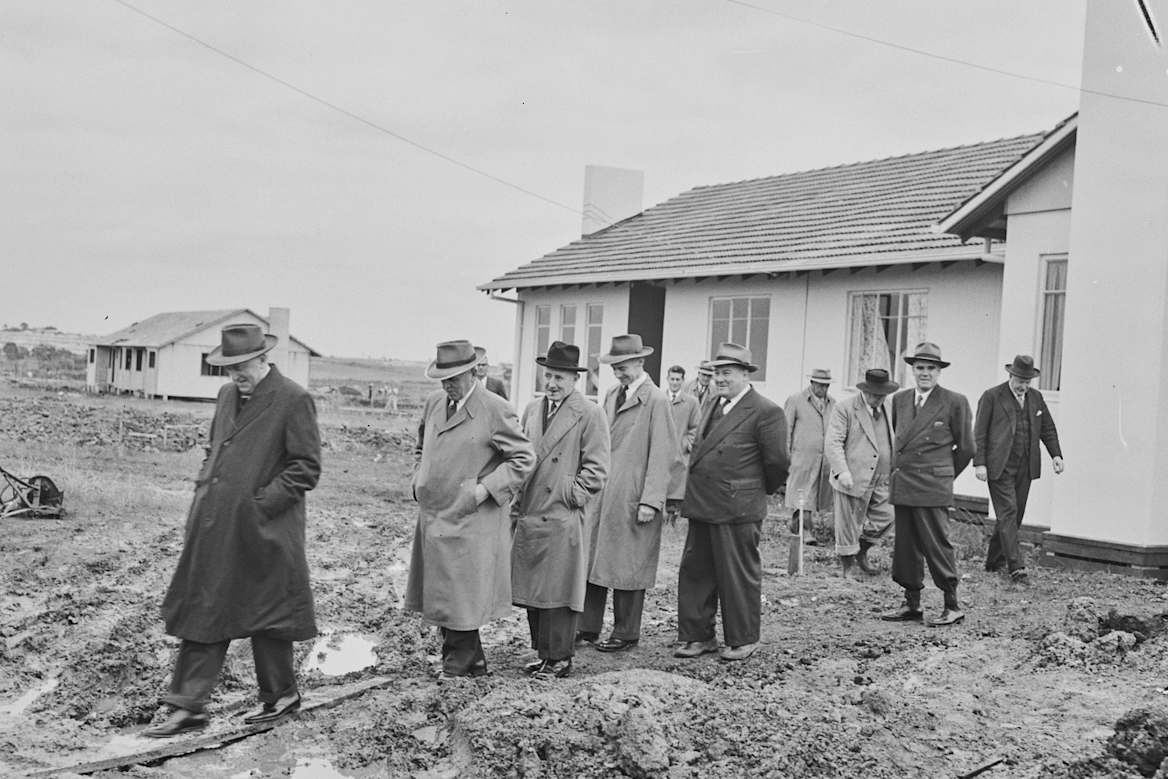
The organisers were further worried there would be too few hotel beds for visitors for the Olympics and the city would need to encourage households to be prepared to open their doors to foreign tourists. This was a discussion partly to assuage the fears of locals, but also to ascertain which houses might be suitable for visitors. At the time, a quarter of houses in Melbourne had no refrigerator, two-thirds no hot running water in the bathroom and most had outside toilets.
(As it turned out, the distance to travel and the price of flights meant few international visitors came for the Games other than the athletes and teams.)
Organisers had invited the world, but had precious little idea of what hosting an Olympics involved. Two months from the Games, they didn’t have enough cooks – certainly not enough people who knew how to cook the food the foreign visitors needed.
The White Australia Policy was still 10 years from being scrapped. The early influx of European migrants after World War II had begun to alter the vegetables seen in shops, but it had not yet shifted the regular evening meal far from chops and three veg. Roast lamb was as exotic as it got.
It was August, barely more than two months before athletes were due to arrive, and the Olympic Organising Committee had still had not hired “Asiatic cooks” to prepare appropriate food. At the last minute, 10 cooks arrived, provided by a shipping line. It was emblematic of the Games being hastily cobbled together.
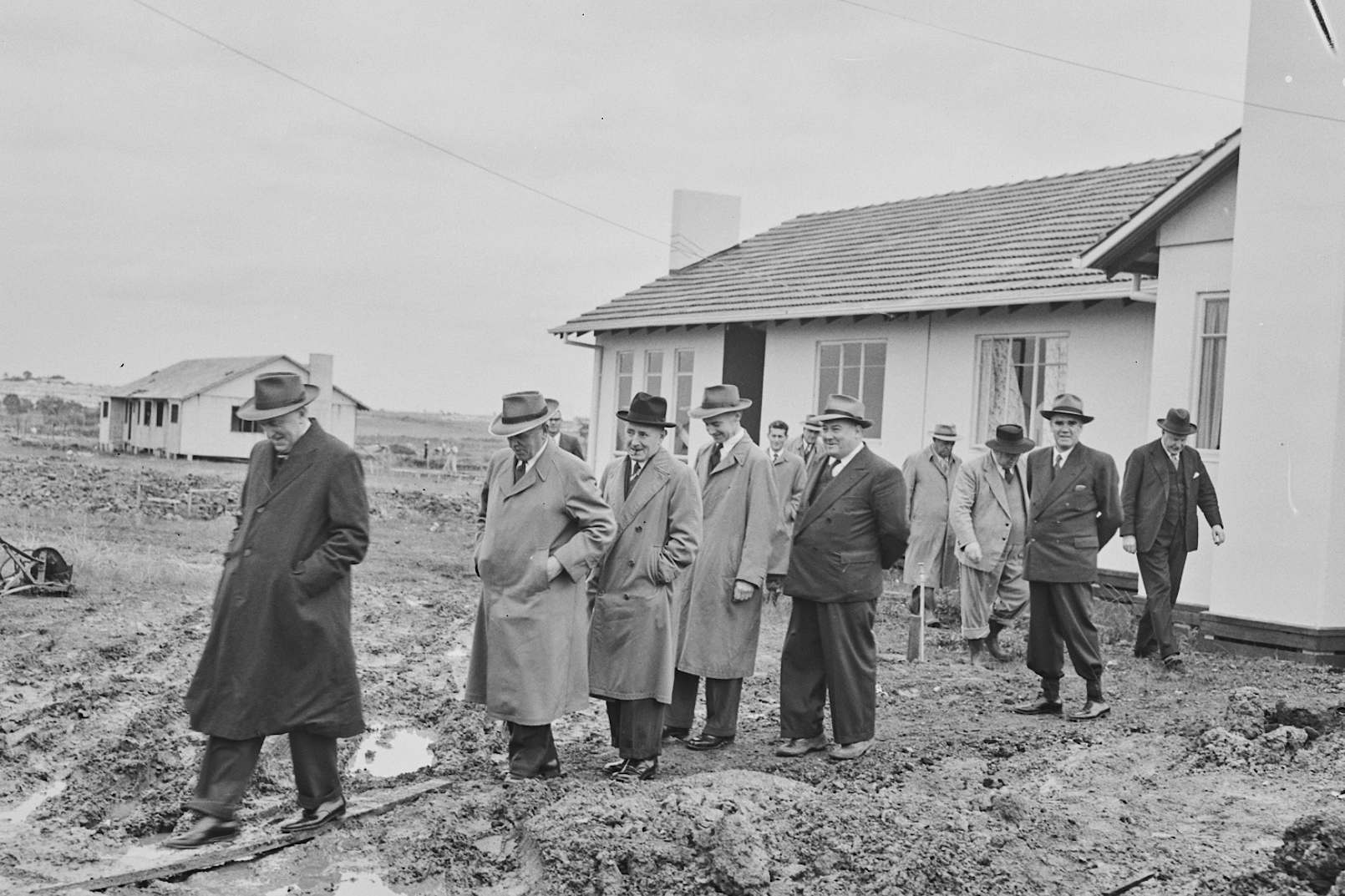
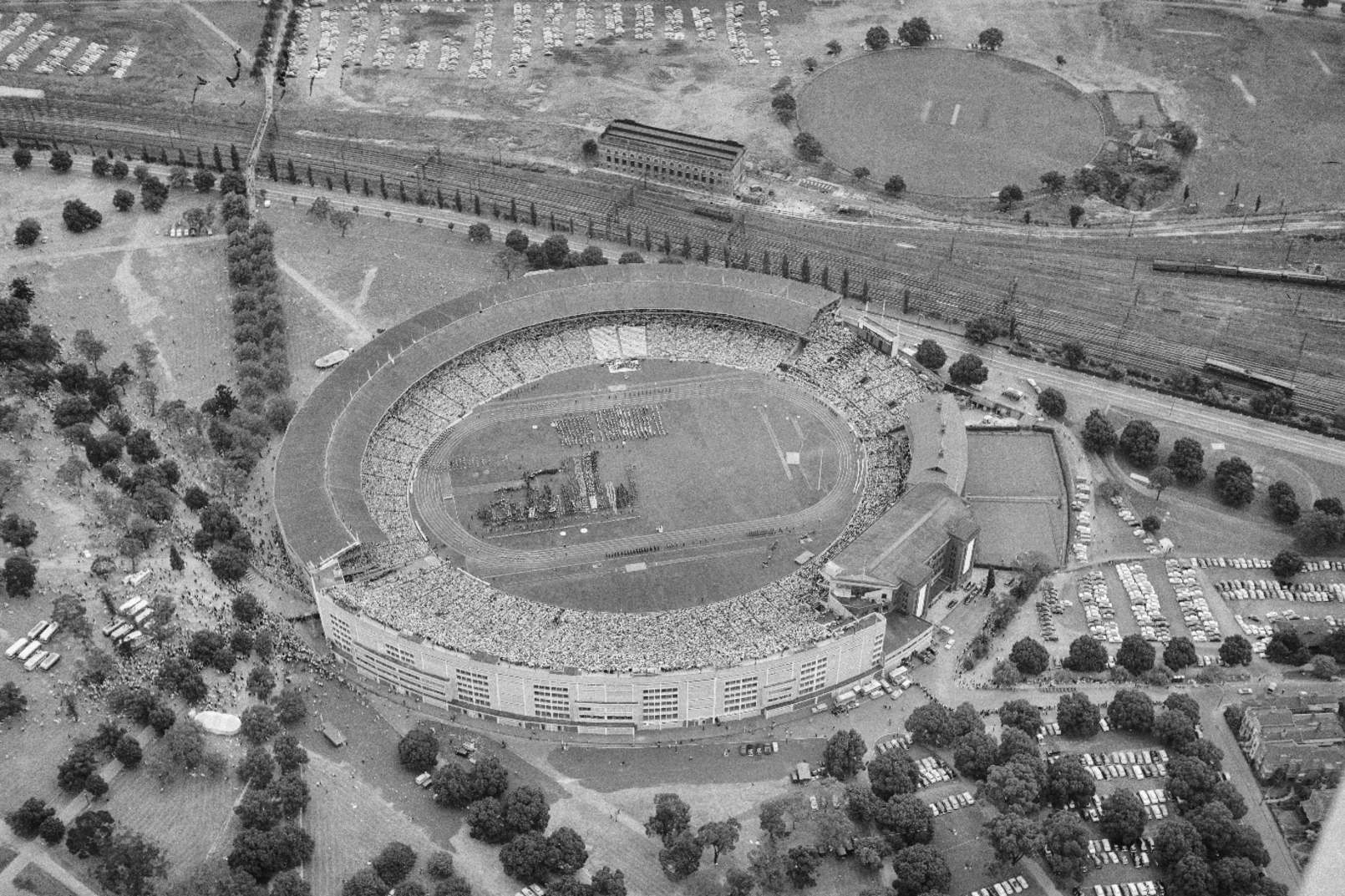
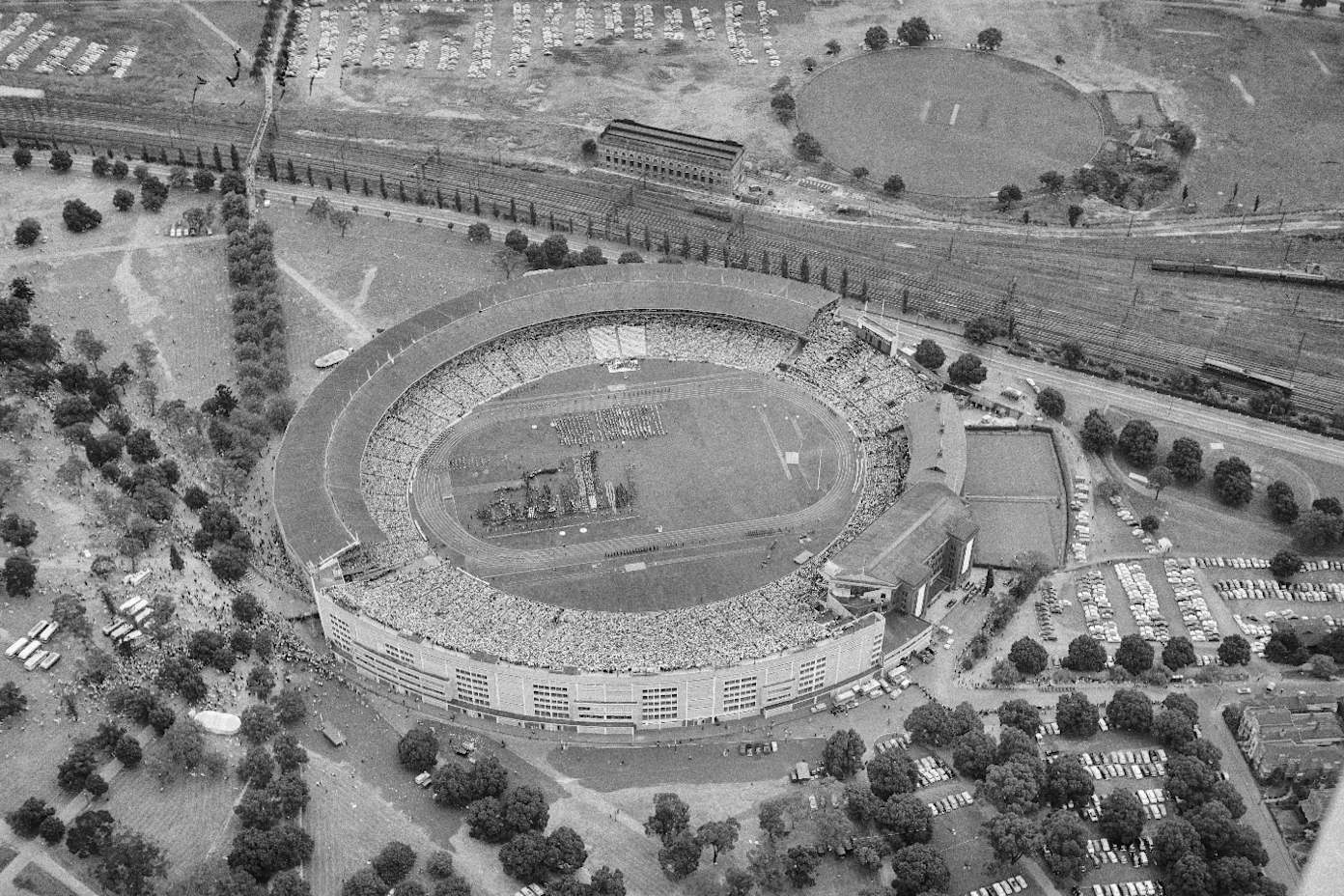
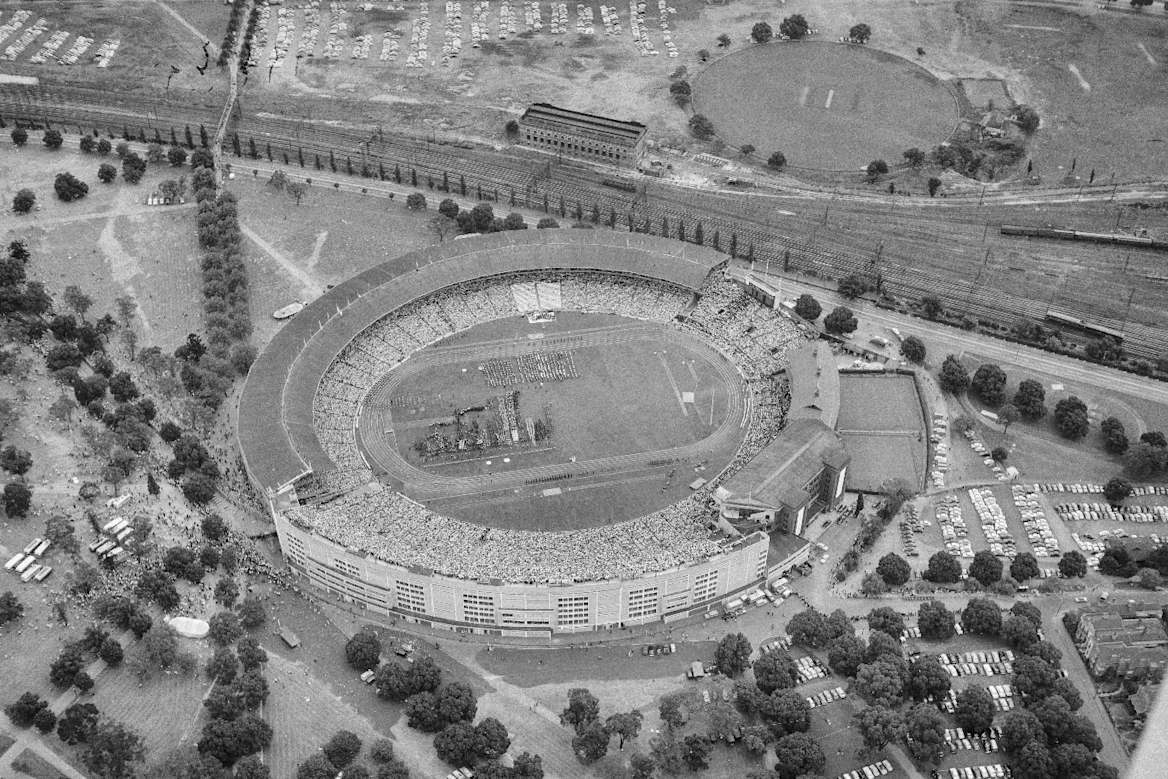
It was never certain the MCG would be the venue for the main stadium. There was discussion of the Showground, of St Kilda, and of building a 150,000-seat venue in Princes Park. Even Carlton’s No.1 ticket holder, prime minister Robert Menzies, saw the financial folly of that and agreed with Cain snr when he said it would be at the MCG or nowhere.
That still did not best please the Victorian Cricketers Association and the MCC, which were uncomfortable with ripping up the pitch where Donald Bradman had played. When they did rip it up and lay a track, it did not best please the visiting athletes. The cinder track was poor.
But they got a track built in time. They had found a way. As they did finding cooks. As they did getting the Olympic torch to Melbourne, buying local maps from Shell service stations along the way to navigate a route from Cairns.
As they did when the second-to-last torch relay runner was to enter Punt Road Oval to hand the torch to Ron Clarke – only to discover the gate padlocked (they had to shimmy through another turnstile). As they did cobbling together an equestrian event to be staged in Stockholm, Sweden, because quarantine laws would not allow the horses into Australia in time.
Historian and journalist Dr Nick Richardson, author of the excellent book 1956 , observed the city’s “naïveté was its greatest asset”.
Australia was barely more than 50 years from Federation when it invited the world to visit. Sport would be the enticement but also the vehicle to hesitantly seek the world’s approval for the fledgling city and federated country.
An Olympic arts festival was opened before the Games began. The Victorian governor, Sir Dallas Brooks, addressed the opening, saying: “Australia is only a young country and we are very proud of our achievements, but we are fully conscious of our shortcomings. So we hope you will find something to enjoy and admire in the exhibitions, and we all look forward to learning something from your friendly criticisms.”
The journalist A.A. Phillips had coined the term “cultural cringe” in a Meanjin article six years earlier. Perhaps Sir Dallas considered it advice, not criticism.
“There was an attitude that they knew what we were not, but they wanted the world to come and tell us we were OK,” Richardson said. “It was that desperate search for a pat on the head.”
The grasping need for international approval partly missed a shift already occurring in Australia. Ray Lawler’s Summer of the Seventeenth Doll was showing, though the cast had to be persuaded to perform with Australian accents and not affect their voices with grand English flourish.
It was for the Games that Barry Humphries debuted Edna Everage in an “Olympic Sketch”, turning a mocking mirror on suburban Australia. The arrival of TV in Australia also presented the housewife from Moonee Ponds to a national audience, lampooning the same cringe A.A. Phillips had chronicled.
It spoke to a larrikinism that was drawn out by the Games. As the convoy of Olympic torchbearers wended through the streets of Sydney, a university student called Barry Larkin – a surname deserving of an extra, silent R and I – dressed in the same long grey trousers, white shirt and green tie of the official relay runners, appeared on the streets with friends.
He was bearing a torch made from a plum pudding tin atop a chair leg and carrying a flame lit from three pairs of army-issue underpants soaked in kerosene.
The police duly provided him and his cohort of friends an escort. At the town hall, he handed the “torch” over to lord mayor Pat Hills, who began a short speech as silver paint from the chair leg flecked onto his hands. Alerted to the hoax, the unamused mayor chastised “our friends at the university who apparently think this is funny”. (Pat, it still is.) The real torch arrived minutes later.
Those who had been in Helsinki for the Games four years earlier recalled the excoriating critique of US journalist Tom Van Dycke in Variety magazine that the midnight sun was the height of entertainment in a city with no licensed cafes or bars and only government-controlled venues selling alcohol.
Even the Victorian government feared what would be made of the six o’clock swill. The pubs of the state closed at 6pm, creating the nightly rush to drink as many beers in as short a time as possible after work and before the pub doors closed.
NSW had extended opening hours to 10pm the year before and Victorian premier Henry Bolte held a referendum in early 1956 proposing the same change in time for the Olympics. It was voted down by 60 per cent of voters. Only six of the state’s 66 electoral zones voted in favour of change. The suburbs were not for turning, or for late drinking.
Normally, Australia was afflicted by the tyranny of distance. During the Olympics it offered a merciful distance from tyranny. But it was not untouched by it.
Eighteen days before a Rolls-Royce convertible carrying the Duke of Edinburgh purred onto the MCG to dispatch his highness to loftily open the Games, Soviet tanks rolled into Budapest.
Days later, the Chinese boycotted the Games in anger at the recognition of Taiwan. The Soviets came to Melbourne but stayed on board a ship, the Gruzia, moored in Port Phillip Bay.
It was only two years after the Petrov affair, and months after the Suez crisis, which prompted some countries to boycott the Games in protest. More countries boycotted in anger at the invasion of Hungary, though ironically, not the Hungarian team.
The Hungarian team did not learn of the Soviet invasion until they reached Darwin and read of it in the local newspapers. They resolved to remain and compete, and as it turned out, took their fight to the Soviets in the pool.
Internationally, the Melbourne Games are better remembered for the “blood in the water” water polo clash between the Soviets and Hungarians than for anything Dawn Fraser or Murray Rose achieved in the pool.
One of the greatest international sporting moments of the Olympics is barely a trivia question in Australia. Bobby Joe Morrow won the 100 metres, 200m and 4x100m gold. Only one man had done that before, American great Jesse Owens. Only two men have done it since, Carl Lewis and Usain Bolt. Yet few Australians remember the name Bobby Morrow.
They definitely know the name of Betty Cuthbert, who became the first Australian to win three Olympic golds when she matched what Morrow did and won the sprint treble, something only Dutchwoman Fanny Blankers-Koen had done before, eight years earlier.
They know Fraser and her three medals. And of course Rose and his two golds. Shirley Strickland and her two, Lorraine Crapp and her three. The numbers offer no justice to the performances. These are athletes whose names still hover over Australian sport, over world sport, as greats. For not only did they excel in a sporting arena, they excelled in a sporting arena in this newly federated country, hosting the world for the first time.
The sepia images are etched in our minds: Cuthbert, mouth open, screaming in pain and delight as she crossed the line; Fraser beaming and waving from the pool; Rose looking like he stepped from the pages of a Boys’ Own Annual.
They are as vivid as that of Ron Clarke, who is as remembered for falling and being helped by John Landy as for being the man who, like Cathy Freeman in 2000, carried the torch into the stadium to start the Games. (In fact, Clarke and Landy’s famous moment came not at these Games, though stories become conflated, but six months earlier at the Mile Championship, also in Melbourne.)
At the opening ceremony, Clarke, holding aloft a torch spitting embers of burning magnesium onto his arm, stood on a small podium and reached into the cauldron where uni students charged with timing the release of gas had become nervous and impatient and opened the valves too early. They nearly blew Clarke off the step.
These were Games the world remembers fondly. Against the backdrop of Cold War geopolitics, of a Soviet ship in Port Phillip Bay and blood in the water of the Olympic pool, these were regarded as the friendly Games.
These were the Games in which a 17-year-old student, John Ian Wing, penned a letter recommending athletes at the closing ceremony march not by country but intermingled as one as a sign of fraternity. The idea of sport transcending nationalism was adopted and has since become a coda for all Olympics.
For Melbourne, the Games were a sporting and cultural triumph.
“For me, it is the inflexion point,” Richardson said. “If there had not been a Melbourne Olympics in 1956, where would we have found a pivotal moment? Where would it have come from? It pulled together these threads of identity and assertion of character.”