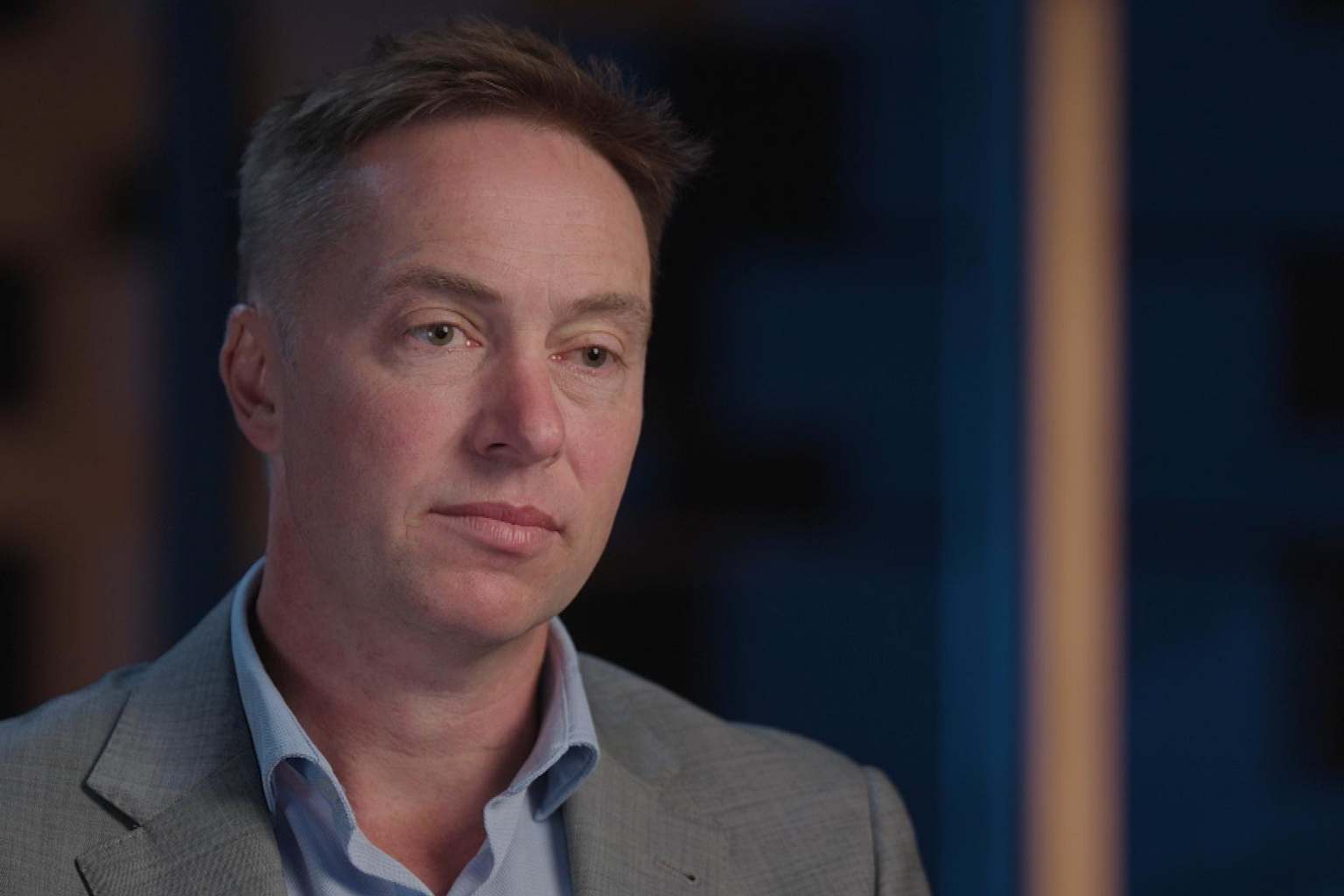
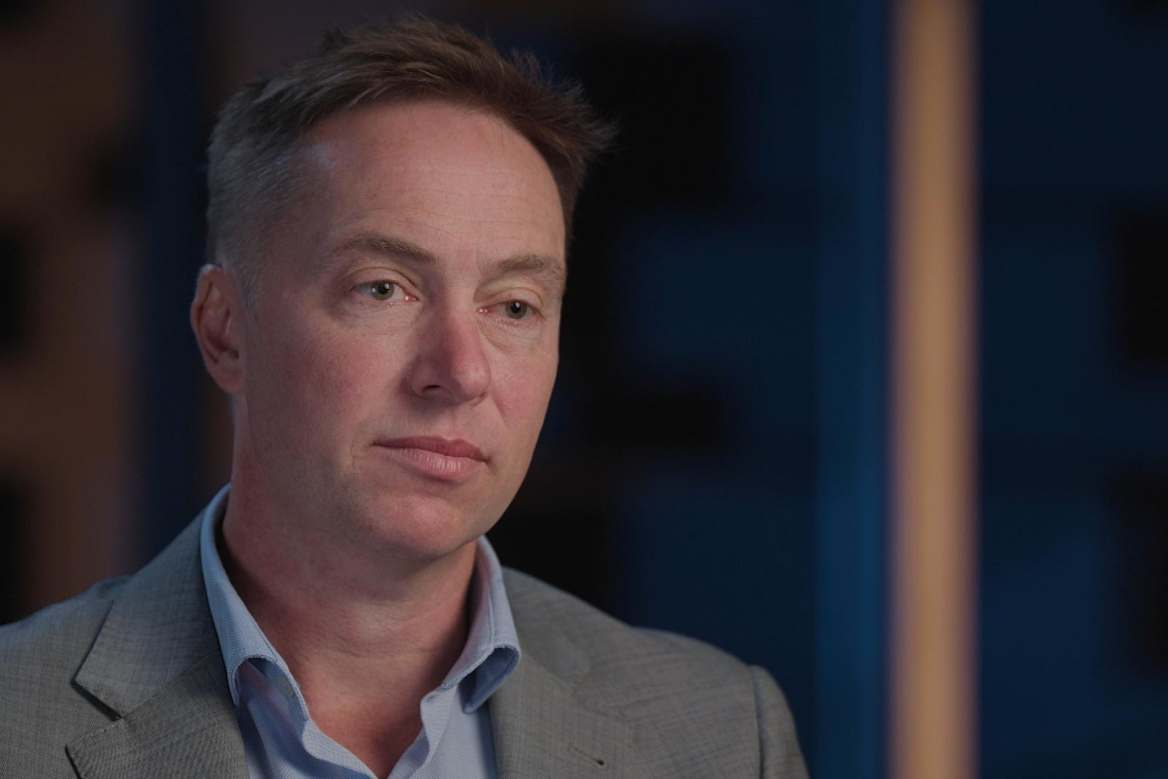
Australia’s spy chief has sounded the alarm on the nation’s burgeoning data centre and AI sector, warning it is exposed to foreign interference by nation states seeking to steal civilian or government data or covertly control critical infrastructure.
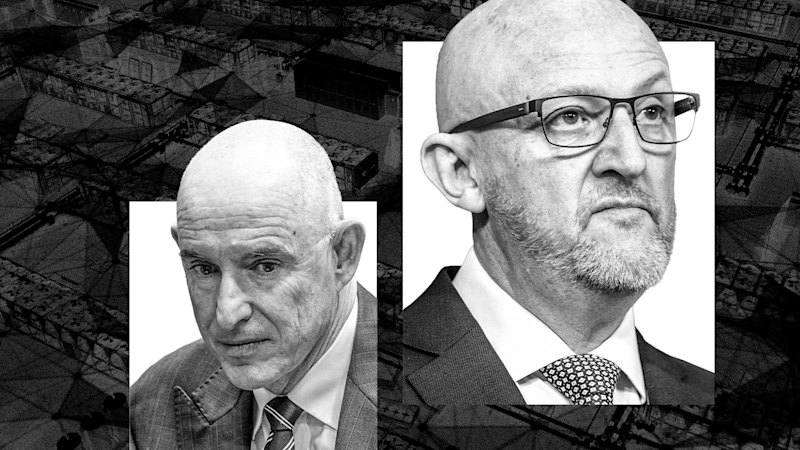
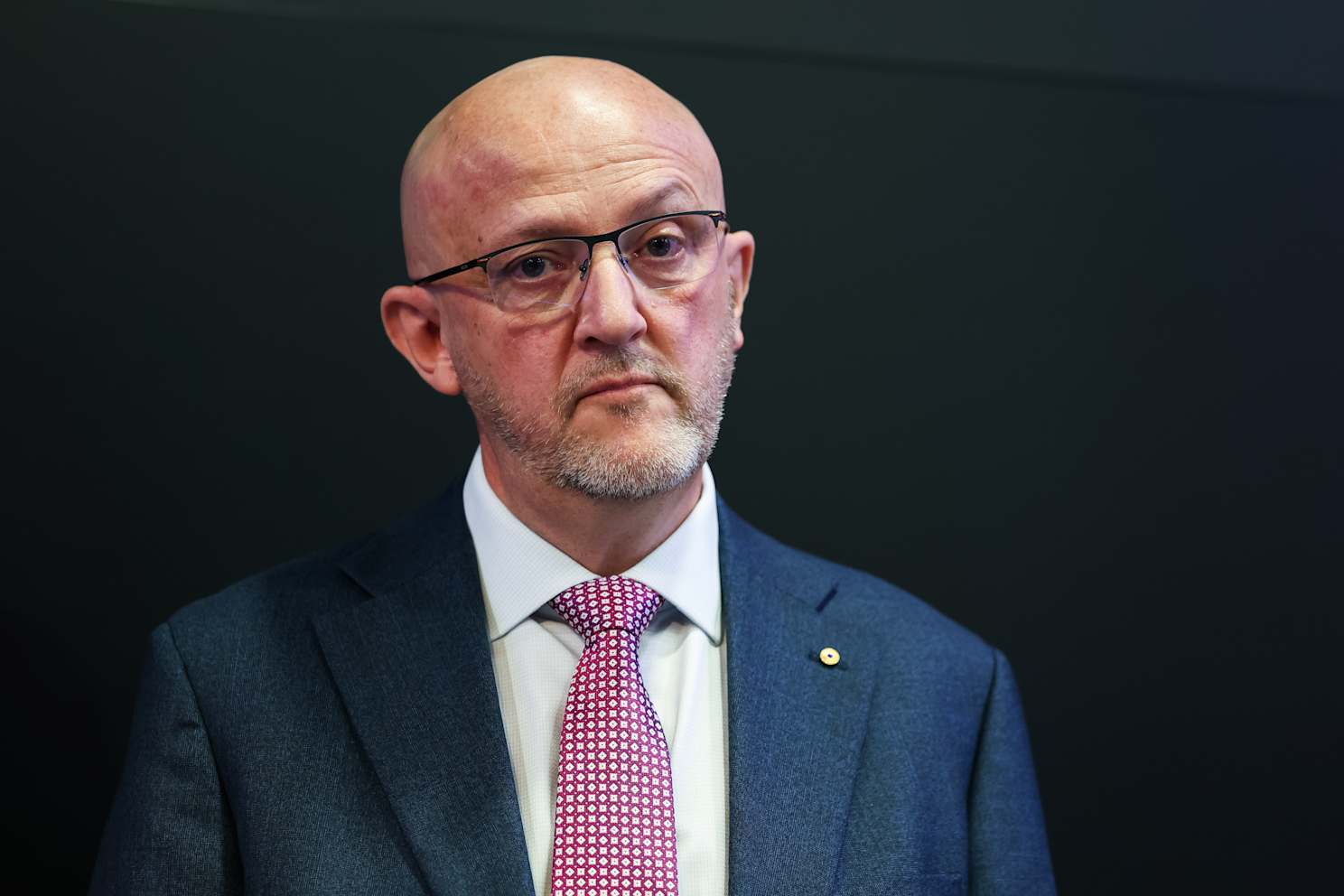
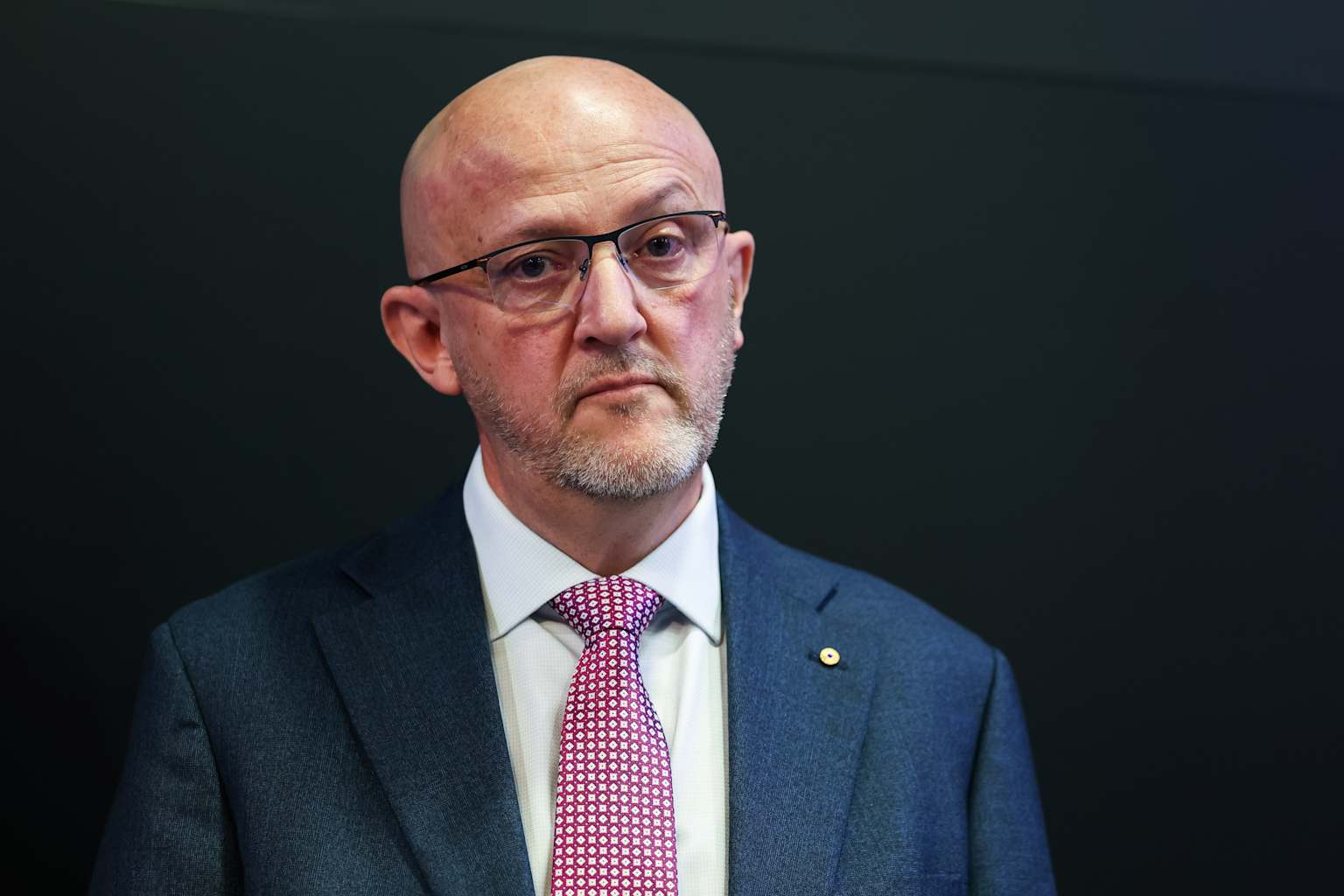
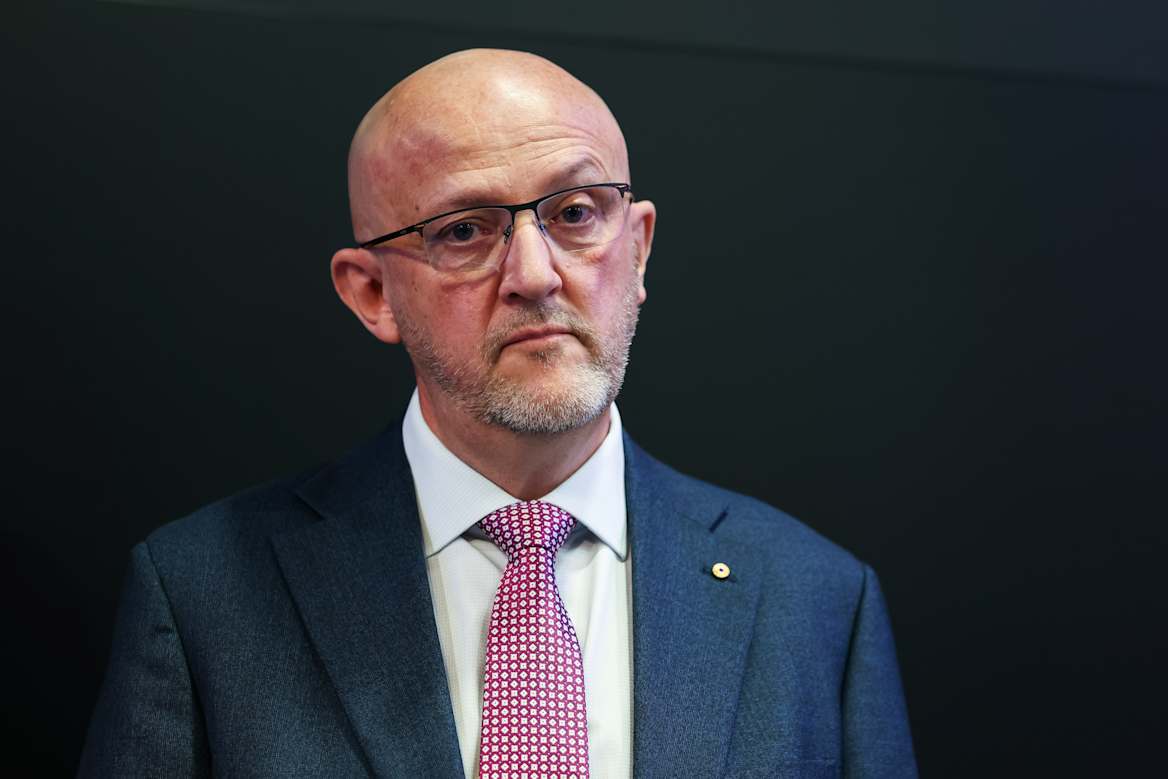
In an exclusive interview with this masthead and 60 Minutes as the sex and spy scandal involving Nvidia founder Jensen Huang continues to reverberate around the world, ASIO director general Mike Burgess described how “hot” AI and data centre industries are “equal hype, opportunity and threat”.
His warning comes as integrity watchdog Transparency International Australia released a new report cataloguing the explosion in political lobbying activities aimed at helping data centres navigate the regulatory and political controls that state and federal governments are placing on the industry.
This masthead has also interviewed an Australian businessman about the involvement of the former federal minister responsible for data centre policy, Stuart Robert, in a Canberra data centre deal and in which he claims Roberts stood to earn at least $5 million.
While much of the focus in Australia on the AI and data centre boom has been on its economic , energy , copyright and environmental impacts, Burgess highlighted the risk that malicious foreign state actors posed amidst a boom in companies seeking to invest in, supply, build or run data centres.
“It will have great opportunity and there’s a downside… and by that, I mean if we don’t understand who the owner is or there’s foreign money and actually it’s not declared where that money’s coming from,” he said.
Burgess also has deep experience in the tech sector, having previously led the Australian Signals Directorate and worked as Telstra’s chief information security officer. He said a foreign adversary would potentially seek to influence an Australian data centre “for a number of reasons”.
“They’re looking to invest in data centres in where they think they may not be welcome. It could actually be they’re looking to have some form of ownership control over that infrastructure, which they could then use for nefarious reasons, which gives them physical access or virtual access to the technology or the information inside that data centre. And that would not be in our national interest if that was done covertly.”
The warning from the Australian spy chief comes days after US firm Nvidia revealed that its quarterly sales of the computer chips needed in data centres to power AI had topped $100 billion.
The company also said it would not welcome back former CEO and founder Jensen Huang, who sensationally resigned after it was revealed that he had two affairs , including one with a suspected Chinese spy .
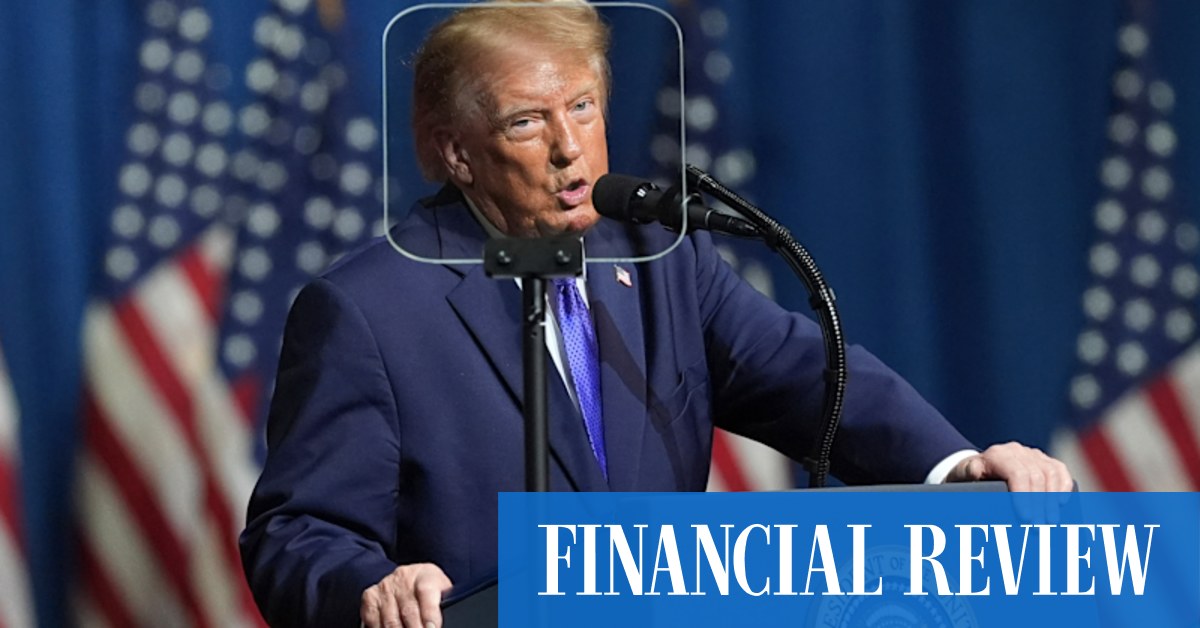
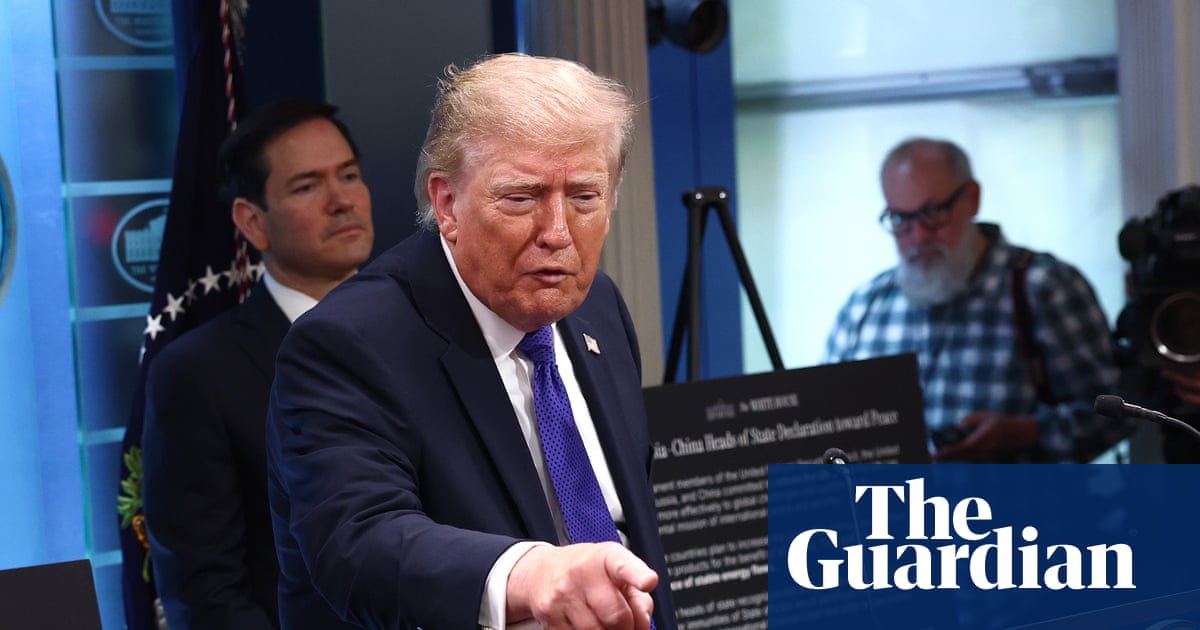
Nvidia’s success producing high-tech chips has helped the US lead China in the AI race, although the scandal involving Huang – who counted US President Donald Trump as a key supporter – highlights the risks in the AI and data centre industries posed by the intersection of corporate, economic and national security interests.
The scandal has also compounded investor uncertainty in the US, where the share market suffered its worst week in more than a year, despite the record-breaking IPO of AI giant Anthropic.
In Australia, Transparency International has released a new report detailing how, in the past three years, executives from 10 major data centre companies operating in Australia met 119 times with premiers, treasurers and ministers in NSW, Victoria, Tasmania, Queensland and ACT.
Those same companies have engaged at least 64 lobbyists – of which 29 are former ministers – to influence policy, provide advice and help pay at least $3.4 million to political parties and industry associations.
TIA chief executive Clancy Moore described data centres as “a new gold rush”, noting Australia is second only to the US in terms of data centre investment globally .
“We are seeing politicians become lobbyists and without proper safeguards, we are going to see the rules being rigged, we are going to see eroding a public trust, and potentially communities miss out on any benefit from these data centres,” he said.
An investigation by this masthead can also reveal Australia’s former assistance defence minister and ex-minister for digital transformation, Stuart Robert, was chasing a multi-million dollar pay day as part of a plan to build a defence data centre in Canberra.
Two years ago, this masthead first reported that the controversial former Coalition frontbencher was leveraging his work as Australia’s inaugural digital minister as part of a $500 million venture to build a giant data centre to store defence secrets and other sensitive government information.
Leaked documents revealed that Robert has spruiked his ministerial stewardship of Australia’s data onshoring policy to help him negotiate a private business proposal for a data centre on private land owned by an ex-Defence official next door to the HMAS Harman military base in Canberra.
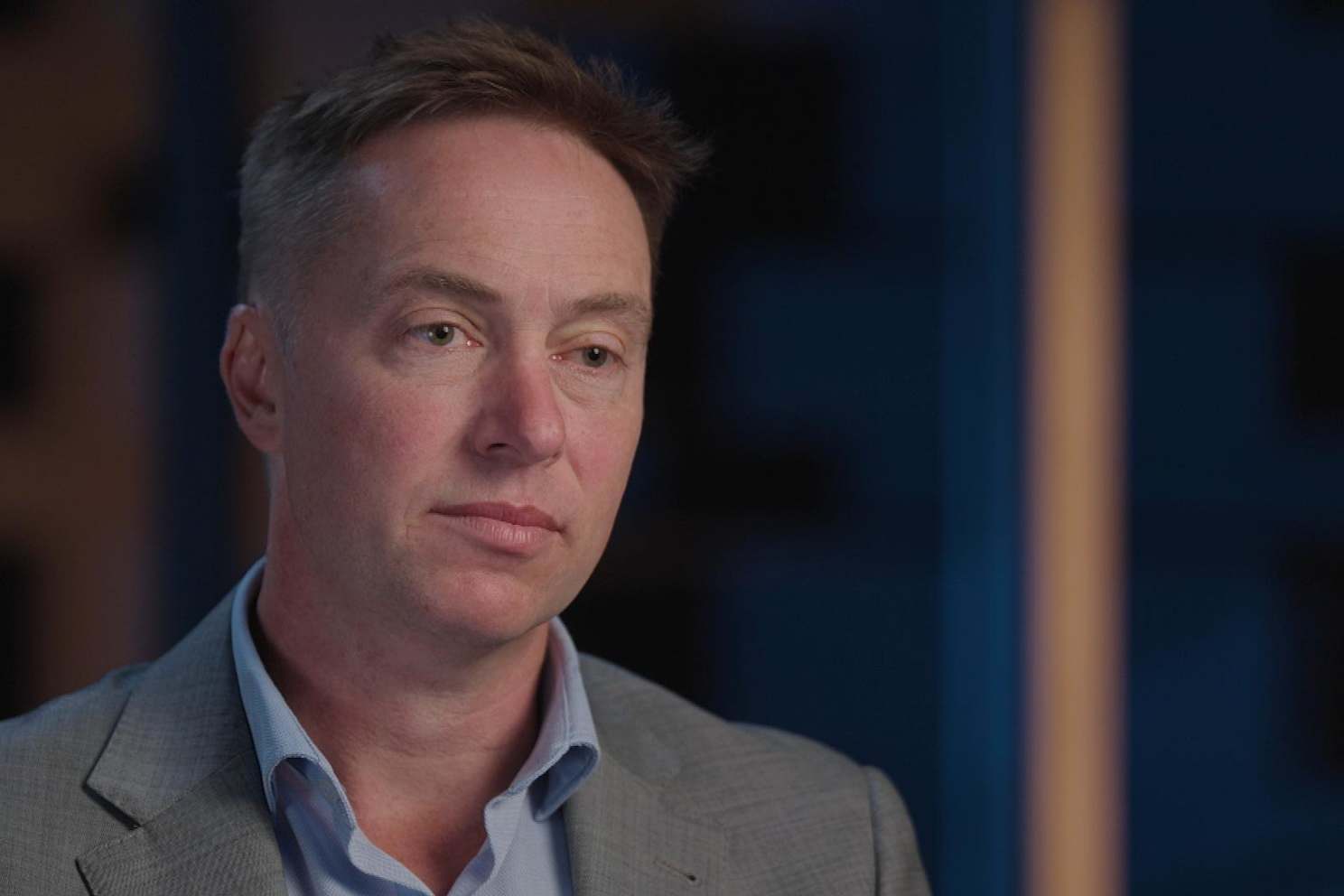
A former player in the Canberra data centre venture, businessman Alex Anderson, has now revealed that Robert would have earned more than $5 million from the proposed mega-data centre venture that could have generated billions of dollars in revenue.
Anderson said a company he was associated with agreed to do a deal with a business group involving Robert and two other former coalition figures because of the contacts and knowledge Robert had acquired as minister.
Robert “understands the policies, he understands the players in the market, so one would think he’d be able to put a deal like this together,” said Anderson.
He also said the ex-minister had spruiked his experience setting up Australia’s data centre policy settings when he was introduced to the data centre deal.
While there is nothing unlawful with a former minister working in a private capacity in a sector they helped shape as minister, Moore said Robert’s dealings nevertheless raised ethical and conflict-of-interest questions about whether the former politician was profiting from privileged information and connections he had gained while serving the Australian public.
The Canberra data centre firm that Anderson was once involved in has since collapsed and the proposed development has stalled.
He has alleged that liquidators took control of his firm because of the conduct of lenders.
Robert, who has previously denied wrongdoing, was Australia’s first digital transformation minister, a post he held from 2018 to May 2022, and was previously assistant defence minister.
It is not suggested Robert developed any policy as minister with an eye to his future, only that since leaving politics he has sought to profit from that that work.
For more watch 60 Minutes on Sunday, 7pm.
You have reached your maximum number of saved items.
Remove items from your saved list to add more.
You've used all of your gift articles. 3 more will become available on the 1st of every month.