E bola is terrifying: I know, because I lived through the world’s worst outbreak of the disease . That was in west Africa between 2013 and 2016, when anyone infected by the virus had a nearly 40% chance of dying .
There were 28,600 cases and 11,300 deaths then. Now a rare strain of Ebola is spreading in the eastern Democratic Republic of the Congo, much more quickly than a decade ago in Sierra Leone, Liberia and neighbouring countries. It is the 17th outbreak in DR Congo and already its worst, with more than 5,000 deaths . The UN is warning that the spread of the disease is outstripping the response, and it is widely expected to become the worst Ebola outbreak in history. There is no proven vaccine or treatment yet for the Bundibugyo variant; almost 50% of those infected have died .
The crisis in DR Congo is following a familiar pattern, beginning with the delay in recognising the appearance of the disease, partly because it is in an area scarred by conflict, which in turn accelerates its spread and heightens suspicion, even violence, towards those trying to intervene.
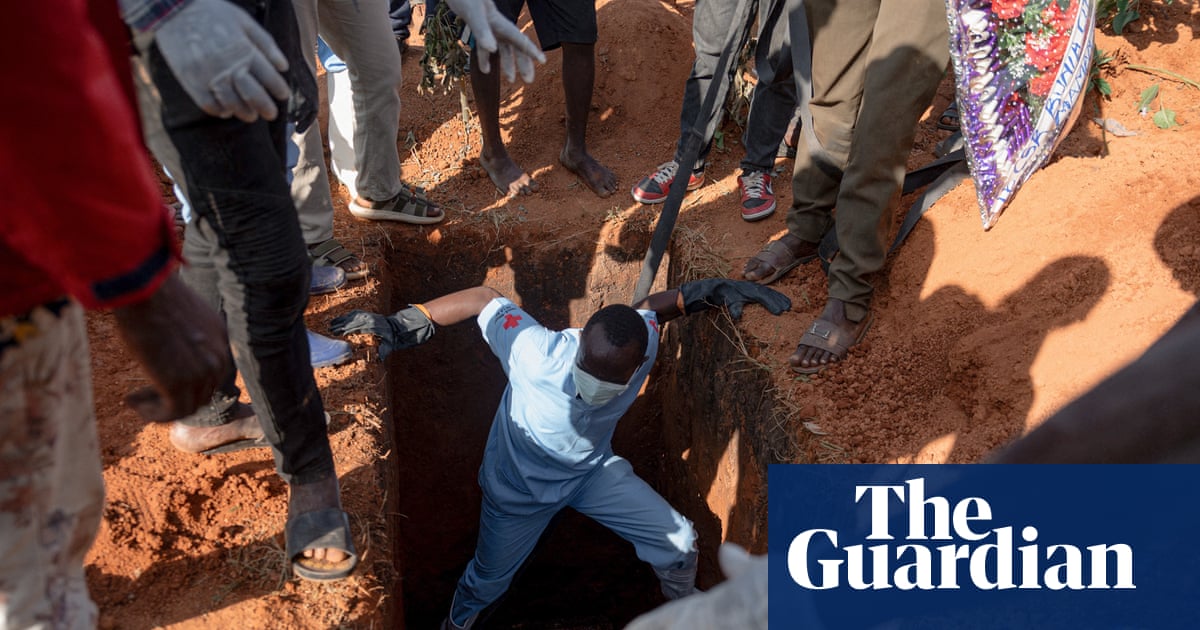
In west Africa 13 years ago, nobody knew how to handle a disease they had never seen before. Touching the body of a victim, even after death, risks infection, so burial without proper protection endangers all those present. But the arrival of anonymous burial teams, swathed in protective gear that made them look like space aliens or evil spirits, and taking away the dead to be buried no one knew where – often in unmarked graves in the early stages – was equally disastrous.
Instead of seeking treatment for victims, families kept them at home and buried them secretly when they died, making it impossible to contain the spread of the disease. It was clear that age-old burial customs had to change, but people weren’t listening to directives from remote officialdom. It took members of their own communities, whom they knew and trusted, to change minds.
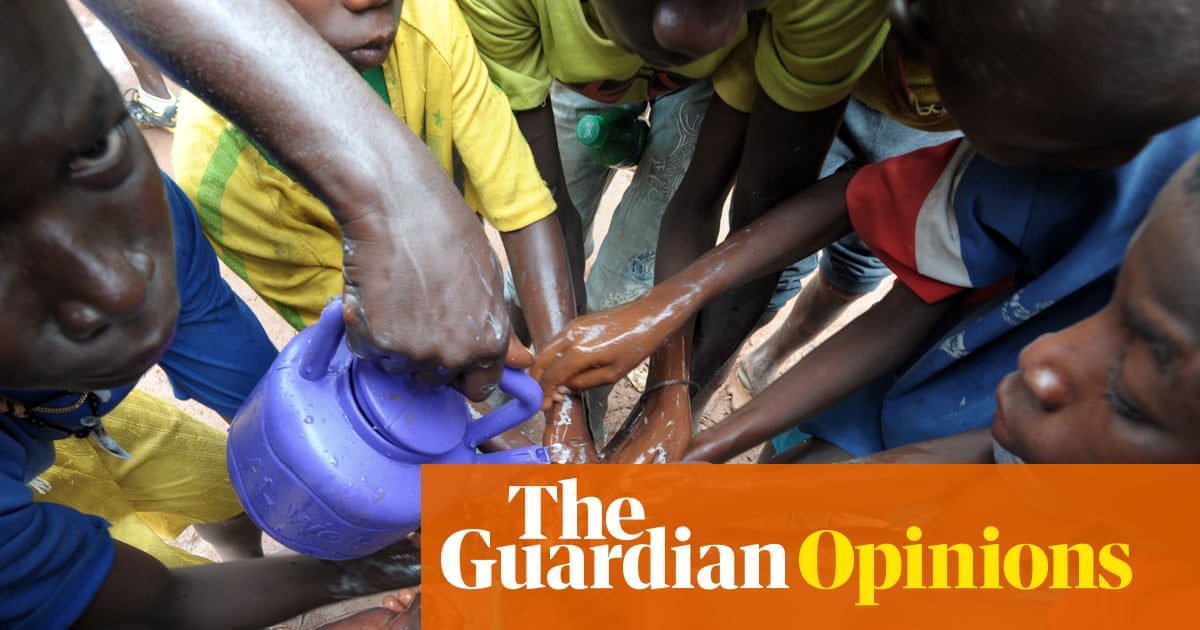
Those people were local faith leaders – priests, imams and traditional healers. As the then country director in Sierra Leone and Liberia for Cafod, the Catholic charity, I observed priests finding verses in the Bible and imams doing the same in the Qur’an to persuade people to change their habits in the face of this devastating disease. They succeeded where others had failed to gain a hearing, and played a crucial role in getting the outbreak under control.
Living in Sierra Leone at the time with my wife and two daughters, we all suffered the wider effects of Ebola . Part of my work was to go into the field to manage burial teams, train volunteers, and provide equipment for protection and decontamination. I feared for my own life. When I got home, I would have to tell the girls not to come near me until I had bathed and changed all my clothing. At one point I feared I had caught the disease. It was four days of terror, during which I had to tell my family to keep away from me.
I know what those tackling the outbreak in eastern DR Congo are facing. There have been attacks on clinics and burial teams, and those suffering this violence often find that they are feared and shunned by their own relatives and neighbours.
But the main reason for the virulence of this surge in Ebola is the drastic cut in aid between the last decade and this one.
Not only is the response to the outbreak falling behind, the funding gap is widening. Medical institutions and charities are racing to build, staff and equip treatment and isolation centres, but the UN warns that it could take up to 12 months to bring this latest surge in Ebola to an end – if the money is there.
The lesson of west Africa, however, is that faith-based organisations have a role to play. Tackling Ebola is not just a medical problem.