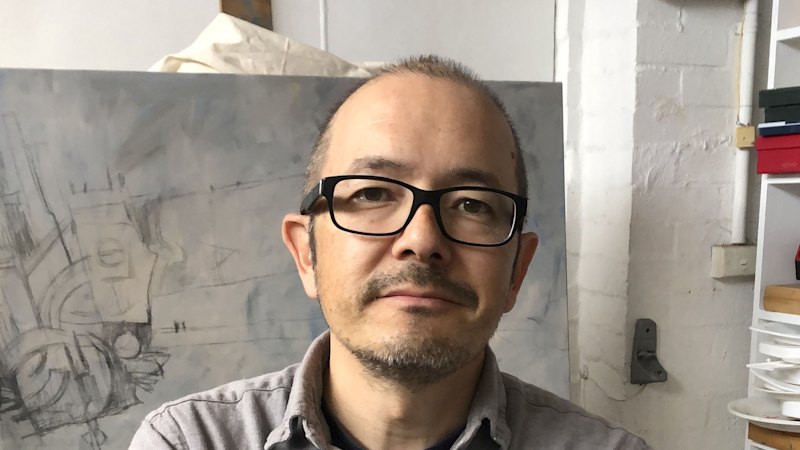
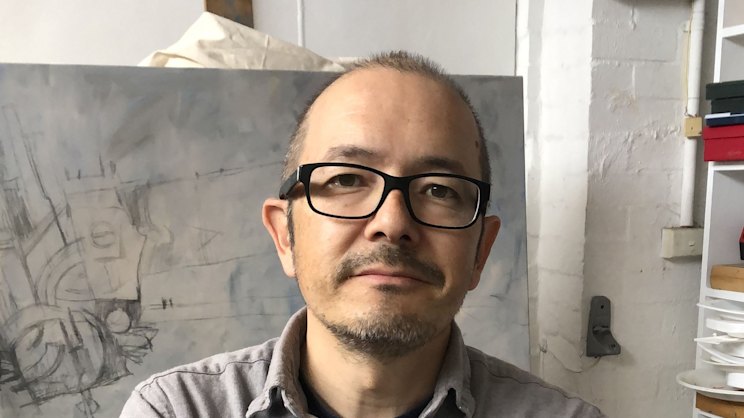
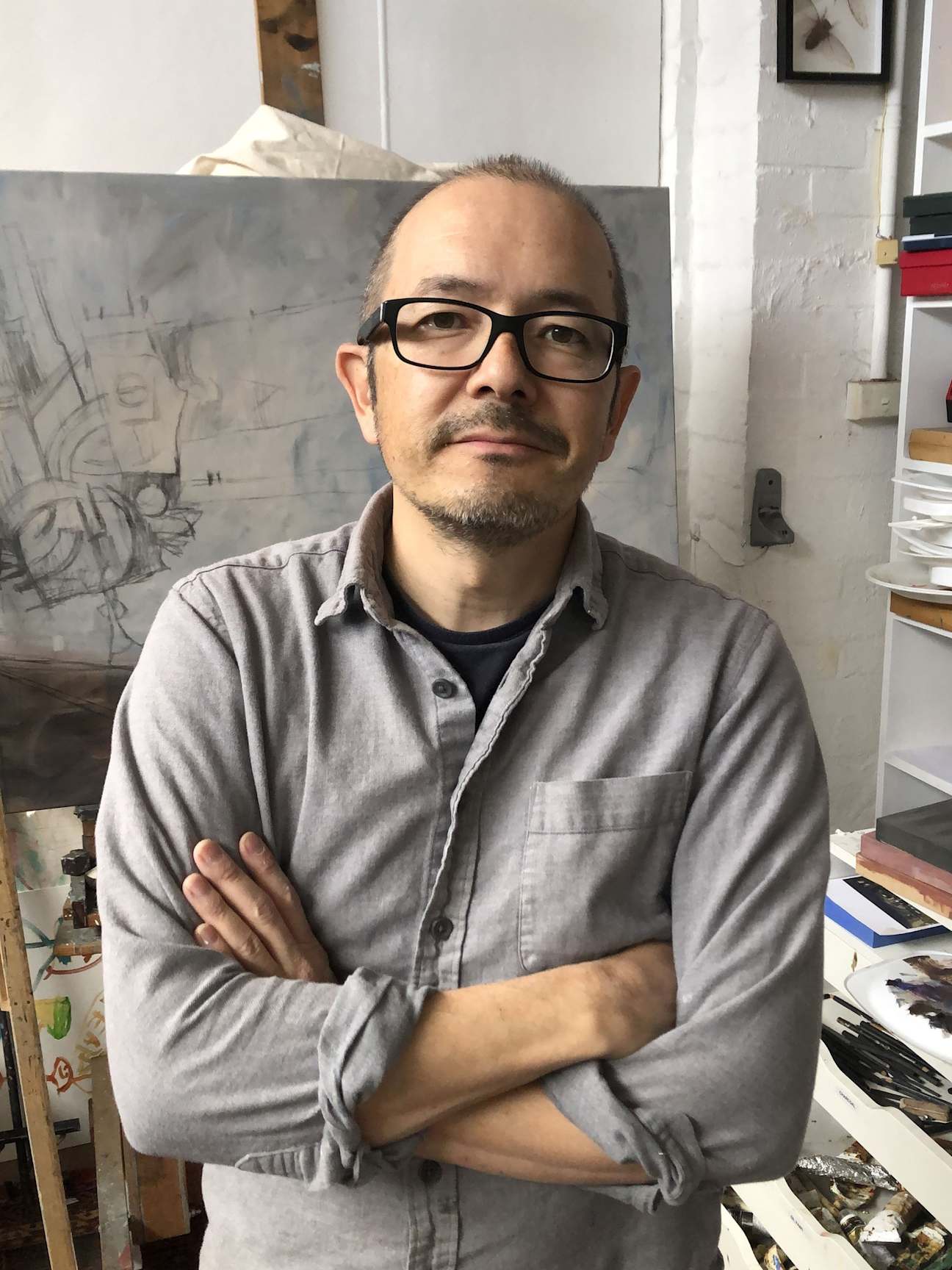
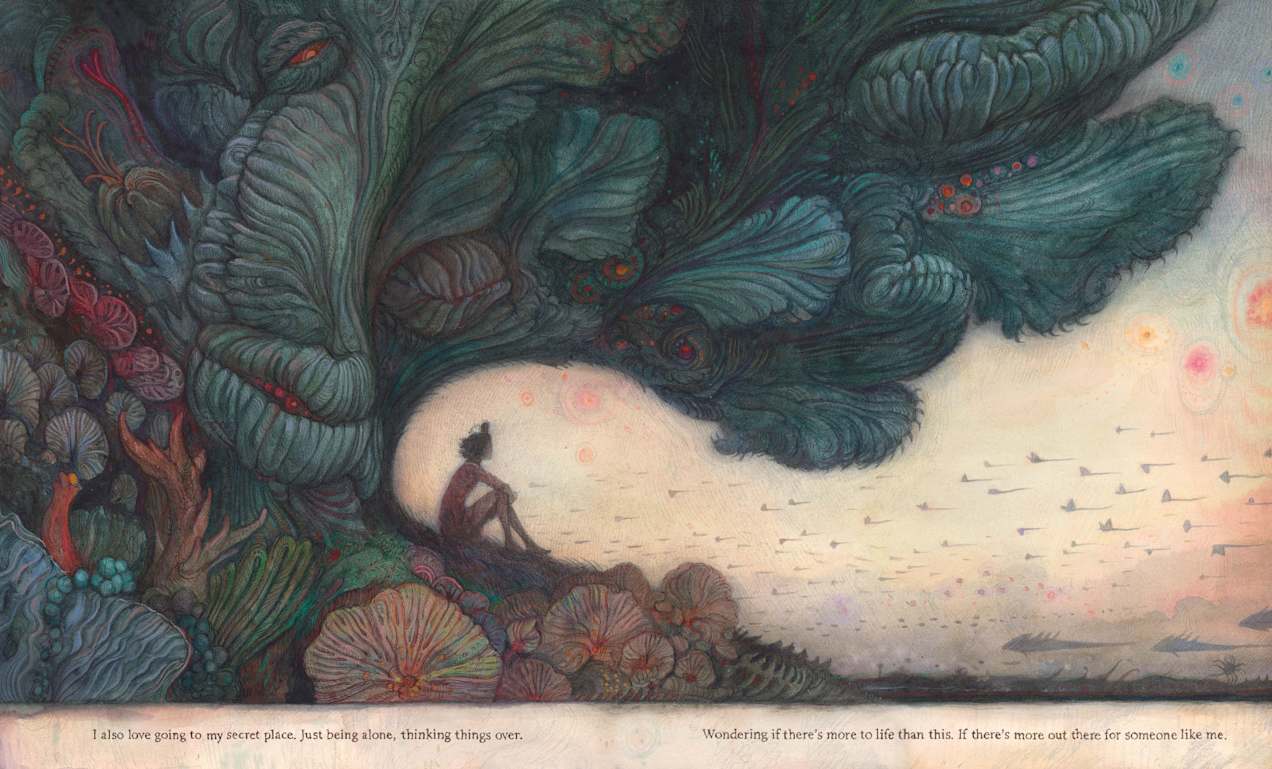
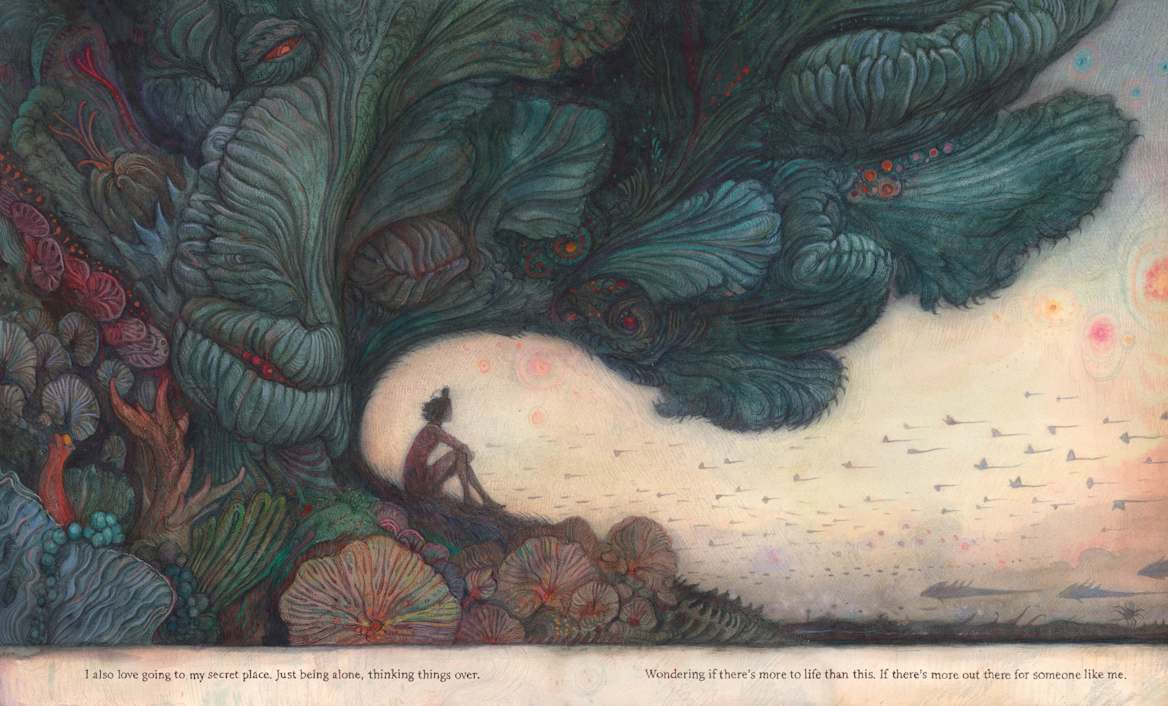
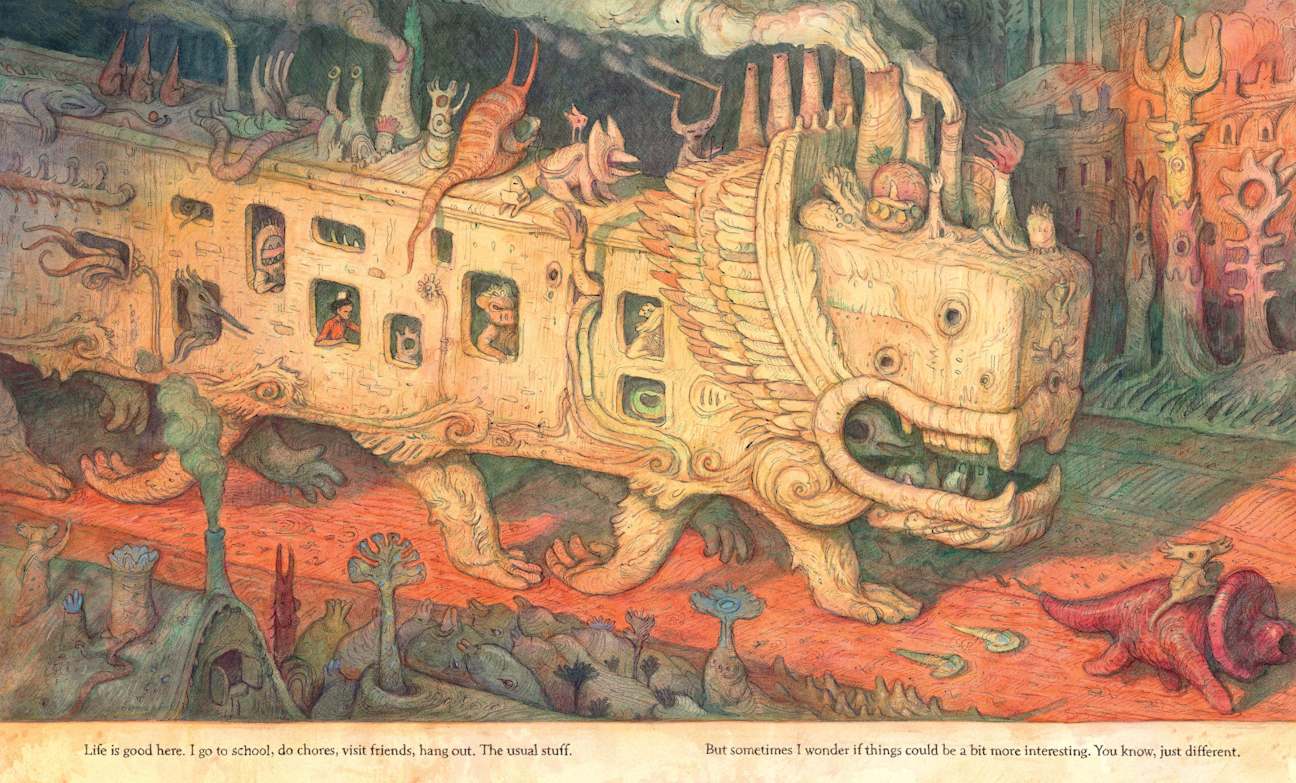
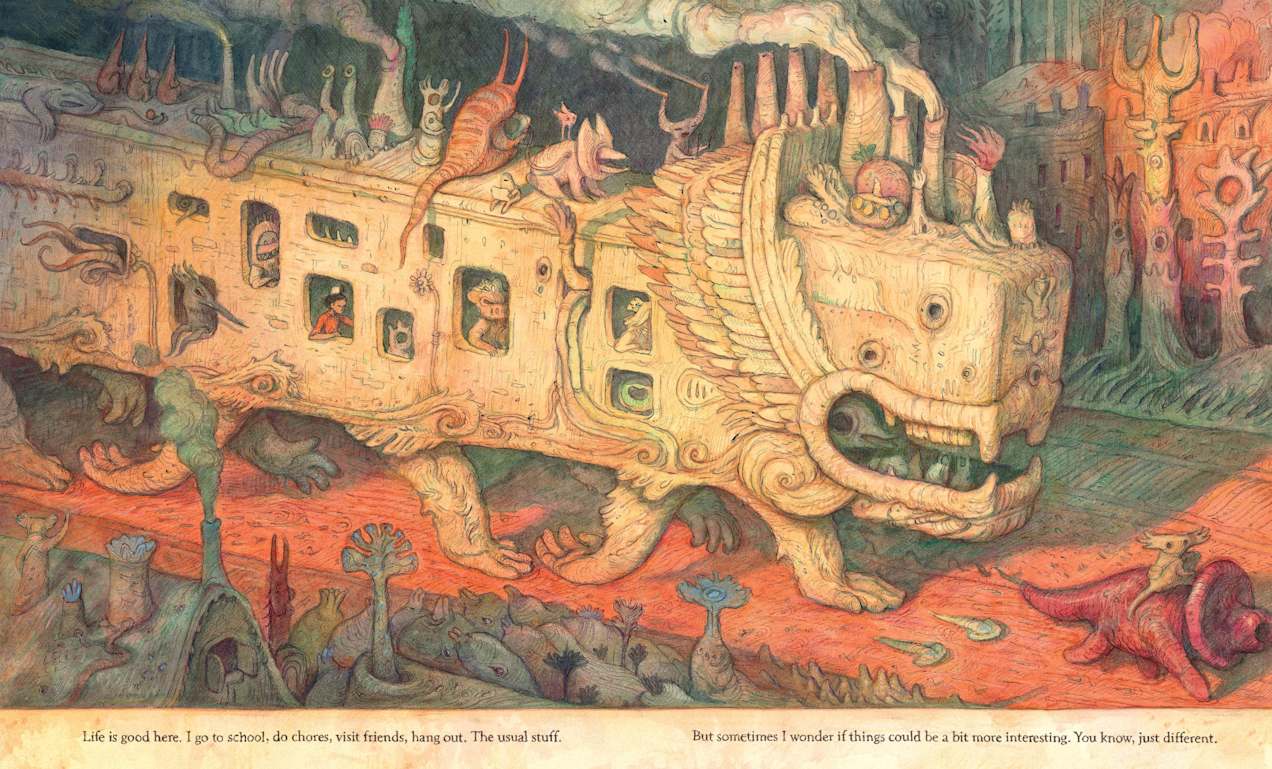
When Shaun Tan got the idea for Hometown , his first graphic novel in 20 years, he had an initial moment of exasperation. “I didn’t really want to return to that format because it takes so long,” he quietly says, laughing, from his home in Brunswick in Melbourne. “But you have to let the story unravel in its own way.”
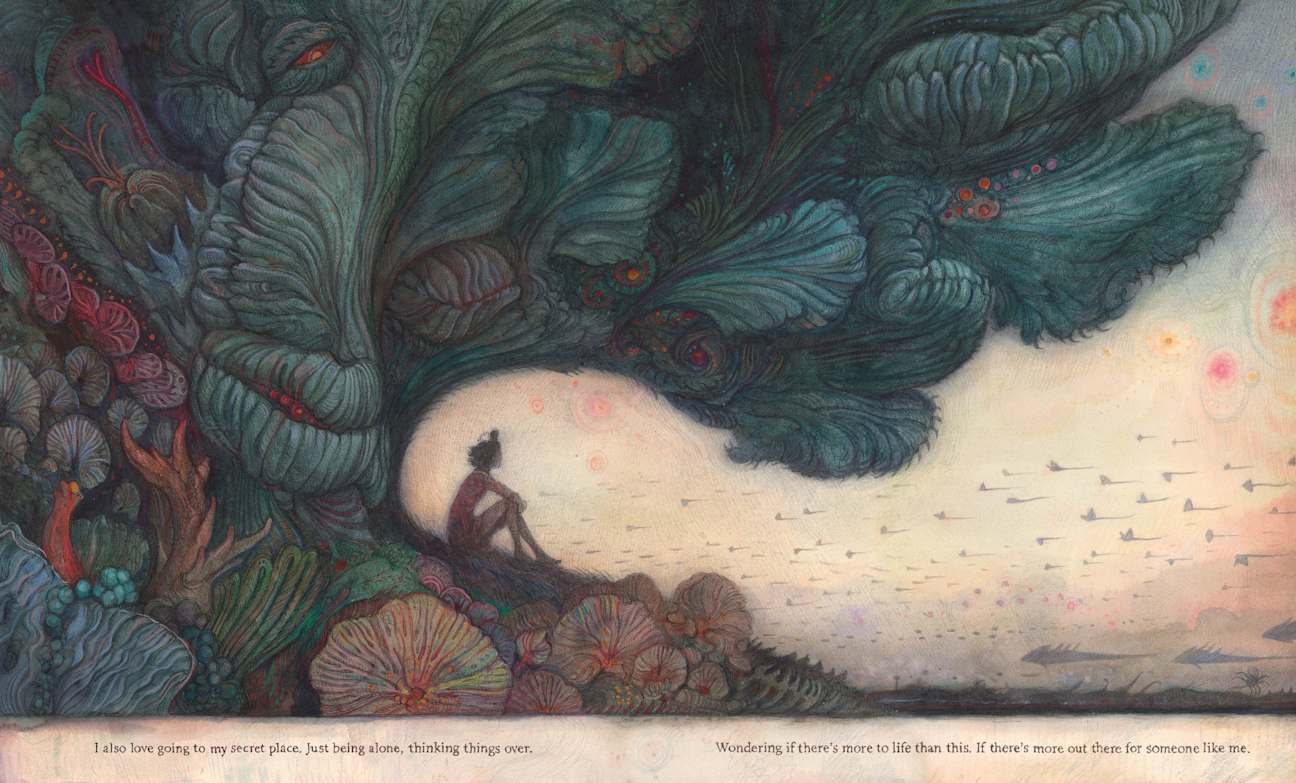
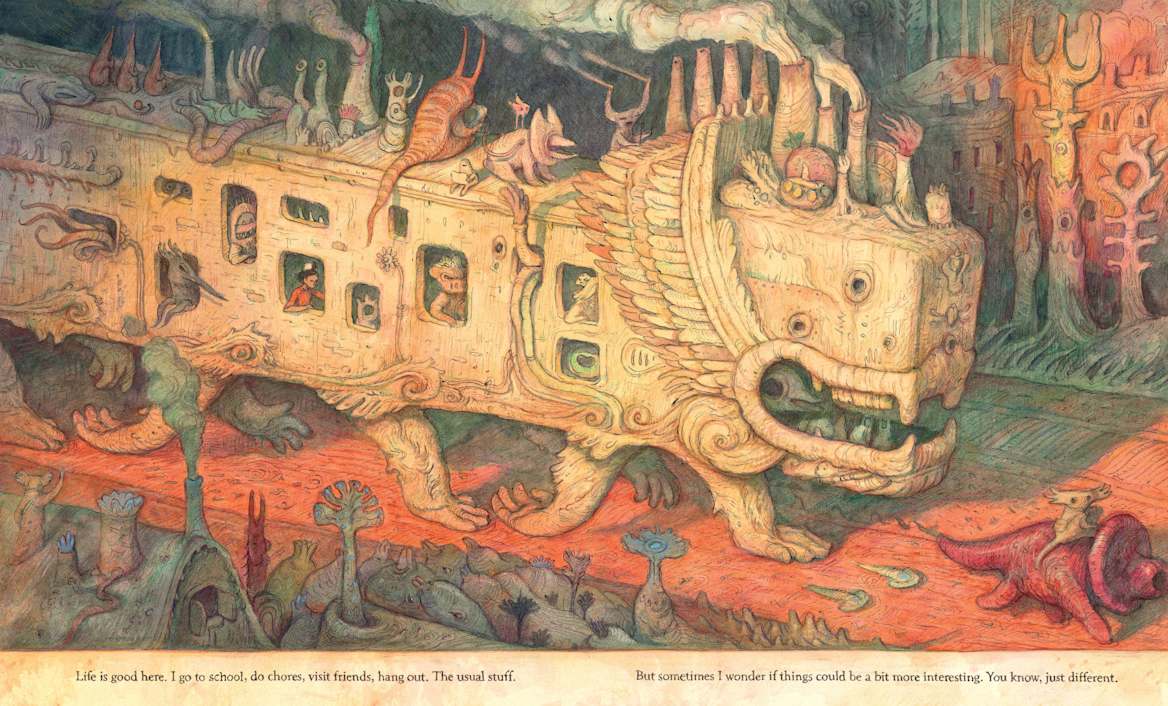
The process took 10 years – starting during a family trip to Spain, jet-lagged in a hotel room and watching Icelandic children’s TV with Russian subtitles with his then 18-month-old daughter – and the result is eccentrically, surreally Tan-esque. In the book a young girl grows up in a strange world filled with grotesque mechanical monsters – ostensibly her family – until an Earthly astronaut arrives to take her “home”.
“I got into this not long after my second child was born, so I was pecking away at it in between being a mostly stay-at-home dad, just retreating during nap times to make little sculptures and do sketches and try to work it out,” says Tan. “I only realised afterward how much the experience of having conversations with my daughter and playing with her actually influenced this book.”
Procrastination, which I think is standard for any artist. But I’ve figured out a way of managing it, to an extent. I’ll tell other people about what I’m doing, that way I’m answerable to them: “By this time, I’m going to do this thing”. If I’m the only one who knows, obviously I’m going to give myself a pass every time.
Creating something false. It’s always high in my mind to try and return to a dreamlike truth, even if it means that the story is sometimes a bit weird. It feels closer to real life if it’s a bit messy and unfinished. But I don’t throw bad ideas away. Unoriginality is actually slightly important because it creates a connection to the culture you’re in. If you were completely original it would be so disconnected – as happens with some artists and scientists and writers that are a bit ahead of their time. I often think about Charles Babbage’s Difference Engine, the early computer. No one had a use for it. It was too early.
Two things pop in my head. One is just this piece of advice from a writer – I forget which writer it was – but it was a single word: “finish”. A lot of people feel they’ve failed a project when they stop, but they haven’t finished, they’re actually just three-quarters in. So that advice is enough to push you through the pain and you realise there was a solution, you just couldn’t see it. The other one is that quote from Picasso: “Art is a lie that tells us the truth”. That always helps me to finish when a work is feeling false or mannered or full of affectations. The road to truth is often convoluted and fictitious, but that’s OK.
Not putting enough trust in my own weirdness when I was younger. It took me a long time to realise that the weird, personal stories of mine were actually the most successful. I was doing that usual thing of trying to figure out where I belonged by looking at other people’s examples – “I should be more like this or that”. You’ve also got a lot of financial pressures as a young artist; it’s very hard to make a living and you’re constantly trying to find your groove. But the groove is there all along. For me it was just sitting down and writing funny little stories about a huge creature with tentacles who’s lost on a beach. I kept putting it aside. I felt guilty about doing things that were fun, almost like they were too fun and art has to be serious. It was only when I realised that fun leads to seriousness, and that my sense of fun will infect other readers and bring them along, that I got successful.
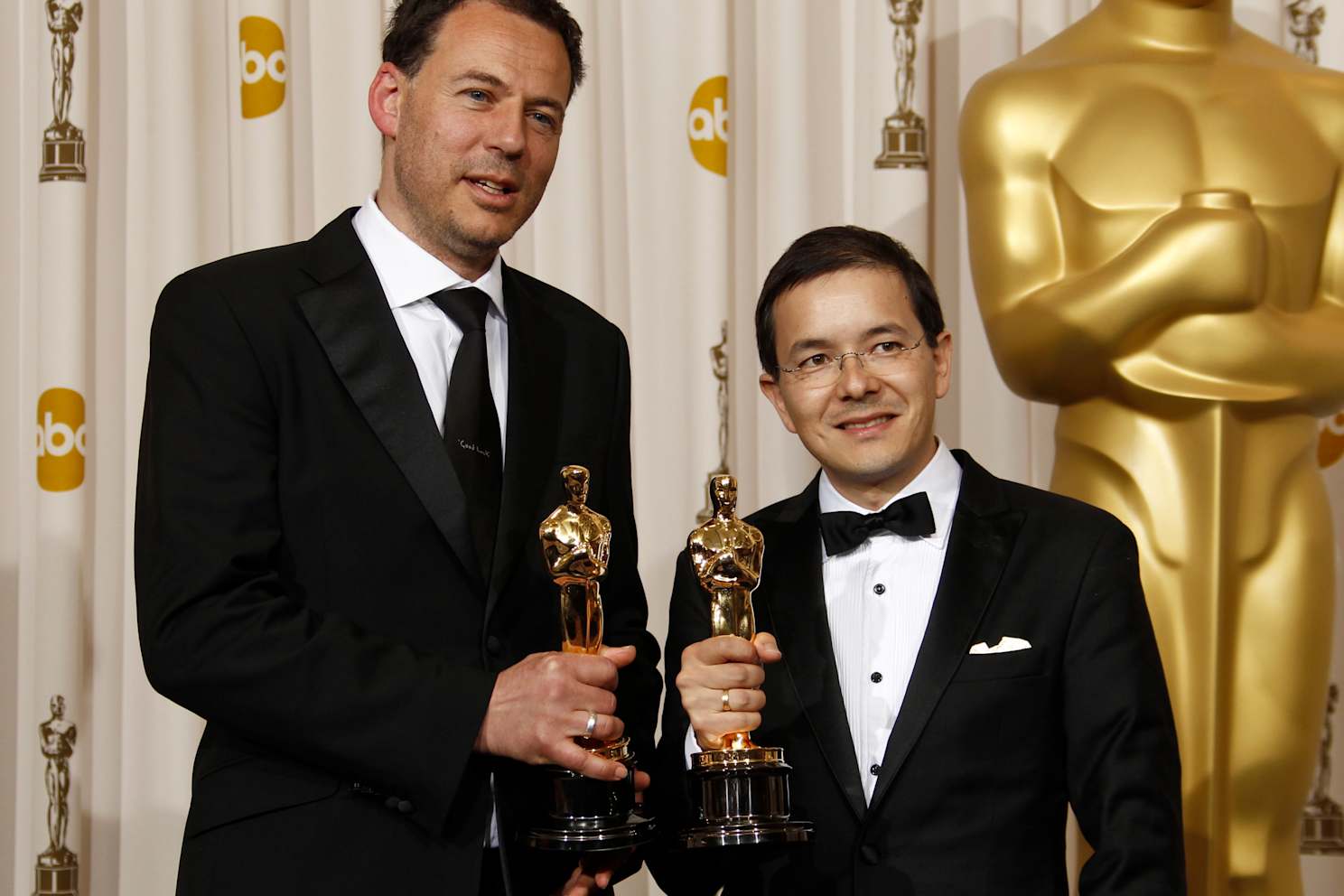
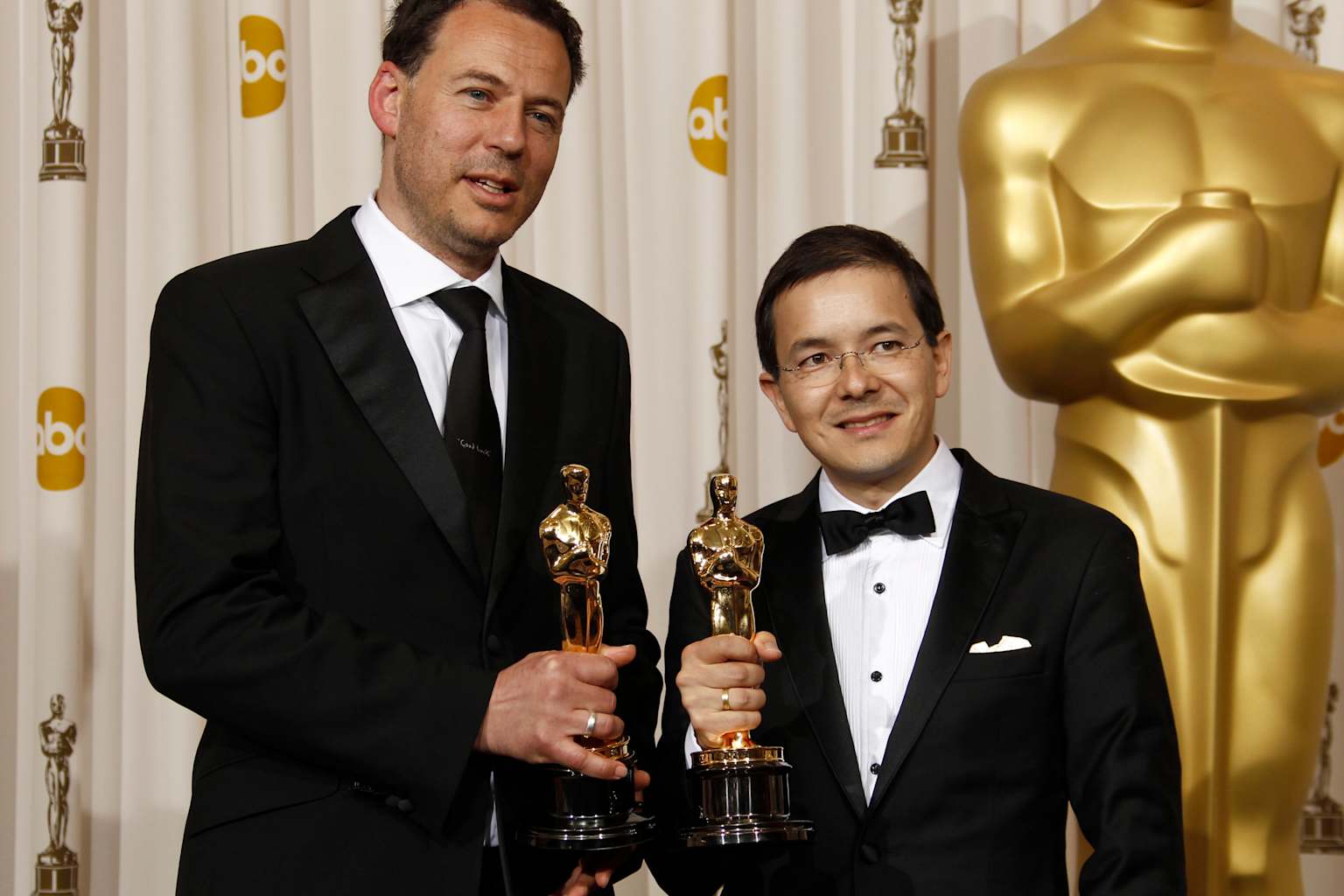
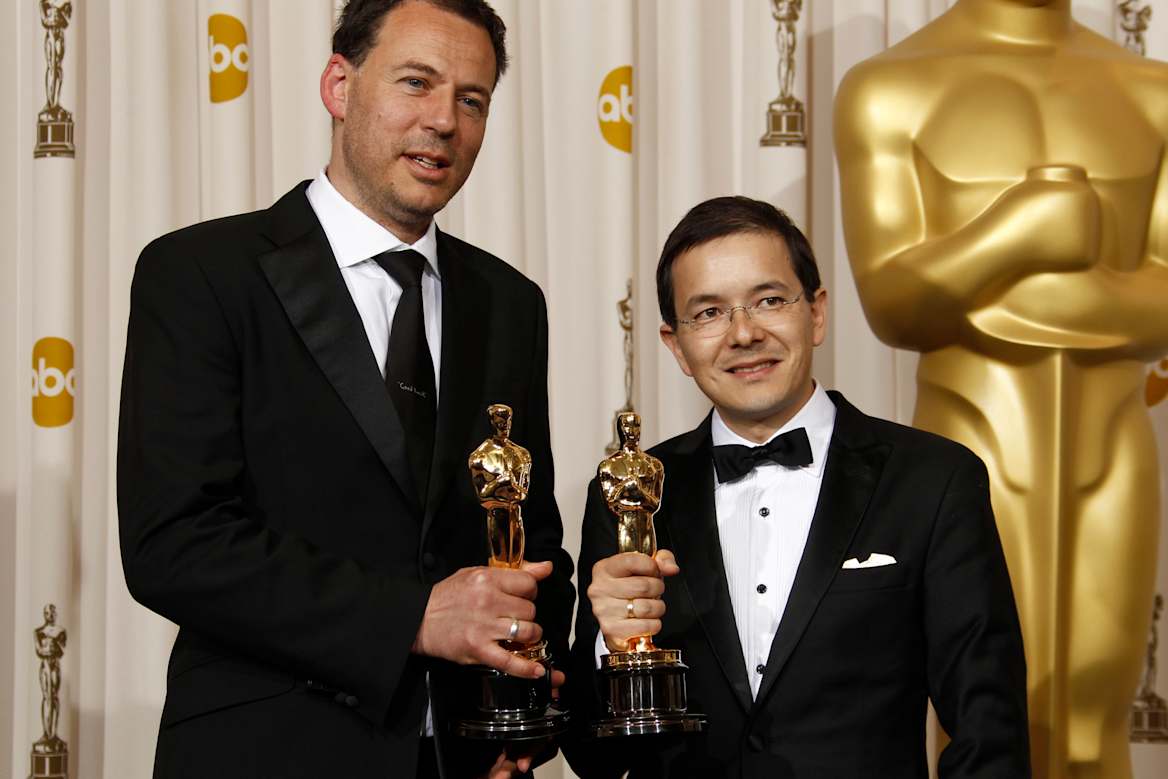
I would’ve been about 25. I’d been working as a freelance artist for about five years but I was having trouble getting work. I needed to make more money. As an illustrator I was only earning half the royalty and I thought, “I can’t survive like this, I have to get into writing”, which is what I wanted to do originally. I remember I was sitting down at my kitchen table, feeling a bit low, and I thought, “I’m just going to have fun and write a story. I don’t care what anybody thinks about it, I’m going to do it, and if nobody publishes it, I don’t care.” It was a book called The Lost Thing (2000), which was the first book I wrote and illustrated entirely by myself. It wasn’t a huge success at first but over time people began to really enjoy the story and it was eventually adapted as a short film that did quite well. [ The Lost Thing won the Oscar for best animated short film at the Academy Awards in 2011.]
The Mysteries of Harris Burdick (1984) by the American illustrator Chris Van Allsburg. He’s another artist who was working in a fairly traditional illustration job in the conservative area of American children’s publishing who sort of said, “To hell with it, I’m going to do a really weird book that delights me”. It’s a series of black-and-white standalone illustrations, maybe 15 of them, and each one shows a very strange scene. There’ll be a man trying to hit a lump under his carpet, or a girl looking at caterpillars in her hand. You can’t look at these pictures without your mind starting to fill in the gaps.
I learned so much from that book about what illustration is; that it’s a form of writing using pictures that is very dependent on silence and gaps and emptiness to spark your imagination. I came across it when I was a child but I only returned to it in my early 20s when people started asking me to illustrate for them and I thought, oh, I better go and look at picture books again. I rediscovered a lot of these books, like Fungus the Bogeyman by Raymond Briggs and Where the Wild Things Are by Maurice Sendak. These illustrators were inspirational for me in understanding that picture books need not be limited by style or audience.
Am I visiting or staying there? If it’s just a visit, it would be some prehistoric era. I’d love to see what was going on when people started painting caves. Considering how difficult life must have been, that people still invested so much time in creating art, there’s a real sense that they’re doing exactly what artists are doing now. It’s just trying to pass on some truthful observation that will be read by someone you’ve never met, long after you’re dead.
Shaun Tan’s new book Hometown is out now. An exhibition displaying original artwork from the book is at Melbourne’s Beinart Gallery from November 29 to December 20. Tan will sign books at the gallery on December 12.
You have reached your maximum number of saved items.
Remove items from your saved list to add more.
You've used all of your gift articles. 3 more will become available on the 1st of every month.