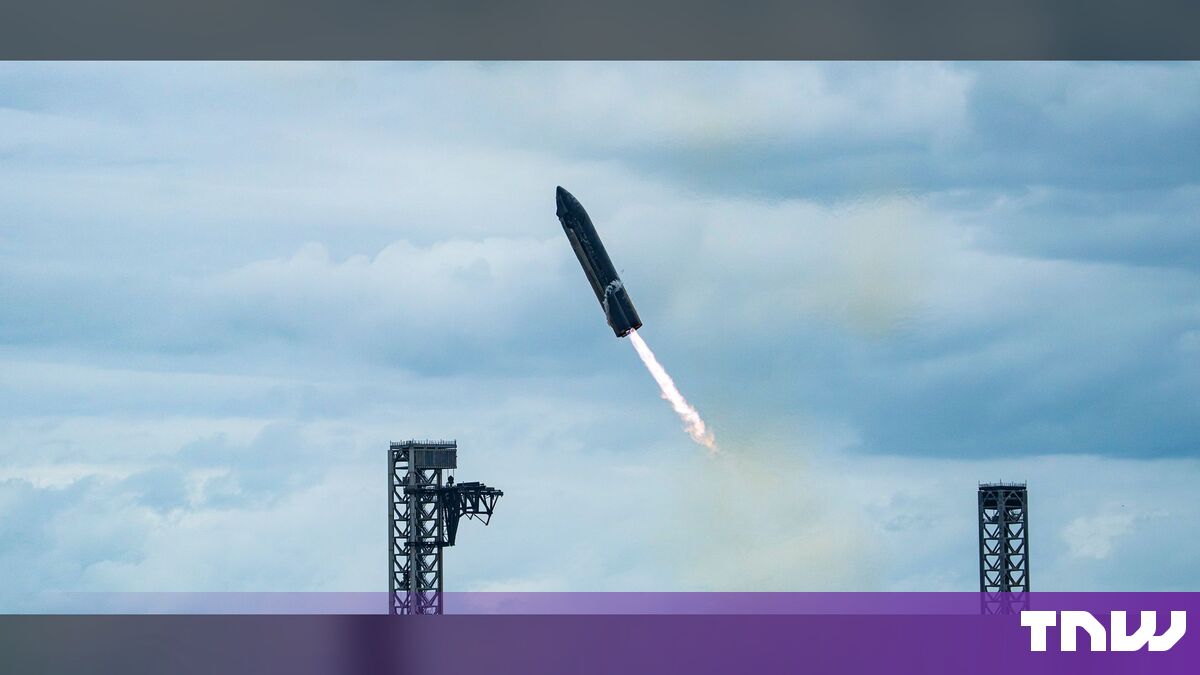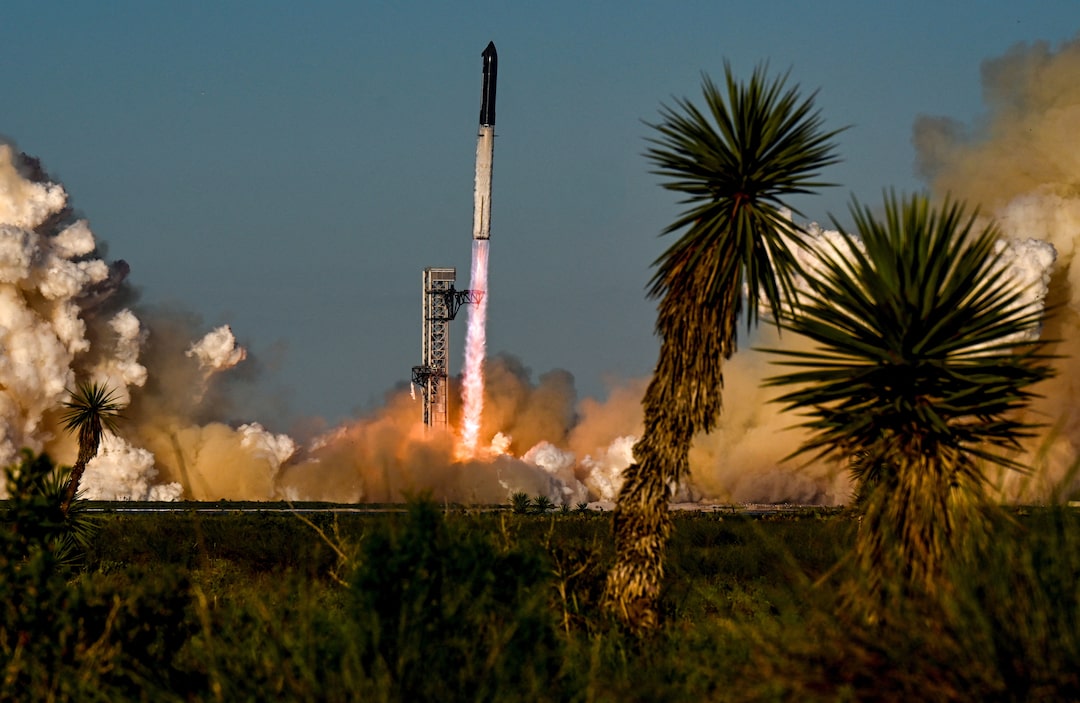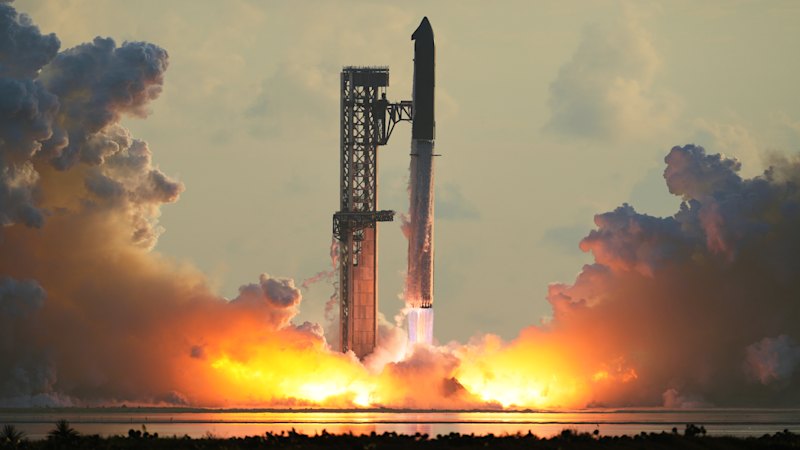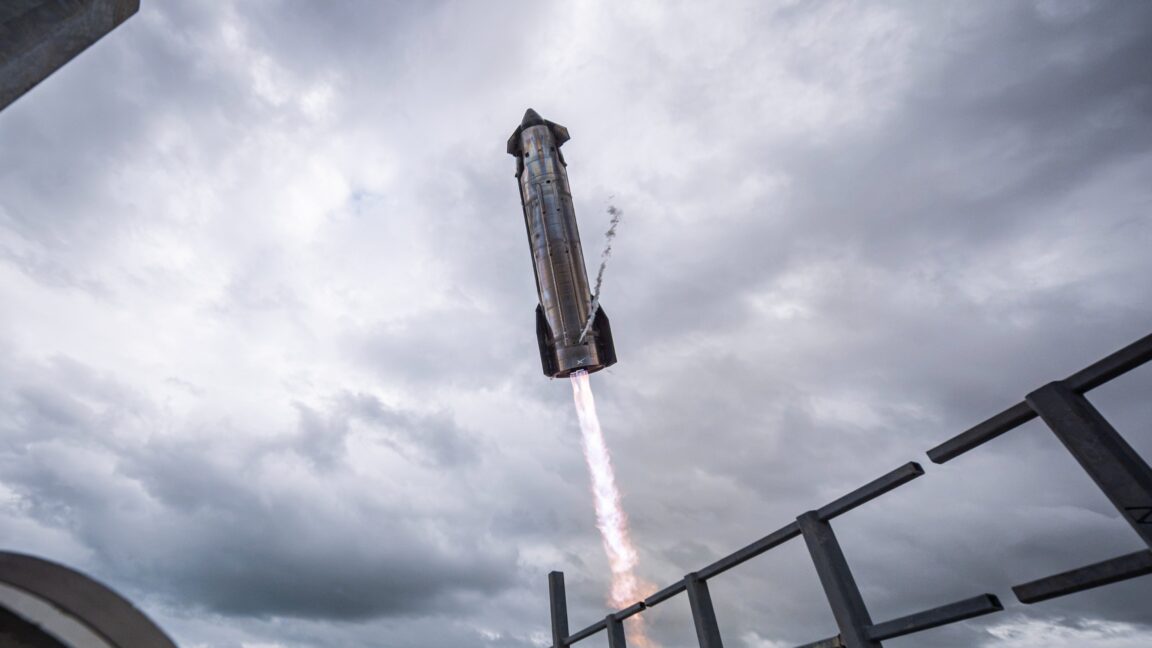
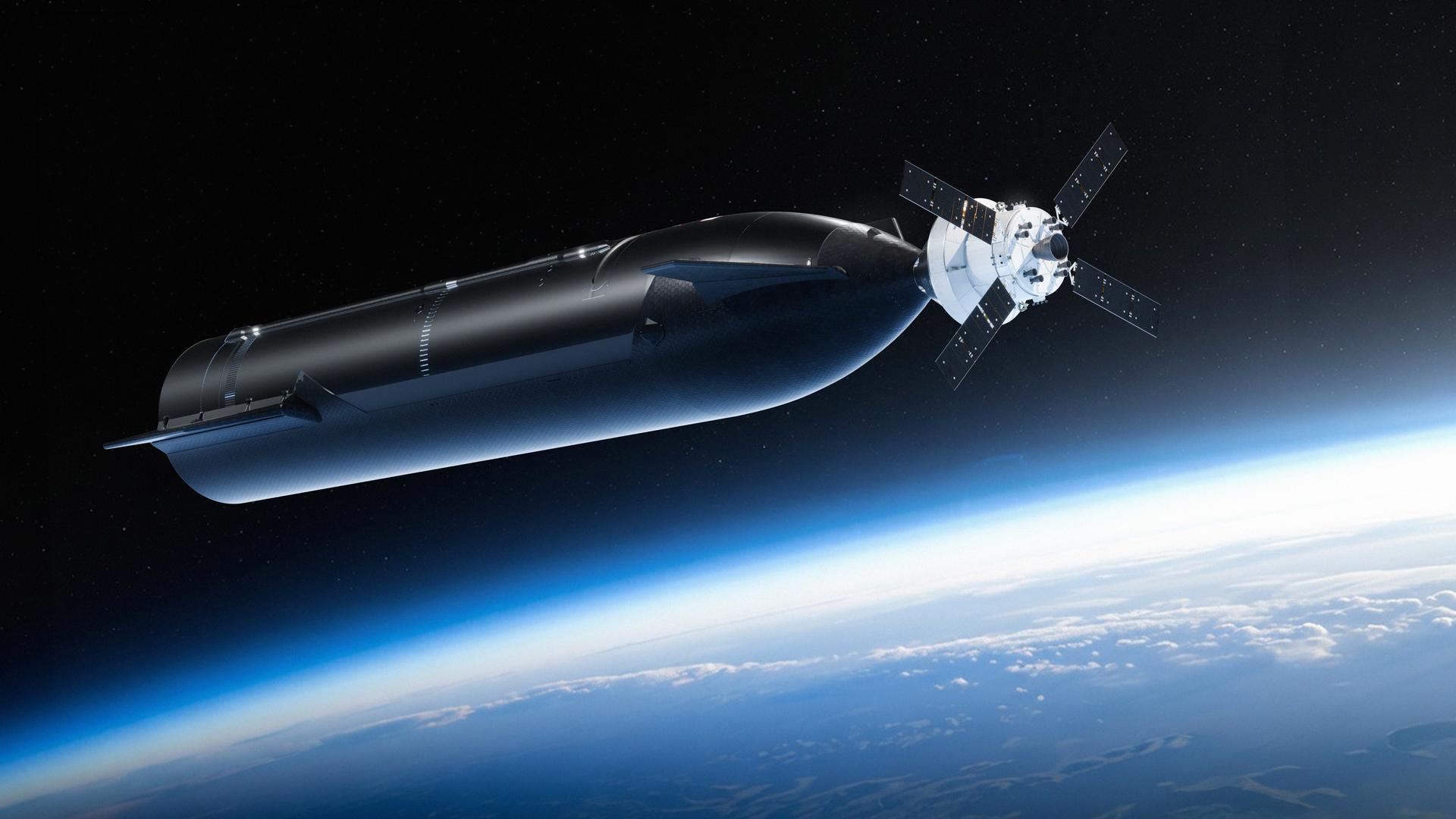
SpaceX’s successful recovery of its Starship rocket last weekend cleared a major hurdle on NASA’s path to the Moon, opening up possibilities for higher launch rates and an all-important, long-delayed orbital refueling demo next year.
For SpaceX’s purposes, Saturday’s mid-air rocket catch will help engineers learn how to rapidly reuse Starships. That should expedite SpaceX’s deployment of its newest generation of Starlink Internet satellites. NASA, meanwhile, believes a higher launch cadence will lead to faster learning as SpaceX develops a deep space version of Starship to ferry astronaut crews to the surface of the Moon.
Early next year, SpaceX plans to bring online a second Starship launch site at Kennedy Space Center, Florida. A second Starship factory is also under construction at Kennedy, joining SpaceX’s existing SpaceX production line at Starbase, Texas. With two launch sites, SpaceX will have the pieces in place to take the next leap with Starship.
The Starship refueling demonstration has slipped two years since late 2024, effectively a day-for-day delay as SpaceX ironed out technical problems with the vehicle. SpaceX may have turned a corner with Saturday’s first-ever catch of Starship at the launch tower.
There are other Starship lander tests coming next year. First will be NASA’s Artemis III mission, followed by an uncrewed Starship landing demonstration on the Moon. The former requires no orbital refueling, and the latter will need heaps of it.
Ars recently spoke with Steve Creech , the program manager for NASA’s Human Landing System. In this role, Creech oversees NASA’s contracts with SpaceX and Blue Origin to develop crew-rated lunar landers for Artemis.
For Artemis III, NASA will launch a four-man crew to low-Earth orbit on a Space Launch System rocket and an Orion spacecraft. Orion will first dock with Blue Origin’s Blue Moon lander for two days of tests, following its launch on a New Glenn rocket. The astronauts will open hatches and enter Blue Moon’s pressurized crew cabin to test the vehicle’s environmental control and life support systems.