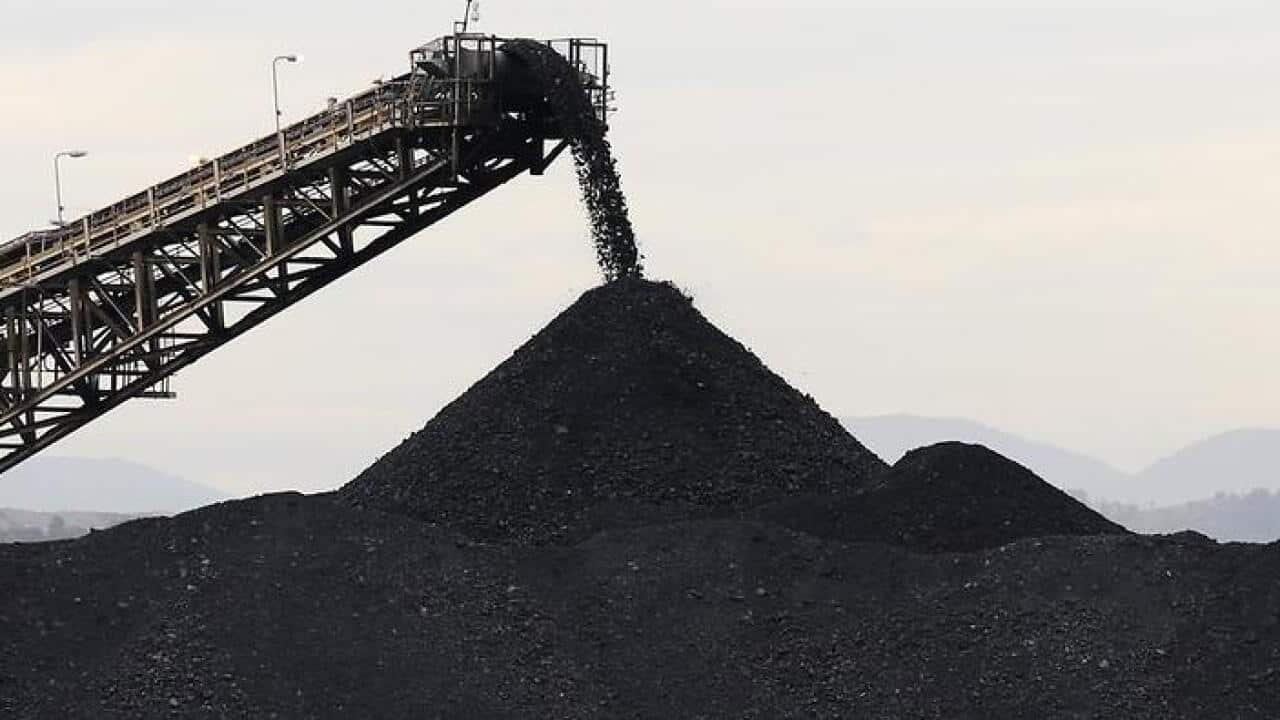
Australia could become the world's largest exporter of coal within the next decade, according to analysis from an international energy body.
The International Energy Agency (IEA) has published its annual World Energy Outlook since 1999, offering multiple views of potential energy futures based on that year's developments.
In this year's report, the agency provided a cautious view based on current policies, another based on policies announced but not yet enacted and a third more ambitious view seeking to reduce emissions alongside alternatives for potential impacts of the conflict in the Middle East.
Since the organisation was established in 1974, energy demand has nearly tripled worldwide. Coal has been the fastest-growing fossil fuel since 2020, with Indonesia and Australia among the top exporters.
By 2035, this would make Australia the largest supplier of coal, with the margin growing further by 2050.
Your trusted source for staying up-to-date with the world around you. Get free daily news updates and analysis, straight to your inbox.
The report described the disruptions to shipping in the Strait of Hormuz as the "largest threat to energy security in history".
"The Hormuz crisis has delivered a huge shock to the system," Fatih Birol, IEA executive director, said.
"I don’t see any credible pathway for the energy world to return to the way it was before."
The report said consumers were frequently facing higher prices, as countries' fuel stockpiles depleted.
The IEA suggested renewable energy could rise from 33 per cent of global electricity generation to 50 per cent by 2035 and 66 per cent by 2050. Alongside the growth in renewable energy production, the oil and gas supply shock has accelerated solar, battery and electric vehicle adoption in several countries.
Solar has the largest projected growth, then onshore and offshore wind, hydropower, bioenergy and geothermal.
The IEA said the longer uncertainty persists over the Middle East conflict, the more likely countries will seek to diversify their energy supply and adopt policy to better enable it.
"Countries will pursue different pathways, reflecting their resources, circumstances and priorities," Birol said.
"But all have a stake in building a more secure, affordable and sustainable energy system — and in effective cooperation to achieve that goal."