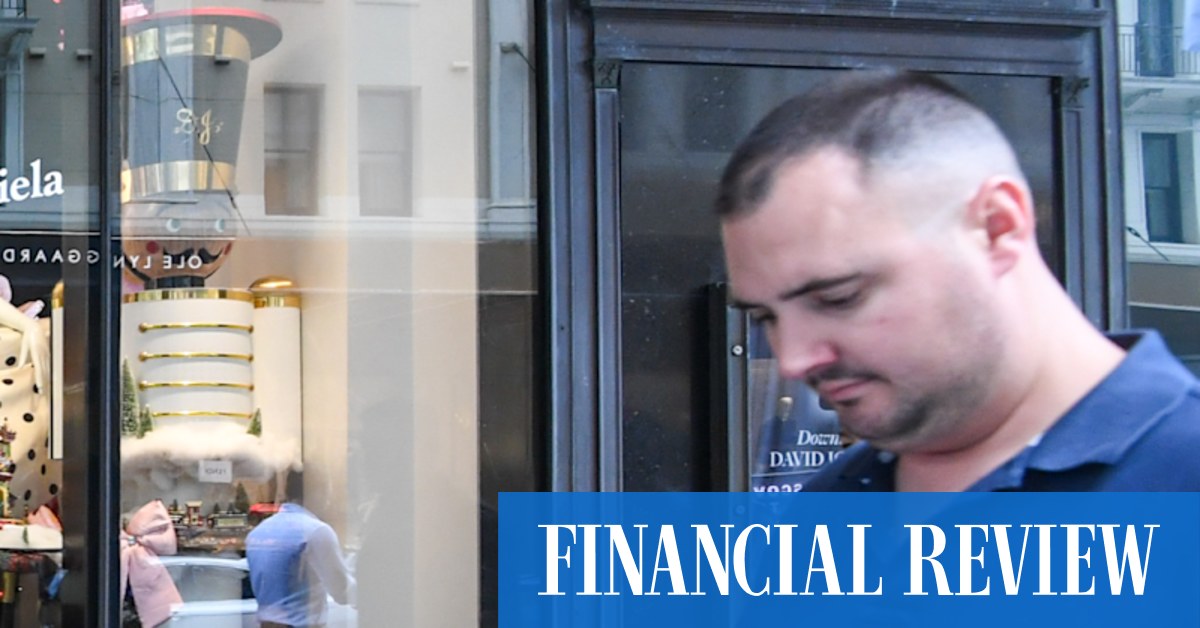

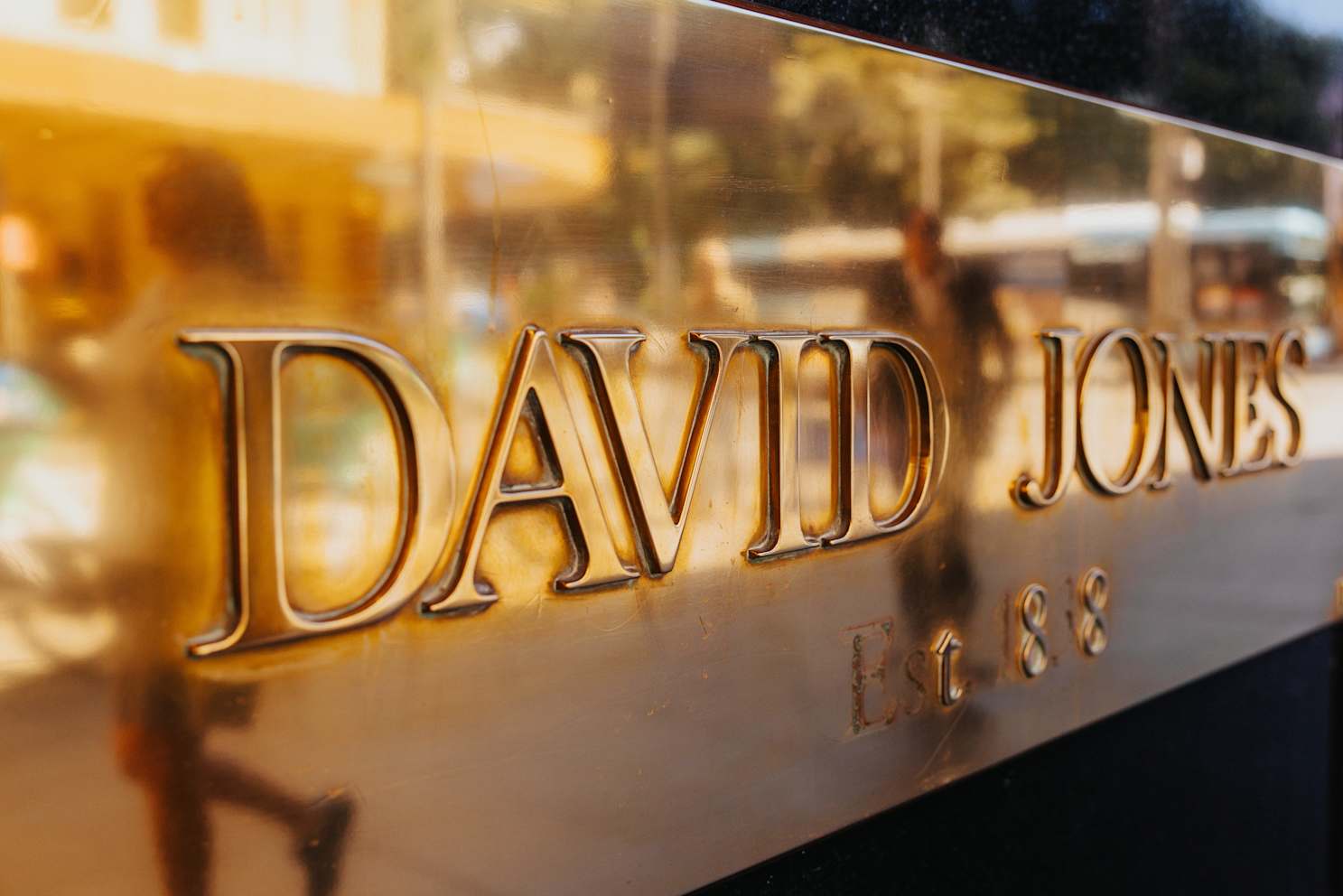


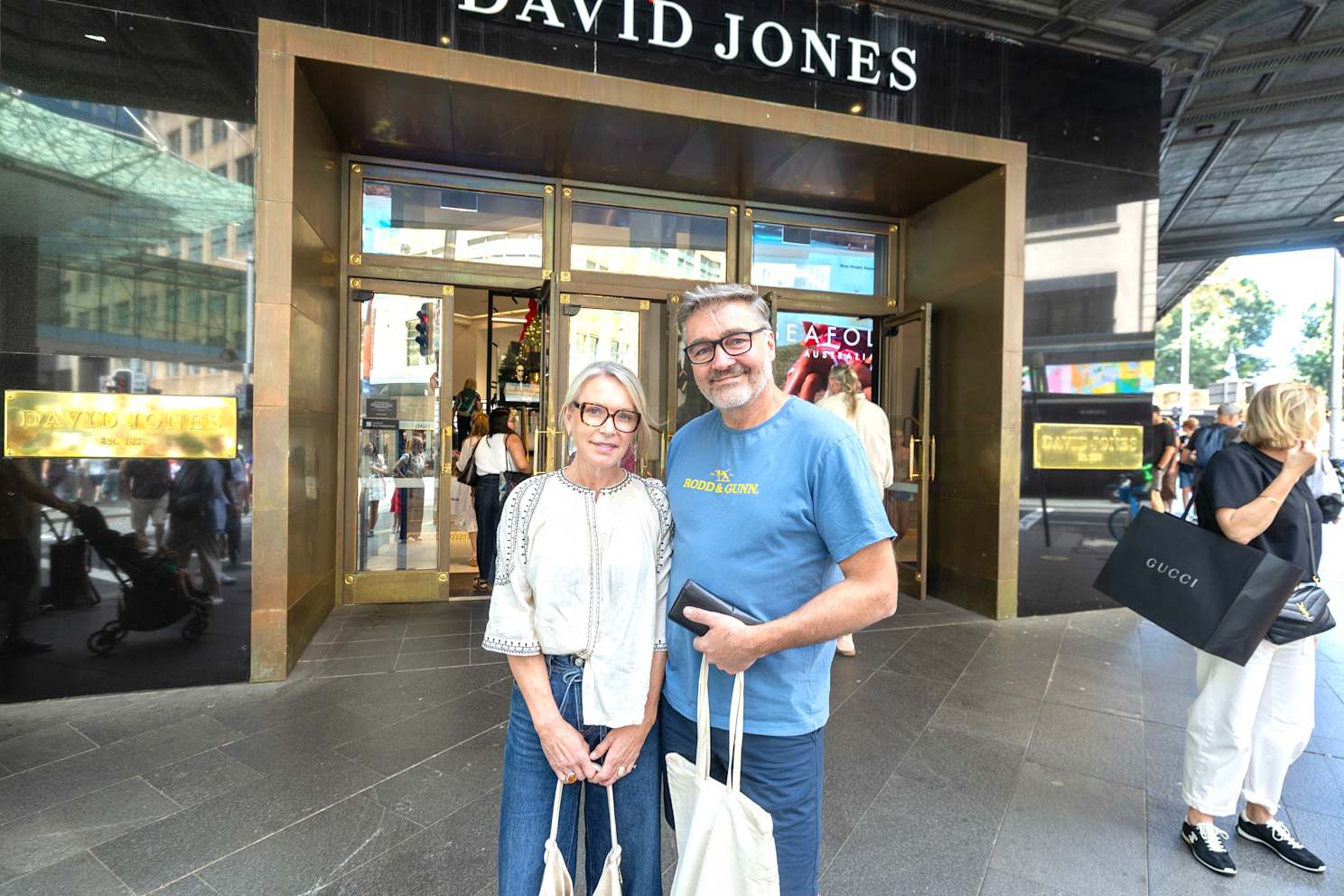
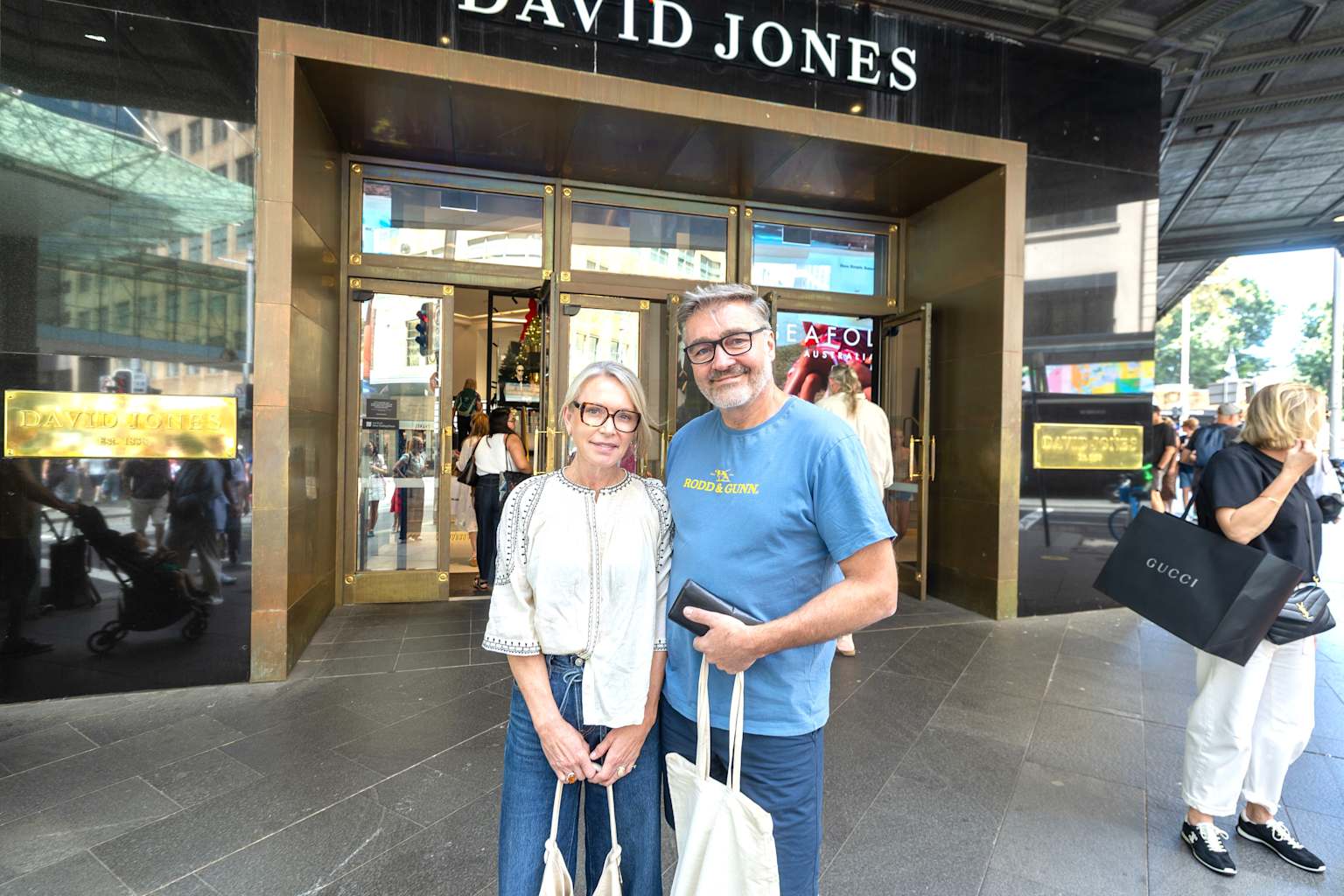
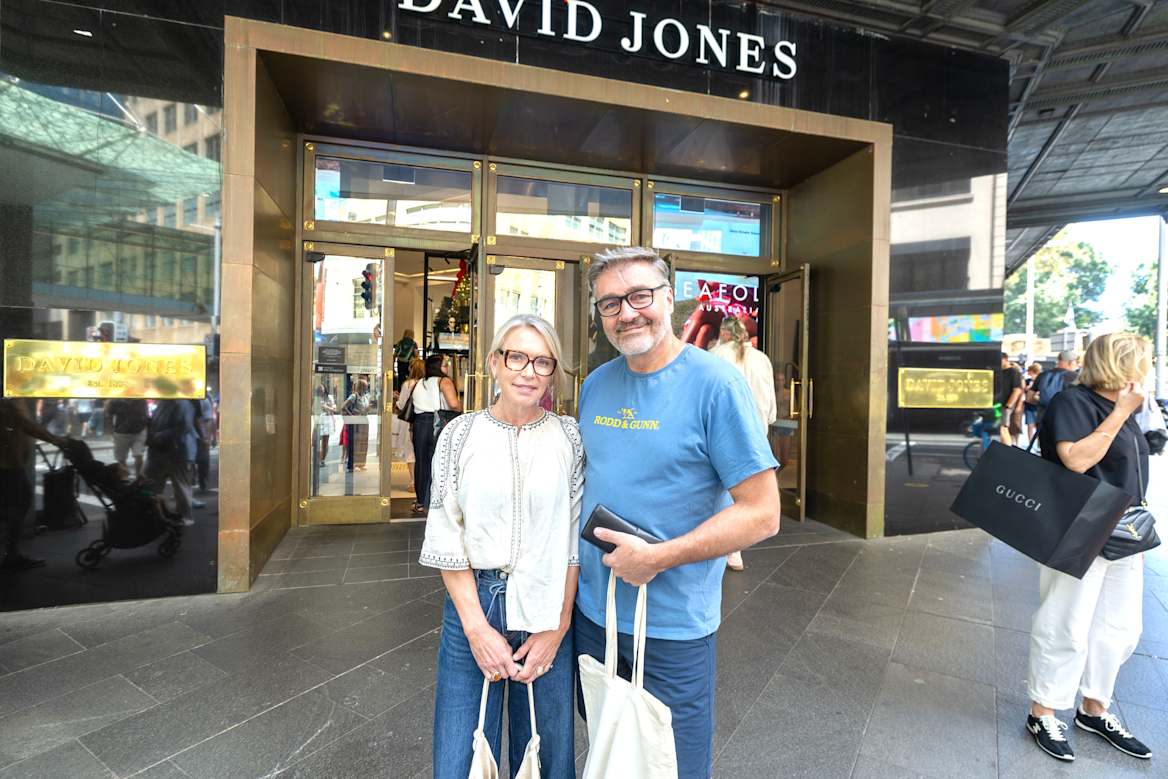
The sign on the David Jones store in Sydney’s north-west had a sad message for loyal shoppers.
“After 34 years of serving our community, our David Jones Castle Towers store will be closing on Sunday 18 January 2026. The team would like to thank all our wonderful customers for your support.”
It was one of two stores that closed early this year after the dust settled on Christmas sales and the group had failed to reach an acceptable deal with its landlords.
It is the same issue that forced the group’s private equity owners, Anchorage Capital, to pull the plug this month on a business that appears to be worthless in its current form.
This is why David Jones shoppers and employees will soon watch stores close across Australia and New Zealand as they succumb to the laws of department store economics in the digital age, and a highly leveraged bet by the brand’s private equity owner that left little margin for error.
While shoppers focus on the bargains, the administrators of the collapsed business will conduct an investigation with one crucial question that needs answering: Was the group insolvent before they were appointed? And, if so, when?
As McGrathNicol’s Matthew Hutton told creditors: “Our investigations will look at when the company might have been insolvent, if that was a date prior to the date of appointment of administrators.”
For suppliers and lenders owed a collective $400 million, it could determine who salvages some cash from the wreckage, and who loses their shirt.
The tensions were on display at the meeting this week, which reflected the big battle emerging as creditors jostle for position in the payout queue. A supplier raised allegations about potential preferential payments to suppliers at a time when the company may have already been insolvent.
“It’s become pretty apparent to me, just talking to other people in the market, that some suppliers, predominantly the larger ones, were actually given preferential payments just to ensure the continued trade in the business,” he told the administrators. “I just want to know how that might be handled.”
The only people guaranteed a full payout are the administrators (who are already quarantining millions for their future fees), the receivers (who are managing the business on behalf of British distressed lender Hilco, which has security over the assets) and employees, who are already owed $11 million in leave entitlements.
Employee claims will balloon as 1500 staff are made redundant . These claims could easily reach tens of millions of dollars, with the union negotiating a deal that will see employees with nine years’ tenure receiving 16 weeks of pay.
Sitting behind these parties in the queue is Hilco, which is claiming a secured debt of $115 million, and Anchorage, which is claiming a secured loan of $80 million.
The problem is, their secured loans were only registered in September – not even two months before the retailer’s collapse.
“One of the things that we need to look at is the history of the facilities and the validity of the security, and we would report on those issues to creditors in our second report,” McGrathNicol’s Shaun Fraser told creditors.
A concession operator with the department store, who does not wish to be named as they are owed money in the collapse, has their own idea of when solvency was in question.
In the creditors report, McGrathNicol stated it was first approached by the David Jones board in July over “potential restructuring scenarios” – but the firm had met with Anchorage’s lawyers months earlier to provide financial analysis of the group, which was already struggling to pay suppliers.
“I would say April [was] when they started having those meetings,” the concession holder said. “We heard nothing from David Jones.”
The insolvency question could determine whether creditors are better off placing the company into liquidation. That would allow the managers to pursue legal claims and challenge these secured loans, any potential claims for insolvent trading by David Jones directors, and overturn any preferred payments to suppliers.
The administrators from McGrathNicol confirmed that the David Jones board had engaged advisers to assist with safe harbour provisions at some stage this year. Safe harbour gives a struggling company’s directors protection from insolvency claims while they attempt to restructure a business and keep it afloat.
If their secured loans are successfully challenged, Hilco and Anchorage will then join the same payment pool as the suppliers and concession holders owed $180 million.
These unsecured creditors are currently facing a complete wipeout if a sale does not generate enough cash to trickle down to their pool of claims.
Their prospects are much brighter if administrators do not need to pay Hilco and Anchorage $195 million for their loans before a single dollar makes its way to unsecured creditors like Jacob Leung, co-founder of homewares group Slowdown Studio, who is owed $75,000.
“At this stage, we don’t expect to be getting anything back,” he told Nine News.
The concession holder, who listened to the Monday conference call with suppliers, said the administrators admitted this could be the case.
“The administrators have not provided an estimate of potential returns to creditors as it is too early to form any view,” McGrathNicol said in response to this claim. “The return to creditors will be dependent on the outcome of the sale process. We will be able to provide more clarity in the report to creditors due out most likely in early February.”
As McGrathNicol’s Fraser told creditors this week, the business was clearly struggling under the ownership of South African group Woolworths in 2022 with loss-making stores and costly leases that no longer made financial sense.
The following year, it was acquired by Anchorage in a leveraged bet that included just $55 million of its own money and a $40 million loan.
Anchorage used another $150 million in cash flow from the business to help pay for the $250 million rejuvenation strategy that was promised to return the business to financial health under former CEO Scott Fyfe.
He left the business in June and took legal action over his family’s stake in the business last month.
It might not be the only legal action that the failed retailer faces. The administrators told concession holders that they rank as unsecured creditors for their sales last month – even though David Jones was only meant to handle payments for them.
“There’s going to be a massive class action about this,” a concession holder said.
The Market Recap newsletter is a wrap of the day’s trading. Get it each weekday afternoon .
You have reached your maximum number of saved items.
Remove items from your saved list to add more.
You've used all of your gift articles. 3 more will become available on the 1st of every month.