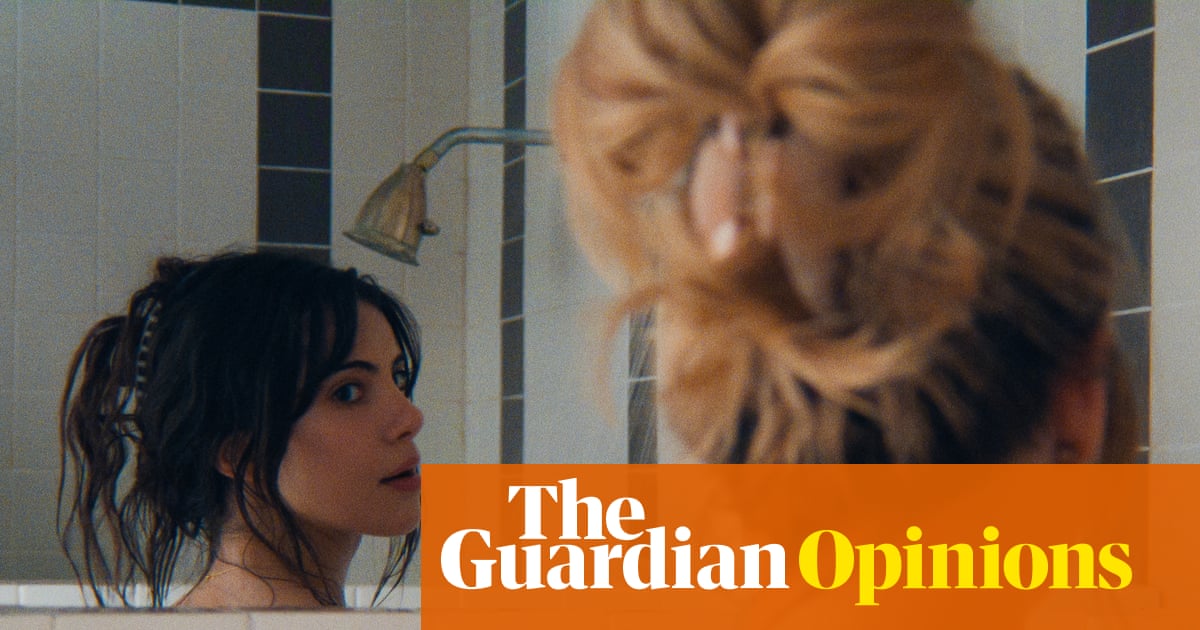


I haven’t been able to get away from Netflix’s The Body. Since the show’s release this month, it’s taken over my conversations and social feeds, and seems to be consuming the collective consciousness of every lesbian I know. Every reel I come across has already been liked by someone in my extended web of gays. The algorithm seems to understand me and, judging by the numbers, plenty of other people too.
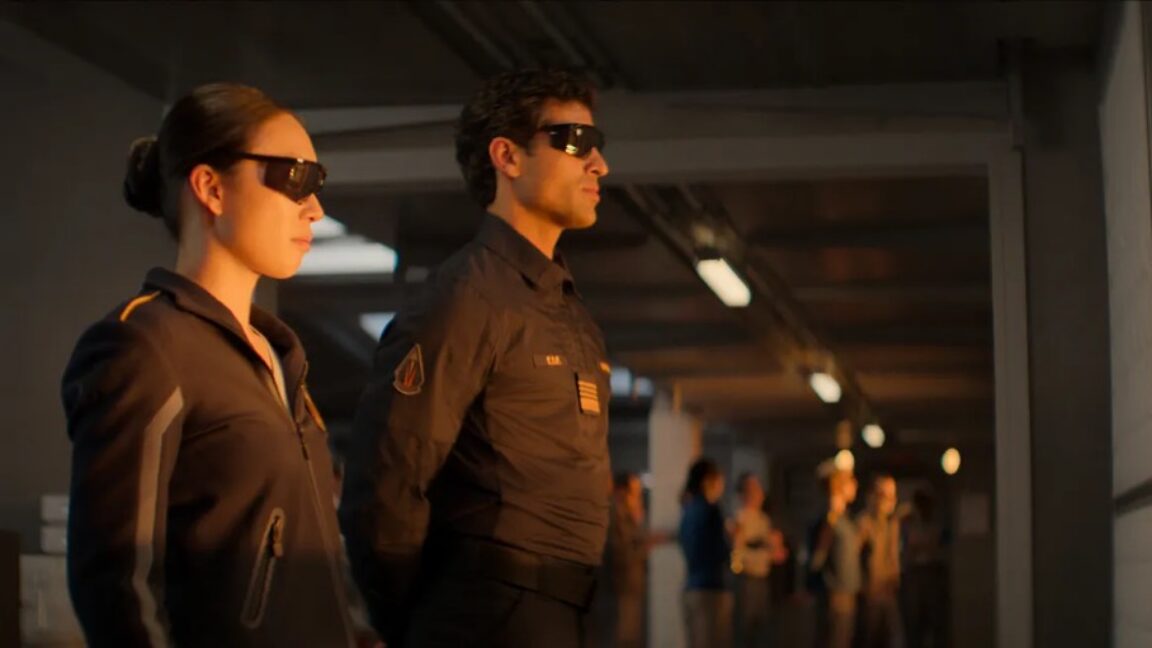
Set in 2004, the psychological horror-drama follows a female Catholic high school dance troupe whose botched Halloween initiation ritual triggers prophetic visions, town-wide mass hysteria and a repressed sapphic yearning between its leads, Anya (Kristina Bogic) and Elise (Sara Boustany).
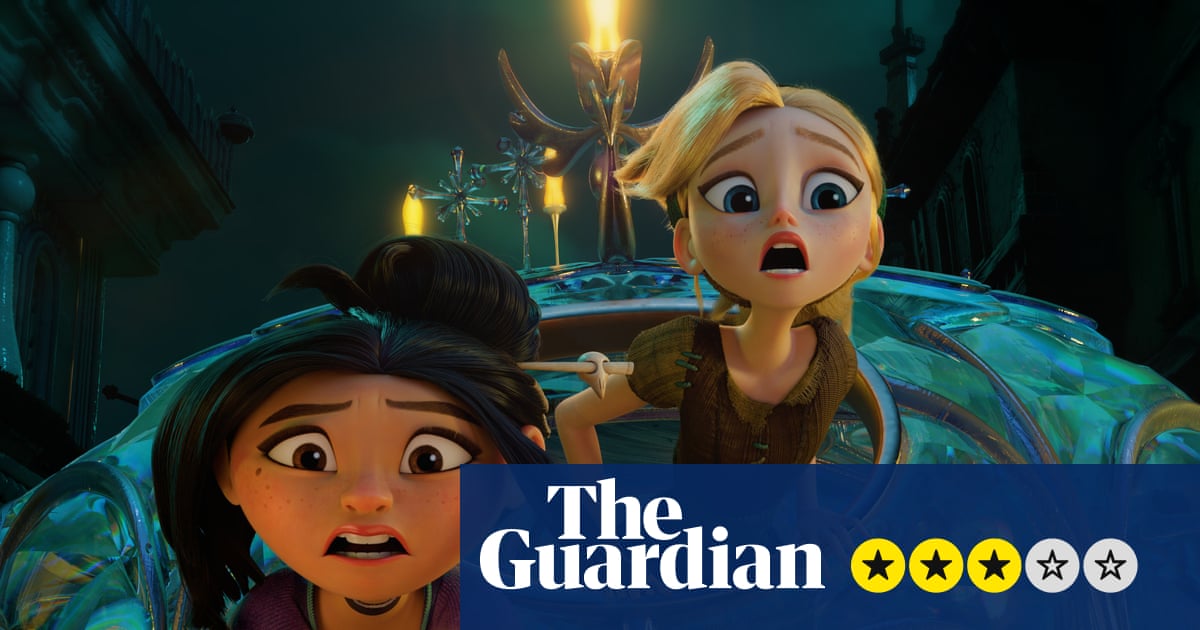
In a four-star review , the Guardian described it as “like Cruel Intentions with added Satanic rituals” and namechecked Bring It On and But I’m a Cheerleader among its other queer millennial-friendly references. Within days of its 11 November premiere, The Body broke into Netflix’s top 10 across 83 countries, peaking at No 2 in the US and No 3 in Australia and the UK, while its Rotten Tomatoes audience score climbed to 97%.
Not everyone was thrilled. A petition calling on Netflix to cancel the series has now passed 130,000 signatures. Launched before the show had even aired, the campaign objected to its depiction of Catholic schoolgirls and satanic ritual, describing it as “defiling the faith of millions of Christian families”. But its lesbian showrunner and director, Quinn Shephard, told Variety that the religious imagery served as “the perfect metaphor for a queer girl’s coming of age”, describing it as “worshipful experiences that give meaning to your life, and then deep repression”.
For me, for once, I was watching characters I could actually recognise. The Body gives its girls room to be contradictory: devout and rebellious, vulnerable and cruel, funny and infuriating. Queer desire is woven into a much bigger story about manipulation, horror, religion and power. Its sapphic appeal is obvious but the complexity of the world around it is what kept me watching. And it left me wondering: why aren’t we getting more of this?
It’s not as though we haven’t shown an appetite for sapphic shows. The L Word ran for six seasons and won five awards from 24 nominations between 2004 and 2009. Orange Is the New Black became one of Netflix’s biggest original hits, and Amazon’s A League of Their Own accumulated 500m minutes of viewing in its first week.
In the reality genre, I Kissed a Girl and The Ultimatum: Queer Love have offered queer women a rare chance to see themselves in the messy business of dating – but both were cancelled after a couple of seasons, while hetero slop like The Bachelor and Love Island keeps being churned out. A lesbian Love Island could sustain several seasons. Imagine it: the U-Haul arrives before the first recoupling, and everyone’s ex (AKA best friend) is waiting at Casa Amor. But apparently we’re not ready for that.
When it comes to seeing themselves on screen, gay men are faring better. Audiences have fallen for Heated Rivalry, Heartstopper, Overcompensating and Boots – and honestly, fair enough; I, too, have functioning eyeballs. Cinema tells a similar story, from Call Me By Your Name and Moonlight to Brokeback Mountain: three films that together have accumulated 20 Oscar nominations and seven wins. I found myself sobbing as the credits rolled on La Bola Negra, Spain’s entrant for this year’s Academy Awards.
The Academy isn’t the sole arbiter of great art, of course, but it reflects what the broader culture deems worthy of canonisation – and apparently, it’s not sapphic cinema. Cate Blanchett stunned in Carol, only for the film to walk away from six Oscar nominations with zero wins, while Céline Sciamma’s Portrait of a Lady on Fire received none at all.
Don’t mistake my frustration for disapproval: you’ll see me at the opening session of Jordan Firstman’s Club Kid. But while I connect with them through their queerness, I don’t necessarily connect with their sexy men.
And unfortunately, regardless of gender, queer representation is backsliding. Released a day after The Body premiered, GLAAD’s 2025-26 Where We Are on TV report found that LGBTQ+ representation fell at nearly twice the rate of overall TV production in the last year. Between June 2025 and May 2026, tracked LGBTQ+ characters dropped nearly 25% (from 489 to 369), outpacing the 15% decline in US premieres. And for trans actors who were booking huge roles just three years ago, things are looking even worse .
Getting on to the screen is only half the battle. GLAAD also found that 38% of LGBTQ+ characters on TV this year are not set to return, often because their shows were cancelled or ended. Queer audiences are repeatedly asked to invest in characters whose stories disappear before they have had a chance to develop, leaving us with depressingly familiar trajectories: the sassy best friend (Julien in Emily in Paris), the character defined by homophobia or coming-out trauma (Naim in Leviticus), the “bury your gays” trope (Lexa in The 100).
That is why The Body feels so vital. Its characters aren’t reduced to their sexuality, nor is queerness tacked on for diversity points; it is baked into the show’s DNA. Amid the demonic possession, bodily horrors and mounting supernatural chaos, Elise is still navigating the far more mundane yet no less consuming drama of being a teenager hopelessly in love with someone who can’t give her what she deserves. She’s talented, confident, sharp and has so much going for her but none of that makes her immune to the irrationality, vulnerability and sheer indignity of wanting someone who isn’t treating you right. It’s messy, contradictory and painfully relatable. Or, as my friend Lara put it: “I loved the sexy closeted lesbians in a dance team doing ecstasy on Halloween.”
We’re not obsessed with this show simply because the characters are gay and gorgeous. We’re obsessed because we recognise ourselves in them. They’re gay and gorgeous AND interesting. What a concept.