





You have reached your maximum number of saved items.
Remove items from your saved list to add more.
You've used all of your gift articles. 3 more will become available on the 1st of every month.
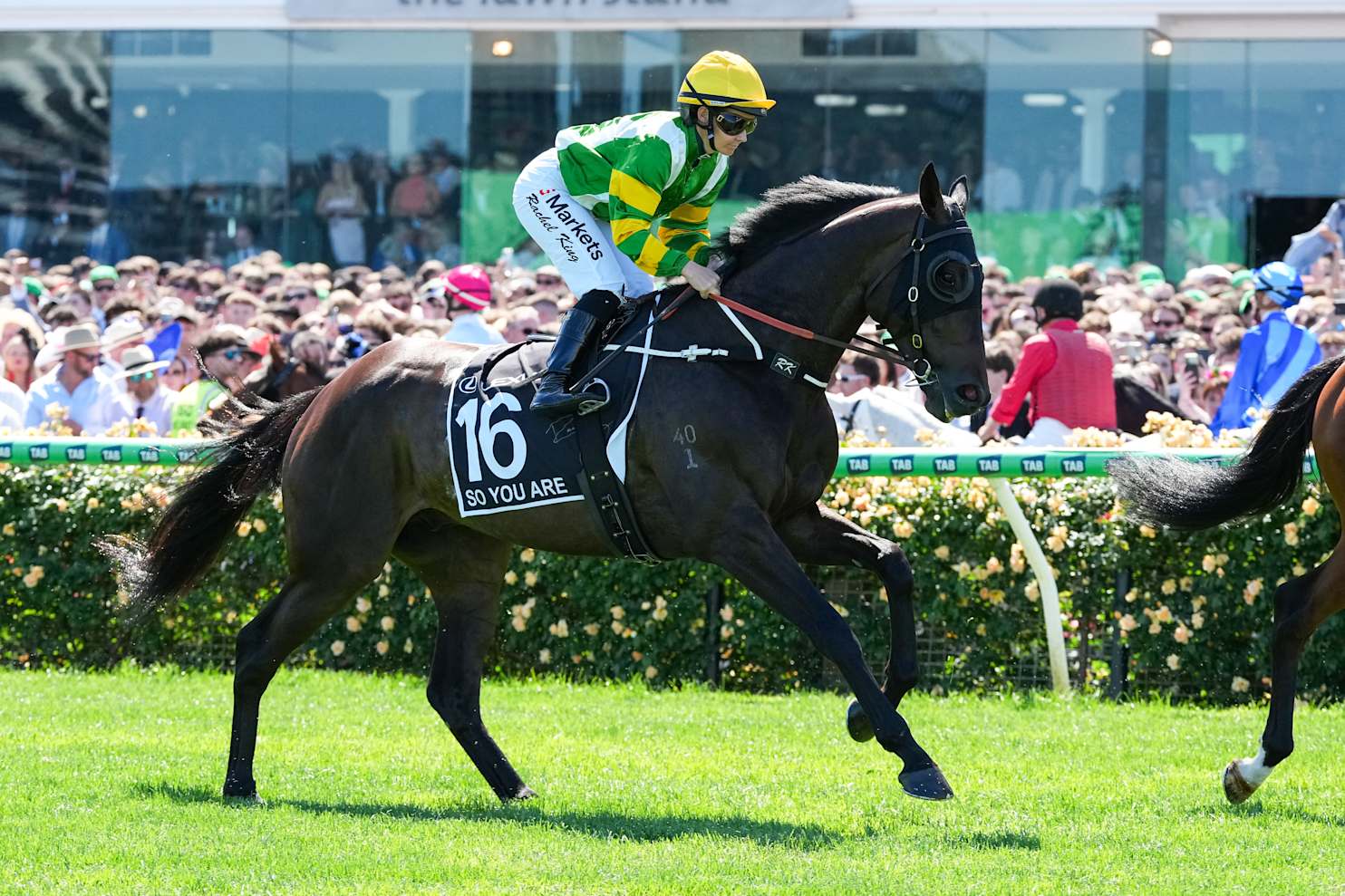
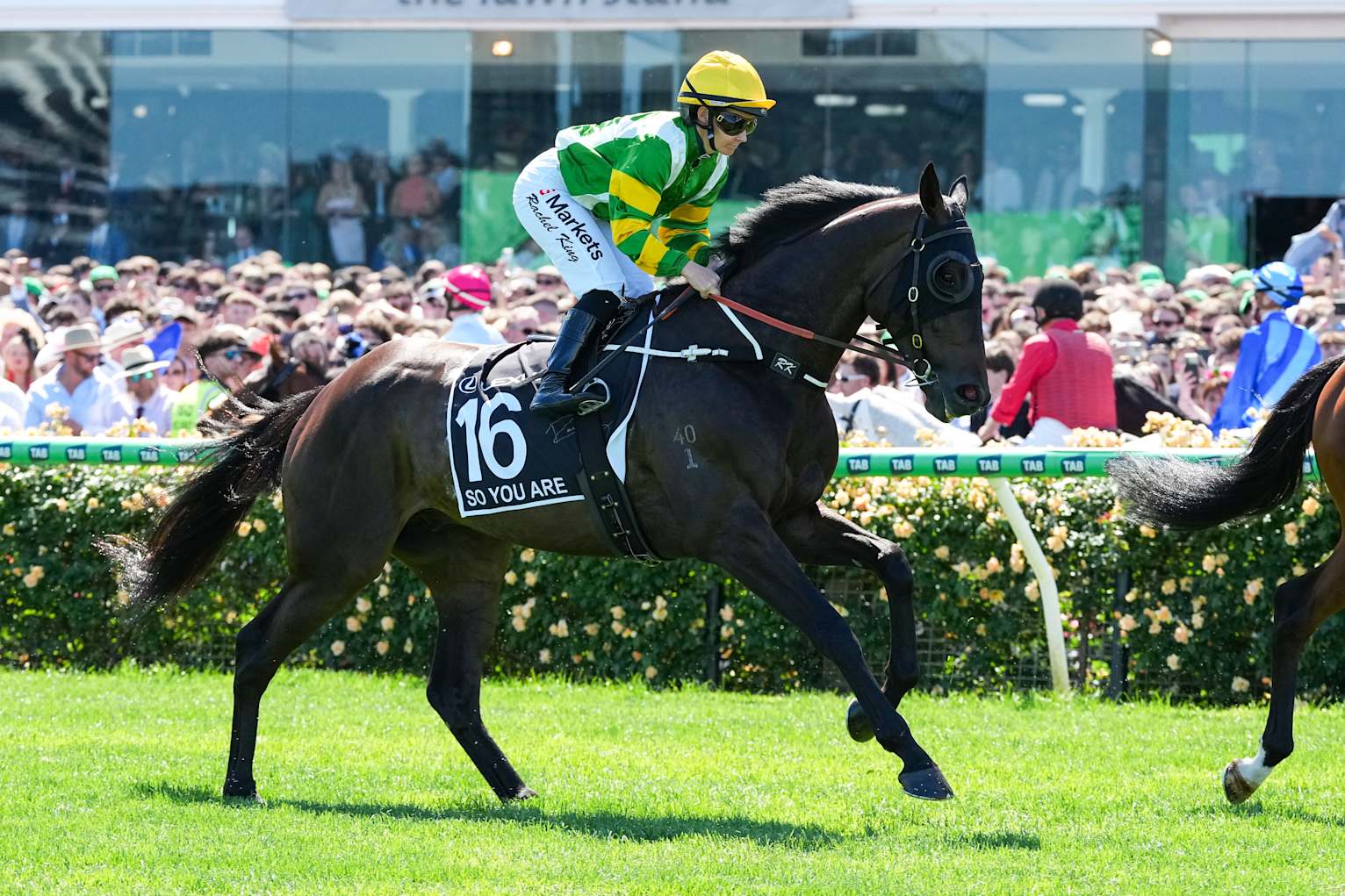
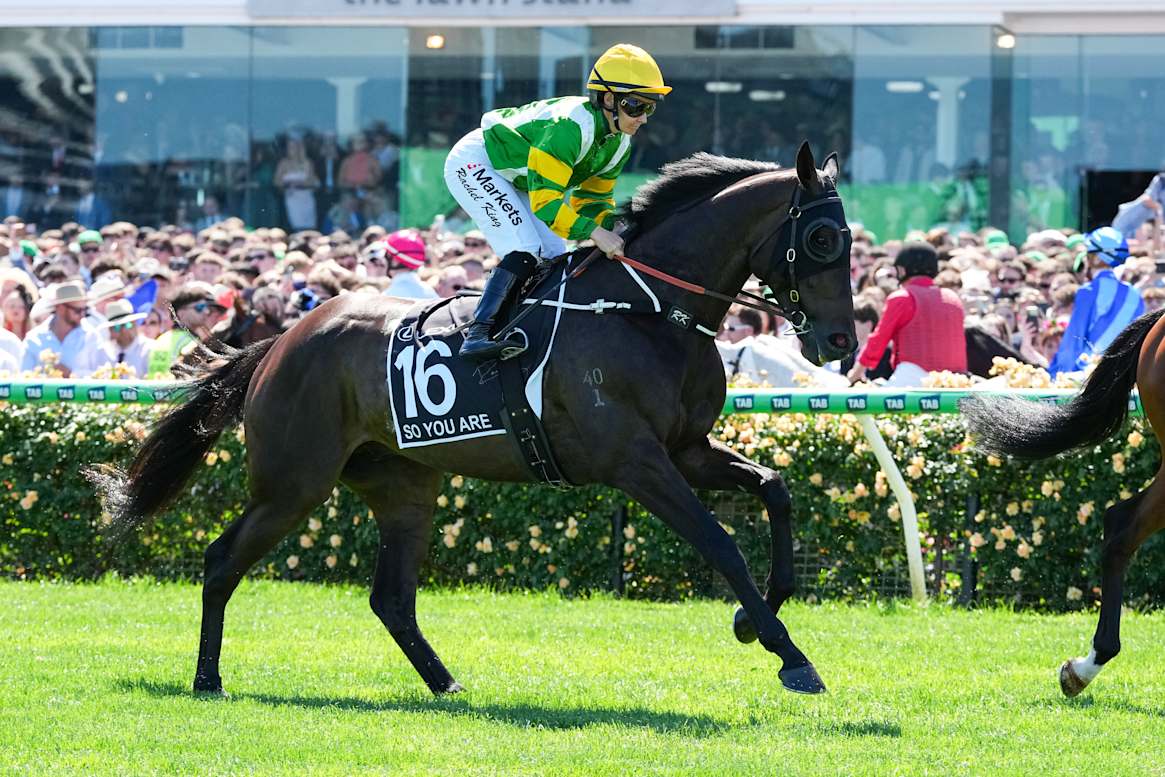
The post-mortem treatment of Melbourne Cup runner So You Are represents, without a word of hyperbole, the saddest and most disgusting episode of sport in this country in 2026. It also appears to have broken no rules.
On Monday, he was struck with a bout of colic at a spelling farm and was rushed to an equine vet. Treatment was unsuccessful, and he was humanely euthanised under anaesthesia. Colic is a vicious ailment, which arrives like a thief in the night and kills horses in the absolute best of care. Nobody was to blame for his death. What happened next is another matter.
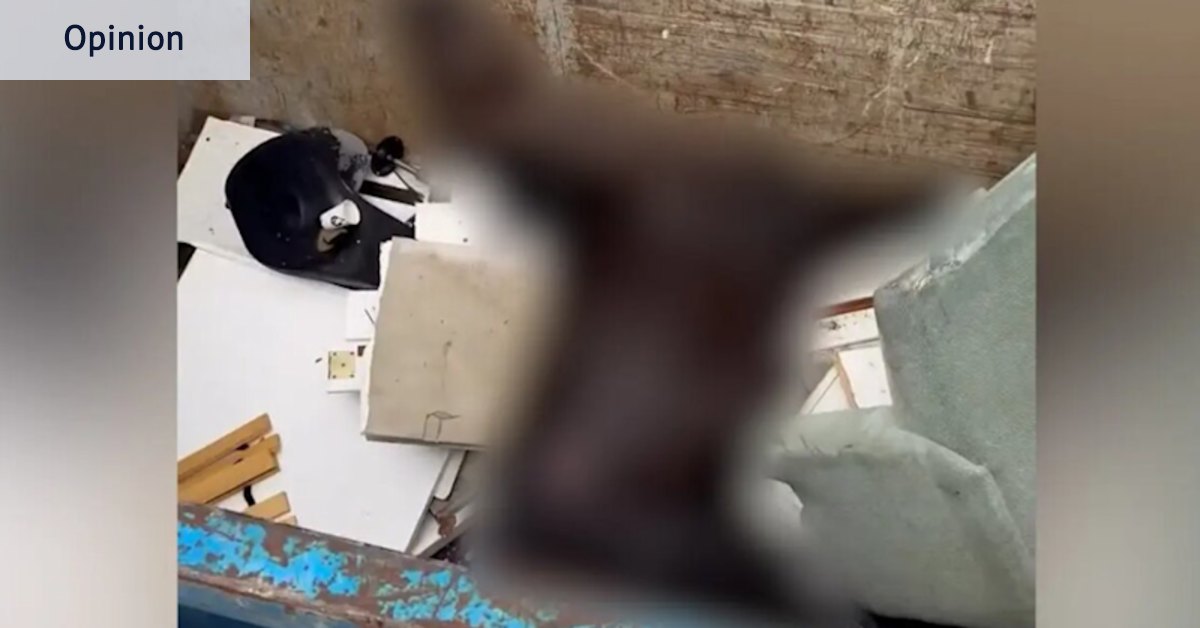
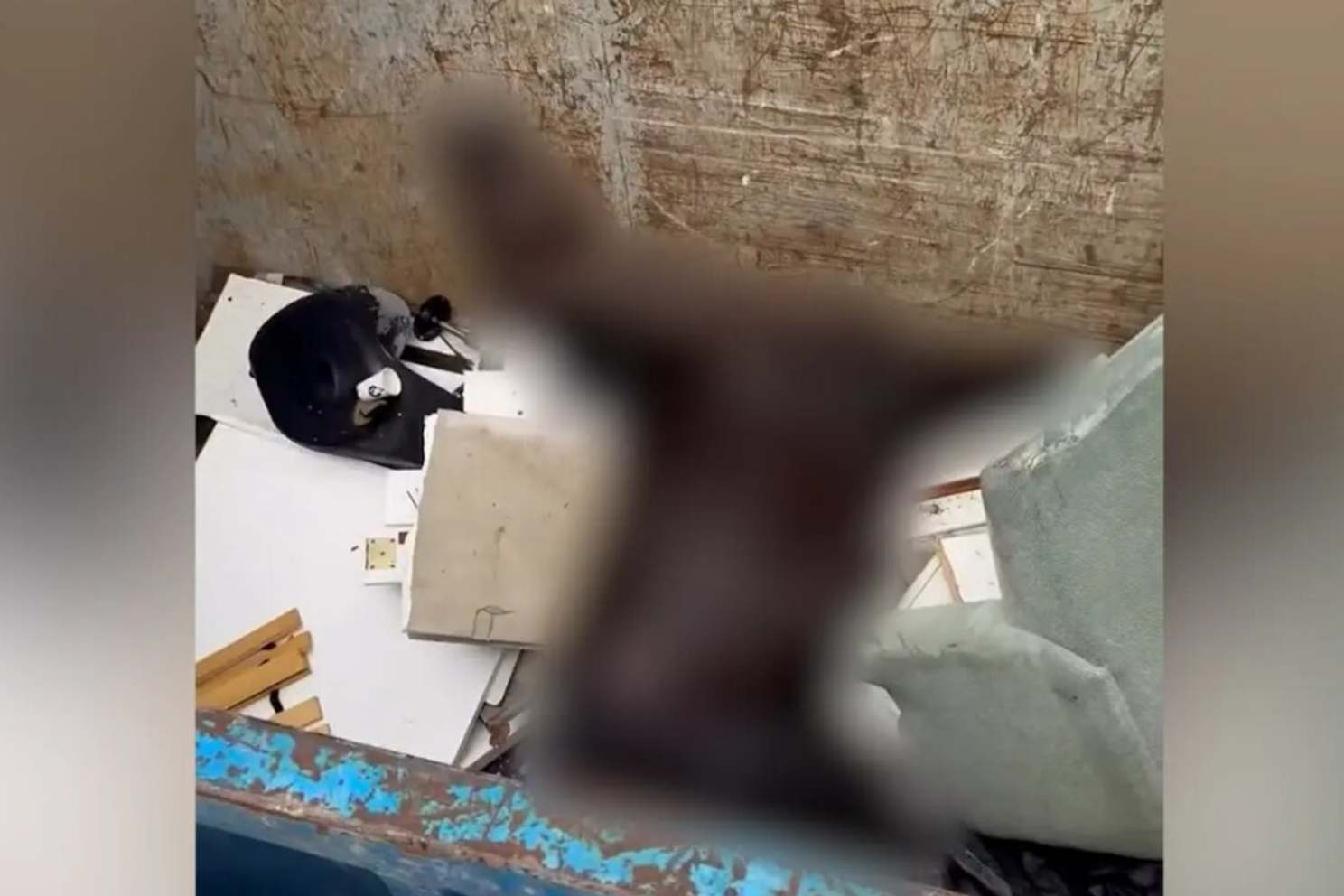
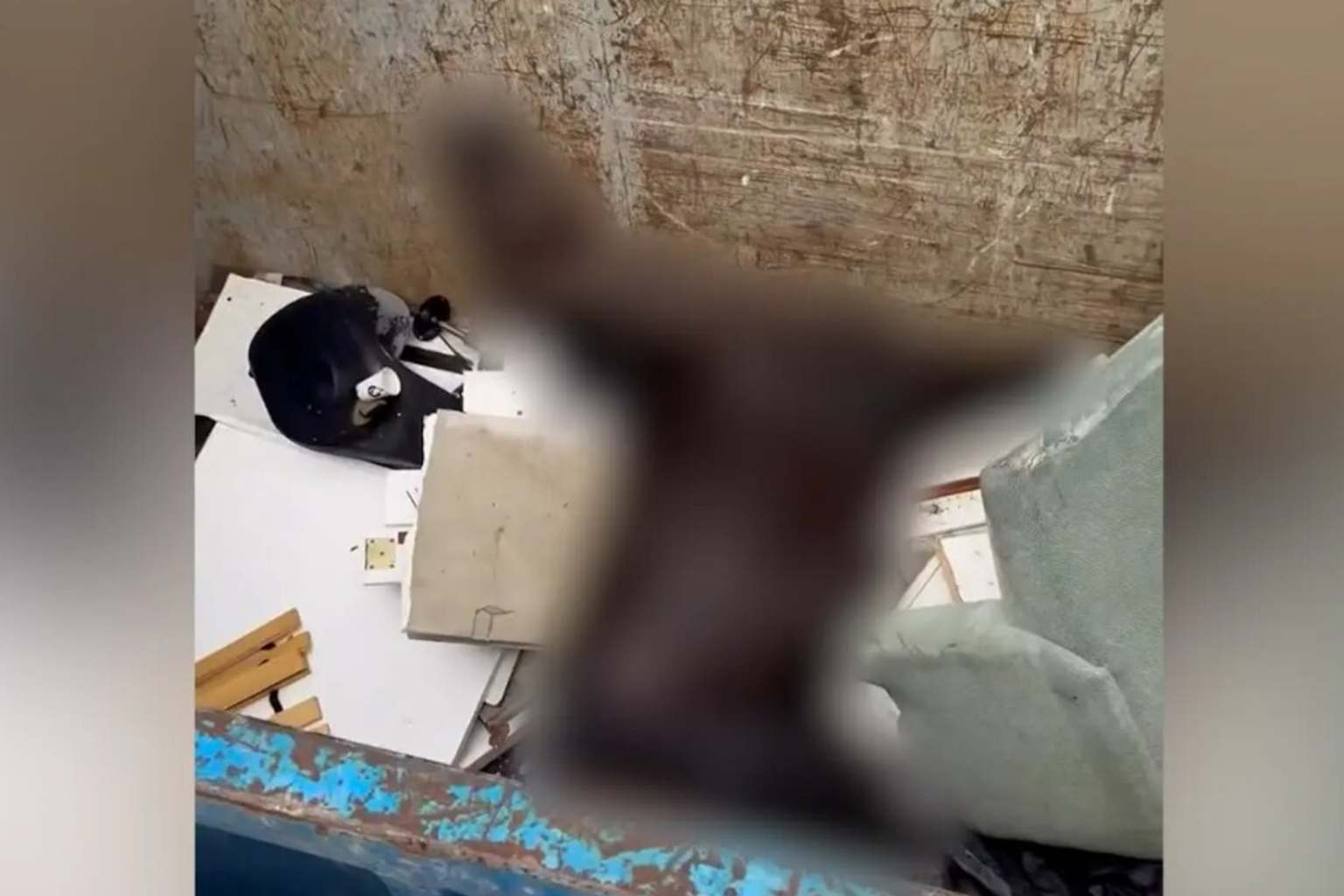
A contractor engaged by the vet, REC Equine Specialists, collected the body of So You Are and transported it to the Cleanaway dump at Lucas Heights. The dump truck was too small to be allowed onto the tipping face. So, under what apparently were established procedures, the body of a Melbourne Cup runner was decanted into a skip, where it lay beside an old sofa and other filth.
Which is where it was discovered by a builder, who had arrived to dispose of some of his own garbage. Just imagine if he’d had a four-year-old in tow …
You’d assume this was an awful one-off. But apparently, it is an established procedure. Racing NSW points out, correctly, that government guidance actually prefers the tip. This wasn’t the system breaking down. To an exceptionally large extent, this IS the system.
As you’d expect, the vet clinic has apologised profusely, stated it didn’t conduct the burial, and sacked its contractor. Which all sounds terribly adult, until you realise what’s missing. In its own statement, the clinic said So You Are “was in our care”. Indeed. He died in its operating theatre, and it was the clinic that determined who would dispose of him. It now says it should’ve known how horses are handled after they leave its hospital, and didn’t. No shit.
Most owners and trainers, I suspect, have always assumed that when a horse is put down at a clinic, the clinic buries it. And why wouldn’t they? The clinic no doubt charges for the service. And that’s rather the point. You can outsource the dump truck, but not the duty of care. Fingering a subcontractor, however sorrowfully it’s done, is a monumental cop-out.
Then there is Racing NSW which, to be fair, has earned a fair hearing on welfare. It funds some retraining and rehoming, and since 2017 its rules have banned NSW racehorses from the knackery.
That’s while horses are alive. Dead is different. Racing NSW’s Minimum Standards and Guidelines of Equine Welfare runs to 19 pages. The section on deceased horses contains a single standard, and one guideline. Lodge the form, and wear protective equipment when managing the carcass.
That’s it, and it’s unacceptable. It’ll tell you how a racehorse may be put down, by whom and on whose certification. It has nothing whatsoever to say about whether the owners must be asked what they want, who may cart the body away, how long it may sit about, or where.
So when Racing NSW promises to act if its investigation finds wrongdoing, I’ve a question. Under which rule? The owner’s and trainer’s obligations ended with completing a form as per the guideline. The clinic treats racehorses under a Racing NSW permit, yet I can’t identify a single condition of it that says a word about the carcass.
The carrier and the tip aren’t bound by the Rules of Racing at all. It’s like promising to throw the book at somebody, only to discover the book is confetti.
But it gets worse when the government turns up. The Department of Primary Industries has issued an official advisory, or Primefact, on animal carcass disposal. Landfill is the first choice for a euthanised animal, because the toxic drugs rule out rendering and could poison scavenging animals. Sending So You Are to the tip broke no law as far as I’m aware.
Which is the problem, not the answer. The Primefact draws no distinction between a Melbourne Cup runner and a flock of drought-killed sheep. Its second choice is the knackery, which Racing NSW’s own rules forbid.
And the Environment Protection Authority’s waste classification guidelines go one better. A dead animal is animal waste; general solid waste. As far as the regulator is concerned, So You Are sat in the same class as whatever was scraped off last night’s dinner plates.
So three arms of the state touch a dead racehorse – the department, the EPA and Racing NSW – and none of them owns what happens between the vet’s surgery and the ground. It is nobody’s job. Which is how you end up with a horse in a skip.
Across the Tasman, they’ve worked it out. New Zealand Thoroughbred Racing put significant money from its 1 per cent welfare levy into that country’s first dedicated equine crematorium, which opened in Waikato in October 2025. When a horse dies racing, trialling or in trackwork, NZTR pays for the cremation and for some or all of the transport. The ashes go back to the owner on request.
And in NSW? Racing here is a multibillion-dollar industry and one of the state’s biggest employers. The Everest, at $20 million, is the richest race run on turf. What we don’t have is an industry-funded crematorium, an accredited carrier, or any paper trail at all from the clinic to the grave.
Binning just a couple of NSW’s 50 or so million-dollar plus races, and directing the funds instead to afterlife care, would fund the entire program.
The maddening part is that racing knows precisely what it owes its horses. When Northerly – winner of two Cox Plates and a Caulfield Cup – was put down with colic in 2012, his breeder buried him at the West Australian stud where he was born. It took two truckloads of lime sand and a grave more than three metres deep, because Northerly was buried standing up, under the blanket he won in the Australian Cup.
His breeder told The West Australian he’d carried the notion for 60 years that burying horses upright and facing east is the highest respect you can pay to a horse. I’d like to think that’s true, but it hardly matters. It was what he believed the horse had earned. It was the noblest way to handle a brave horse after death, to bury them standing, facing the rising sun.
Nobody is asking for three metres of lime sand for every horse. But somewhere between a champion buried standing up and a Cup runner in a skip bin, there is surely a minimum level of dignity with which a horse should be treated. It ought to be codified.
The racing minister can’t direct Racing NSW, because the Thoroughbred Racing Act makes it independent of government. Carcass guidance belongs to other ministers. But the racing minister can ask, and can ask in public. And the government’s own review of that Act, which may never see sunlight, has animal welfare within its remit.
The owner must be asked what they want – burial, cremation or landfill – before the body leaves veterinary care. The body must be covered in transit, and never left in public view. Burial or cremation must occur within a fixed time, with written confirmation to the owner and to the regulator. Not exactly lofty ideals …
The veterinary practice in whose care a racehorse dies must be made answerable for the body, under its Racing NSW permit, until it is buried or cremated.
An industry crematorium must be paid for out of racing’s welfare money. Racing NSW says it is reviewing its rules and minimum standards, and working with the government. Excellent. When? And how?
None of this is a charge against the vets who fought to save the horse, or the person who drove the truck, or racing people generally, who are as alarmed and as upset as the public.
The charge is against the clinic, for its part, but the primary one is against a rule book that follows a racehorse from birth to retirement and on to the manner of his death, and then starts kicking stones.
You have reached your maximum number of saved items.
Remove items from your saved list to add more.
You've used all of your gift articles. 3 more will become available on the 1st of every month.