With Australia continuing to grapple with disproportionate rates of incarceration and concerns about deaths in custody, racial profiling and over-policing, Bridging the Justice Divide brings together a panel of voices to ask what it would take to rebuild trust between First Nations communities, police and our justice system. Watch Bridging the Justice Divide on SBS On Demand.
Police in Australia are too focused on a tough on crime approach for children.
Children don't belong behind bars. And the system failed them before they landed there – especially when the vast majority of children and young people in detention have cognitive impairments, other disabilities or neurodivergence.
Children should not come to law enforcement's attention for acting up or breaking the law; and if it happens, it means we've waited too long to intervene.
This is of particular concern for Aboriginal and Torres Strait Islander communities, as First Nations young people aged 10-17 are 21 times as likely as non-Indigenous people of the same age to be in detention (according to Australian Institute of Health and Welfare June 2025 research).
Our children feel the pervasiveness of racism in their lives every day – whether it's being overly surveilled in shops or being excluded at school or just being stopped and searched – which can make them react negatively in the situation.
The intergenerational trauma of institutionalisation, caused by Stolen Generations, incarceration, and residential care, also adds to this feeling.
But our current systems don't provide our children with adequate support to deal with those traumas and learn how to move forward safely and productively.
Instead, we re-traumatise them, which can lead to acting out and encountering the police – an institution with a long history of mistreatment of Aboriginal and Torres Strait Islander kids.
In 2018, the Western Australian Police Commissioner formally apologised to the state's First Nations communities for the historic harm caused by the police.
But I find it hard to see the meaning in an apology when not everyone in your organisation has been brought along with you.
The apology doesn't mean much when cops are still over-policing Aboriginal people, over-policing children and young people, over-surveilling them. Furthermore, I believe racism is at the root of these behaviours.
Instead, police should take the time to get to know people in the community, build relationships, and treat everyone with respect.
Doing these simple things makes a world of difference in building trust between police and communities – particularly First Nations people.
I heard of a situation recently where the parents of an Aboriginal boy who committed a serious crime were willing to hand him over to a specific policeman who had taken the time and effort to build a relationship with the community.
They did this as they trusted their boy would be treated with respect and dignity.
The media gives a lot of time to the loud minority – those who are about 'tough on crime', those who share racist views, those who believe children belong in detention.
I think most Australians would agree that children, especially those under the age of 14, should not be in detention and should be supported to find positive pathways forward.
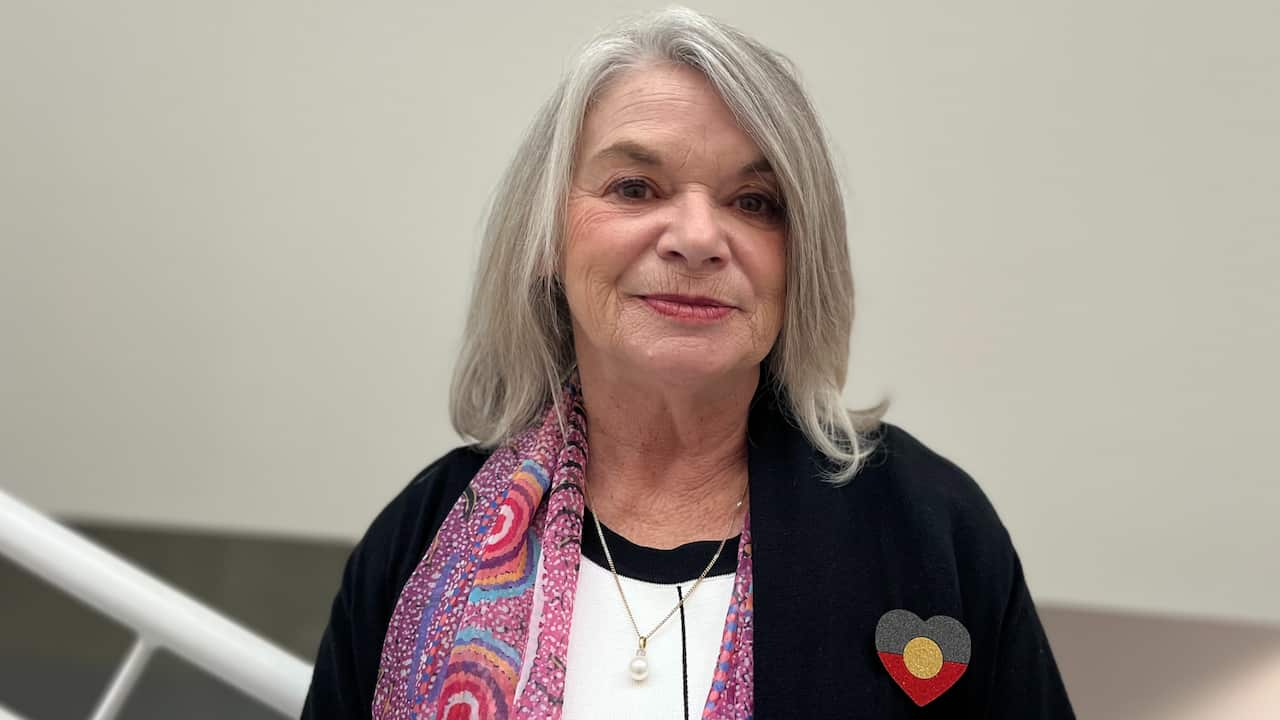
There is no “youth crime crisis” and as the West Australian Commissioner for children and young people, the statistics are clear.
For example, out of the 655,000 children and young people aged zero to 17 in Western Australia, only 82 are incarcerated.
And out of those 82, only 27 are sentenced. The rest are on remand, waiting for a bail hearing or waiting for a safe place, and about 20 of them are in the care of the state.
So, there is no youth crime crisis, but there is a crisis surrounding the lack of support for families and communities when it comes to fostering good physical, emotional, cultural, and social health and wellbeing.
We need to invest resources in reworking the system upstream by funding early intervention programs that provide holistic, wrap-around supports to families to keep their children safe, healthy and thriving.
When Mary doesn't turn up for her two-year-old's health check, let's go and see Mum and see what's happening for her.
When Tommy stops going to school, let's go and see the family and ask what support they need. Don't wait until he hasn't been at school for five years.
If the police pick Tommy up on the street and he is breaking the law, that's their job.
But there is so much we can and should be doing beforehand to prevent this, including bringing supports to families rather than leaving them to navigate multiple systems – often without being able to access the support they need.
I think everybody needs to be outraged about what is happening to our children. And not just First Nations children, all children.
We, as a society, need to be outraged that we are always reacting to a crisis. We're putting an ambulance at the bottom of the cliff.
We shouldn't be putting children – particularly those aged 10 to 14 – into juvenile detention centres.
I don't think the average person would think, "I think a 10-year-old belongs in jail", where it costs the government about a million dollars a year per child.
And imagine if we just spent half of this money helping the family support their child to foster a healthy, happy, safe, productive life.
We must stop the trajectory of building new prisons. If we build more prisons, we will fill them.
We must act with empathy and care for our children. It breaks my heart that it seems like we don't.
If people don't get outraged and speak up, our children's futures are at stake.
The most precious resource we have in Australia is not the damn iron ore we keep digging out of the ground, or gold - it’s our kids.
And if we don't invest in them, who are we?
For crisis and mental health support, contact Lifeline (13 11 14), SANE Australia (1800 187 263) or 13Yarn (139 276), a 24/7 Aboriginal & Torres Strait Islanders crisis support line, Brother to Brother (1800 435 799) or Yarning SafeNStrong (1800 959 563).