T he finding of the world’s highest court that Myanmar committed genocide is a landmark in international law. But at the heart of this case are “real people, real stories and a real group of human beings”, as Dawda Jallow, the Gambian justice minister, stressed in bringing it. This was one test of how the world has responded to the persecution of the mostly Muslim Rohingya minority in Rakhine state. The international community’s response to the majority judgment will be another.
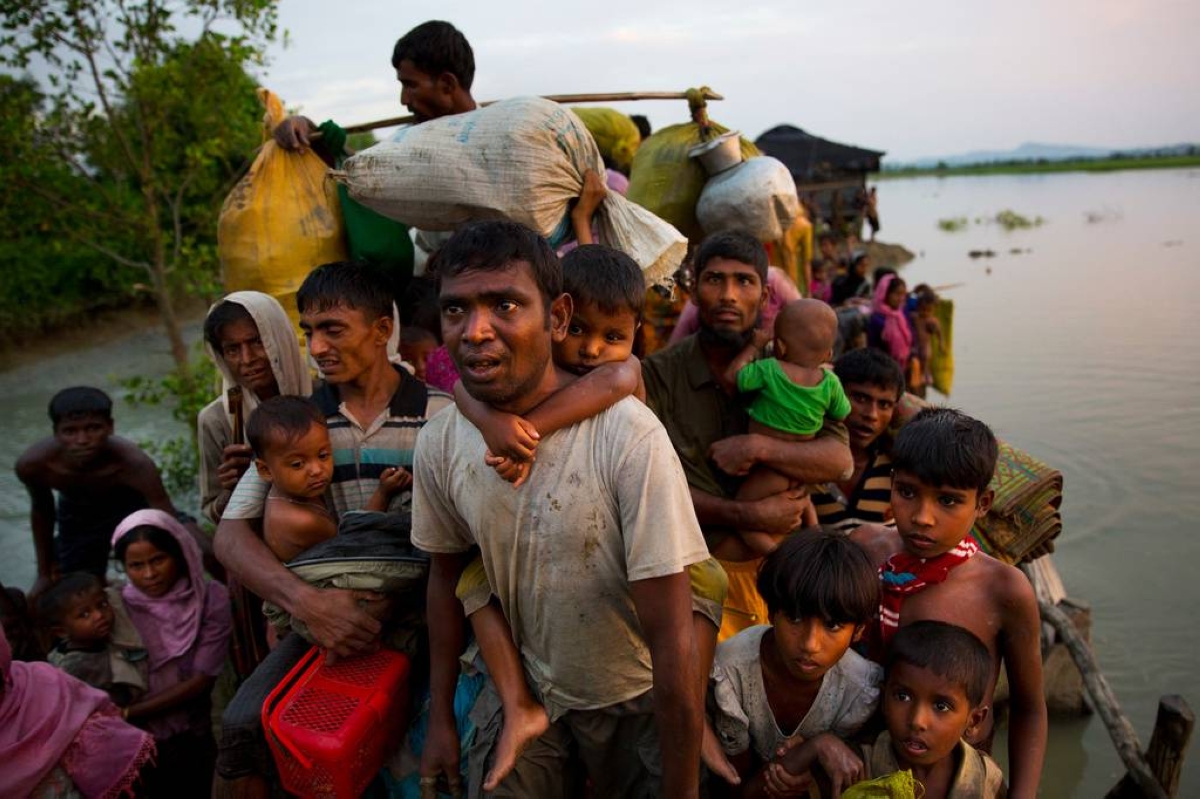
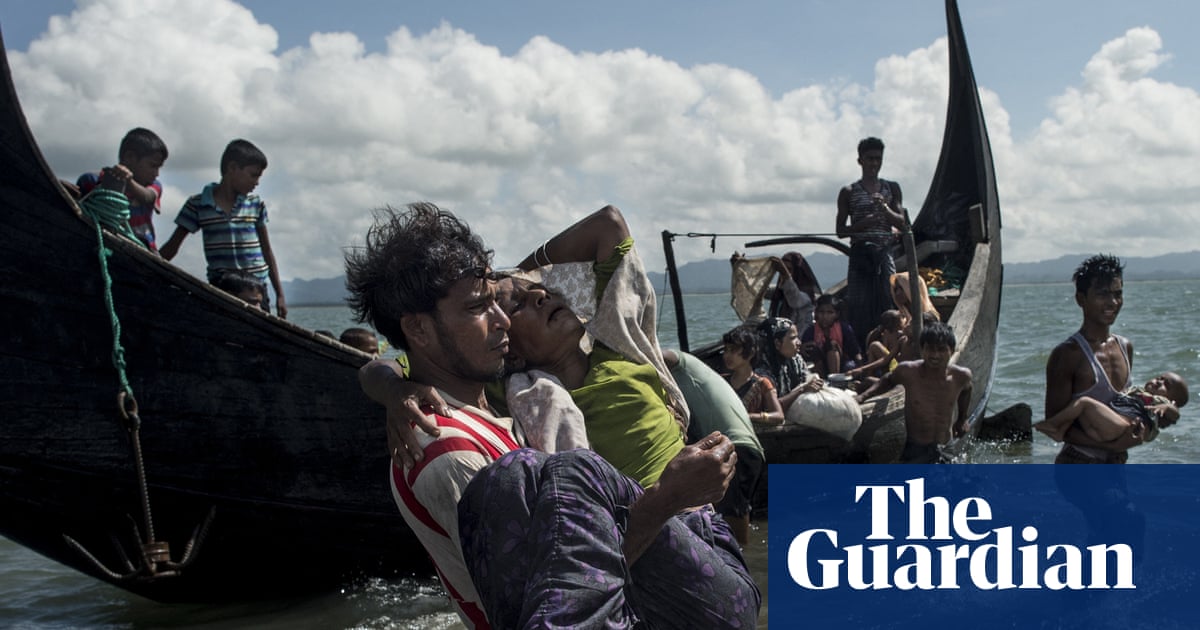
This is the first time that the international court of justice (ICJ) has found a state guilty of genocide. Around 10,000 Rohingya were killed in the 2016-17 campaign by Myanmar’s military, in many cases gunned down as they fled, with another 700,000 escaping to Bangladesh . The judges found that the aim was to destroy “a substantial part” of the Rohingya people, with the murder of infants, widespread sexual violence and razing of villages not accounted for simply by military objectives.
The bar is high; in 2007, the ICJ found Serbia responsible for failing to prevent genocide in Srebrenica in 1995, but not for directly committing it. Genocidal intent must be the “only reasonable inference” from a pattern of conduct. Legal scholars have pointed out that that need not preclude its coexistence with other aims. The court has not changed the standard, but shown how it can be applied.
Yet even before the ruling, the US ambassador to the UN, Mike Waltz, had accused Navi Pillay , this year’s Nobel peace laureate, of intending to lower the legal threshold so that it could be “weaponised against American and allied soldiers”. There is grave concern that the US will impose sanctions on Ms Pillay and fellow judges, as it has on the international criminal court , which holds individuals rather than states accountable. Israel is currently before the ICJ on genocide charges , and the relevance of Thursday’s finding to Gaza is obvious.
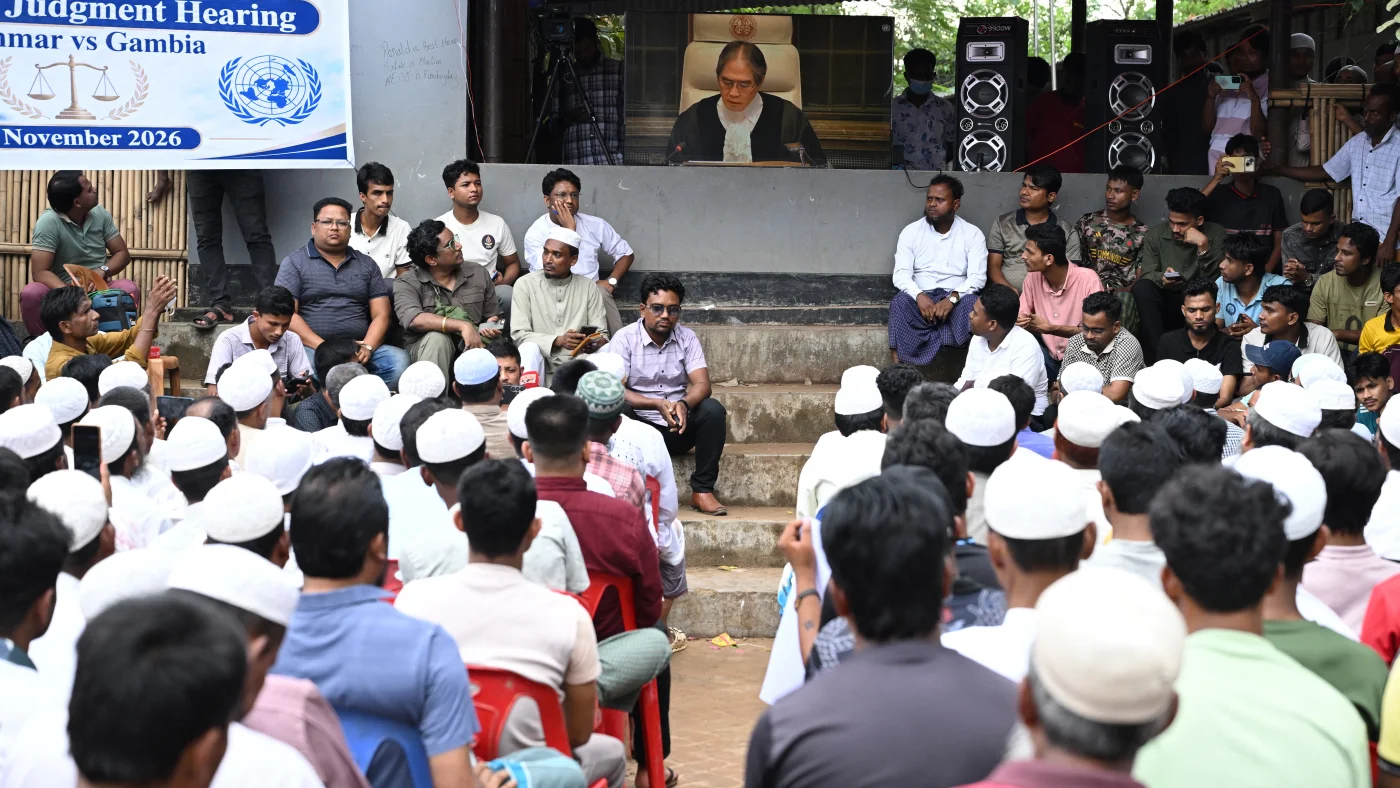
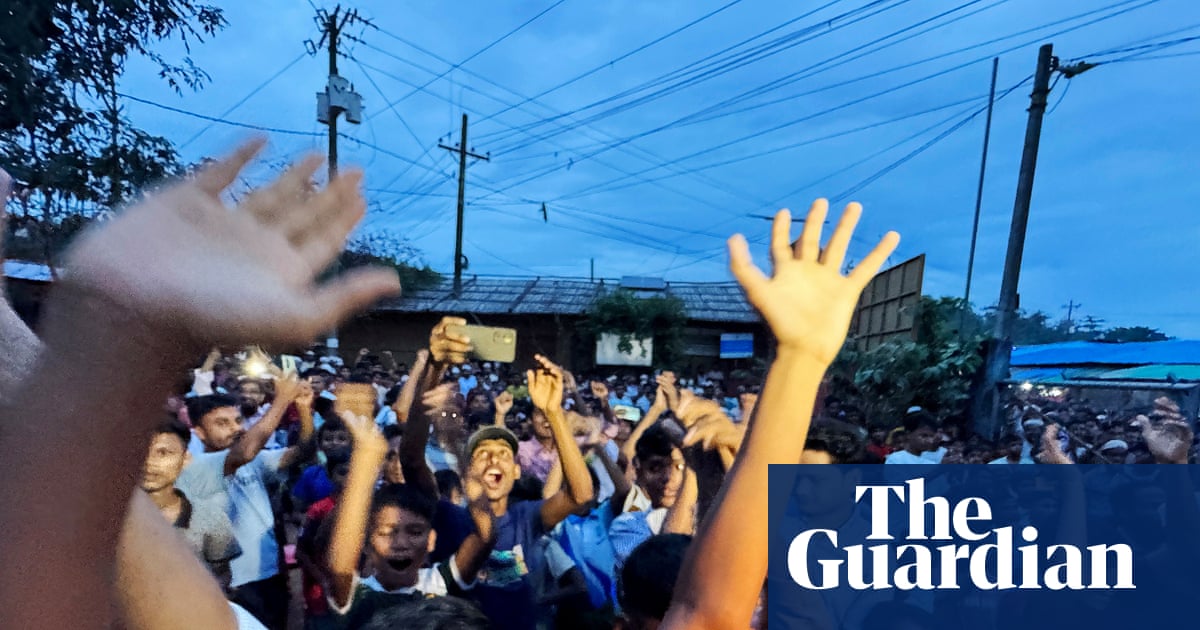
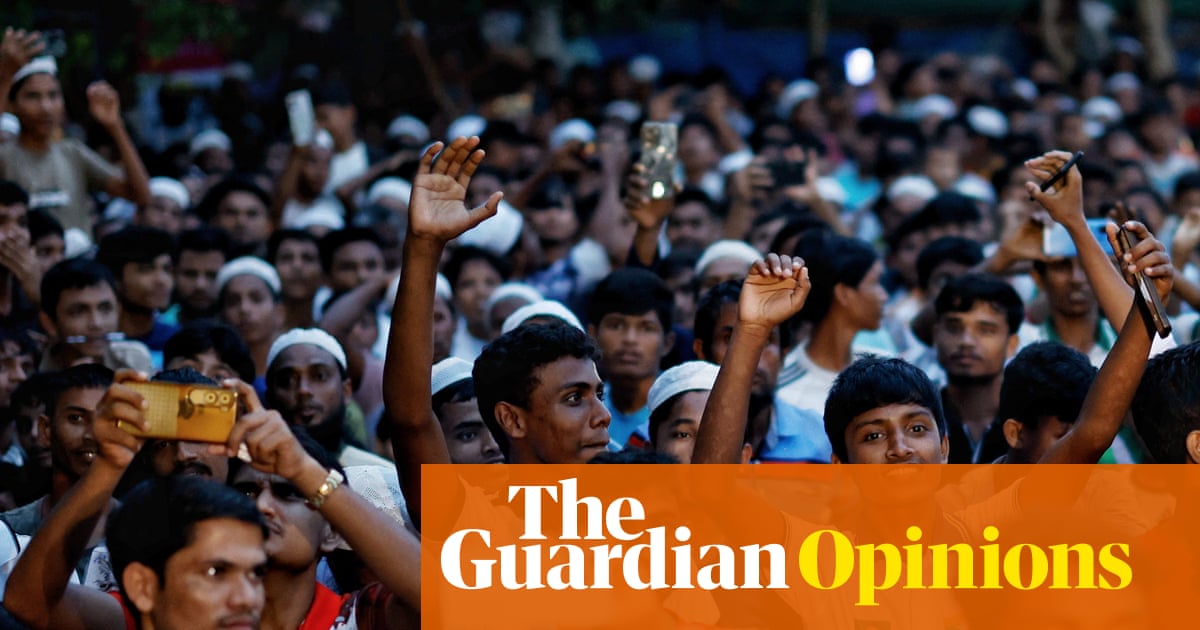
But this case is first and foremost important as an attempt to bring some measure of justice for the Rohingya, whose suffering began decades ago and continues. Survivors in refugee camps greeted the findings with applause as they watched the session on Thursday. The UN warned in August that human rights in Myanmar had hit a new low , citing the “ever-worsening brutal abuse” of members of the minority. The military has forcibly conscripted those it despises in the civil war – fuelling atrocities against them by one of the junta’s adversaries, the Arakan army. Those who have found safety abroad also face returning to danger. India has repatriated Rohingya refugees, and there are growing concerns that Malaysia may send back many more, following a visit by Min Aung Hlaing, the leader of Myanmar’s junta.
Myanmar now has two years to set out plans for full restitution, including the safe and voluntary return home that survivors still seek. If and when it fails, the court will take up the issue. But governments must play their part. The UK’s expulsion of Myanmar’s military attache was a small but welcome step. It must do much more to step up the pressure on the junta and other parties in Myanmar to ensure the safety of the Rohingya , and urge other governments to do likewise. States that believe in international law must do all they can to back this ruling and ensure that it has real consequences, both to protect the Rohingya and to show support for the court itself.
Do you have an opinion on the issues raised in this article? If you would like to submit a response of up to 300 words by email to be considered for publication in our letters section, please click here .