First published 20 Nov 2026, 5:02am
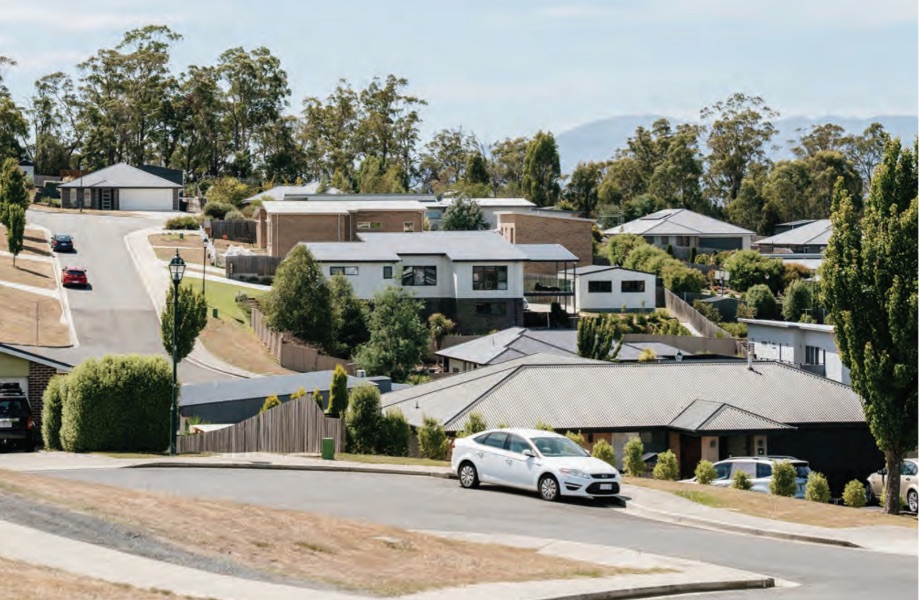
FoundIt head of research Kent Lardner says Hobart housing is well insulated against AI disruption. Picture: Supplied
The suburbs most likely to be impacted by artificial intelligence-driven job losses have been revealed.
However, the report found the likelihood of this happening in Tasmania to be low, with the state deemed one of the nation’s more immune markets.
FoundIt’s AI Housing Risk report analysed where AI-related job and wage pressure meet thin housing buffers, rising supply and softening prices over the next 12 to 24 months, by state and greater capital city area.
Head of research, Kent Lardner, found that of Tassie’s most AI-exposed areas (SA2), none were ranked High risk, two were Medium and 16 were classified as Low.
Old Beach-Otago and Geilston Bay-Risdon were the areas with Medium rankings.
Both have a workforce with over 16 per cent in clerical roles and 30 per cent in managing or professional positions.
MORE: Pool position: Rare waterfront offered first time in decades
Glen Huon showstopper has view that’s even better in person
Base Camp: A slice of Derwent Valley wilderness for sale
Hobart sizzles to top spot on national property heat map
In both areas, about 37 per cent of homes are owned outright, while 43 to 50 per cent carry a mortgage.
In Old Beach, new listings outpace sales, whereas in Geilston Bay sales and listings are nearly identical, the report found.
All but two of these exposed areas were located in greater Hobart; the others were Launceston-based: the City and Prospect Vale-Blackstone.
Low risk areas include Hobart, Lenah Valley-Mount Stuart, South Hobart-Fern Tree, and West Hobart.
In the report, Mr Lardner noted that outright homeowners with no mortgage can absorb a job loss or pay cut without risking their home.
By contrast, mortgaged households are “where pressure on income becomes pressure on repayments”.
“Hobart has its share of professional and administrative workers in exposed roles. What protects its housing markets is ownership,” Mr Lardner said.
“Not every housing market will be impacted the same way. Just because the job is affected doesn’t mean the impact will flow through evenly.
“It’s those who rely on a salary who risk being the losers from AI. Business owners and investors could be the winners.”
Business owners could be AI ‘winners’.
AMP Capital chief economist Shane Oliver said AI could impact housing in a much different way than previous technology-led upheavals.
Past disruptions affected blue-collar workers, particularly the loss of manufacturing across Australia in the 1990s, but many blue-collar workers were in a safer position, Dr Oliver said.
“Here, the impact is more on white-collar workers, finance and professional services,” he said, noting the new AI industries created may not pay as well as current white collar roles.
“They won’t necessarily be high-end jobs,” he said.
“The optimist in me says that it will probably turn out OK … but that doesn’t mean there won’t be a period of upset for white-collar jobs.”
At a SA3 level, the FoundIt report revealed that none of greater Hobart’s SA3s with 100 or more sales recorded lower house prices than a year earlier — the median also rose 10.6 per cent.
“Tasmania shows that exposure and vulnerability are not the same thing,” Mr Lardner said.
Help us improve your reading experience
Got a minute? Your feedback will help us build a better experience for you.