You have reached your maximum number of saved items.
Remove items from your saved list to add more.
You've used all of your gift articles. 3 more will become available on the 1st of every month.
There’s no shortage of commentary about how we need to improve productivity in Australia. In fact, there’s probably not a single person who disagrees – except for those who mistakenly believe it’s about working harder or having to spend more hours at the office.
Increasing productivity, which has stagnated over the past decades, will actually allow Australians to work fewer hours, or to get more out of the hours and resources we already sink into our work.
It’s something Treasurer Jim Chalmers, Reserve Bank governor Michele Bullock and many others, constantly call out as the key to lifting our living standards. Why? It’s the closest thing we have to a panacea for our economy: reducing price pressures, boosting our incomes and helping us save scarce resources.
Simply put, productivity growth is about improving how we do things so we can achieve more with the limited time, energy and inputs (everything from materials to ingredients) we have.
But what if this productivity push actually started with the government? No, not the rules or incentives they put in place for businesses or for us as workers, but the way the government itself works?
Of course, the government is hardly going to point the finger at itself. And to be fair, productivity growth is not, by any means, solely the government’s responsibility.
But Jonathan Mahon and Daniel Beadle, economists at The Committee for Economic Development of Australia, have taken a look at one of the sectors dragging down productivity growth … and found the government has a bit to answer for.
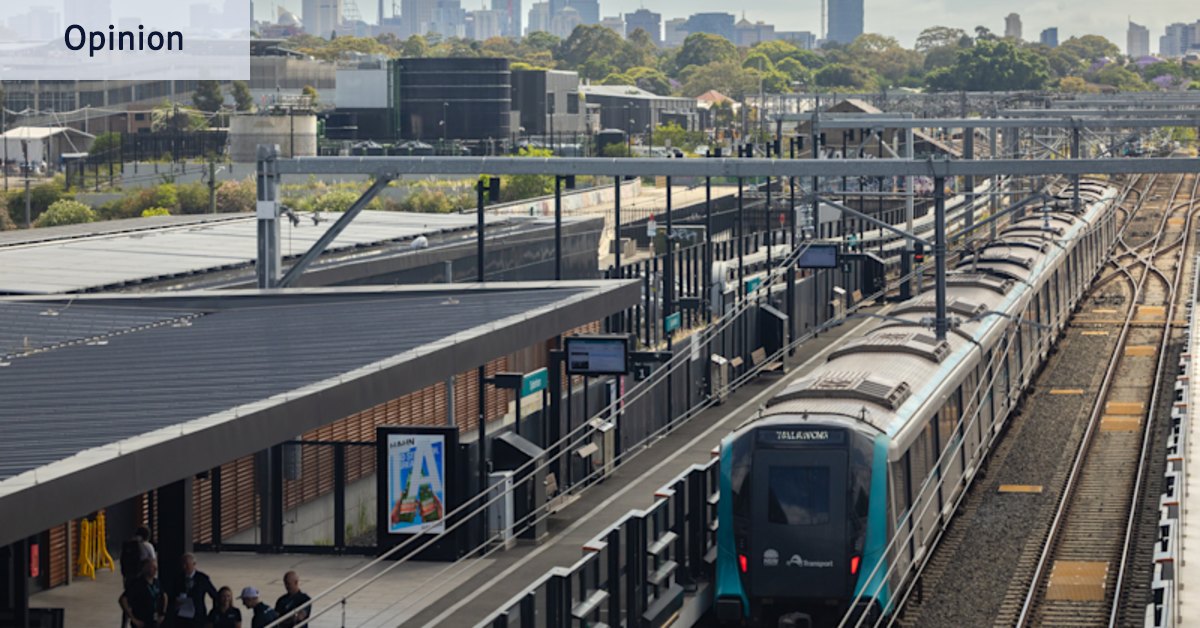
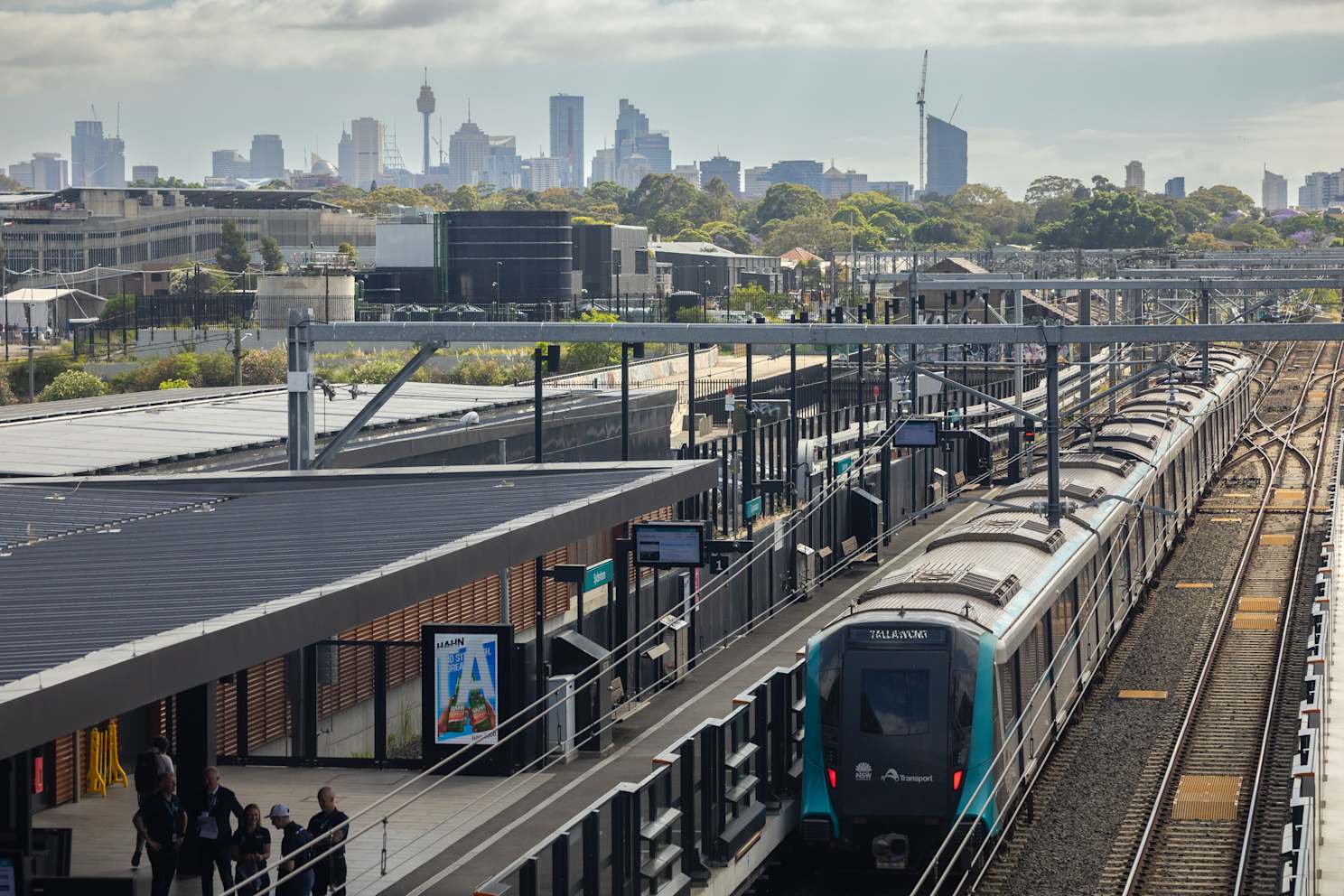
Construction productivity, they point out, is now 7 per cent lower than it was in 1990, meaning it has not just slowed but has become worse over the years. “Major projects are costing more, taking longer and too often delivering less than was promised,” they say.
This matters because Australia’s pipeline of major infrastructure projects is one of the largest in its recent history. That’s not necessarily, in itself, a bad thing.
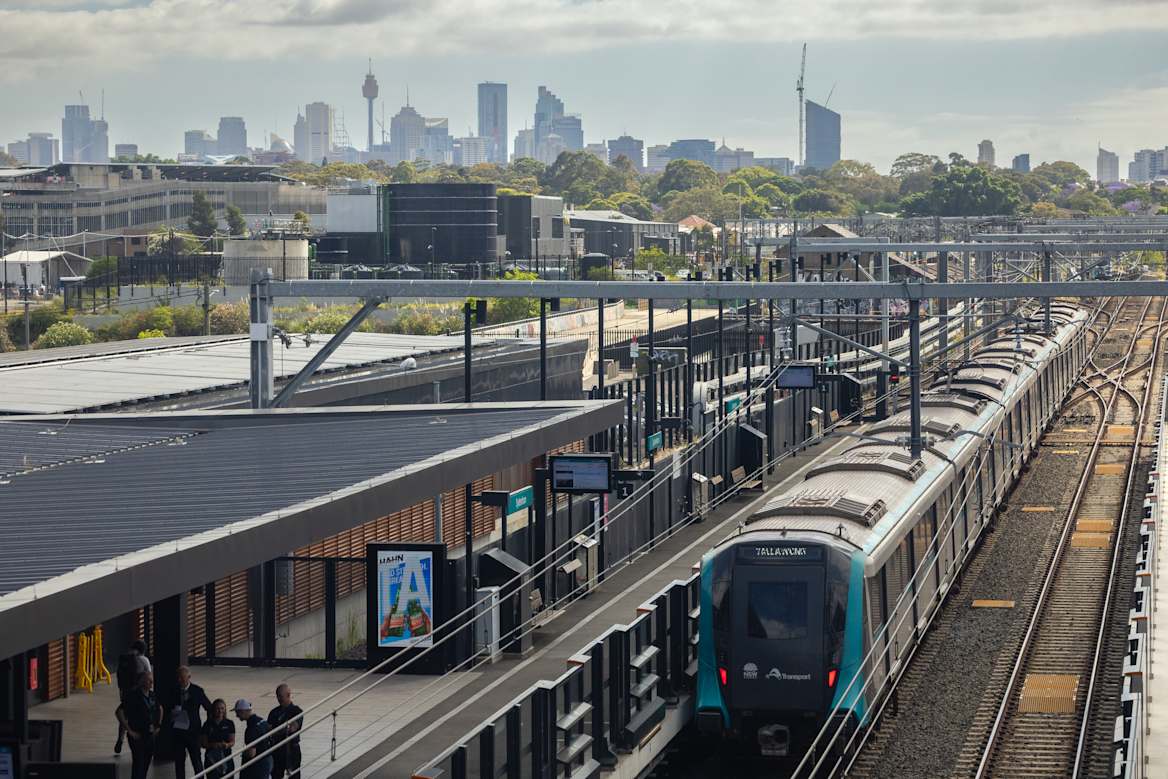
From energy transition infrastructure, to road and public transport networks and the push to build more houses (as well as, more recently, the growth in AI and data centres), a lot of the construction is to serve our growing and changing needs as a community.
But delivering on these huge projects is difficult – and not just because there are unexpected road bumps, risks and external circumstances.
Governments at both federal and state levels, which own and oversee many of these projects, have a big role to play. And more often than not, there are delays and cost blowouts.
Mahon and Beadle, who spoke with industry leaders, government officials and investors across the water, energy, resources and public infrastructure sectors, pulled together a range of suggestions which could make a difference.
First, they point out that starting from scratch wastes time and money: why completely reinvent something if you already have a good blueprint?
Infrastructure projects share many common elements, they point out, yet designs are rarely reused: each project tends to start afresh. Sure, there may be some things that need tweaking, or there may be new features that can, themselves, boost productivity.
But more often than not, each project starts from a blank page. That means each one has to be developed, assessed and approved individually, drawing out the planning process and start dates for construction, dooming it to delays from the very start.
It also means that a lot of the things that builders, designers and developers have learned from similar projects end up lost to the ether, instead of being applied to future projects to make them better. It’s like going through the bumps and bruises of learning how to ski, then being told you’re expected to become a professional golfer.
Sure, there’s some transferability, but it’s difficult to master a skill and be able to avoid all the pitfalls when you’re constantly starting from scratch.
Reinventing the wheel every time also makes it hard to develop and use technology and methods that would improve how well and how quickly we can build things.
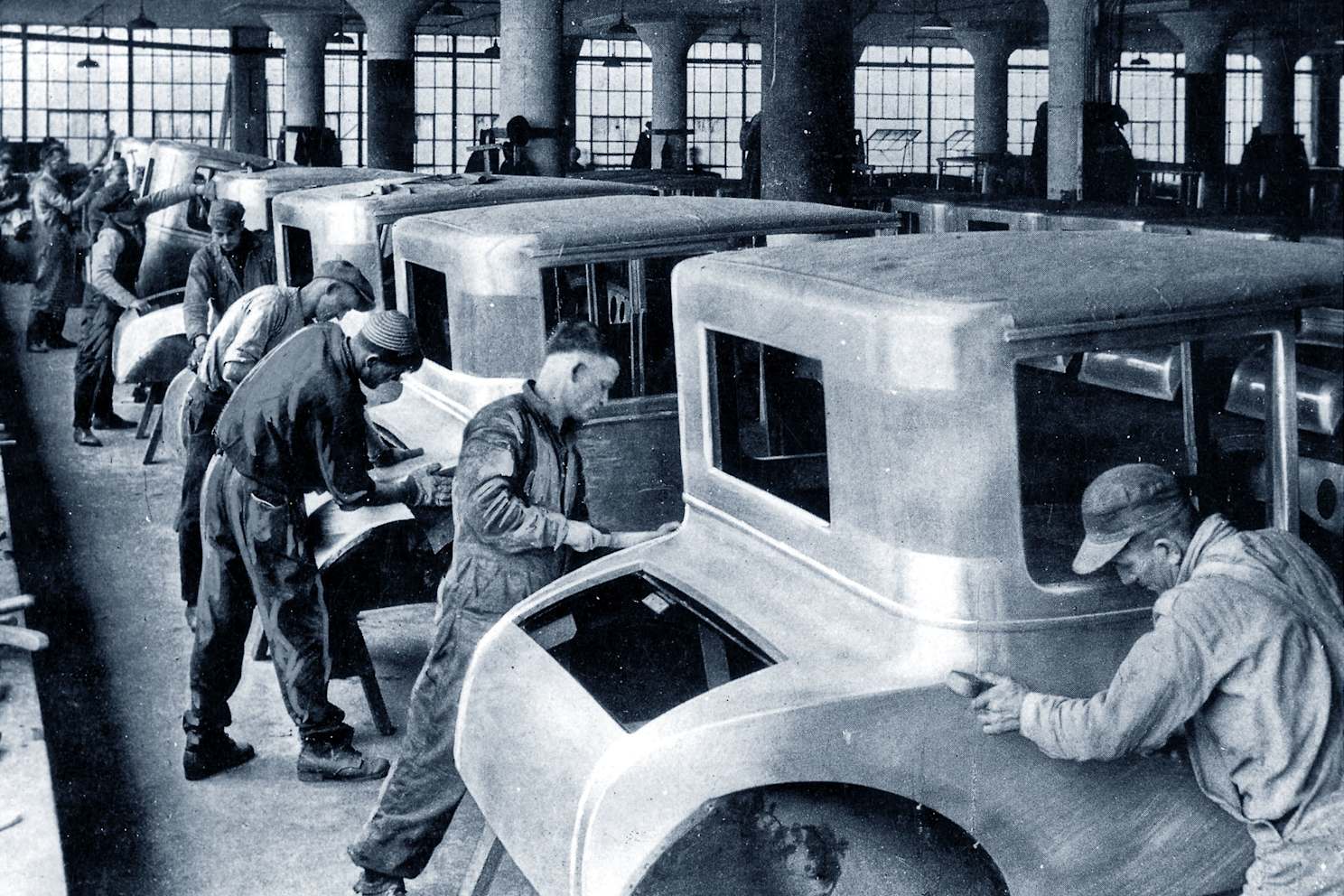
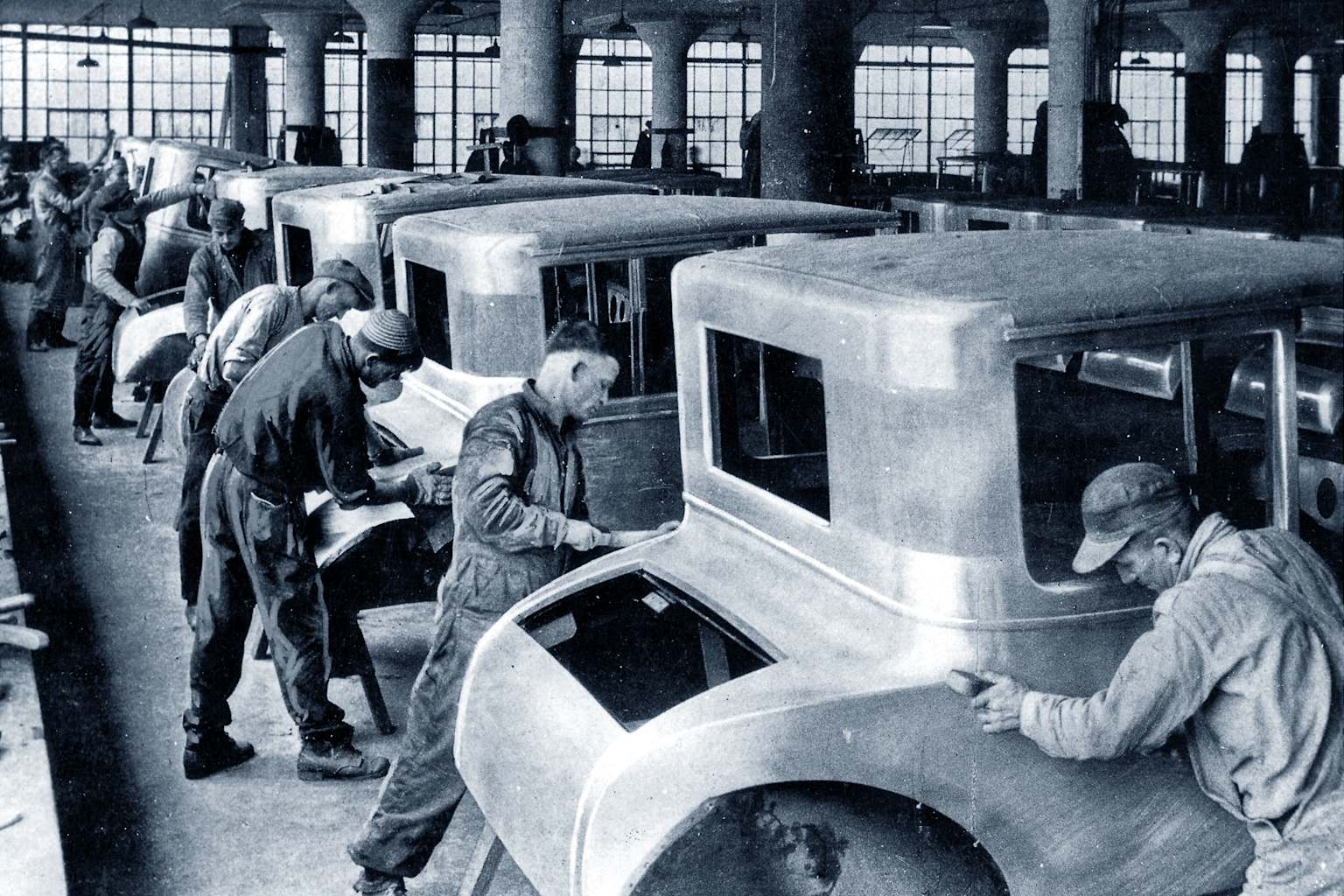
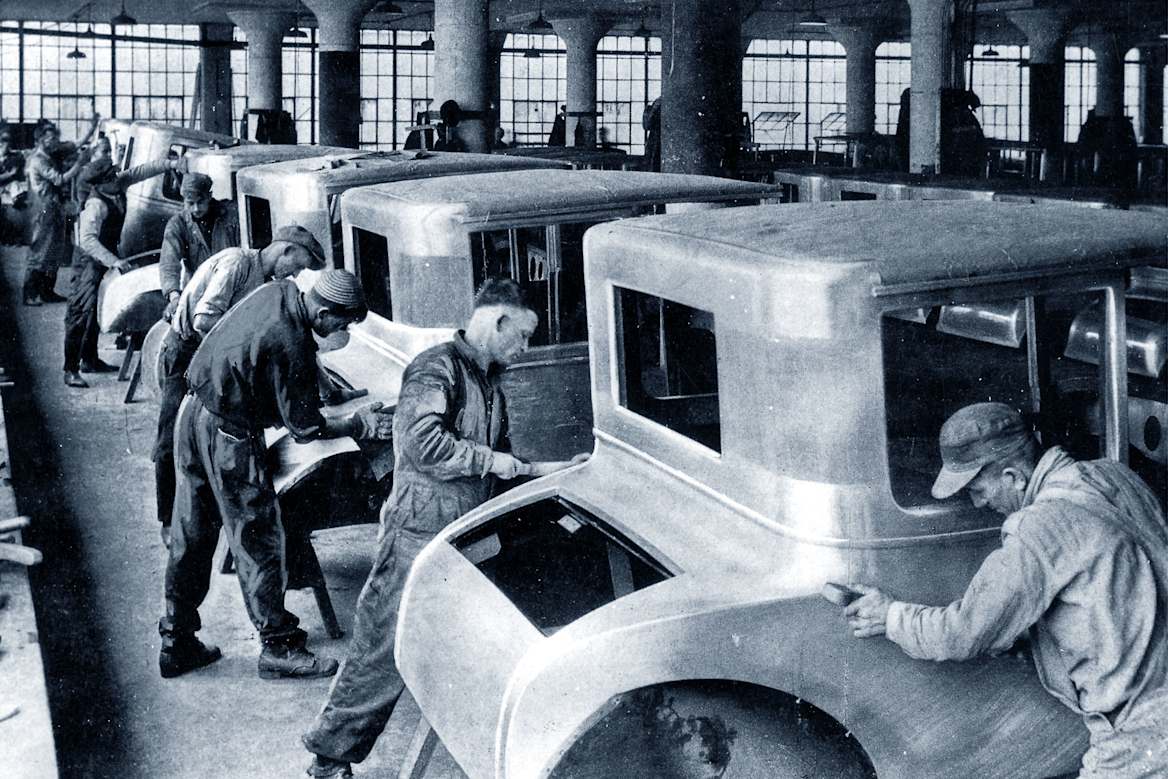
The assembly line, for example, most famously used by Henry Ford to cut down the time it took to produce a car in the early 20th century, worked because he was focused on one specific type of car.
By stationing workers at various points of the production process, where they were assigned simple tasks (and became very good at them through repetition), Ford managed to slash the time it took to produce the Model T car from more than 12 hours to 90 minutes.
While major infrastructure projects are, undoubtedly, much more complex than building a car, reusing previous designs – or at least using them as a starting point, makes it easier to develop standardised processes and productivity-enhancing technologies which can be applied across separate projects with shared features.
It also helps to “bundle” similar projects into one bidding process rather than requiring firms to go through multiple, separate processes. That’s not only so that they can apply lessons learned during one project onto another similar one, but also because it reduces the time and money spent by both sides on the procurement process.
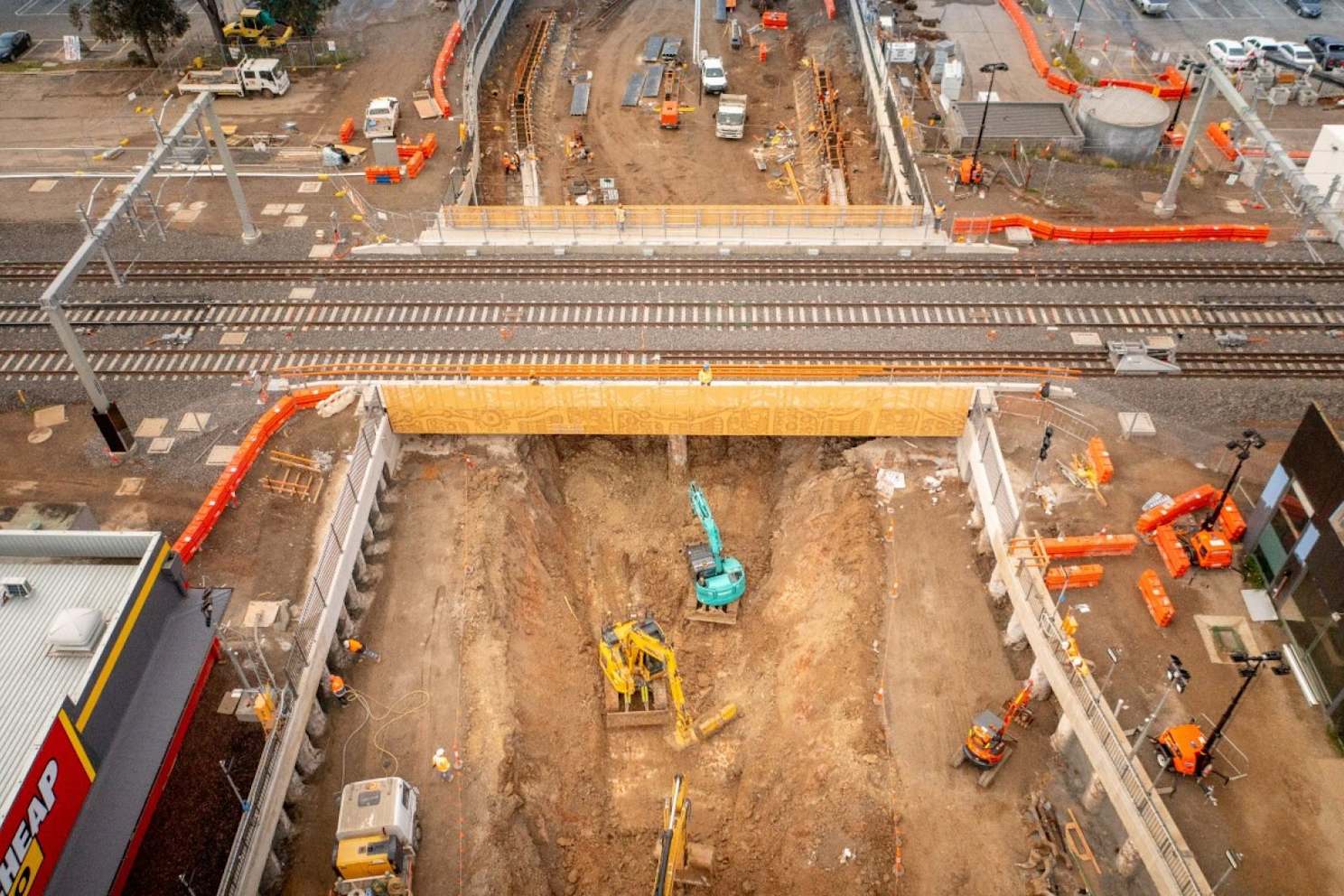
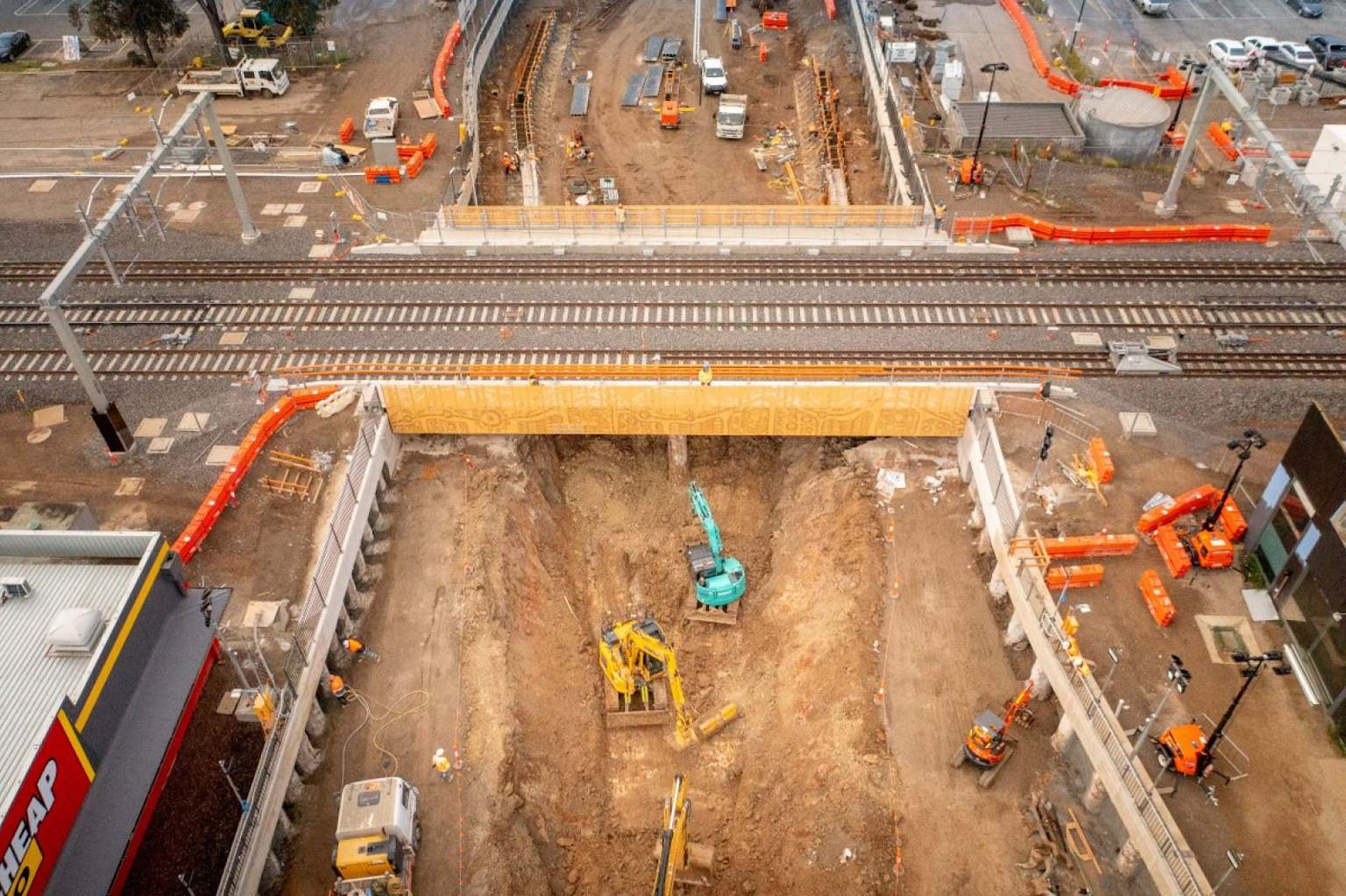
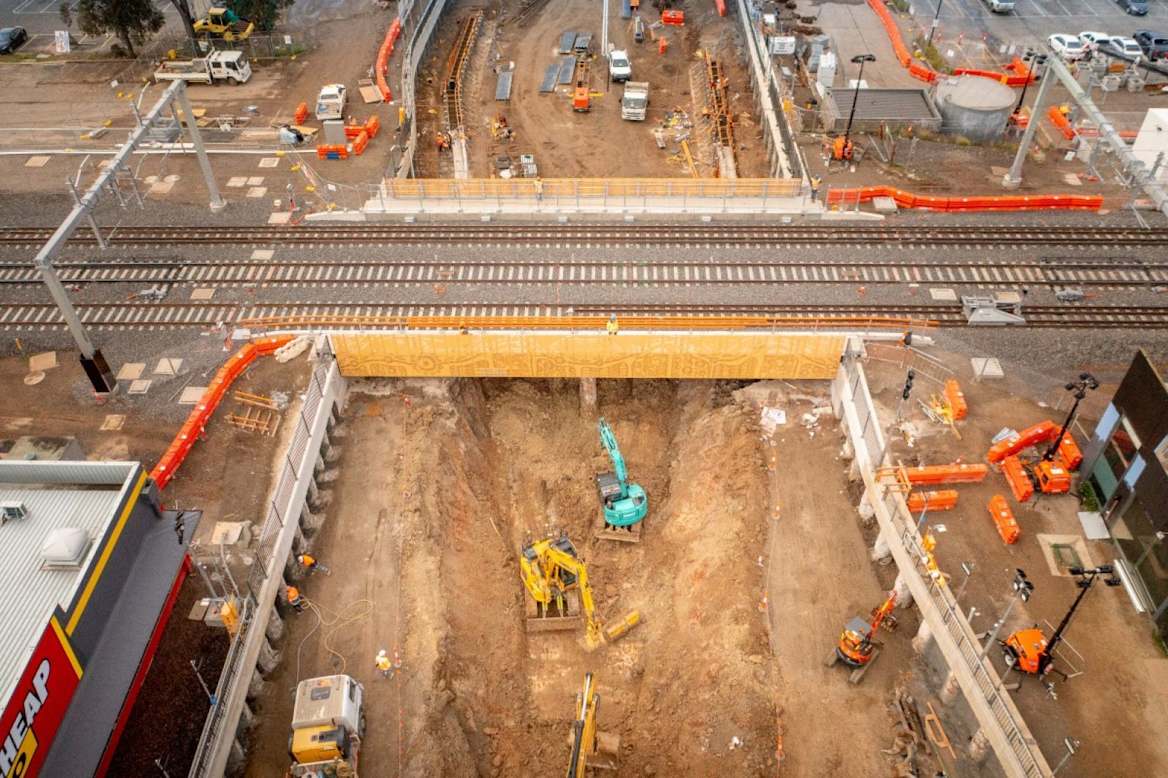
Victoria’s level crossing removal project, for example, showed that packaging similar, repeatable projects together helped the goal of removing 85 crossings by 2025 (at an average cost of $192 million per crossing) to be achieved earlier than anticipated – and for the task to be expended to removing 100 crossings by 2030 at an average cost of $180 million per crossing.
The procurement process itself also needs to be simplified.
The Queensland government’s construction procurement framework, for example, spans more than 15 documents and more than 1000 pages. This, understandably, takes a lot of time and specialist knowledge for both the government, and businesses bidding for work, to get through each time – especially if each project is being designed from scratch.
That doesn’t just take time. It also drives up the price tag of the project because businesses try to recover the costs of the time and expertise they have sunk into winning the project by charging higher prices for the final product.
There might also be weaker competition (a key driver of innovation, productivity gains and quality and price improvements for these projects) as smaller contractors, which may be less well placed to absorb high upfront costs, shy away from bidding for work.
The complexity is worsened by the fact that requirements and rules – such as staffing and local content requirements – tend to vary across states and territories. This adds cost and makes it difficult for firms operating across more than one state or territory because they need to spend more time and money understanding and complying with separate sets of rules.
There’s very little reason why contracts and construction requirements should differ so much between various states and territories. Differences should be the exception rather than rule when it comes to processes and requirements.
Mahon and Beadle also suggest that governments, as the largest buyer of major infrastructure, need to be better informed by having enough in-house commercial and engineering knowledge in their own workforces.
Only about 14 per cent of engineers work in the public sector, they point out: far below the share that would be expected of a major purchaser of major infrastructure projects. This means their teams are stretched, approval decisions requiring specialist advice are delayed, and governments end up fattening the rule book to try to manage risks they don’t understand or have experience dealing with.
While governments – both state and federal – may feel most comfortable sticking to their rules, wrapping themselves in wordy contracts and dealing with each individual project as it comes, it’s an unproductive approach.
The federal government has taken some steps such as pausing changes to the 2000-page National Construction Code. But both federal and state governments have a long way to go if they want to pull up productivity where it is lagging most and walk the talk on building up our living standards.
The Market Recap newsletter is a wrap of the day’s trading. Get it each weekday afternoon .
You have reached your maximum number of saved items.
Remove items from your saved list to add more.
You've used all of your gift articles. 3 more will become available on the 1st of every month.