You have reached your maximum number of saved items.
Remove items from your saved list to add more.
You've used all of your gift articles. 3 more will become available on the 1st of every month.
In the high-stakes, high-speed realm of professional sports, tiny tweaks to a ball can exert pivotal changes in the physics of how the object moves.
We can observe these changes most keenly where airflow and pressure interact with a ball’s surface to influence its spin, speed and direction.
Tennis players, for example, are fussy about the ball they select for a first serve because they want a newer, less-fluffy option, which has the smallest amount of drag and will bullet towards their opponent fastest.
But what if a ball has more texture and turbulence on one side than the other? This is where things get interesting. And if you’re an under-pressure Test cricket fast bowler, they get utterly tantalising.
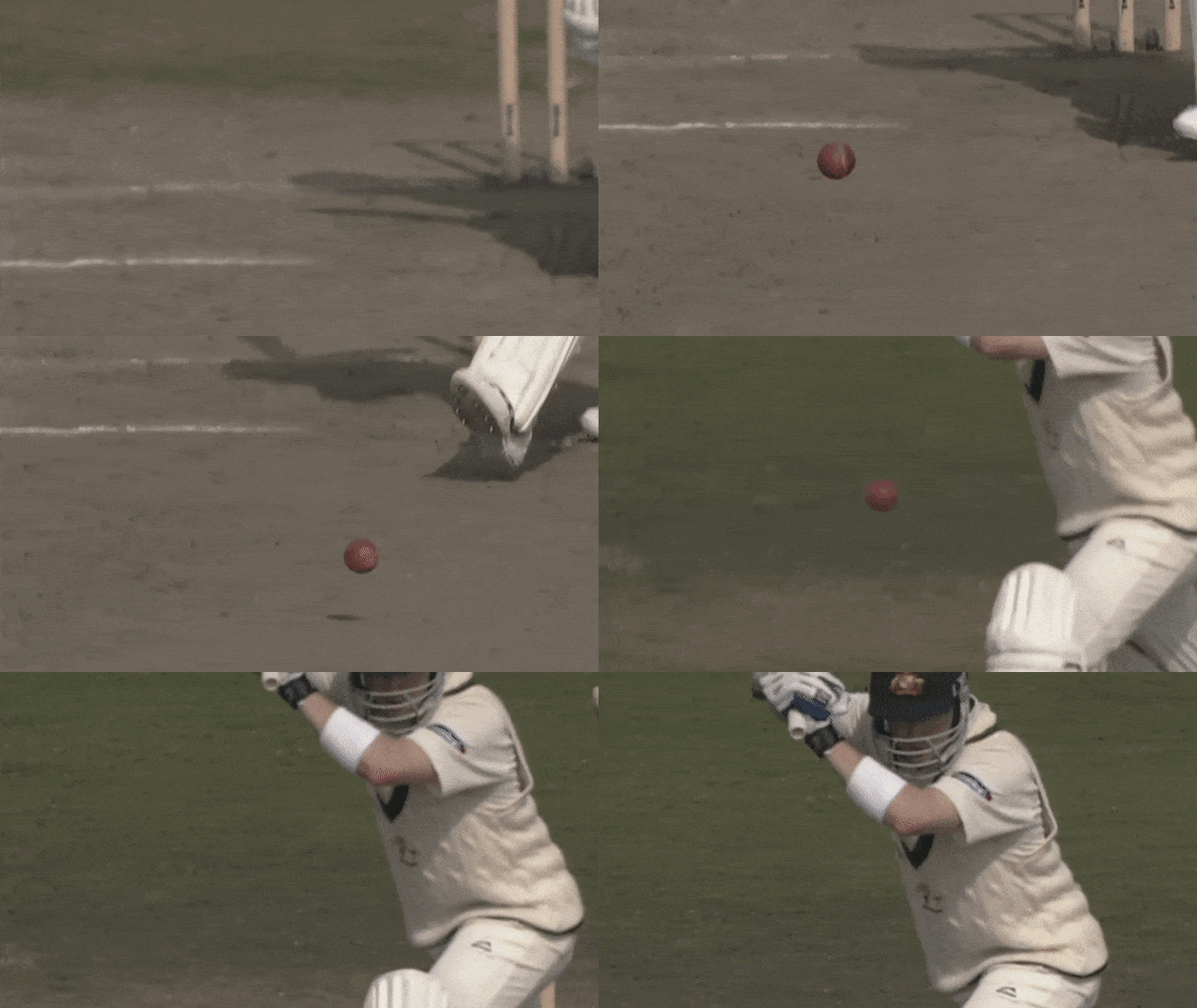
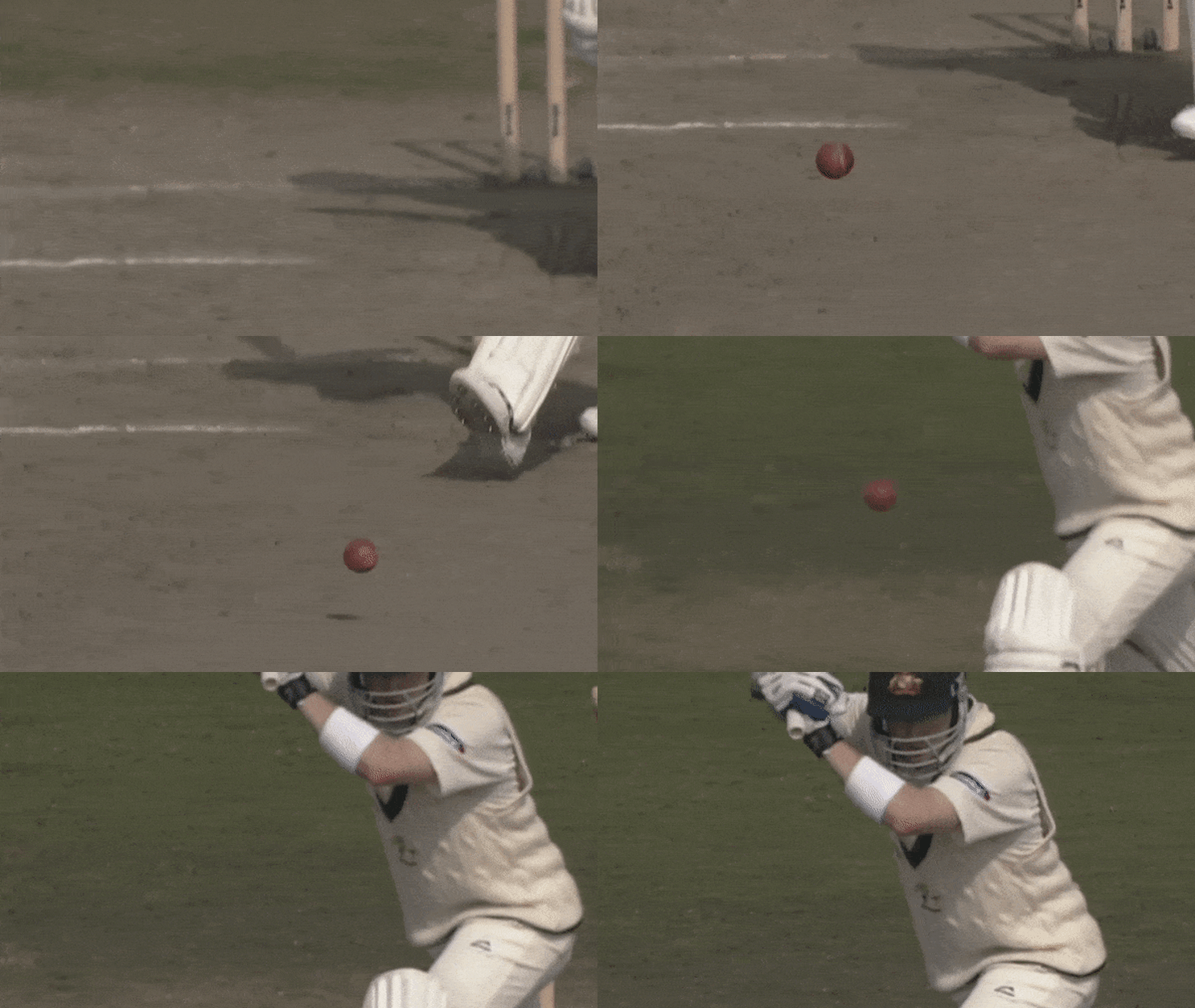
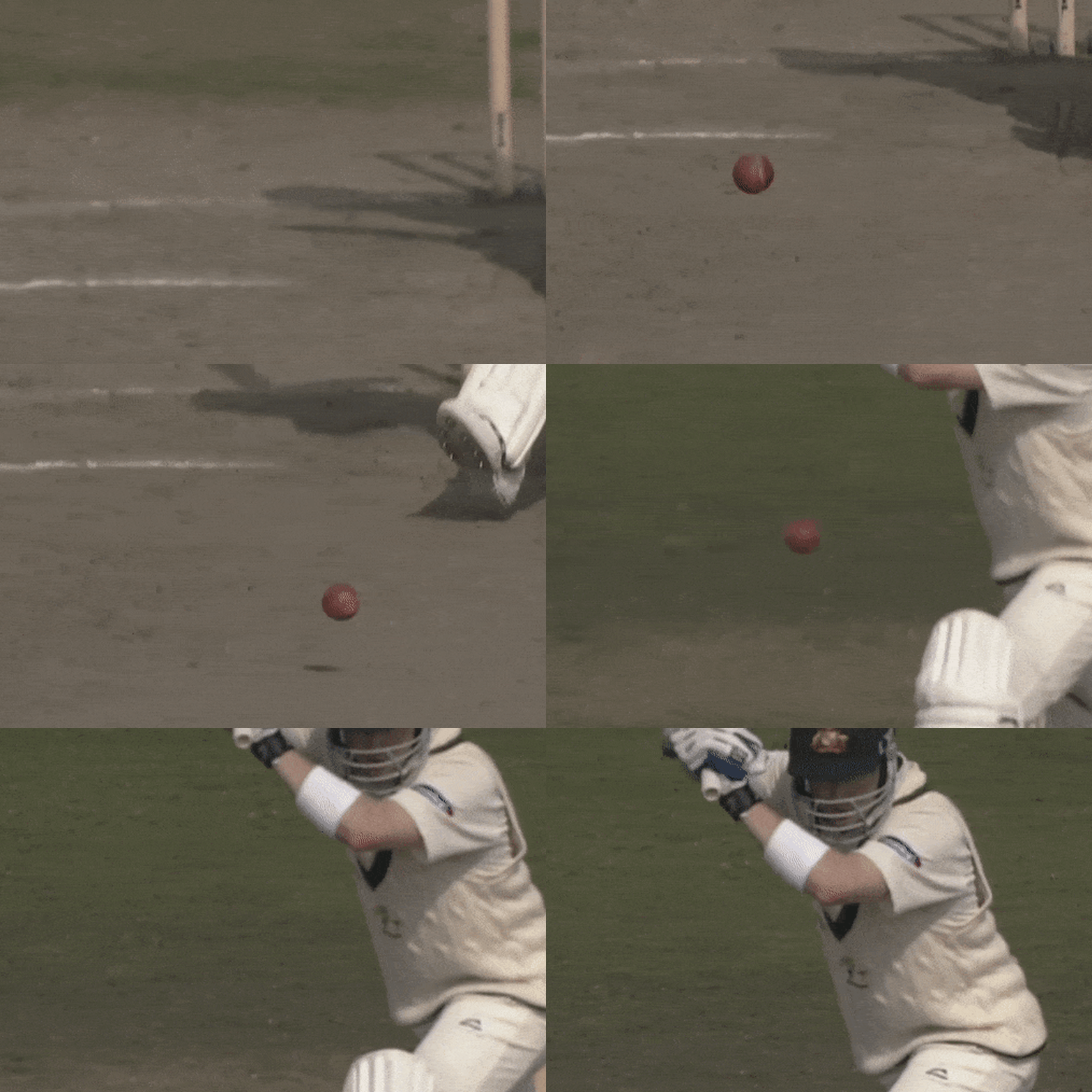
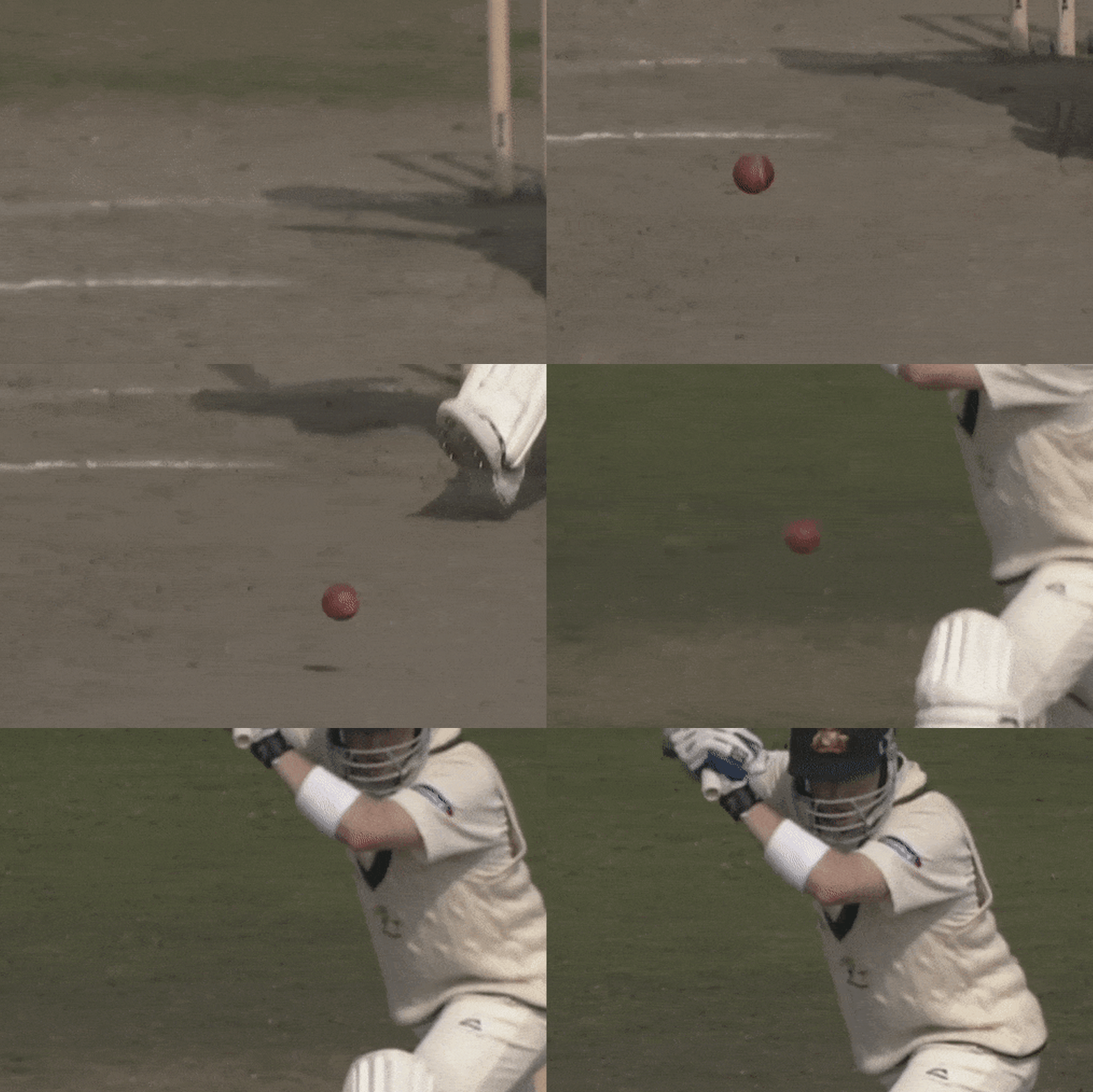
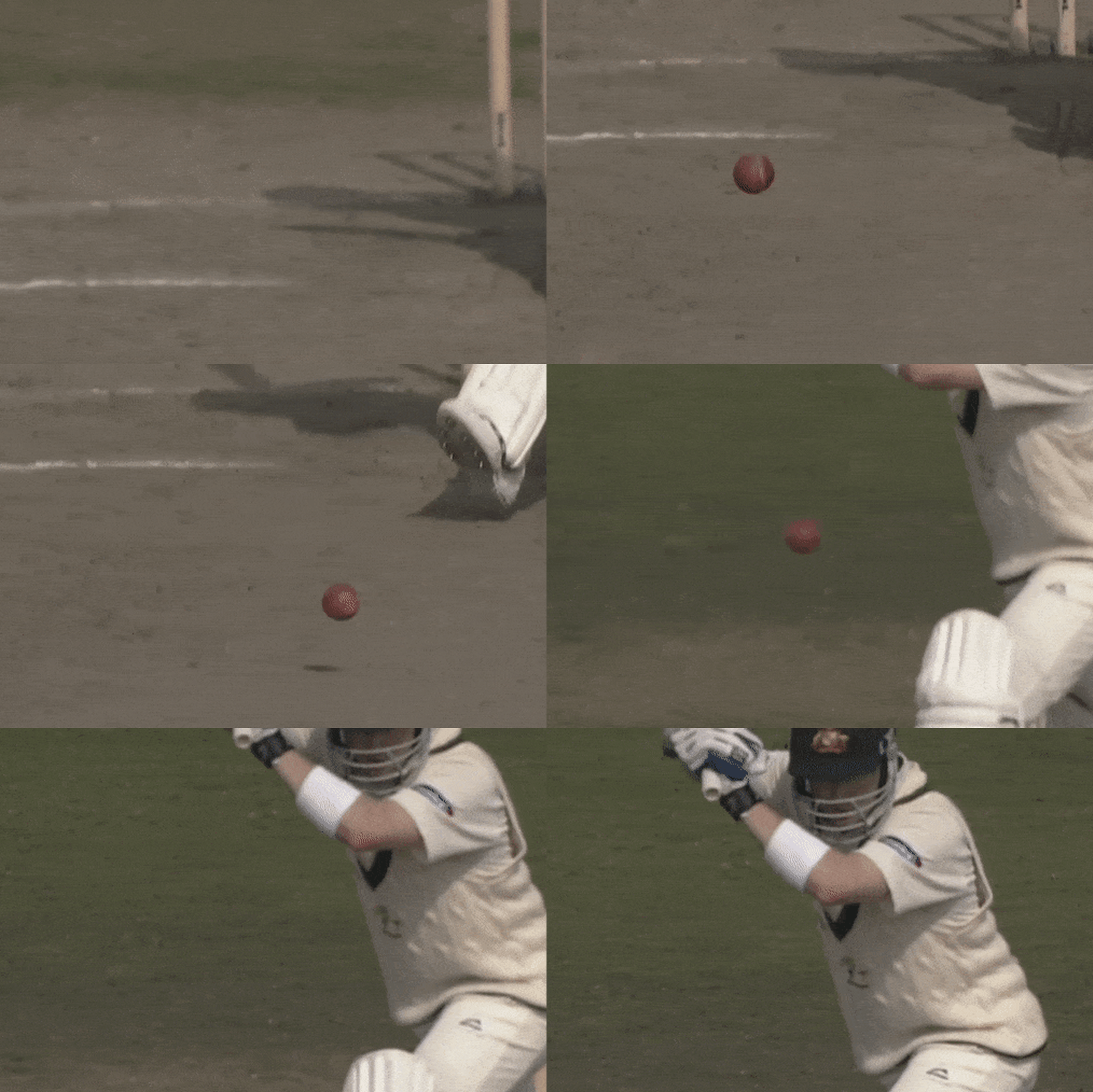
“Reverse swing” is the counter-intuitive, batsman-bamboozling phenomenon the (disputed) architects of Sandpapergate were attempting to summon during the 2018 Test in Cape Town.
If a bowler pulls it off, the ball swings the opposite way to what you’d normally expect, making for deceptive movement that’s difficult to defend.
How it can be achieved has been subject to feverish guesswork and myth over the decades since Pakistani players, including former captain Imran Khan, mastered the method.
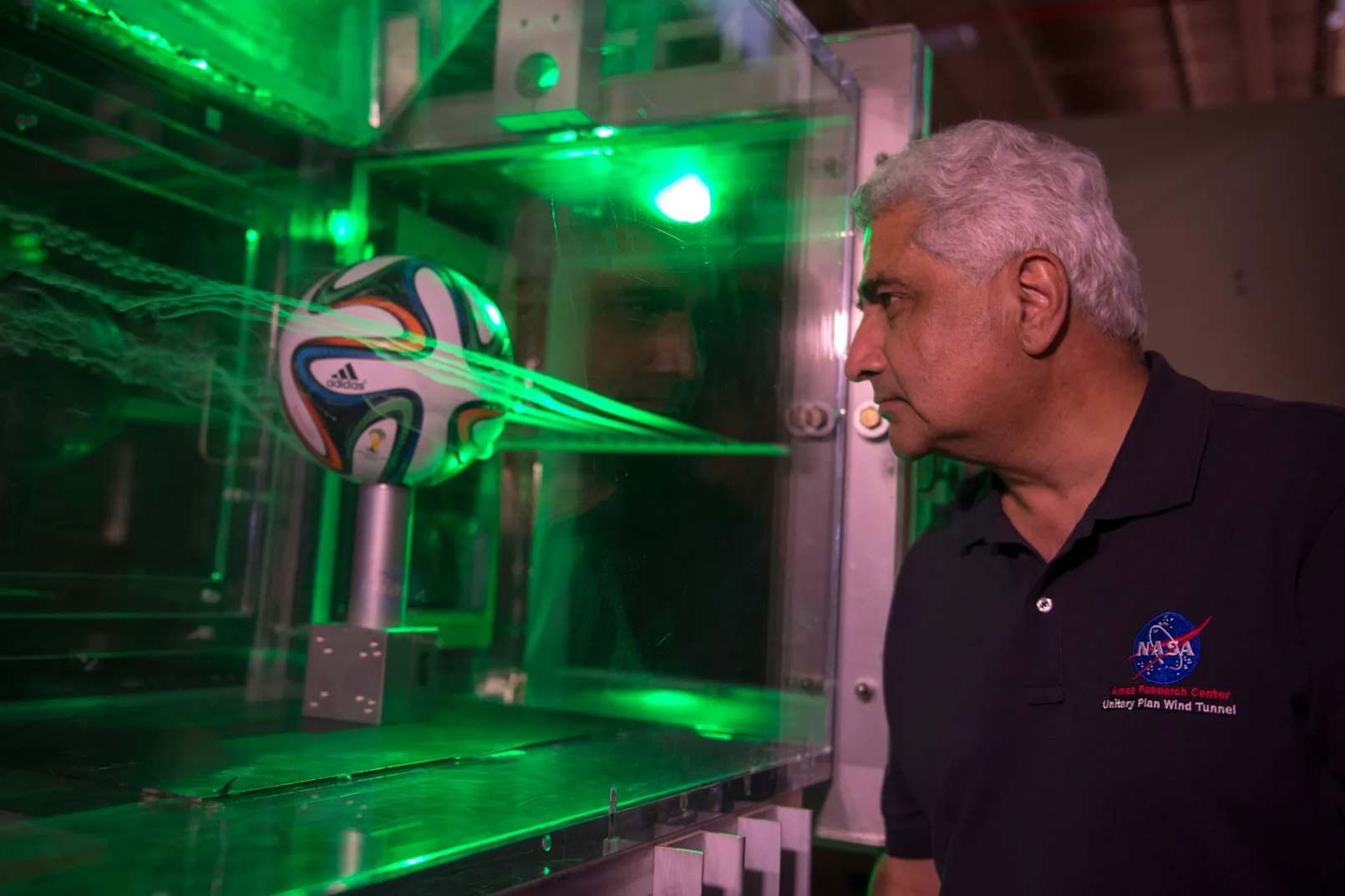
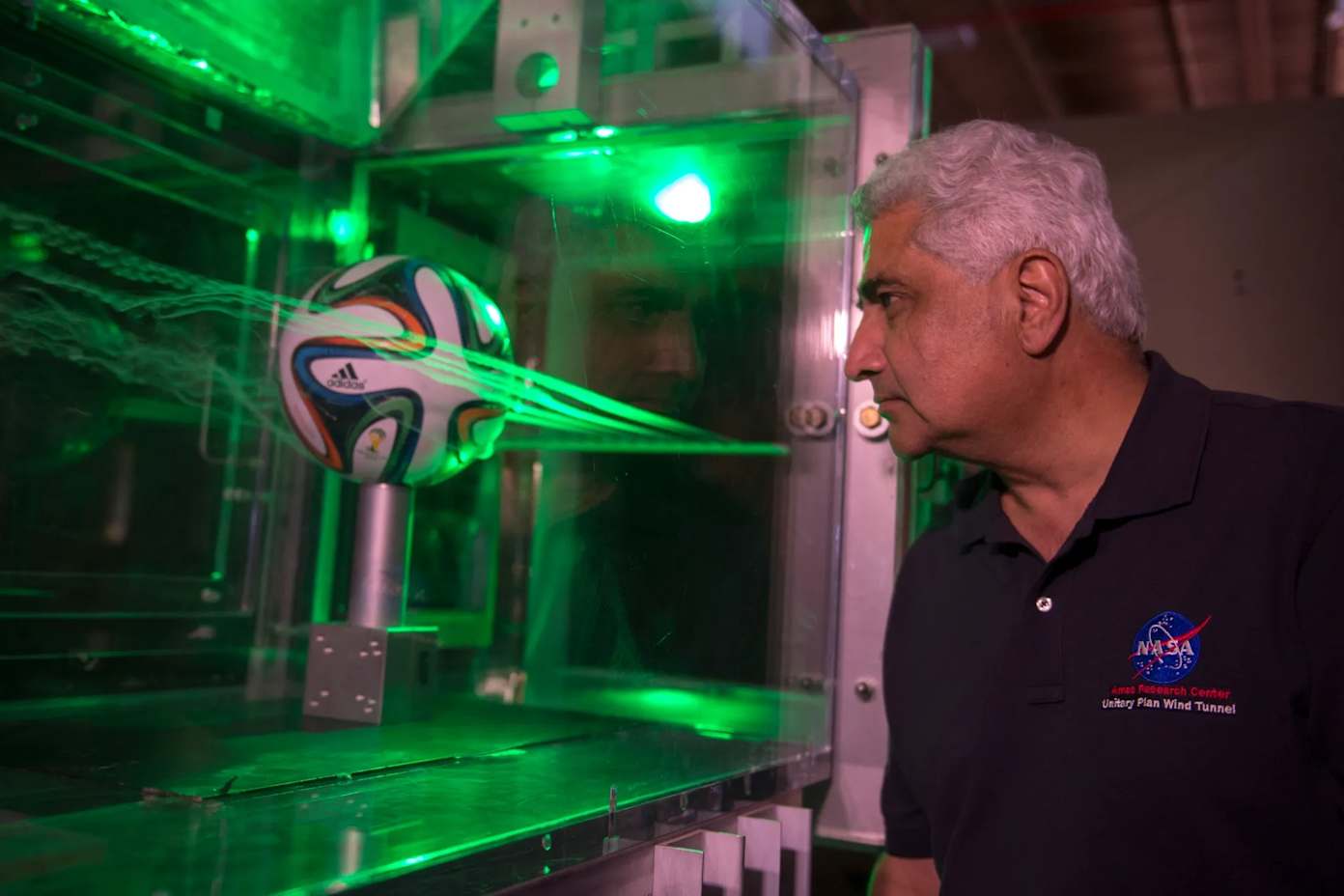
There’s no better person to explain the phenomenon than Dr Rabindra Mehta, a NASA aerodynamics researcher, former fast bowler, and a school friend of Khan’s.
Fundamental flow physics are at play when a cricket ball speeds towards a wicket, Mehta explained in a guest column for Cricinfo .
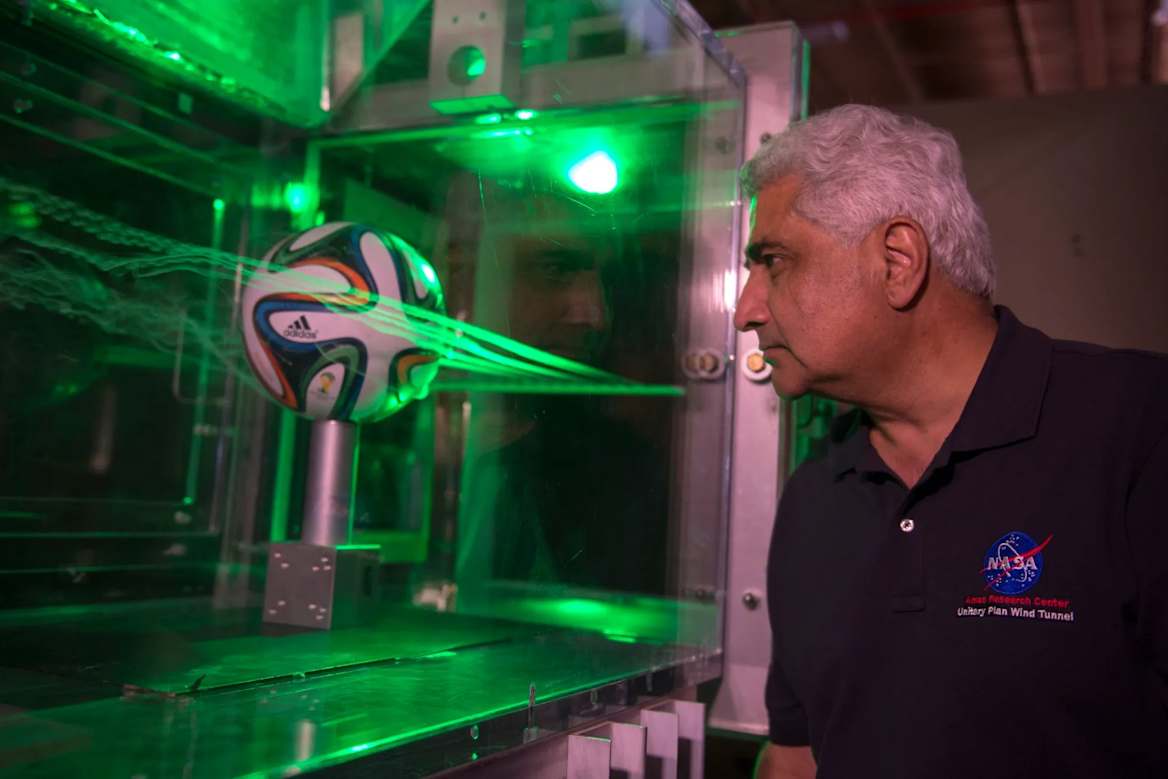
As the ball travels, a thin layer of air surrounds it called the “boundary layer”. This layer must depart the ball’s surface at some point, like water flowing around and peeling off a jetboat.
The direction or “swing” of the ball depends on which side of the ball this “boundary layer” separates from first.
That depends on two things. One is the raised seam (stitches) of the ball.
When smooth-flowing air hits the seam, it trips up and turns turbulent the side of the ball the seam is on. “It is similar to putting your finger into a smooth stream of water from a tap,” writes Mehta. “Note how small chaotic turbulent motions are generated downstream of the finger location.”
Compared to the side with smoother air, this turbulent air clings longer to the ball before it separates from the ball’s surface.
The turbulent side, where the airflow hangs on longer, has lower air pressure. The ball swings towards the side with lower pressure.
Put another way, the ball moves in “the same direction that the seam is pointing”. That is, if the seam is angled slightly to the left, that’s the way the ball will swing.
If the seam’s side is rougher, the turbulence, and the resulting swing, is amplified.
That’s one of the reasons bowlers polish one side and allow the other to become worn and textured. (Or scuff it up with sandpaper.)
That brings us to the second way swing can be generated: purely via the difference in roughness on each side of the ball, even if the seam is pointed straight up and plays no part in creating turbulence on either side.
When a ball swings one way based only on surface roughness, Mehta calls it contrast swing.
In 1980, Khan mentioned something to his friend Mehta, who had started writing about the aerodynamics of cricket balls: sometimes, the ball would swing “the wrong way”.
Mehta could not explain this scientifically. He began running experiments in wind tunnels.
He soon unravelled the mystery: at high speeds (over 135 km/h), the air hitting the ball became turbulent earlier, before it hit the seam.
Once the turbulent air hit the seam, it became too turbulent and chaotic, creating a boundary layer that was “thickened and weakened” on that side of the ball .
Instead of clinging to the ball for longer, the turbulent air on the side of the seam came off earlier.
At the right airspeed, the side of the ball opposite to the seam became the area of low-pressure because it hung onto air for longer. The pressure imbalance flipped.
That’s what could make balls fly off on an unexpected “reverse” trajectory, instead of swinging in the direction of the seam or the rough side of the ball.
Mehta said the effect could happen at lower speeds with an older ball that had a rougher surface.
Instead of a “smooth” and “rough” side, older balls have “rough” and “super rough” sides, making for more turbulence and a ball more likely to reverse.
A ball bowled with the seam straight can also see a reverse swing.
At slower speeds, the rough side is more turbulent, so the swing goes that way. A fast enough bowl, though, again makes the air layer chaotic and weak on the rougher side, so it detaches early and sends the ball swinging towards the smoother side – achieving “reverse contrast” swing.
In both “conventional” or “contrast” reverse swing, suddenly a batter trying to interpret which way a ball will go based on the movements of the bowler has a much harder job.
“The whole beauty of reverse swing is that a bowler who could only bowl outswingers at the onset with the new ball can bowl inswingers with an older ball without any change in the grip or bowling action,” writes Mehta.
The rougher the “super rough” side, the more acute the reverse swing; the reason why former Test batsman Cameron Bancroft took sandpaper to the field on the day that has once again blown up Australian cricket .