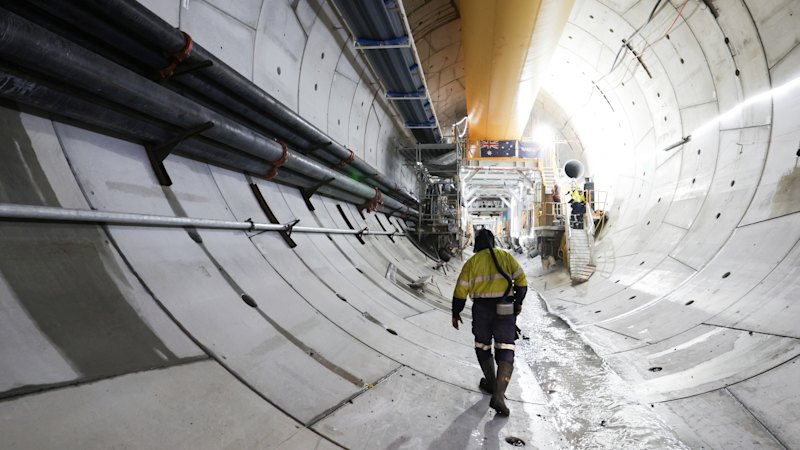
The New South Wales government has introduced a new Tunnels and Shafts Code of Practice, bringing stronger legal protections for thousands of underground construction workers against deadly dust diseases such as silicosis.
Replacing the outdated 2006 guidelines, the updated code establishes legally binding minimum standards for managing respirable crystalline silica and other airborne contaminants. Employers who fail to comply risk breaching the Work Health and Safety Act and face significant penalties.
Developed alongside unions, industry representatives, and health experts, the code reflects contemporary excavation methods, modern tunnel-boring machinery, and psychosocial hazards like remote working. It mandates rigorous air monitoring, improved ventilation, and ongoing reviews of engineering controls, directly addressing recommendations from the 2024 NSW Parliamentary Review of the Dust Diseases Scheme.
Minister for Work Health and Safety Sophie Cotsis noted that the update marks the first overhaul of tunnelling standards in two decades.
“We want to make sure the workers building these major roads and infrastructure are remembered for these incredible projects and not because they contracted a deadly disease,” Cotsis said.
Minister for Roads and Regional Transport Jenny Aitchison warned employers that protecting workers’ long-term health is non-negotiable, stating the government expects businesses to ensure every worker returns home safely to their families.
“This new Code of Practice sets a stronger standard for managing dangerous dust exposure by giving employers clear guidance on the steps they must take to protect workers from harmful substances like silica.”
The code forms part of a broader state crackdown on silica exposure, which includes a national ban on engineered stone, a dedicated SafeWork NSW compliance unit, AU$5 million for silicosis research and patient support, and a AU$2.5 million mobile Lung Bus screening at-risk workers. Additionally, 20,004 workers from 922 businesses are currently tracked on the state’s Silica Worker Register.
Since July 2024, SafeWork NSW inspectors have conducted more than 4,156 silica-related workplace visits, issuing over 2,650 enforcement notices.
During a recent statewide compliance blitz across three major tunnel projects, inspectors issued five improvement notices while noting contractors were proactively aligning their safety systems with the new requirements.