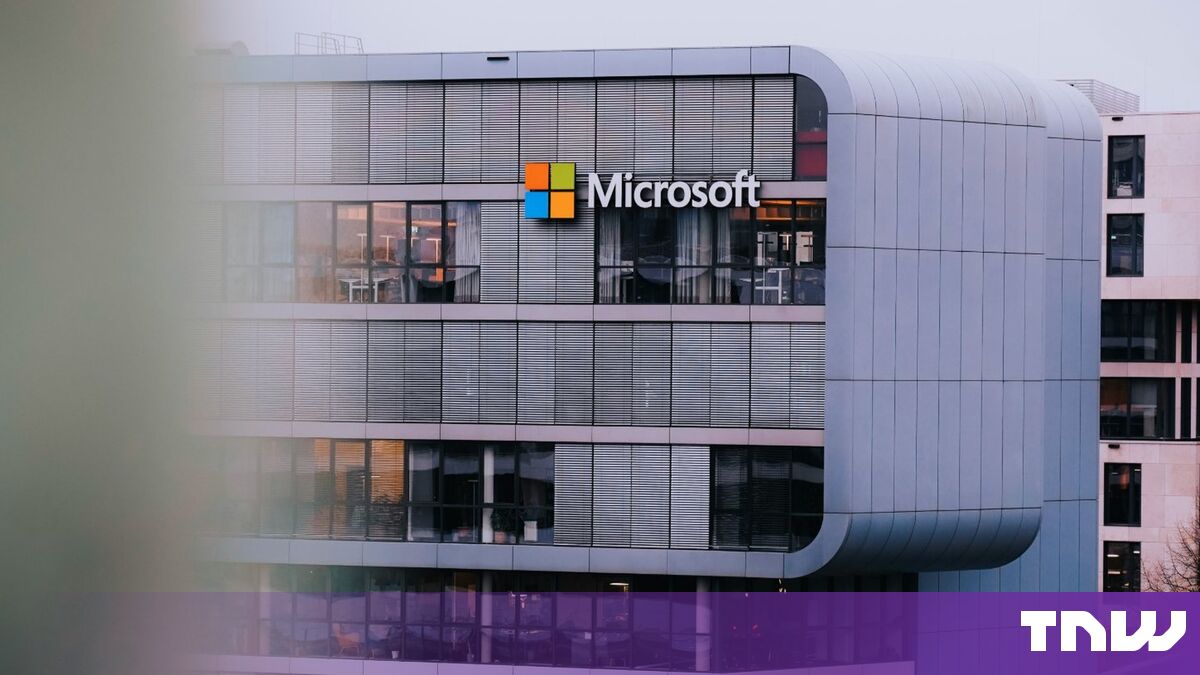
Microsoft’s Ignite announcements this week went beyond the Office-in-Copilot overhaul with the reveal of the Windows Server 2028 Public Preview and its new security-by-default stance and what Microsoft calls Hardened Server Core . Windows Server 2028 will implement a default security framework that Microsoft says is aligned with hardened DoD benchmarks, such as the Defense Information Systems Agency’s (DISA) Security Technical Implementation Guide (STIG).
STIGs work by providing a standard security framework for system administrators to follow recommended guidance. In the past, Windows Server admins were left to start from a blank canvas and then implement hardening configurations for operations. Secure baselines were available but not the default. Microsoft says that concern is now managed: “The s ecure configuration is the starting state, not a project you run after setup. That closes the window where a newly deployed server sits exposed while it waits to be hardened. ”
The new Windows Server 2028 hardened-by-default state will only be available for the Server Core installs. Windows Server Desktop Experience installs do not include the changed stance.
This isn’t to say that system administrators won’t still have the final say on which security protocols are activated, just that the default package now ships in a pre-hardened state. Kerberos is now the default over NTLM , with protections added to LSASS; TLS is automatically restricted to modern cipher suites; key exchange uses “hybrid post-quantum key exchange” based on the quantum-safe ML-KEM; and remote desktop authentication and PowerShell script block logging get stricter as well.