You have reached your maximum number of saved items.
Remove items from your saved list to add more.
You've used all of your gift articles. 3 more will become available on the 1st of every month.
The unique volatility of the Victorian state election can be measured in its perverse implications for national politics. At least two of the three competing parties would be wondering if a loss for their side makes more strategic sense than a win.
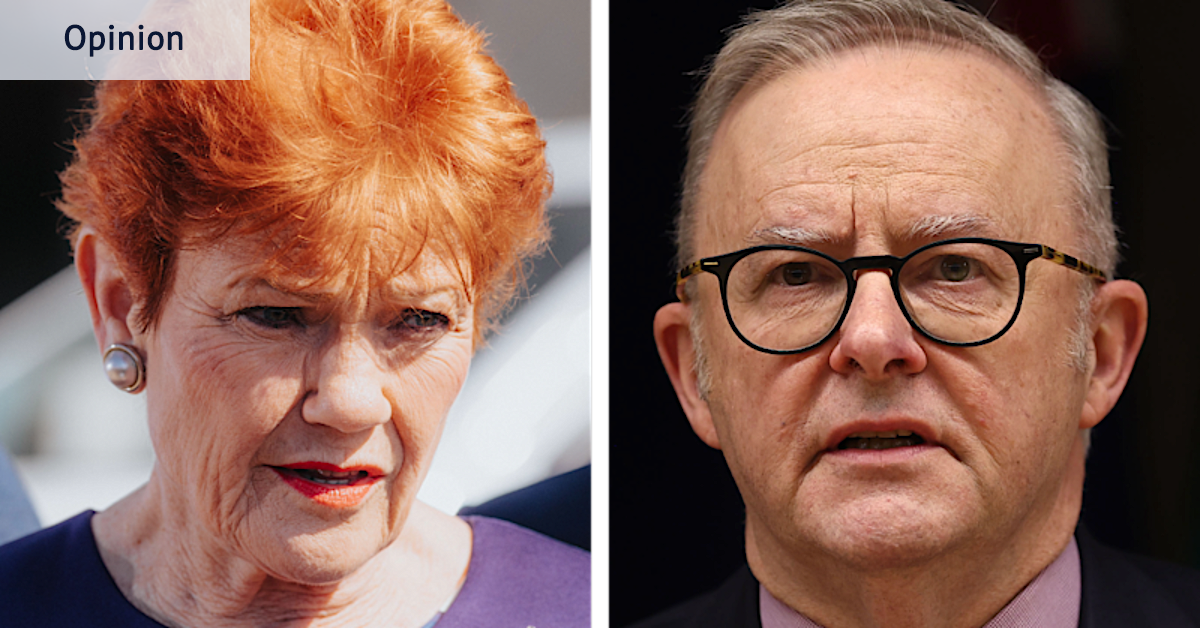
Prime Minister Anthony Albanese would be aware that defeat for Ben Carroll’s state government improves Labor’s chances in Victoria at the next federal election, due in 2028. To inform him, Albanese has the fall of the Queensland state Labor government in 2024 – and the swing to federal Labor in 2025, with the prize of Peter Dutton’s seat of Dickson.
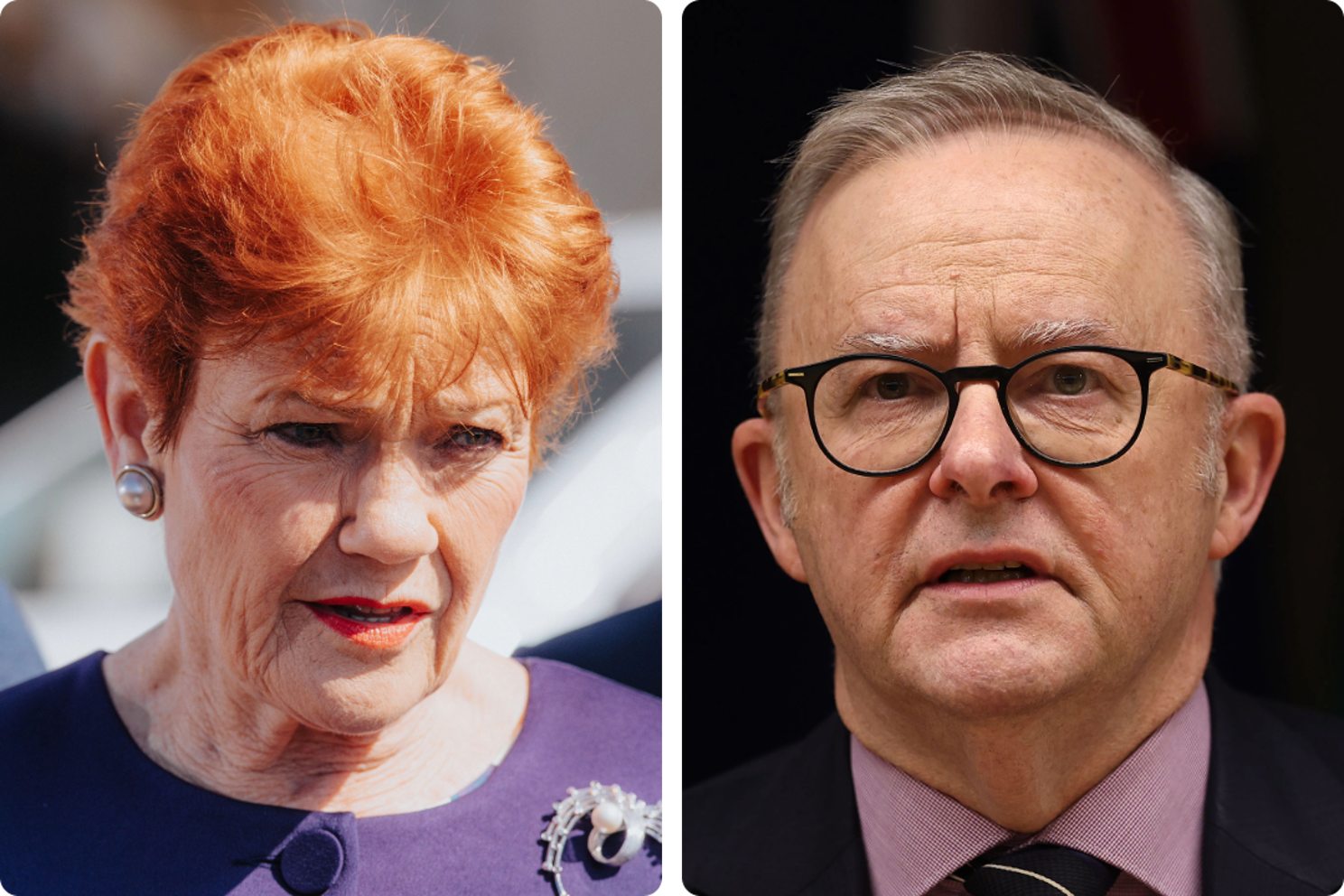
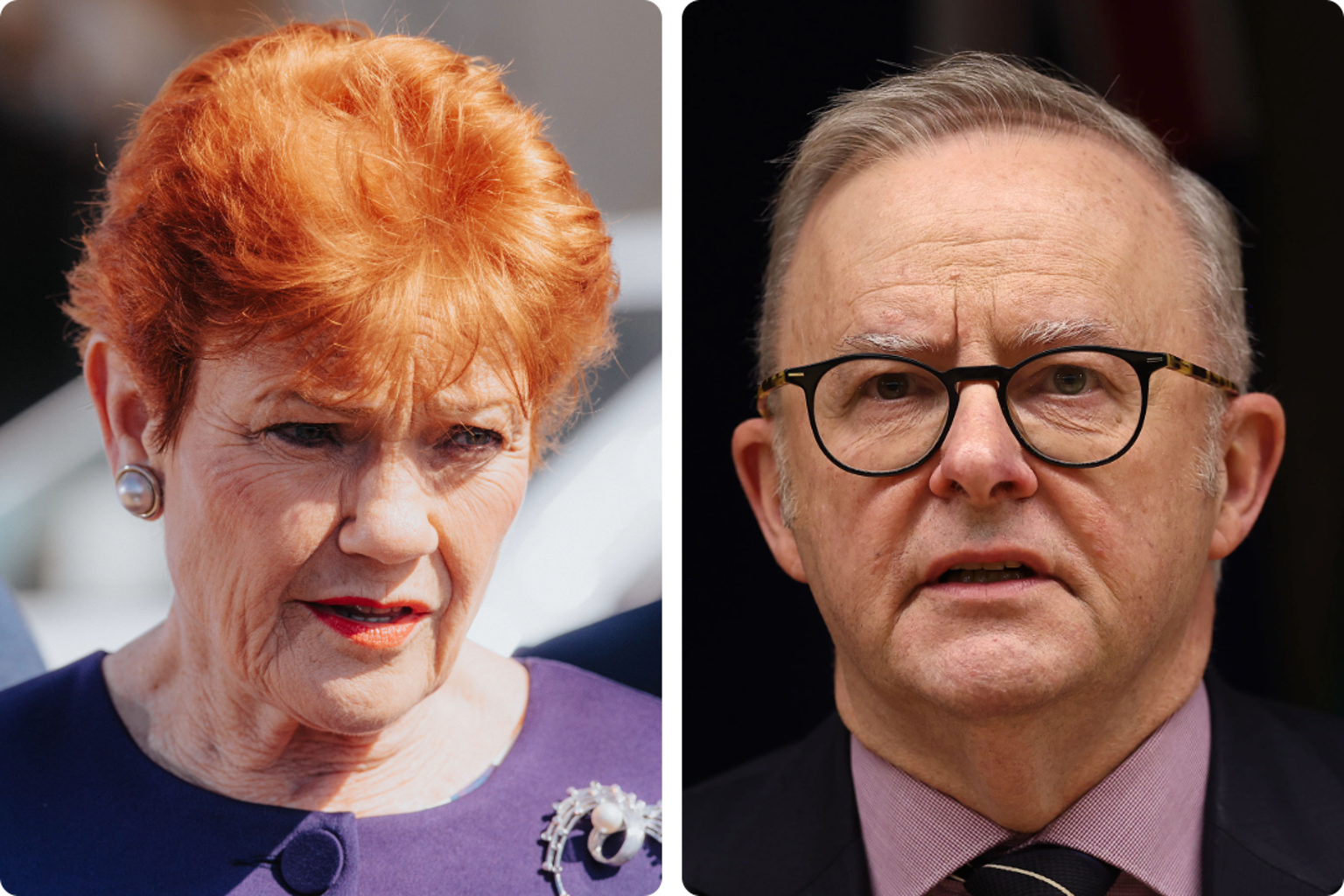
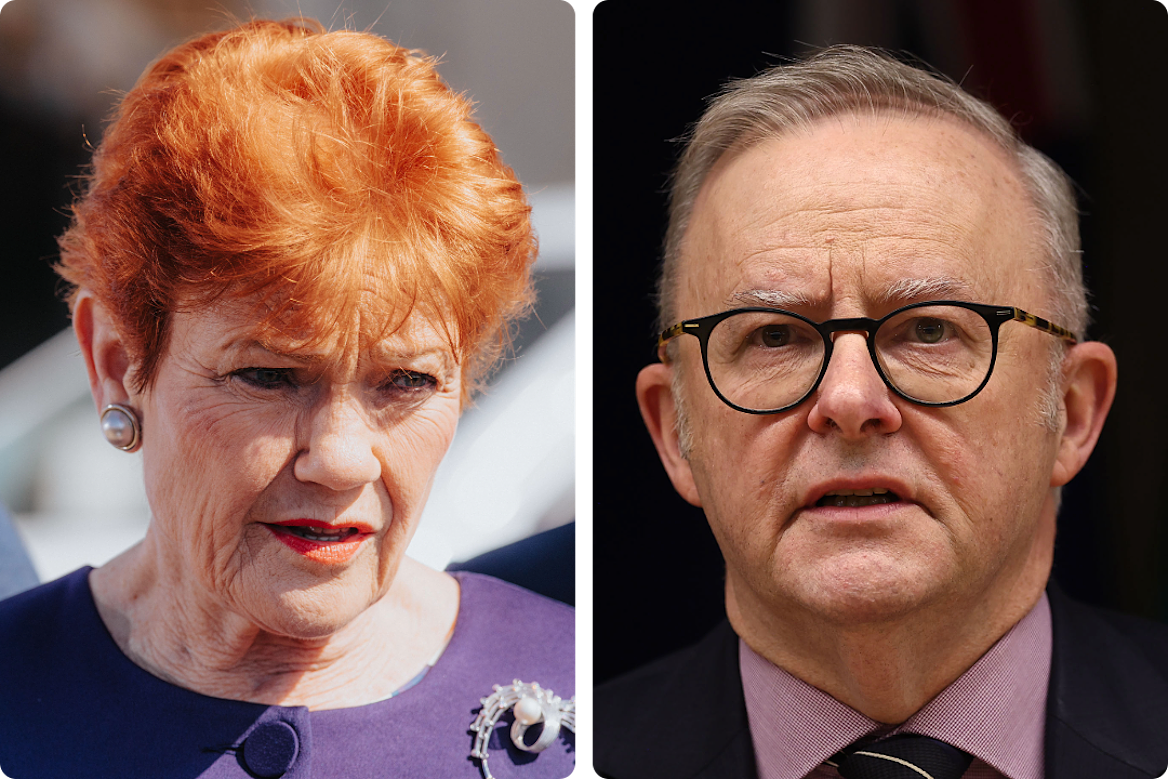
One Nation leader Pauline Hanson might be better off without the balance of power in Victoria because her party has a habit of imploding when carrying too many MPs.
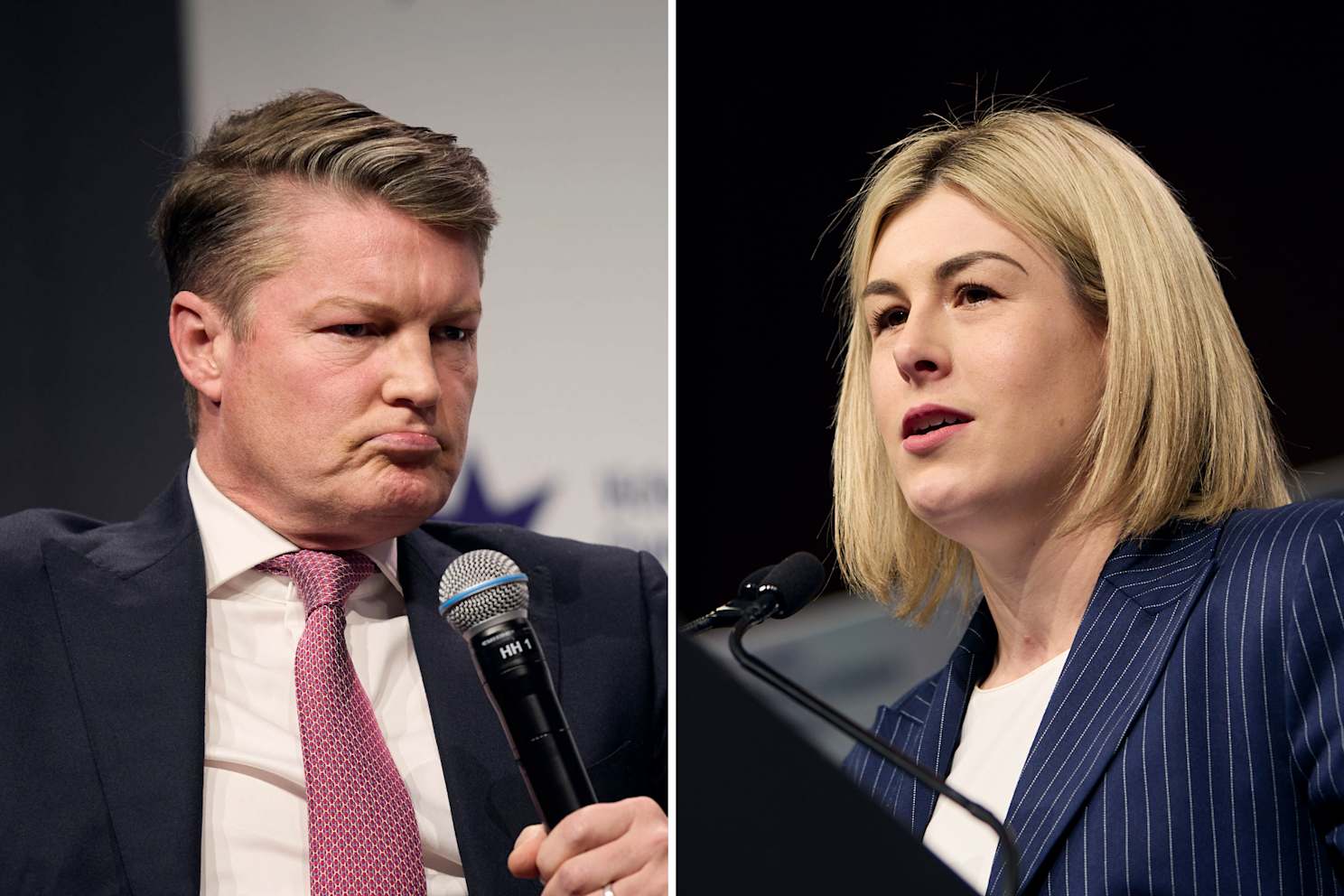
Only federal Opposition Leader Angus Taylor, whose Liberals are trailing both Labor and One Nation in the national opinion polls, has an unambiguous interest in a change of government.
The Victorian result will matter for a reason not widely appreciated by a Sydney-centric national media. Victorians were the first to signal the dual erosion of the Labor and Coalition electoral bases. These shifts, which began at the 1999 state election, have burdened each side with historically weak primary votes in government.
If the opinion polls are right and Jess Wilson is to become Victoria’s next premier, she will take office with as many as seven out of 10 Victorians casting a primary vote for someone else. The Coalition could conceivably claim majority government with a primary vote swing against them of up to 5 per cent from their 2022 low of 34.5 per cent. They just need Labor to fall further, and hope that One Nation doesn’t take too many seats from the Liberals and Nationals outside Melbourne.
The old two-party system has been blundering to this moment since the late 1990s. Before then, a change-of-government election at both the federal and state level would see the new regime enter office with a primary vote of around 50 per cent. This was the story of the Menzies, Whitlam, Fraser and Hawke governments nationally, and the Bolte, Cain and Kennett governments in Victoria.
Ted Baillieu was the first Victorian Liberal to lead his party into office with a Coalition primary vote below 45 per cent, and the first to lose his job within that first term. Ballieu and his divided Liberals set the template for the next federal Coalition government. Tony Abbott entered the prime minister’s office in 2013 with a primary vote of 45.6 per cent, almost five points below the 50.2 per cent average for the incoming governments of Menzies, Fraser and Howard. Abbott, like Baillieu, lost the support of his party room and was replaced after barely two years in charge.
Labor’s vote has ratcheted down with each new Victorian government, from 50 per cent for John Cain in 1982, 45.6 per cent for Steve Bracks in 1999 and 38.1 per cent for Daniel Andrews in 2014. That same pattern of base erosion can be observed for federal Labor, from Hawke’s 49.5 per cent in 1983 to Rudd’s 43.4 per cent in 2007 and Albanese’s 32.6 per cent in 2022.
The vote for minor parties and independents has increased in each of the past seven Victorian state campaigns and reached a post-war high of 28.9 per cent in 2022 after primary vote swings against both the government and opposition. The none of the above vote is set to rise again because of a relatively new entrant to the Victorian market – One Nation.
Hanson’s protest party flopped at the last state election. It accounted for just 0.3 per cent of the statewide vote after fielding candidates in five regional electorates. The Greens outpolled One Nation in four of those five seats.
That near-zero base for One Nation is what makes this campaign so instructive for national politics. It will test the ceiling on One Nation’s vote, and, crucially, the distribution of that support between metropolitan Melbourne and the rest of the state.
There is, in fact, a relatively fine line between a Labor wipeout and a miracle fourth term. It depends on the forgotten voters of this campaign – the first- and second-generation migrants whose ballots will determine how many seats will switch from Labor to Liberal in the city’s middle and outer ring suburbs.
Consider the urban map going into the campaign. Labor holds 42 metropolitan seats in total, the Liberals 13 and Greens 3. The seat count in inner Melbourne is Labor 3, Greens 3 and Liberals 1. In the middle ring suburbs, the score is Labor 12 and the Liberals 6. In outer Melbourne, Labor has 27 seats and the Liberals 6. The story in the rest of the state. Where One Nation’s vote is strongest, is Labor 14 and Coalition 16.
The Coalition requires a net gain of 16 seats to form majority government in a parliament of 88. A majority Coalition government depends on a historic collapse in Labor’s vote across Victoria to offset the loss of any Liberal or National-held seats to One Nation.
The prospect of Coalition rule in the nation’s most progressive state after 12 years in the wilderness would, in normal circumstances, signal the resilience of the two-party system. But this term of parliament confirms the reverse. Wilson is the third opposition leader, facing the state’s third premier. Ben Carroll is running against his own government. A Labor win, however improbable, would not restore the state’s confidence.
A Coalition victory, whether in majority or minority, would come with the catch of inexperience. Only three members of Wilson’s 21-strong shadow ministry served as ministers in the Baillieu-Napthine government. She is, herself, a first-term MP with a CV common to both sides as a political staffer and policy wonk – an insider presenting as an agent of change.
One Nation will haunt her premiership even if she claims a majority in the Legislative Assembly. The worst case for Hanson’s party of little or no seats in the lower house would still see it claiming the balance of power in the Legislative Council.
The irony of a Wilson Coalition government may well be its reliance on Labor to pass its legislation without the politically toxic amendments of One Nation.
George Megalogenis is a journalist, political commentator and author. His latest book is Three Shocks: Who We Are Becoming in the 21st Century.
The Opinion newsletter is a weekly wrap of views that will challenge, champion and inform your own. Sign up here .
You have reached your maximum number of saved items.
Remove items from your saved list to add more.
You've used all of your gift articles. 3 more will become available on the 1st of every month.