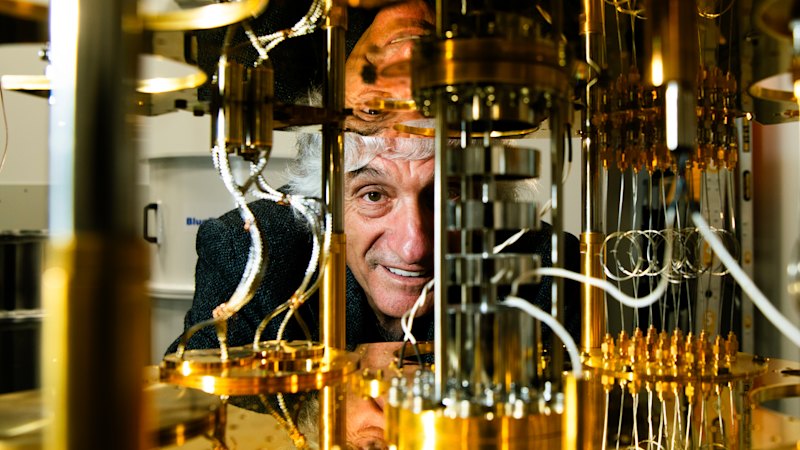
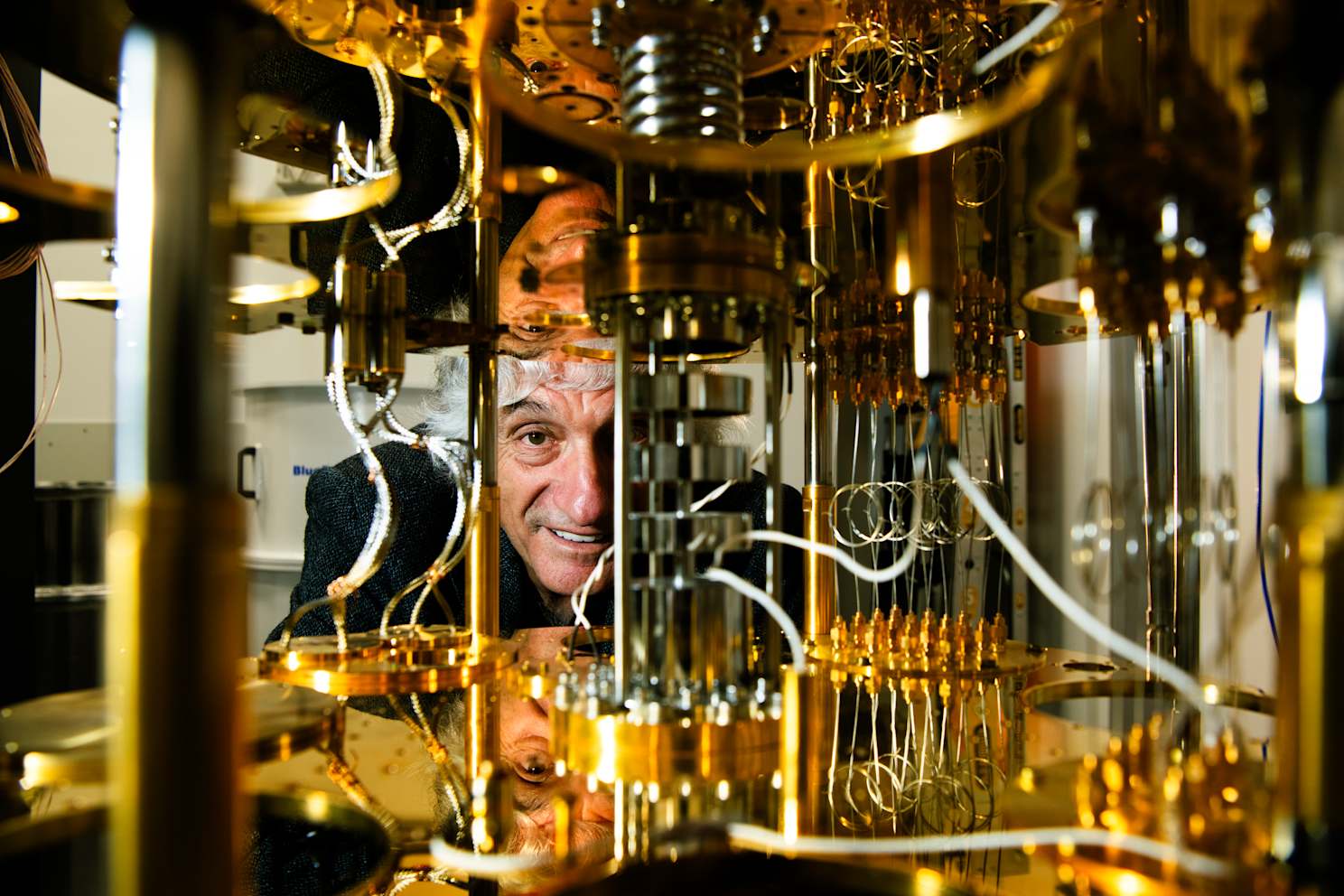
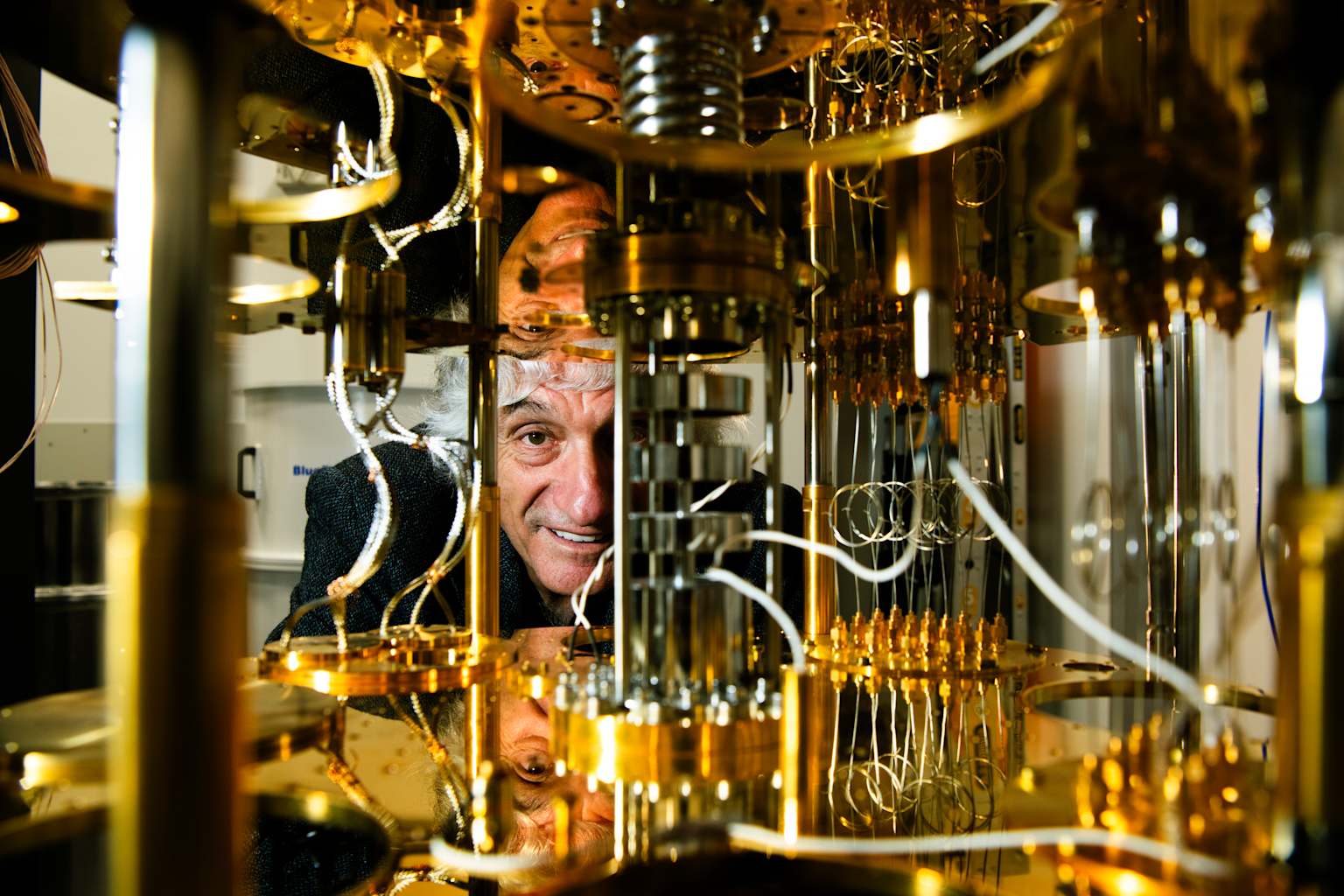

John Martinis’ parents – his father a fireman and his mother a homemaker – never asked him what he’d done each day at school.
“I was very fortunate that my parents, around the dinner table, would ask instead: ‘Did you ask any questions today?’” the professor of physics at the University of California says. It was a ritual that spurred him into a life of curiosity, endless inquiry and, as of last year, a Nobel Prize.
Los Angeles-born Martinis shared the 2025 Nobel Prize for Physics for an experiment he ran for his thesis in the mid-1980s which helped transform the magical, mind-bending, immensely powerful realm of quantum physics into something humans could wield for ourselves.
The experiment he sweated over in his mid-20s laid the groundwork for today’s superconducting quantum computers, part of a multibillion-dollar industry that could fundamentally change our lives.
Here’s what he did – and what he says about the next stage of the quantum era.
Quantum mechanics describes how matter and energy behave on the tiny scale of atomic particles, such as protons and electrons. In this realm, physics works very differently to what we’re used to. It gets freaky.
Picture a tennis ball. In “classical” physics, the ball is always in one place at any one time, even when it’s being belted around a court. In quantum physics, a ball, or a particle, can exist in multiple places or “states” at any one time.
This concept is what makes quantum computing so potent. A standard computer “bit” switches between 0 and 1 for calculations. A quantum bit, or qubit, can exist in a state of both 0 and 1 simultaneously, making for vastly faster and more powerful calculations.
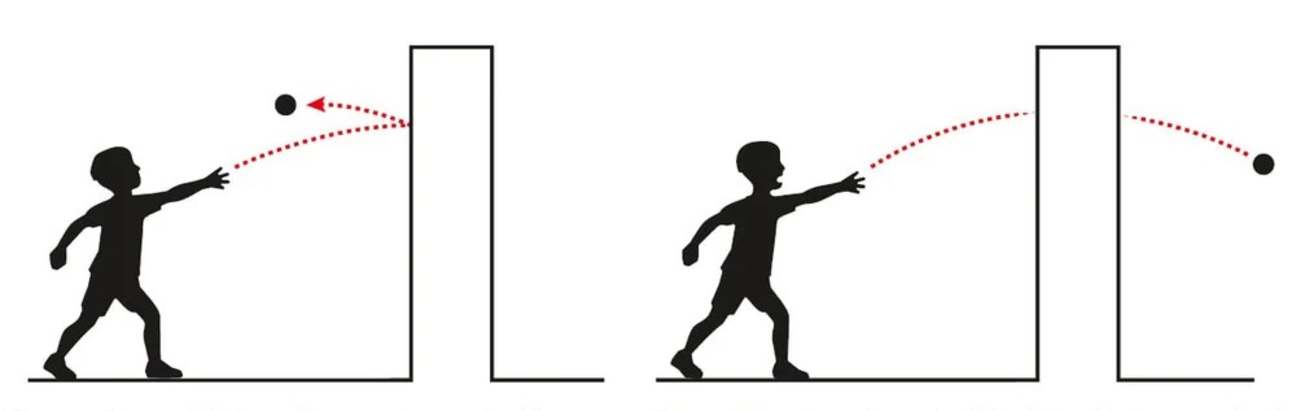
In another example, if you throw a tennis ball at a brick wall it will always bounce back.
But in the quantum world, a particle has a chance of passing through a barrier it shouldn’t be able to cross – as if the tennis ball ghosted through the wall – in a phenomenon known as quantum tunnelling.
Martinis and his colleagues were able to replicate quantum tunnelling in a macroscopic, human-made system.
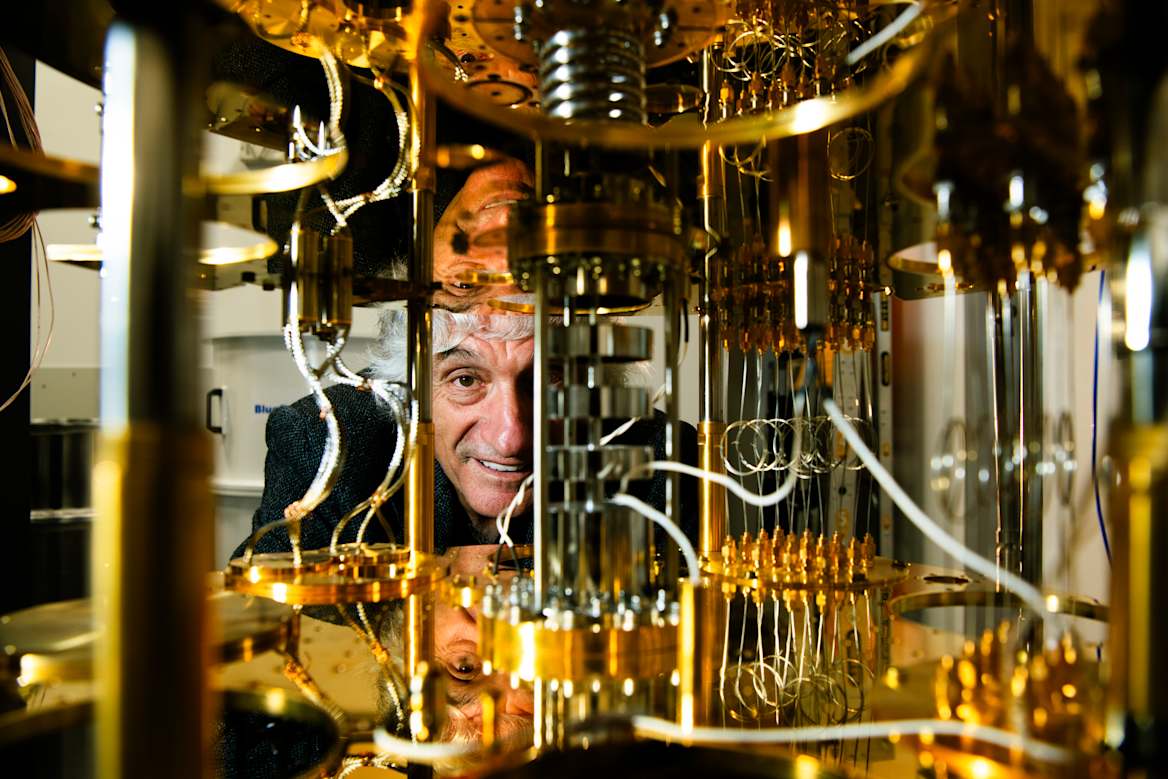
“Our quantum system is not made of protons and electrons like normal quantum mechanics,” he tells me at the University of Sydney, where he’s delivering a public lecture jointly hosted by industry body Quantum Australia.
“It’s constructed from an electrical circuit that you can see. It’s about a centimetre across, so it’s quite big.”
That sounds simple. But it was an act of scientific nous that dragged the mystical qualities of quantum physics from the atomic scale to something that could be crafted and controlled by human hands.
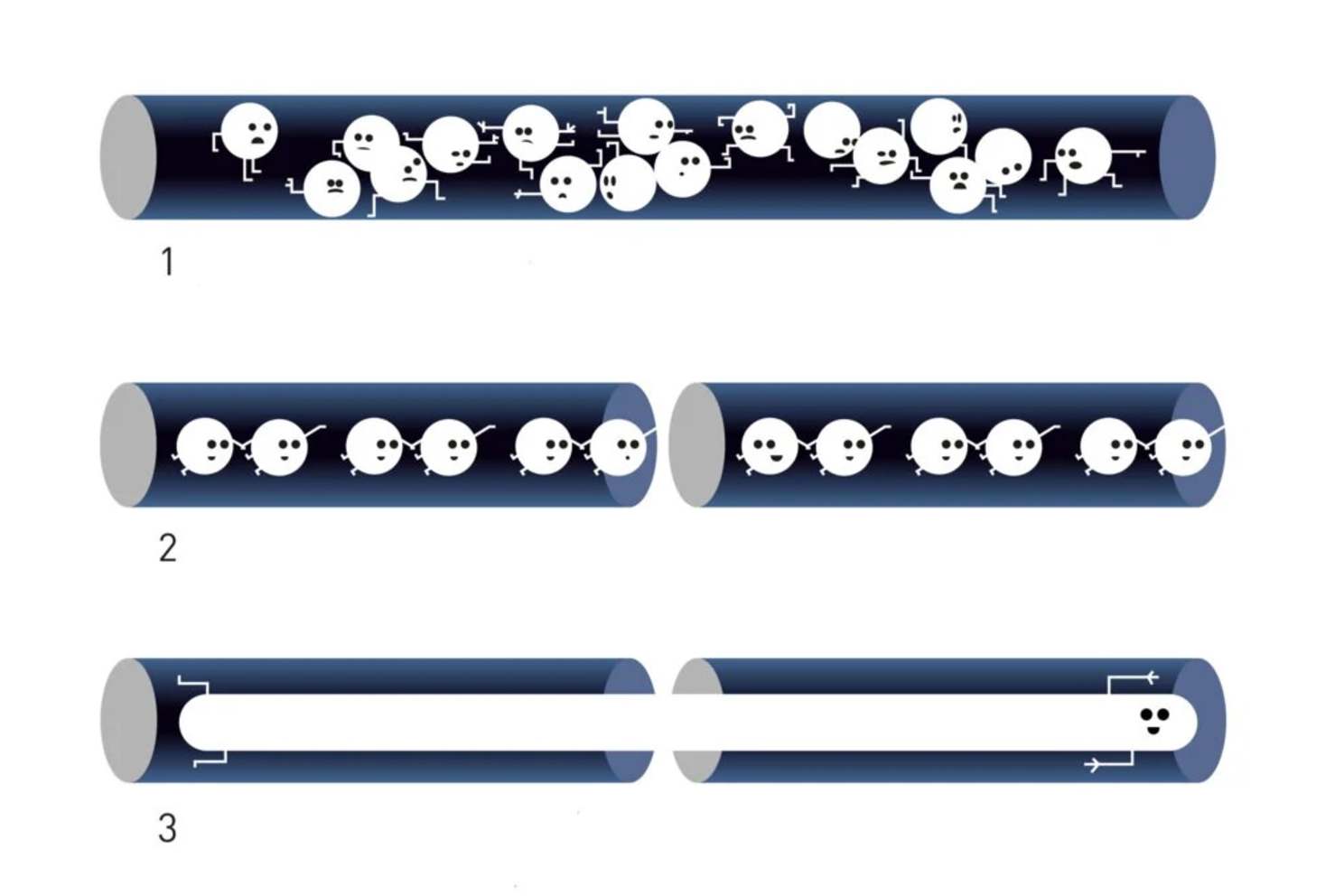
Martinis worked with two colleagues – his PhD adviser John Clarke and postdoctoral researcher Michel Devoret, with whom he shared the Nobel Prize – to create an electrical circuit involving a special component called a Josephson junction, made of two superconducting wires separated by an ultra-thin insulating barrier.
They cooled this circuit to almost absolute zero (-273 degrees Celsius, the coldest possible temperature). That triggered billions of electrons within the circuit to form “Cooper pairs” and begin behaving as a synchronised whole, rather than individual particles.
This created a system that could exist in one of two states: a zero-voltage state, or a state that produced voltage.
The barrier separating these states could be leapt over if the electrons picked up heat energy. But when the system reached a particularly low temperature, suppressing heat, the scientists could still detect spikes of voltage.
That meant the unified electrons were crossing straight through the barrier without needing thermal energy. The scientists had achieved quantum tunnelling.
Further, when they irradiated the circuit with microwaves, it absorbed energy at specific “quantised” levels, just like an atom.
Put simply, Martinis and his colleagues had built something with the physics of an artificial atom.
Martinis says they didn’t set out to invent something new, much less help kick off a new industry that could change the world.
“It was just answering the very simple question,” he says. “Quantum mechanics is known to be the physics of the small – how atoms work, how molecules work. We wanted to show that it’s a more general phenomenon, so you can have current and voltages in a wire, and you can see quantum mechanics.
“It means we had this new physics playground where we could make these new atomic systems out of the circuits.”
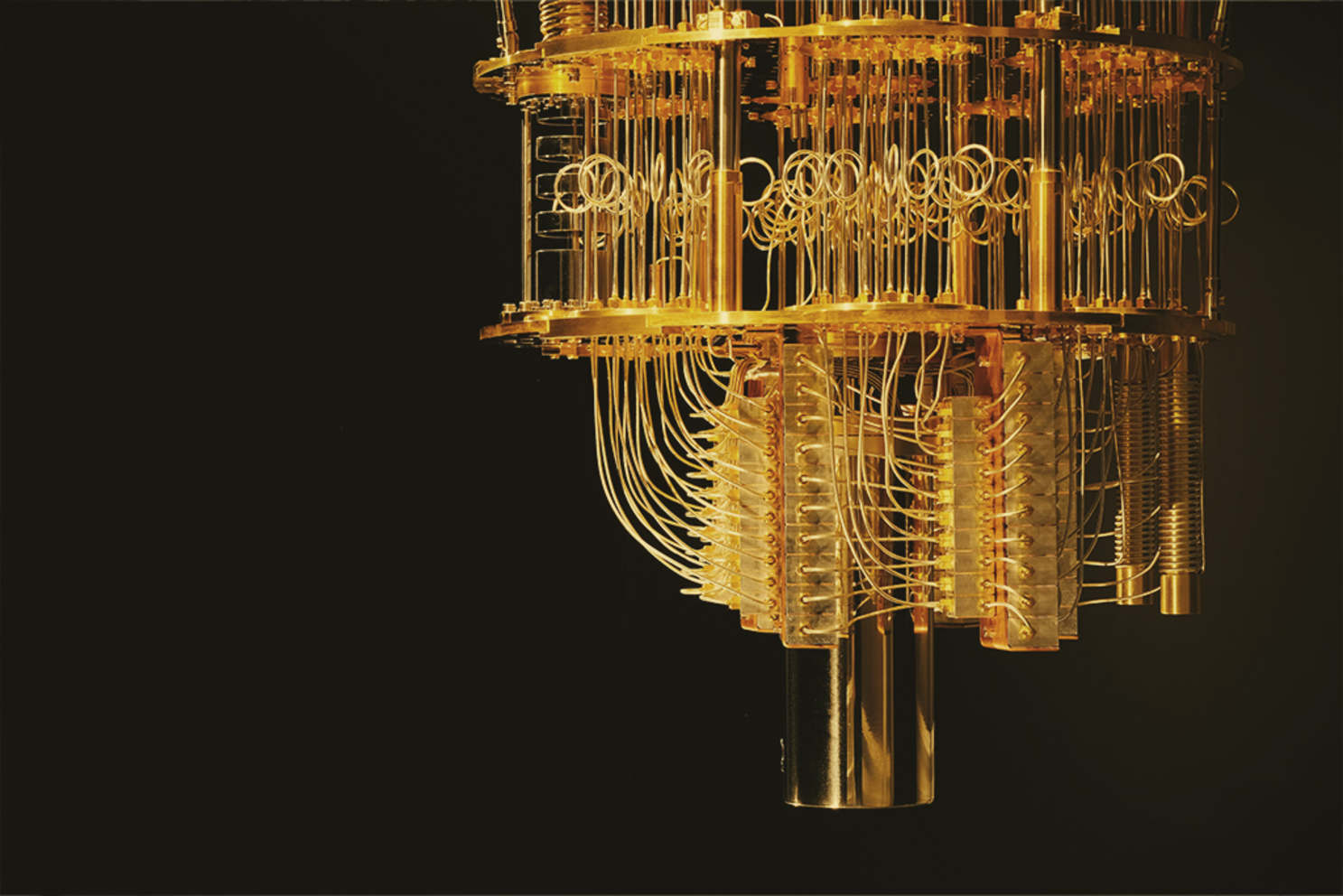
The experiment laid the foundation for superconducting qubits.
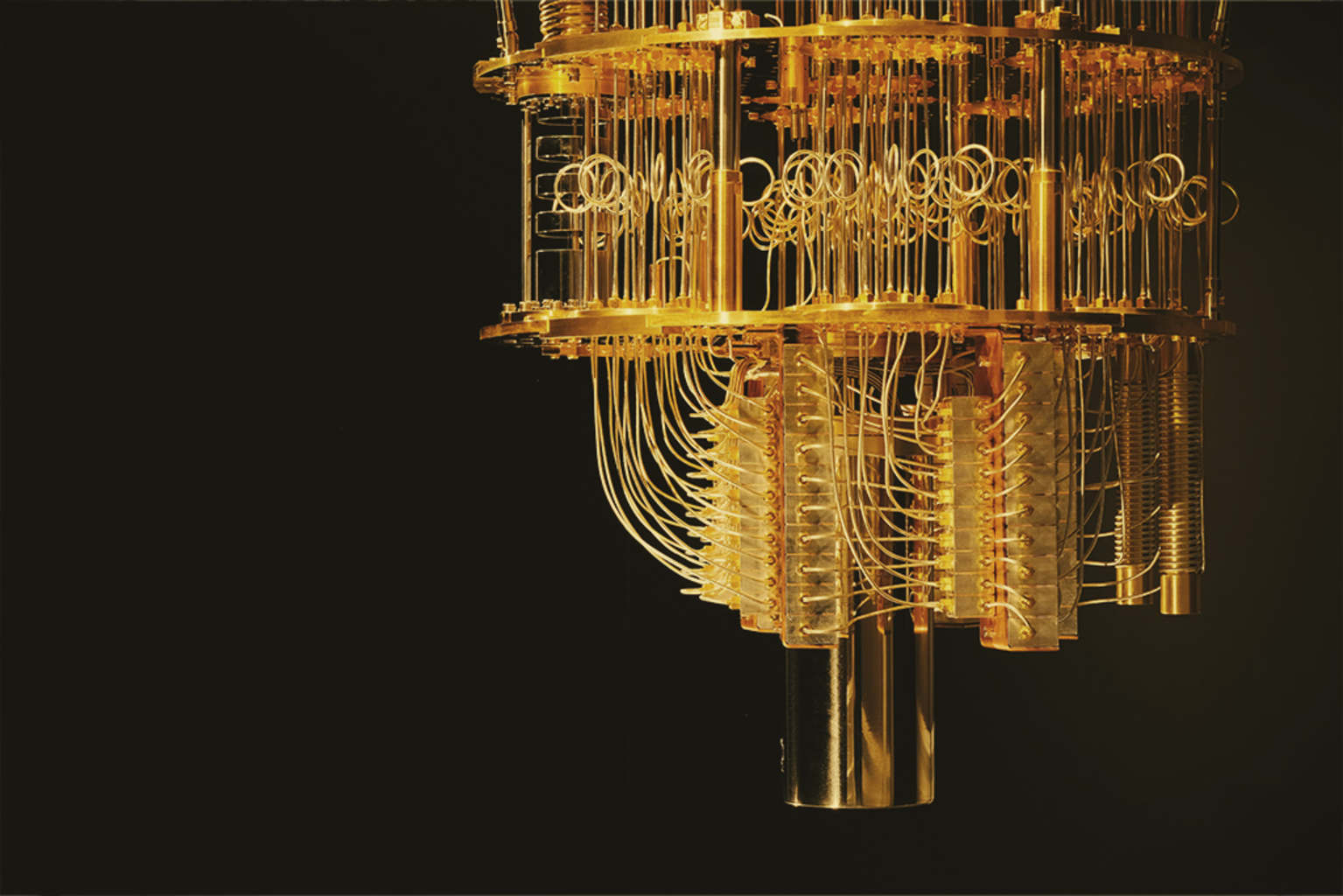
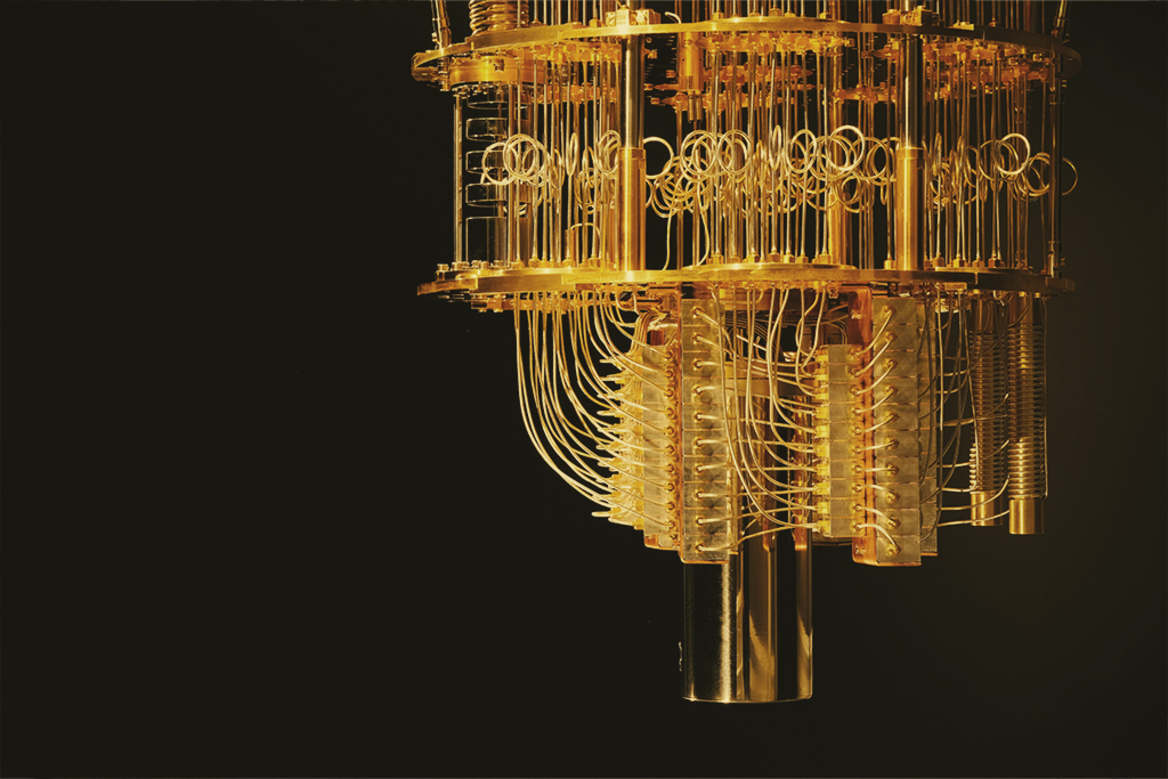
Martinis led the team at Google that, in 2019, claimed in Nature that they had achieved “quantum supremacy” with a processor made from 53 of these qubits, meaning they had solved a calculation with a quantum computer beyond the practical limits of any classical computer.
The quantum processor, they claimed, solved a calculation in 200 seconds that would take a supercomputer 10,000 years.
That claim has since been subject to rebuttal and debate, with IBM claiming the calculation could be done on a classic system in two-and-a-half days, but the paper nevertheless marked an important moment in the advancement of quantum computing.
“For years I would avoid this question,” Martinis says when asked when we might see a useful quantum computer. “But there has been enough progress and enough serious efforts that [now] I say five to 10 years.”
Achieving large-scale, error-corrected quantum computing will wreak enormous effects. Standard security encryption we rely on to undergird the internet could be ruled obsolete . And what happens when quantum computing meets AI (QAI) is an open question.
On the other hand, scientists such as Martinis hope we’ll be able to model the inscrutable complexities of chemical reactions in unprecedented detail to unlock new materials and medicines .
Martinis’ experiment was a “complete disaster” when they first tried it, he recalls. Solving it involved a visit to the university’s astronomy department to pick their brains about microwaves.
Even since that ritual at the dining table from his childhood, he’s never stopped asking questions or worried about sounding stupid – which allowed him to bottle one of nature’s most remarkable, surreal qualities and fundamentally expand what humans are capable of.
“I just find this fun,” he says of pursuing questions about how nature works on the atomic level. “It’s how I’m creative in physics, in the end. It’s the way I think.”
The Examine newsletter explains and analyses science with a rigorous focus on the evidence. Sign up to get it each week .
You have reached your maximum number of saved items.
Remove items from your saved list to add more.
You've used all of your gift articles. 3 more will become available on the 1st of every month.