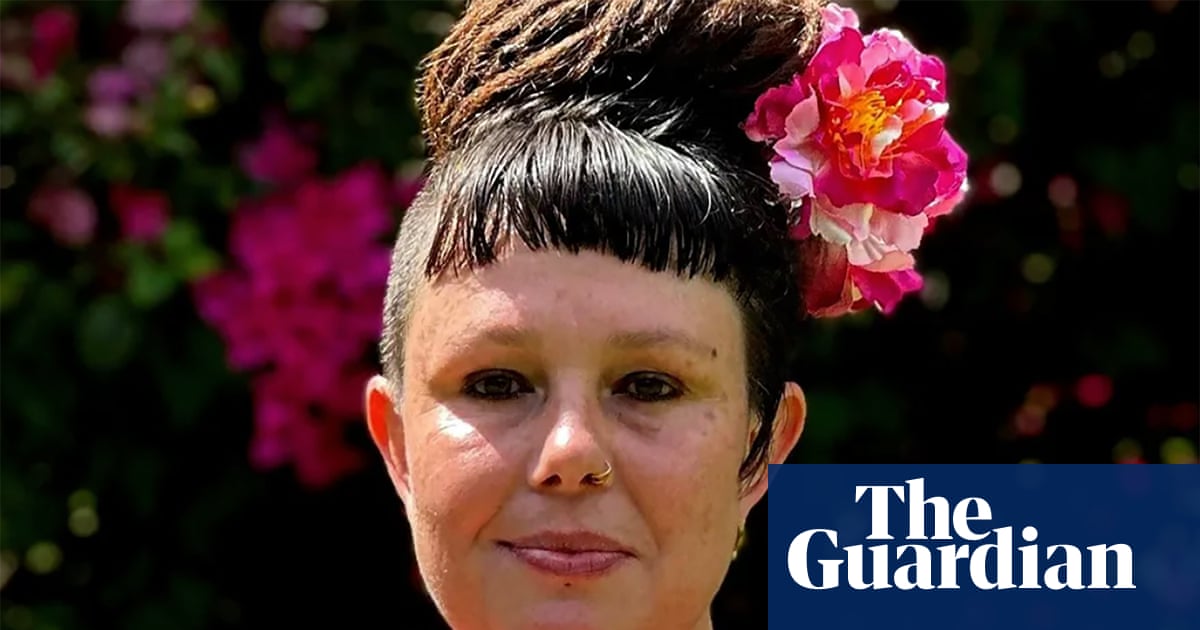
An inquest into the deaths of four babies born by freebirths or homebirths is being heard in Lismore. ( ABC News )
An inquest in Lismore is looking into the death of four babies born by freebirths or homebirths.
The court heard that one twin was stillborn, and the other died hours after being born at home without a registered midwife.
The inquest will continue for two weeks.
Twins delivered via freebirth in northern NSW would probably have survived if their mother had sought antenatal care, an inquest has heard.
WARNING: This story contains details of babies dying at birth that may be distressing to some readers.
The inquest is underway, examining the deaths of four babies, three born by freebirth in northern NSW and one after a homebirth in the Hunter Valley.
The NSW Coroners Court heard evidence in Lismore today about the death of Baby D, who died shortly after his twin was delivered stillborn in northern New South Wales in February 2024.
The baby and his family cannot be named for legal reasons.
Midwifery expert Hannah Dahlen told the court that with medical intervention, the babies would "both probably have survived, but not without risk".
Professor Dahlen's report, and that of fellow midwife Dr Alison Teate, said antenatal care would have detected two babies sharing a placenta, a "very high-risk" pregnancy.
The court heard Baby D's mother had not engaged antenatal care through the medical system because of a past traumatic birth experience.
In a video played to the court, the woman and her partner told police her first pregnancy was a homebirth overseen by a midwife in northern New South Wales.
After a long labour, the woman was taken to a birth centre.
She said what followed was a "snowball effect of intervention that didn't need to happen", including an epidural, and she was given little information about her treatment.
She said it was not in keeping with the holistic, spiritual birth she had imagined.
The couple said they felt threatened because of their birthing decisions, and were told by nursery staff, "we were going to kill our baby" if medical advice was not followed.
With her second pregnancy, the woman wanted a "sovereign" or freebirth and engaged the services of a doula whom she trusted and who had delivered more than 100 babies over 23 years.
The doula was paid a fee of $4,100 for attending the birth and three additional consultations.
With no ultrasounds or midwife care, Baby D's mother did not know she was having twins who shared a placenta.
The court heard this meant a homebirth would not have been recommended.
In a statement read in court, the doula said she would have suggested the mother seek medical care if she had known the mother was expecting twins, as she was not medically qualified, and had not delivered twins before.
Hannah Dahlen and Alison Teate gave evidence at the inquiry. ( ABC North Coast: Cathy Adams )
Professor Dahlen's report said if "managed properly", the risks would have been picked up.
Baby D was born in February 2024, and his mother said he "looked healthy".
That she was pregnant with two babies only came to light when the second baby began to crown.
The baby was born pale, limp, and showing no signs of life. The baby was stillborn, having died in the womb.
The inquest has no jurisdiction to examine how Baby D's brother died.
The court heard that what caused Baby D to decline was unclear, but his mother had said it began after the delivery of his brother.
Counsel assisting the Coroner, Ragni Mather SC, said medical experts suggested twin-to-twin transfusion syndrome may have contributed to the deaths.
The condition can cause an uneven blood flow to babies sharing a placenta and affects around 15 per cent of babies sharing a placenta.
Baby D's mother said in her police statement that the larger size of the stillborn baby supported this theory.
However, the doula's decision to cut Baby D's umbilical cord and not clamp it could have also contributed, the court heard.
The doula claimed the cord had already separated from the placenta when she cut it, and was not bleeding.
But as the baby was placed back into a birth pool that was bloody from the deliveries, it could not be known if the baby had lost blood through the unclamped cord.
The inquest heard that it was a woman's legal right to choose how she gave birth.
Professor Dahlen acknowledged in her report a mother's legal right to reject care once informed.
But she said the mother's previous negative birth experience did not exclude the need to seek medical care when needed.
In a video played to the court, their tearful mother told police she would not change her decisions, despite the outcome.
"I don't regret anything with my prenatal care," she said.
"I believe nothing could be done to help them that wasn't already done.
"They were born with love, and got to leave with love."