• Trump heads to Asia: At two leaders summits — in Manila and Shenzhen — President Donald Trump will look to counter the narrative of his declining power at home. The Iran war, along with Trump’s efforts to end Russia’s war in Ukraine , are likely to hang over the talks in Asia, where fuel prices have spiked due to the conflicts.
• Historic trilateral: His trip includes an unprecedented meeting with the authoritarian leaders of China and Russia , where Trump said he intends to discuss the war in Ukraine. Trump also said he “may meet” with Kim Jong Un , should the North Korean leader also make an appearance in China this week.
• Semiconductor scandal looms: In his separate meeting with Xi, Trump said he “might” discuss Nvidia founder Jensen Huang’s affair with a woman whom the US feared could be working with Chinese intelligence, though US officials previously told CNN that they did not expect Trump to raise it.
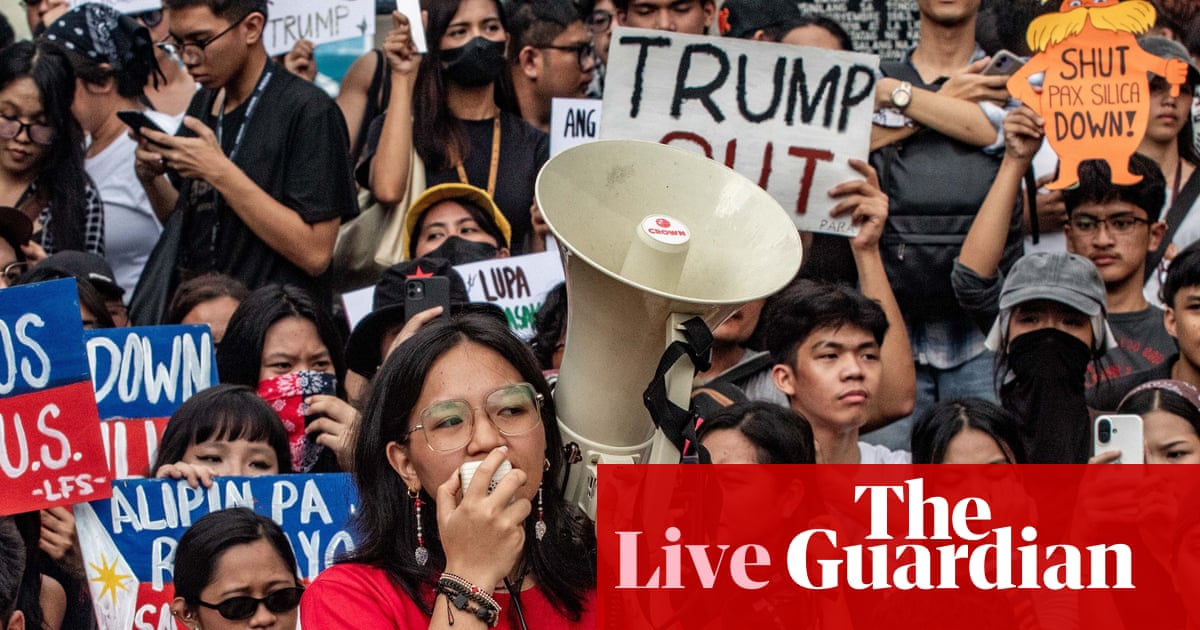
Protesters clashed with police in the Philippines ahead of the ASEAN summit, opposing the US-Iran war’s economic impact and the US-led Pax Silica initiative. CNN’s Will Ripley reports from Manila.
Protesters clashed with police in the Philippines ahead of the ASEAN summit, opposing the US-Iran war’s economic impact and the US-led Pax Silica initiative. CNN’s Will Ripley reports from Manila.
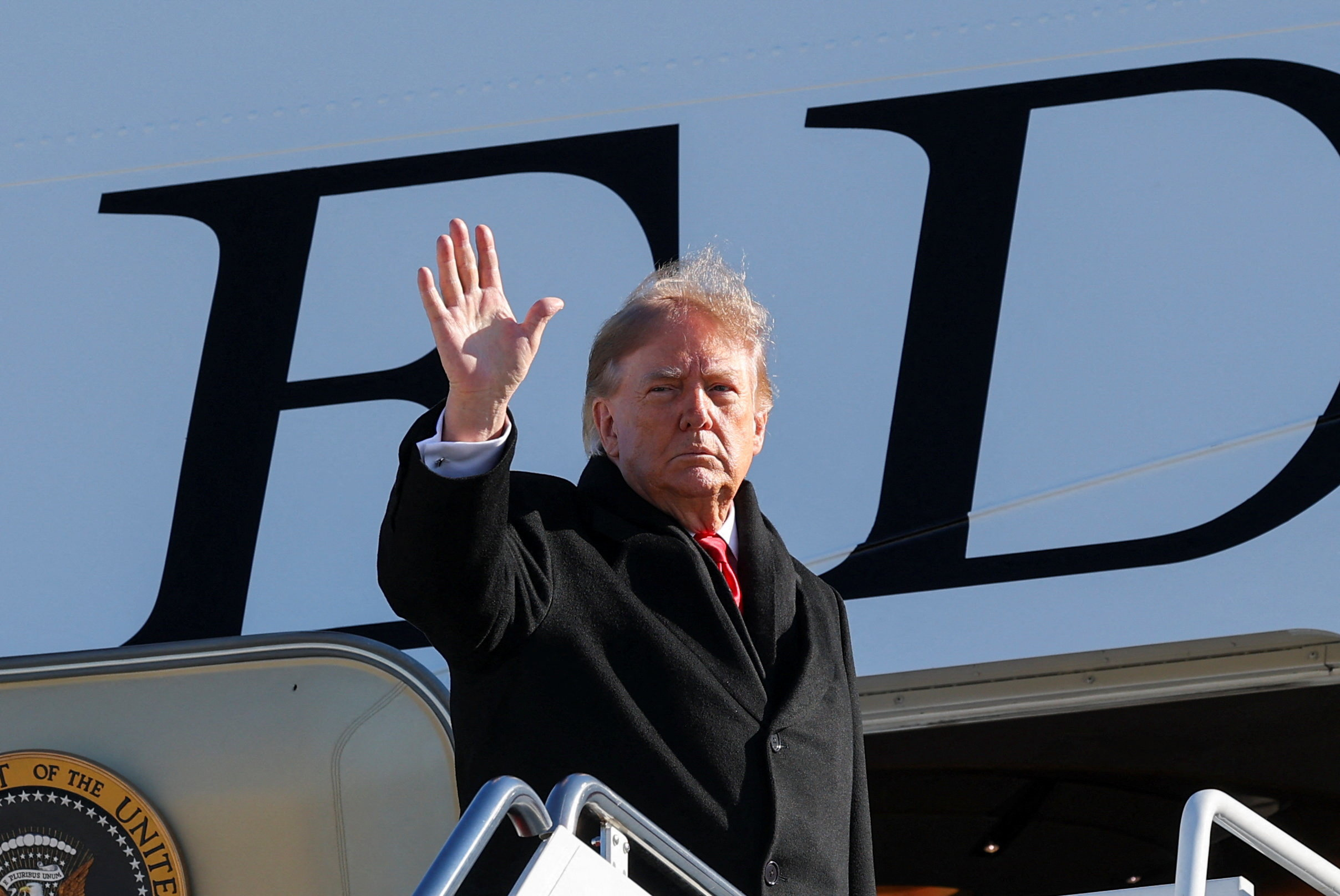
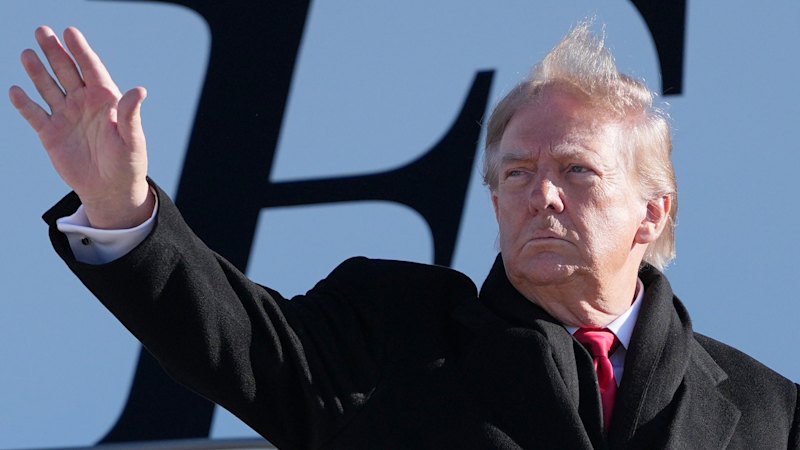
US President Donald Trump is the last leader expected to land in Manila for the Association of Southeast Asian Nations (ASEAN) summit on Tuesday, two days after the event kicked off.
Trump will attend the US-ASEAN Special Summit scheduled that evening local time, which a Filipino diplomat said would be “the last engagement to cap the meetings on 17 November.”
So, why is Trump bothering to make an appearance at all? Well, his attendance underscores Washington’s desire to engage with the economic bloc as part of its efforts to counter growing Chinese influence in the Asia-Pacific region.
ASEAN’s 11 member countries are a motley bunch. They include US allies Thailand and the Philippines, military-ruled Myanmar, communist-run Vietnam and Laos and economic giant – and the world’s most populous Muslim nation – Indonesia.
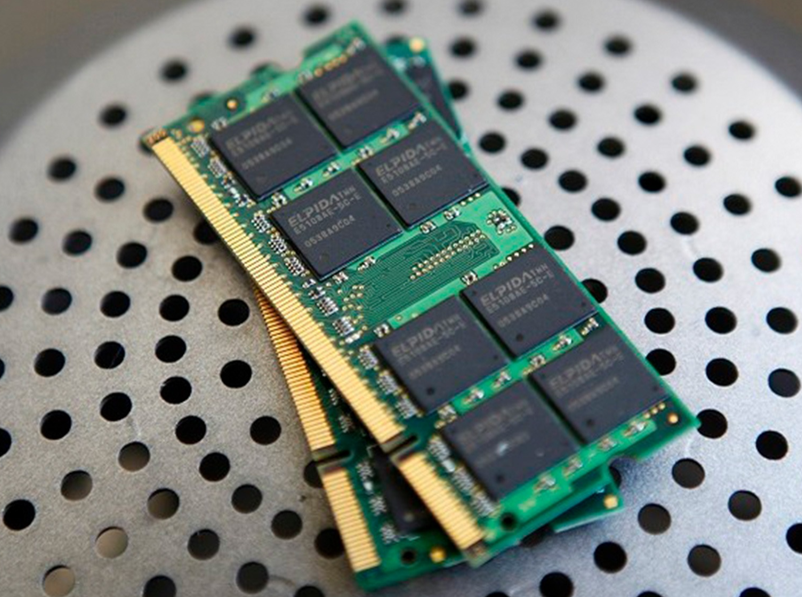
Another member is the wealthy city-state of Singapore, currently under global spotlight over Megaspeed , a company based there that US officials suspect was at the center of a shadow industry of complex transactions and shell companies that facilitated chip smuggling to China.
There’s plenty on ASEAN’s agenda at the Manila summit: from rising fuel prices sparked by the US and Israel’s war with Iran, to toxic smog in the region.
Trump will meet Philippine President Ferdinand Marcos Jr as well as the leaders of the other three so-called “Quad” countries: India, Japan and Australia. The Quad is an informal strategic forum focused on the region, featuring summits, information exchanges and military drills.
President Donald Trump said Monday that he’s not considering replacing Commerce Secretary Howard Luntick, even as scrutiny intensifies over whether he should have done more to limit the sale of advanced chips to China.
Trump downplayed reported disagreements between Lutnick and Treasury Secretary Scott Bessent, saying that the two men “have two different views” over whether the Commerce Department should have moved faster in labeling Nvidia customer Megaspeed a possible national security threat.
“They’re fine,” Trump said of the two cabinet secretaries.
Trump defended Lutnick’s decision to delay labeling Megaspeed a national security threat.
“We’re having a very good relationship with China right now, and I understand both sides of it. And I’ll make a decision, but I understand very well both sides,” he added.
In a tense Situation Room meeting earlier this month, Bessent challenged Lutnick over his department’s reluctance to blacklist Megaspeed.
Trump says he may raise the contentious issue of AI chip restrictions with Xi Jinping, despite concerns among some officials that he could take a softer line on Beijing.
The scandal involving Nvidia founder Jensen Huang’s high-powered AI chips and affair with an alleged Chinese intelligence asset will loom over Donald Trump’s visit to Shenzhen, the hub of China’s tech industry, even though the president’s aides insist it wouldn’t dominate the journey.
Huang resigned from Nvidia after reports of multiple affairs, including one with a subordinate and one with Alice Huang, whom US officials feared could be working with Chinese intelligence. Alice Huang was an executive at Singapore-based Megaspeed , an Nvidia customer under investigation for potentially diverting highly coveted US semiconductors to entities in China in violation of US export controls.
Trump said he “might” discuss Alice Huang with Chinese leader Xi Jinping. US officials previously told CNN that they did not expect Trump to bring up the scandal.
In an earlier exchange with reporters surrounding Nvidia, Trump offered a glimpse of his posture ahead of the meeting with Xi: Not rocking the boat.
Officials said they also did not expect the two men to discuss the newly revived debate inside the administration over how to further restrict high-powered chips from going to China .
Commerce Secretary Howard Lutnick was expected to join the president on the trip, and officials have not indicated those plans have changed amid the Nvidia scandal, which has seen Lutnick face intense scrutiny for what some Trump advisers see as inaction in placing limits on US chip exports to China.
Ottawa and Beijing announced a new trade deal Tuesday as Canadian Prime Minister Mark Carney and Chinese leader Xi Jinping met in Shenzhen, in a further sign of deepening ties between the longtime foes amid Canada’s trade friction with the United States.
“Canada and China have recalibrated our relationship to the benefit of citizens in both countries,” Carney said in a news release Tuesday.
China has agreed to relieve tariffs on about 400 million Canadian dollars ($280 million) worth of Canadian pork and seafood exports, while Canada agreed to extend remission measures for Chinese steel and aluminum products where Canadian supply is insufficient and unavailable, according to the Canadian government statement published Tuesday.
Canada also plans to launch a new major trade mission to China in 2027, it said. China is Canada’s second largest trading partner after the US, and trade between the two countries exceeded 125 billion Canadian dollars ($87.4 billion) in 2025.
Historically one of the world’s closest economic partnerships, Canada and the US have been locked in a trade war during President Donald Trump’s second term. Carney has moved to lessen his country’s reliance on the US, forging closer economic ties with Europe and Asia.
During his meeting with Xi, Carney hailed the “greater predictability and stability” in Canada-China relations following his trip to Beijing in January where the leaders announced a new “strategic partnership” and agreed to ease longstanding trade tensions.
US President Donald Trump said Monday he “may meet” with North Korean leader Kim Jong Un during his visit to China, adding that it would be up to Beijing’s leader Xi Jinping.
“We might have Kim Jong Un. He may come. I don’t know. That’s up to President Xi,” Trump told reporters as he departed the White House.
Trump is traveling to Shenzhen, China later this week to attend the Asia-Pacific Economic Cooperation (APEC) Economic Leaders’ Meeting, where he plans to hold trilateral talks with Xi and Russian President Vladimir Putin.
Trump has repeatedly said he wishes to meet with the North Korean leader. North Korea is not a member of APEC and Kim has not confirmed any plans to attend the summit.
Kim’s travel habits could make an impromptu meeting difficult. The leader is known to travel on a heavily armored train that reportedly travels at an average speed of 37 miles per hour. Shenzhen is more than 1,000 miles from the North Korean border.
Kim took a 2.5 day train journey across China to meet Trump in Hanoi, Vietnam in 2019.
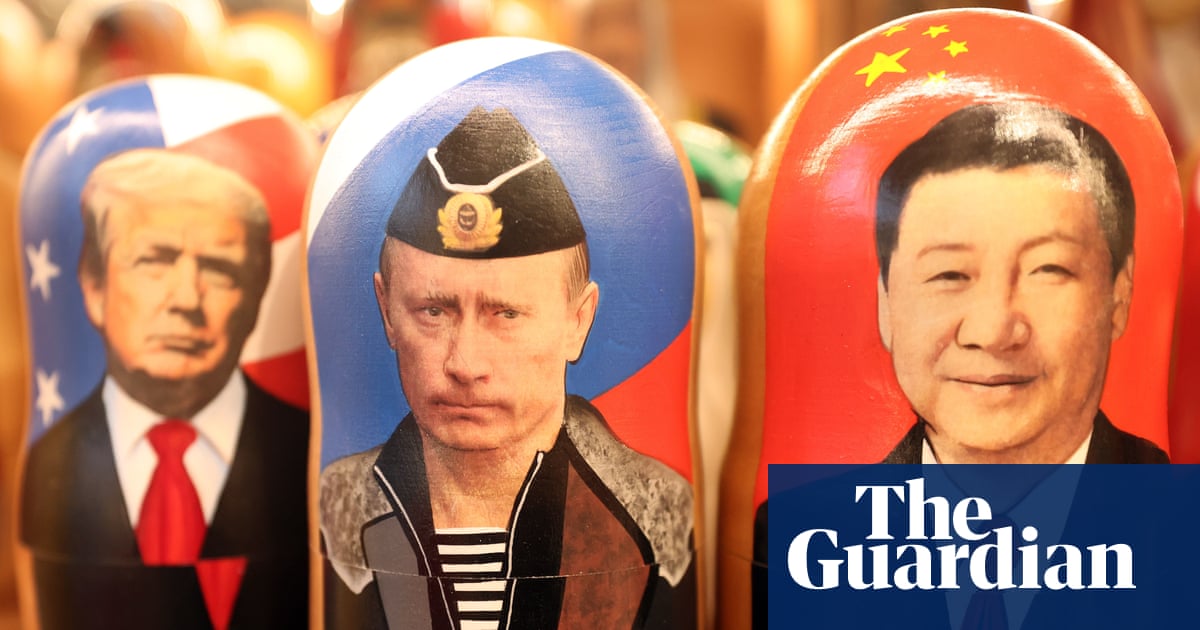
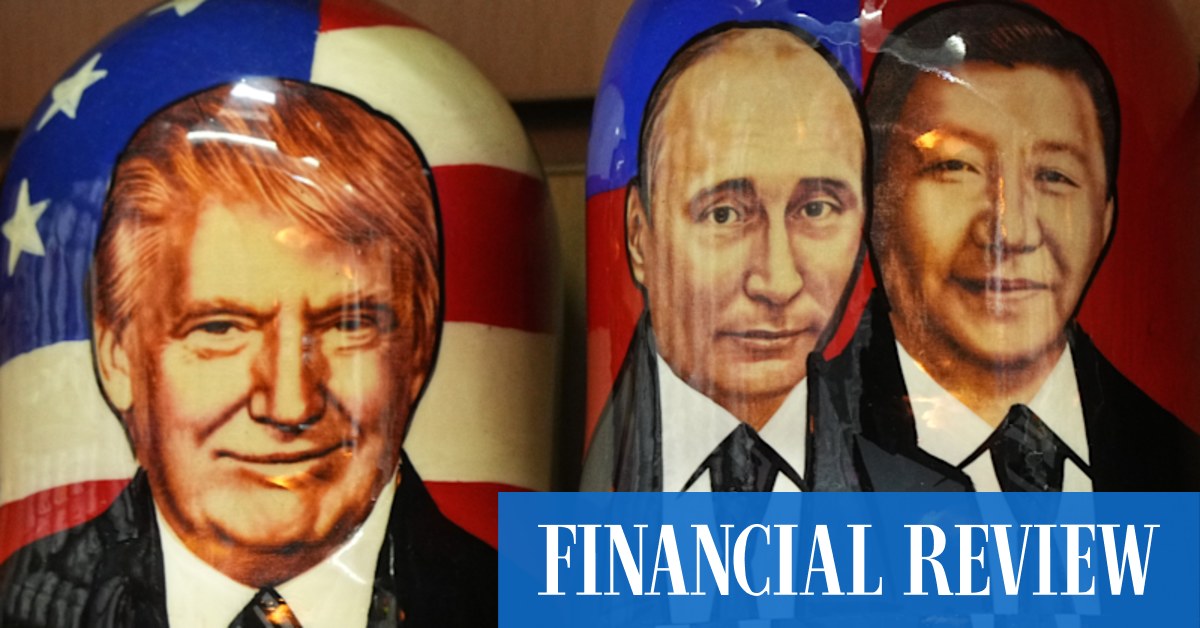
President Donald Trump will meet jointly with China’s leader Xi Jinping and Russian President Vladimir Putin on the sidelines of the APEC summit in Shenzhen, a first-ever trilateral sit-down between the leaders of the three countries.
The meeting will focus on nuclear nonproliferation, a topic Trump has said he believes could yield a new agreement between the world’s biggest nuclear-armed states.
While their trilateral is unprecedented, separately, the leaders have a wealth of history.
Xi has met with Putin dozens of times. The pair have built a close alliance, bound by ties that run deep between their nations. China has claimed neutrality in the war and sought to position itself as a peace broker. But NATO allies believe it has been instrumental in Russia’s effort to defeat Ukraine, providing Moscow with equipment to support weapon assembly, and contributing technology and imagery.
Trump and Putin have met in person seven times. The two leaders’ relationship has been tumultuous but appears to have strengthened in recent months. Trump faced a barrage of criticism in October when he suspended fuel export sanctions on Russia for at least six months, allowing Putin to release diesel into the global energy market at a time when US fuel prices were skyrocketing.
Trump said Monday he intends to discuss the war in Ukraine with his Russian and Chinese counterparts, despite US officials suggesting last week the topic wouldn’t be on the table.
Trump hopes to open discussions on nuclear weapons after the nuclear arms treaty between the US and Russia expired in February. China, meanwhile, has been rapidly building its arsenal but shows little interest in joining a pact.
Read more about the trilateral here.
President Donald Trump said Monday he intends to discuss the war in Ukraine with his Russian and Chinese counterparts, despite US officials suggesting last week the topic wouldn’t be on the table.
“We’ll talk about my favorite subject, Ukraine,” Trump told reporters as he departed the White House.
Last week, a senior US official said it wouldn’t be “appropriate” to discuss Ukraine during the meeting in China between Trump, Chinese leader Xi Jinping and Russian leader Vladimir Putin.
The official said that since separate peace discussions are underway between Russia and Ukraine, led by Trump’s envoy Steve Witkoff, it wouldn’t make sense to discuss the issue in the context of the China three-way meeting.
President Donald Trump suggested that he may discuss Alice Huang — the woman reportedly involved with Nvidia CEO Jensen Huang, whom US officials feared could be working with Chinese intelligence — with Chinese leader Xi Jinping.
When asked by a reporter on Monday why not discuss it, Trump said, “I might.”
US officials previously told CNN that they did not expect the president to bring up the alleged spying as he heads to Asia this week.
In an earlier exchange with reporters surrounding Nvidia, Trump offered a glimpse at his posture ahead of the meeting with Xi: Not rocking the boat.
It’s a time-tested tradition: Presidents looking to reassert authority and escape political gloom head overseas for a global pick-me-up.
President Donald Trump will attempt to follow suit with a long-planned trip through Asia, punctuated Thursday by an unprecedented three-way meeting with authoritarian leaders from China and Russia .
Comparisons with a newly constrained US leader may be unavoidable.
The sharp rebuke Trump faced from voters this month was quickly clocked by his foreign counterparts, all watching closely for signs of fading political capital and early-onset lame-duck status.
At two leaders summits — the Association of Southeast Asian Nations (ASEAN) in Manila and the Asia-Pacific Economic Cooperation (APEC) in Shenzhen — Trump will look to counter the narrative of his declining power.
Trump has spent the past year working to cultivate deeper ties Xi. And he’s been seeking new trade deals, with plans to sign an agreement with Thailand this week, White House officials said.
Yet the Iran war, along with Trump’s efforts to end the war in Ukraine , continue to dominate his foreign policy agenda. Both are likely to hang over his talks in Asia, where fuel prices have spiked due to the conflicts.
So, too, will Democrats’ stateside victories lead to questions of just how much Trump has left to offer. His two signature foreign policy initiatives — global tariffs and the Iran war — led to price increases that propelled voter anger toward him and Republicans. Democrats have vowed to limit his authorities on both, challenging the long-held adage that a president has a freer hand on foreign matters.