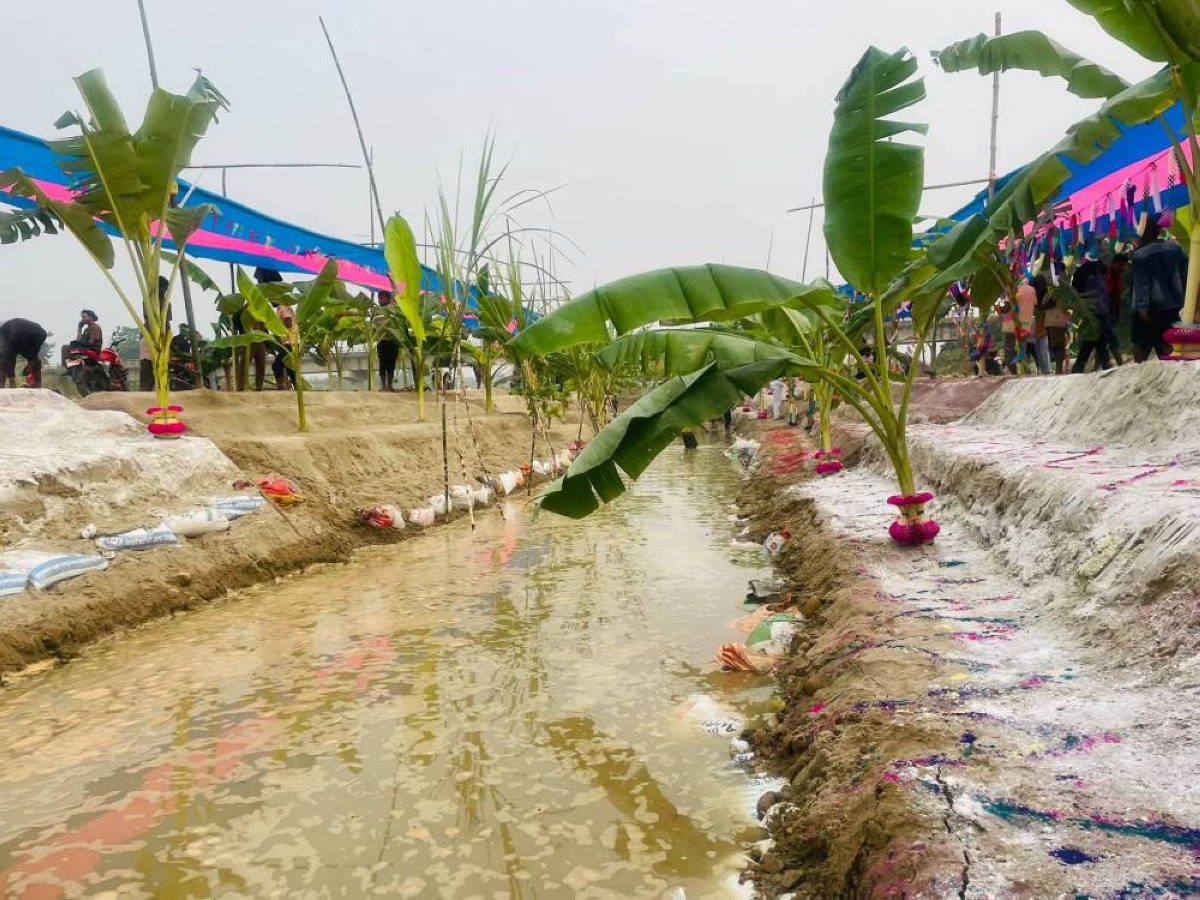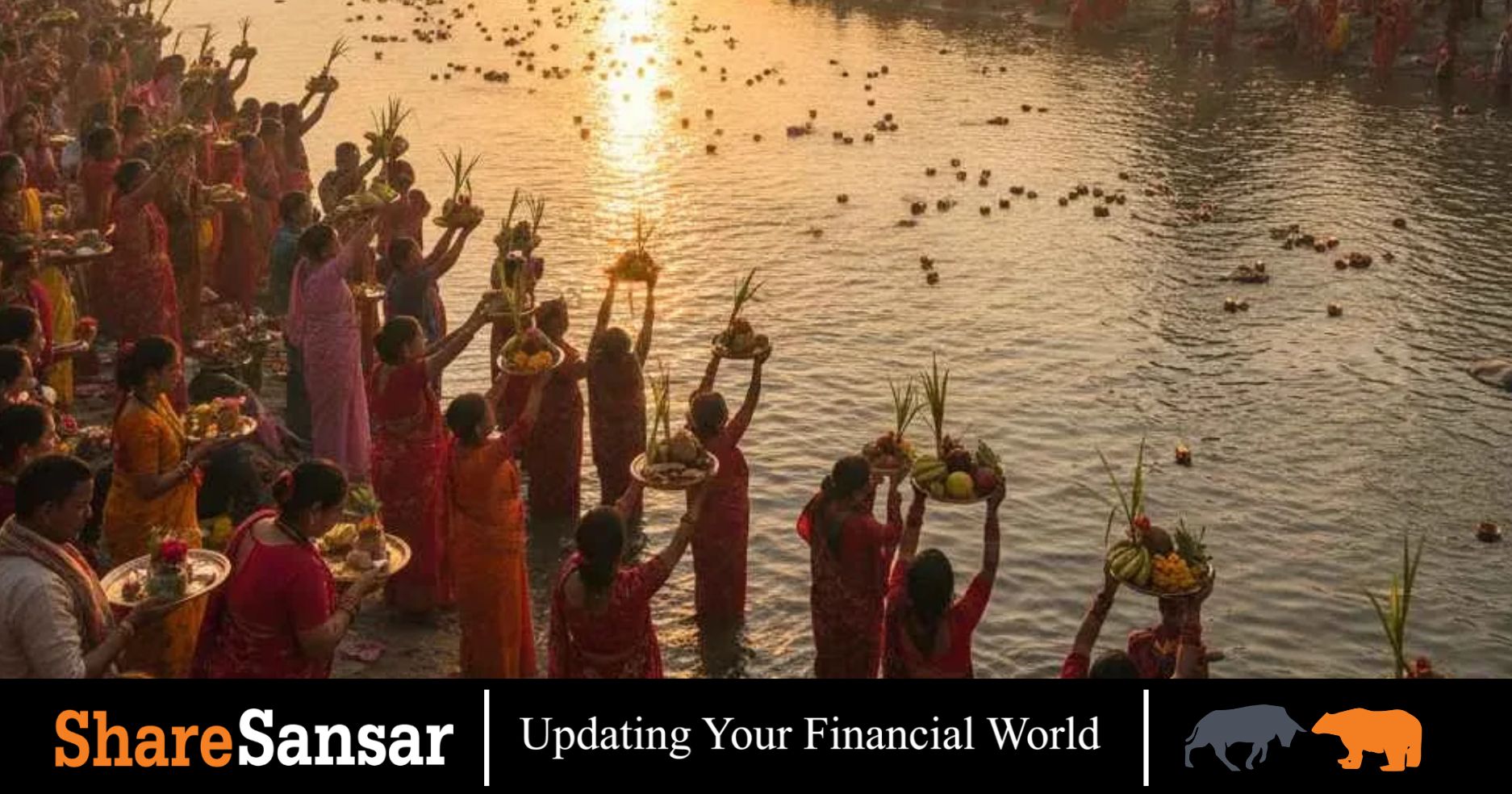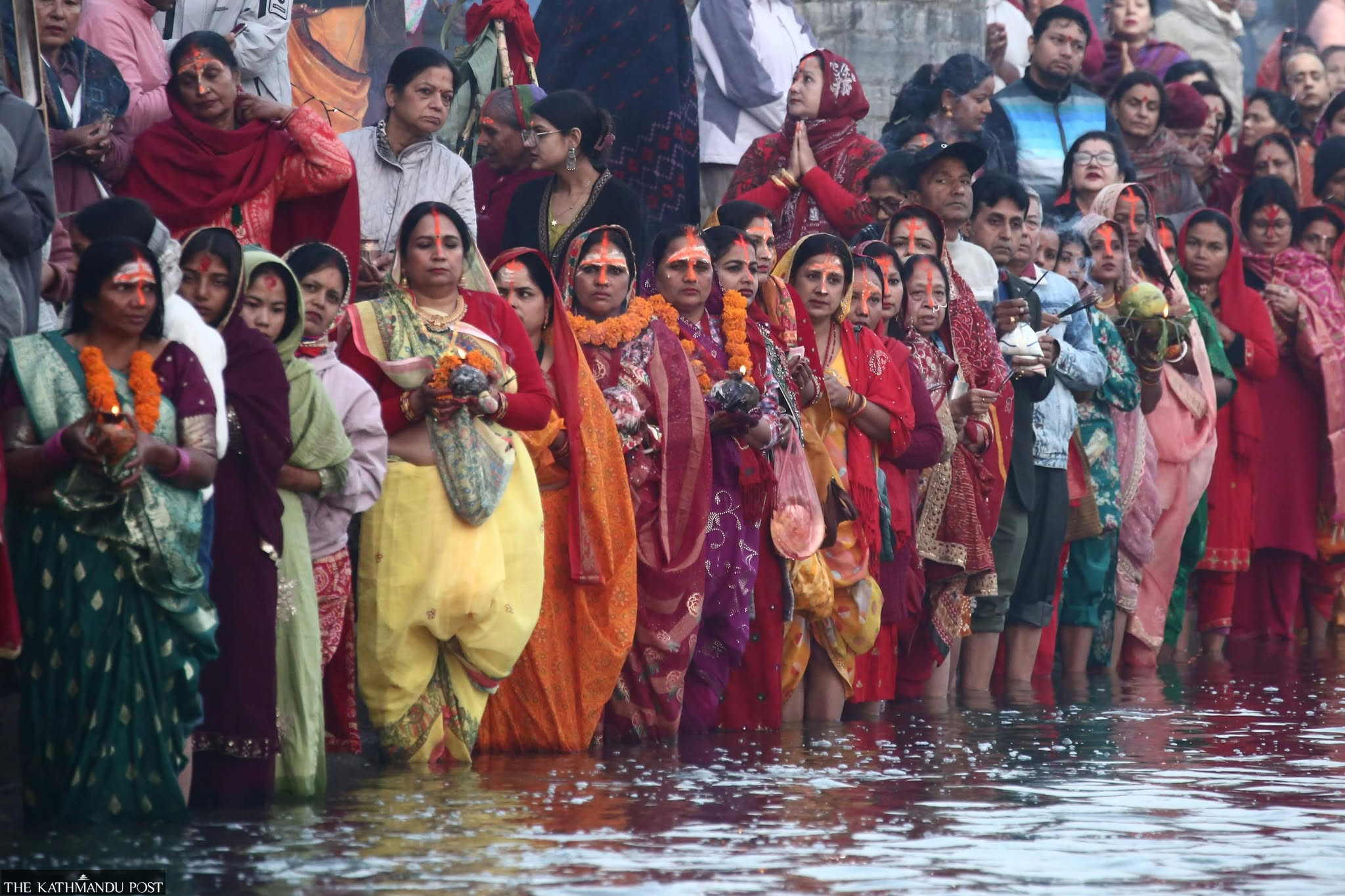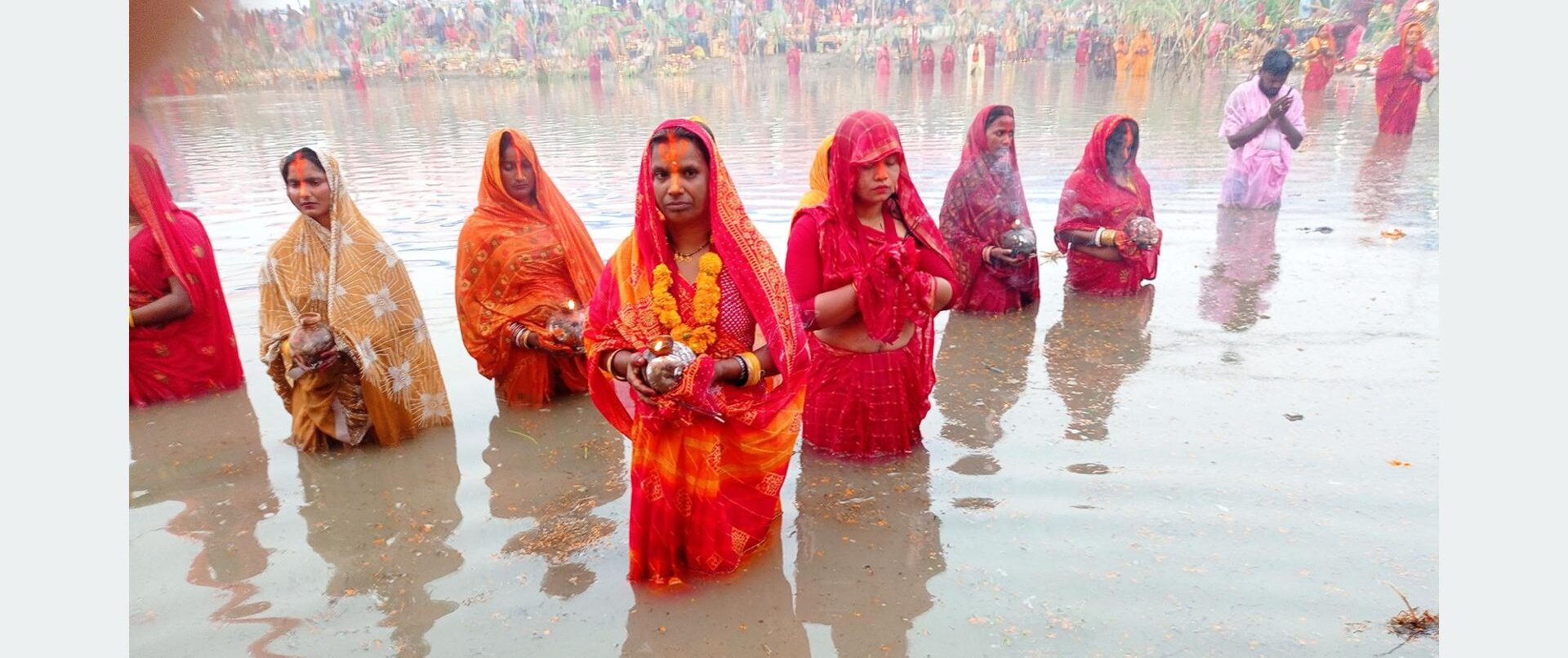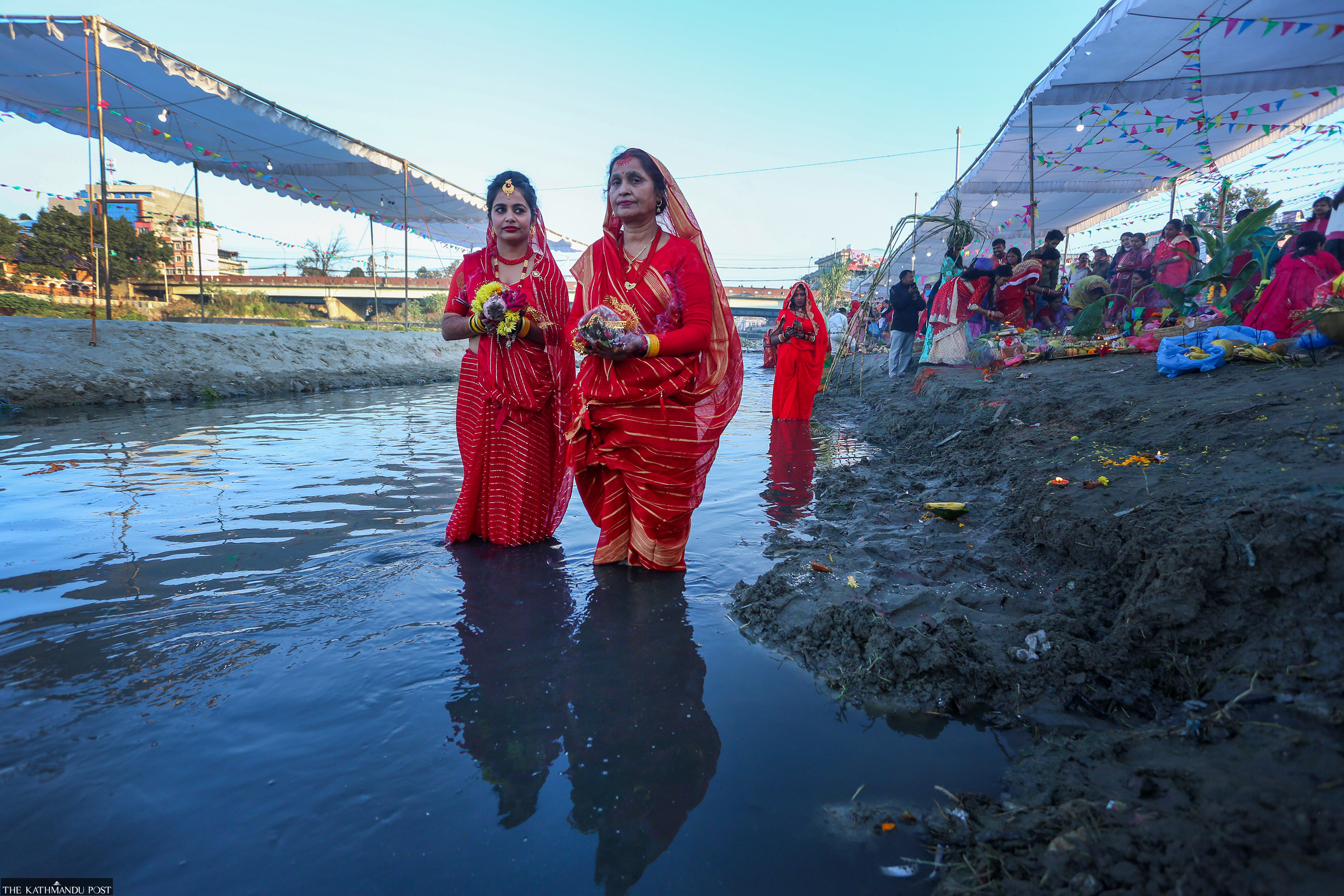
Across Madhesh this week, ponds, riverbanks and canals were festooned for Chhath, and the festival’s observers stood in the water before dawn and after dusk to thank the sun and Chhathi Maiya . At Darpi pond in Saptari, the southern bank was bright with decoration. At the eastern edge, however, beside a peepal tree, the Dom community—a historically marginalised group classified under Madheshi Dalit— was reduced to a congested ghat of its own. On the Chandi riverbank in Rautahat, Musahar and Mahara families, part of the Madheshi Dalit community, worshipped under a separate tent. The most levelling of festivals still sorts its devotees by birth.
On Friday, we argued that Chhath has outgrown the state’s regard for it, and that a festival of national importance demands a national policy which allocates proportionate public holidays and genuine inclusion of those who sustain it. On Saturday, the state announced a public holiday for Monday. The ghats, however, are the unflattering test of the last clause. Chhath is celebrated without idols and largely without priests. On paper, nothing stands between devotee and sun. Yet, in 2022 , the Post found Madheshi Dalits barred from ‘non-Dalit worship areas’, and in 2019 it found the arrangement so old that residents could not recall another.
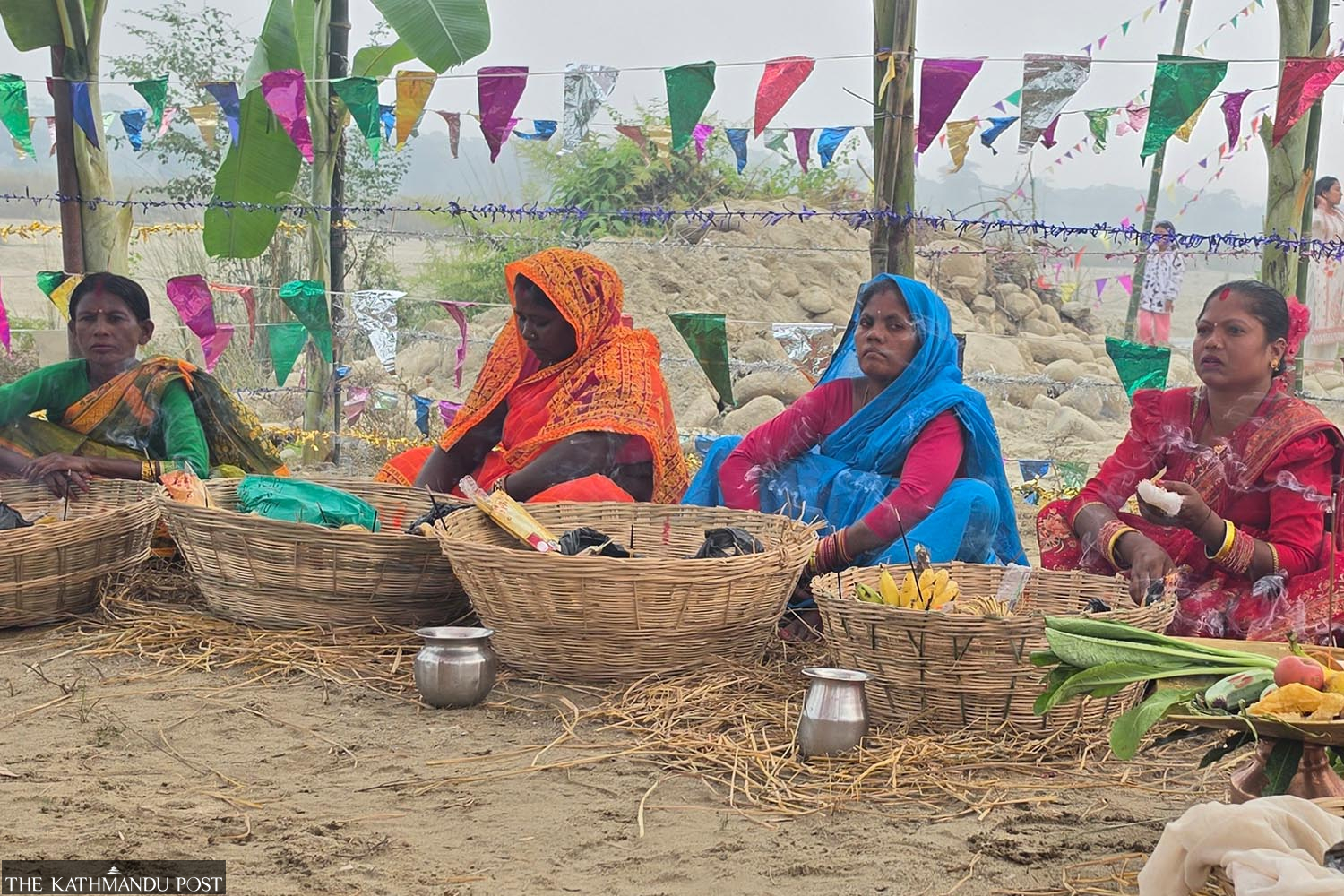
The bamboo trays that carry the offerings are woven by communities the caste order long pushed aside. Dom families’ festival earnings, the Post reported last year , must stretch across months of joblessness. A weaver in Mirchaiya said her work is used to worship the gods while she herself is treated as impure.
A column on this page last week cautioned against reading every restriction as bigotry: the Shreesapta is a family-lineage emblem that outsiders of any caste do not touch. That is fair, and the difference needs to be noted. But no ancestral rite requires a Musahar grandmother to wait in a corner of a congested tent or be pushed to a water body used for dumping carcasses.
The damning part is that officials in both districts denied discrimination. In Rautahat, Dalit families pitched their own tent only after objecting to being confined to a corner of the main one. Separation chosen under humiliation is exclusion that has learned to look like preference. Where separation hardens, state neglect leaves marginalised families the poorer stretches of water bodies.
Progress is possible, as in Baragadhi, where families from all communities now celebrate together after a long struggle. However, across the country, law enforcement is the missing ingredient. Article 24 of the Constitution prohibits untouchability, and the Caste-Based Discrimination and Untouchability (Offence and Punishment) Act, 2011, makes exclusion from public places punishable. On November 5, the women’s ministry urged an end to separate ghats, yet residents say no one monitors compliance. When the law enforcement instrument does move, it moves late. Arrests in Siraha followed only after news media reported that a Dom family’s house had been bulldozed because ritual organisers deemed their presence impure.
Previously, we urged the allocation of multi-year budgets for properly engineered ghats. Those budgets should carry a condition: equal access, equal infrastructure, no separate tents. Ghat committees, which decide who stands where, should adopt written open-access rules and place Dalit representatives in their leadership. Municipalities should send officials to the ghats rather than wait for complaints. Police should register every case, separate tents included. Families and the officials who say they harbour no prejudice can prove it cheaply: share the pond, invite the people who wove their baskets to stand beside them, and stay away from any ghat that turns someone away. If Chhath is to be a national festival, it cannot be limited to a corner for the marginalised communities.