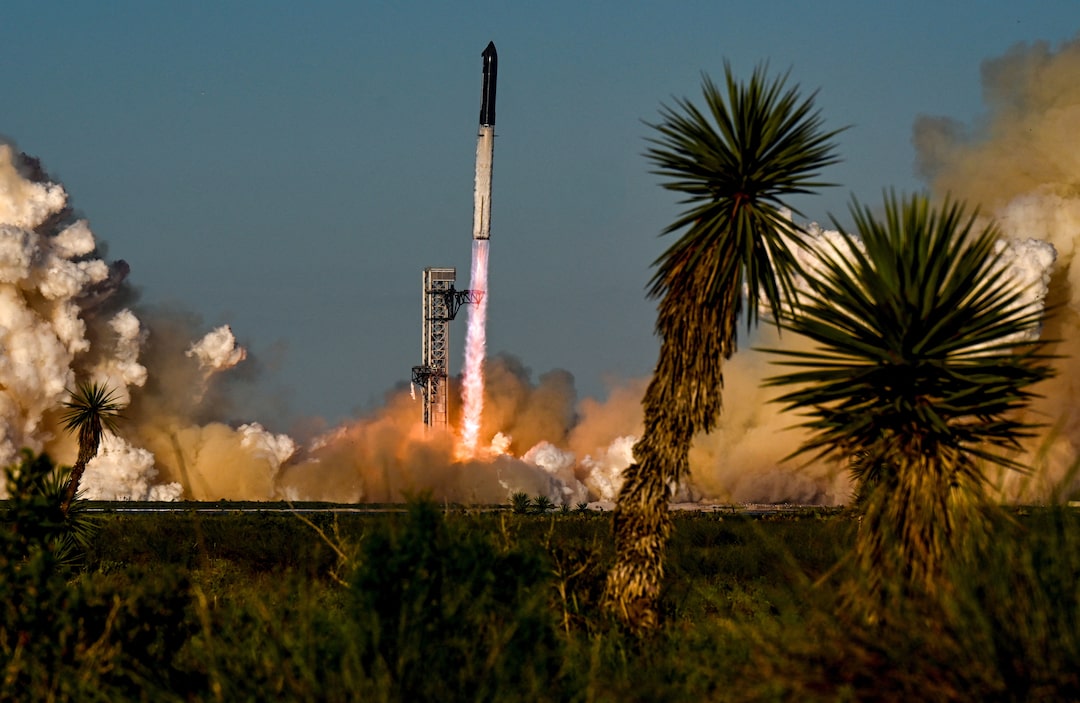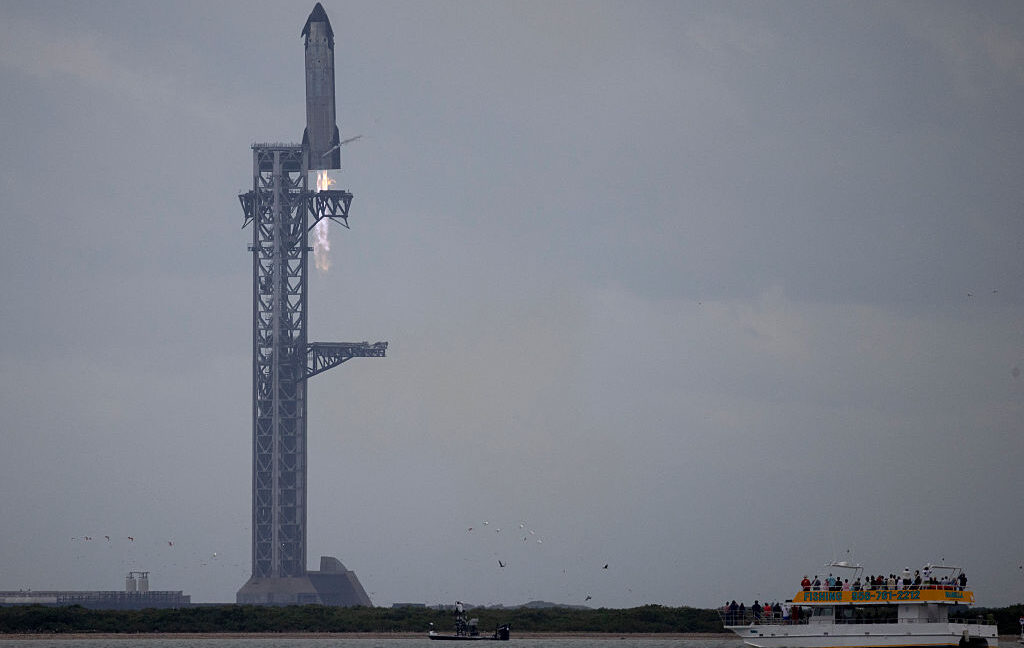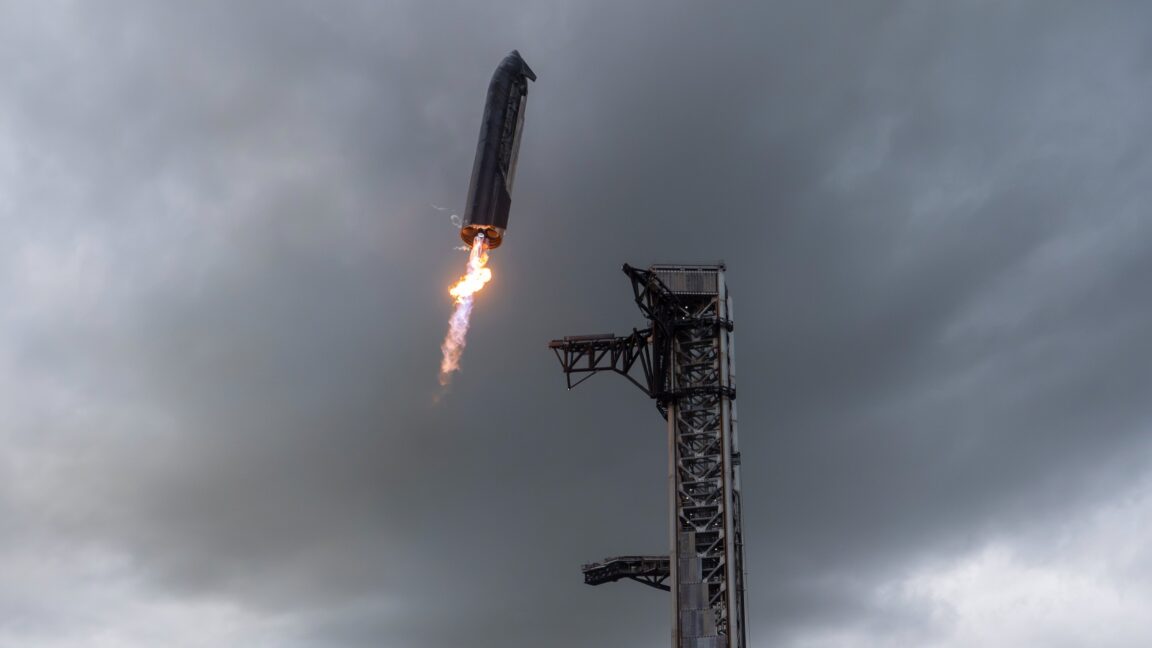
The stunning return of Starship from the skies to a launch tower in South Texas answered some questions about the future of SpaceX’s ambitious rocket program. Namely, it is now rapidly moving toward rapidly reusable launch.
However, it raises other questions. For example, as Starship becomes fully reusable, when might humans fly on the vehicle?
The short answer is pretty simple: If SpaceX prioritizes human spaceflight on Starship, it could happen reasonably quickly. The longer answer becomes more complicated and depends on what one means by human spaceflight. The first people to fly on Starship probably won’t launch from Earth, or land here. Rather, they will probably be NASA’s lunar astronauts. So there are different timelines for humans flying aboard Starship and landing on Earth.
Given what is known publicly, and what Ars has heard privately, here are some educated guesses about all of this.
The first thing we can say for sure is that all estimates of human spaceflight on Starship should be taken with a gigantic grain of salt, including those in this article. Putting humans on any space vehicle is a difficult and time-consuming task, even outside of the requirements that NASA would impose for its astronauts.
The original target for launching humans on Starship (then known as the Interplanetary Transport System) set a decade ago was 2024. That was for a Mars mission. Then, in 2018 , SpaceX announced a lunar flyby mission on Starship with a target launch in 2023. This dearMoon mission was canceled in 2024. In 2022, SpaceX and Dennis Tito announced a lunar flyby mission later in the 2020s.
More recently, according to sources, SpaceX has been telling individuals interested in launching on Starship that it could begin offering flights by 2029. I probably would not put too much stock in this date.