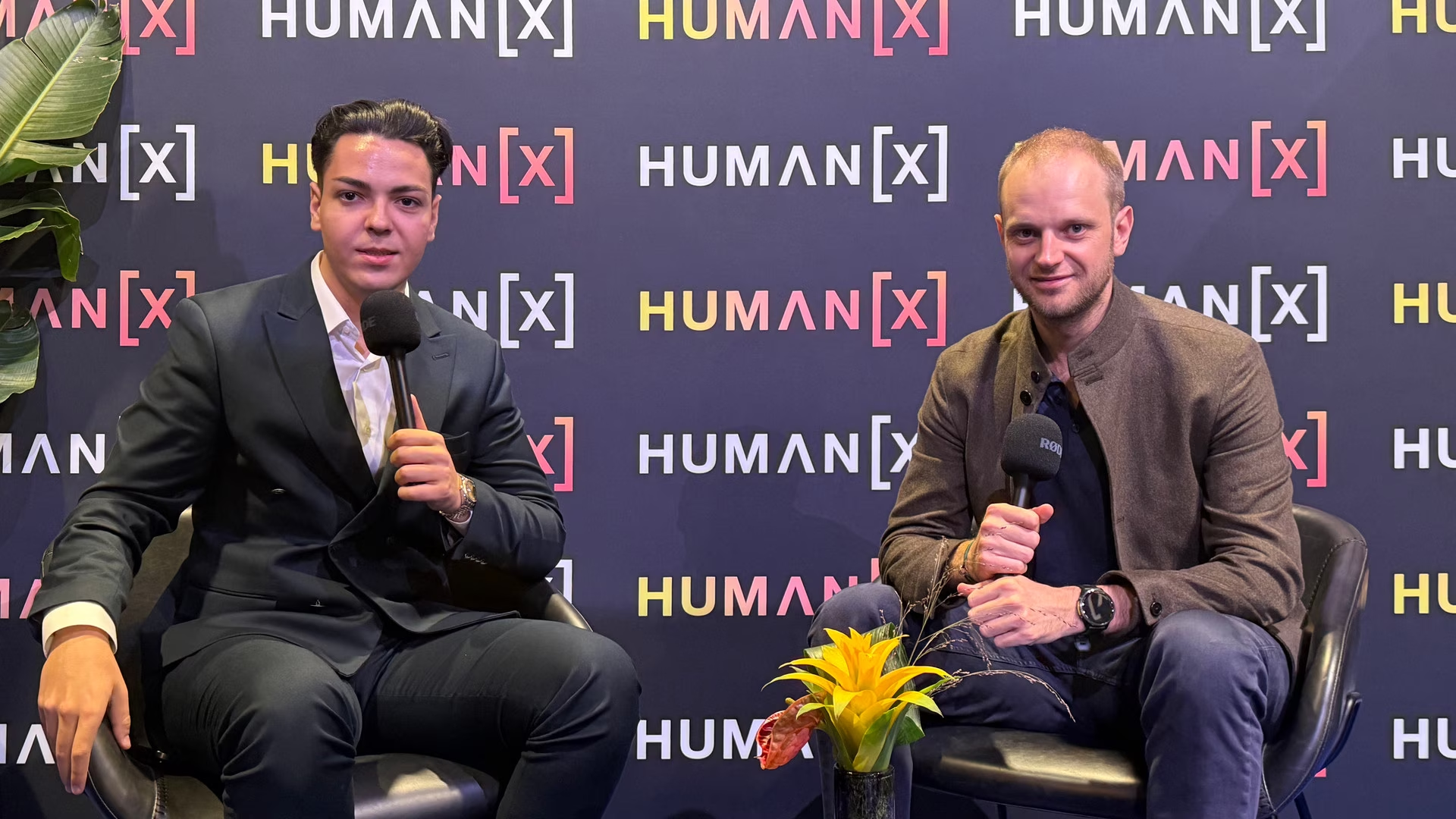



Mikko Hautala, Nokia’s chief geopolitical and government relations officer and chairman of Nokia Defense.
Nokia, Nscale, Skeleton, Telia and Verda have formed a group to bid for one of the EU’s planned AI gigafactories. Called AI Gigafactory Northern, it would spread one facility across several Nordic and Baltic sites, the partners said in a joint release on Monday.
The sites named so far are in Oulu in Finland, Iru in Estonia and Valmiera in Latvia. A fourth site, in Sweden, has no location yet. The partners plan to run them as one federated AI gigafactory under European governance.
The consortium plans to bid in a tender run by the European High-Performance Computing Joint Undertaking . That EU body also runs Europe’s shared supercomputers, such as Finland’s LUMI AI supercomputer . The call opened on 30 July and will pick the groups that build and run the gigafactories. The EU and its member states will then buy computing time from them.
Each gigafactory must hold three to four times as many top AI processors as Europe’s most powerful AI factories, the call says. It must also show enough power capacity and meet standards on energy and water efficiency.
The deadline for the call’s second lot is 3 December. On 5 November, the EU body moved the first lot’s deadline to 4 February 2027. The delay gives member states time to commit funding.
The release ties the plan to InvestAI, through which the EU aims to raise €30bn for AI. That includes €20bn from private companies and €10bn from EU and national public money, the partners said.
Nokia will supply the network that links the sites. AI cloud firm Nscale and Finland’s Verda bring platforms for training and running models. Telia, with its subsidiary Telia Cygate, adds connectivity, infrastructure operations and cloud services.
Estonia’s Skeleton Technologies makes power systems that it says ease the strain data centres put on the electricity grid. Two research partners, VTT Technical Research Centre of Finland and Sweden’s KTH Royal Institute of Technology, also back the group.
“Europe’s AI ambitions depend on infrastructure it can trust, control and scale,” said Mikko Hautala, chairman of Nokia Defense.
The partners said the region’s low-carbon energy and cool climate cut the power needed for cooling. Spreading capacity across borders also means no single site or supplier carries the whole load, they said.
“Skeleton contributes the power systems that ensure AI infrastructure doesn’t waste energy, places less strain on the grid, and gets more compute power from every GPU,” said Taavi Madiberk, Skeleton’s chief executive and co-founder.
Get the most important tech news in your inbox each week.