India’s choice to field in the fourth ODI, played on 13 November at Bay Oval, was defensible, but it was not why India lost. Shreyas Iyer elected to field, New Zealand scored 333, and India were bowled out for 89 chasing 334, a 244-run defeat that ranks as their second heaviest ODI loss by runs after Sharjah in 2000. The collapse began in the first over, three wickets gone with no runs on the board. The damage came from the batting order, not the call.
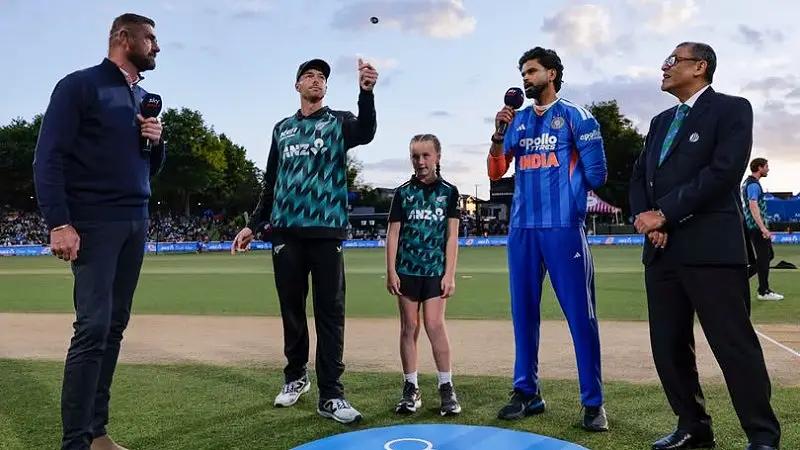
Sunshine and a stiff wind greeted the players, and the surface looked dry. It was Iyer’s debut as India’s ODI captain, and he said he wanted to chase, mentioning that grass had covered the pitch the day before. Reports add that he expected dew later in the evening.
Mitchell Santner saw a good batting pitch with decent pace and bounce, which is a different reading from the one Iyer gave. A dry surface with early grass is the kind of mixed signal captains read differently, and neither view was wrong before a ball was bowled.
India had reasons to bowl. They fielded first in the opening two games and won both, with Auckland seeing New Zealand dismissed for 185 and Wellington for 134. At Bay Oval itself, sides batting first and sides chasing have each won seven ODIs, so history gave no clear push either way.
No side has chased down 300 or more as often as India, who have done it 20 times. That record is the best argument for the call, because chasing is a strength for this lineup and not a gamble. Nobody planned for a top order that scored zero in the opening over.
New Zealand posted 333. Will Young made 125 from 108 balls, and Tim Seifert 58 from 48, and the pair shared 85 in 12 overs. India pulled things back late, conceding only 68 in the final ten, which showed the bowling plan worked well enough to leave a gettable target.
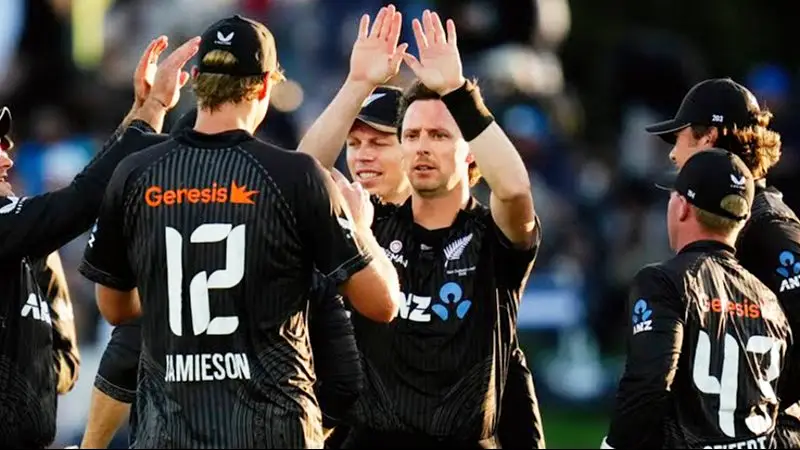
The chase for 334 was effectively over after one over. Iyer, Kohli and Rohit Sharma all went for nothing to Matt Henry, and Kyle Jamieson took out Ruturaj Gaikwad to leave India 9/4. Ishan Kishan scored 27 and Axar Patel 21 in a stand of 44, the only partnership of note. The innings ended at 89 after 26.4 overs, a full 244 runs short, with Henry’s 6/27 a career best.
Venue databases differ in detail but agree that first-innings scores average in the low 270s. Across 14 ODIs here, the first-innings average is 272.6 and the second-innings 234.7, leaving the two innings roughly 38 runs apart on average. That gap favours batting first on paper, a point the coin argument usually skips.
New Zealand hold the ground’s highest chase, 300/5 against India in 2020, so 334 would have beaten the venue mark by 34. The table lists India’s four ODIs here, and bat-first sides won two of them.
My read: the coin carries too much of the blame. Choosing to field was reasonable, though Iyer later described a big gap between how the pitch played in each innings, with sideways movement for the bowlers. A start of 0/3 would have sunk a chase of 334, whichever captain won the toss. The fix lives in the top order’s first six balls.
The fifth ODI takes place at the same ground on 15 November, with India ahead 2-1 and New Zealand able only to draw level. Showers are forecast with 40 percent probability, which would bring DLS into play, and a washout would leave India the series winners. Whatever happens with the India-New Zealand ODI series toss decision in the finale, the top three must survive the new ball.
Was bowling first the right call, or did India’s top order let the captain down? Tell us in the comments.
Why did India lose the fourth ODI at Bay Oval?
New Zealand posted 333, and India fell to 0/3 in the opening over against Matt Henry. The chase ended at 89 all out, a loss by 244 runs.
Who won the coin flip in the fourth ODI at Bay Oval?
India won it and chose to bowl first. Shreyas Iyer made the call in his first match as ODI captain, citing a plan to chase.
Is batting first better at Bay Oval in one-day games?
Not really, because both batting first and chasing have produced seven wins each. First-innings totals average about 273, against roughly 235 in the second innings, so the run gap favours the first innings.
What is the lowest ODI score India have made against New Zealand?
It is 88, made at Dambulla in 2010. The 89 at Bay Oval is now the second-lowest, only one run higher, and it came in 26.4 overs.
What is the highest successful chase at Bay Oval in ODIs?
New Zealand chased 300/5 against India in February 2020. That remains the venue record, and the target of 334 this time would have beaten it by 34 runs.