High school students will finally learn how to start a business before they bankrupt one, under a major syllabus overhaul of NSW’s most popular elective HSC subject.
The NSW Education Standards Authority has unveiled a new business studies curriculum, to the delight of teachers who have long criticised the existing course as illogical and outdated.
Under the current syllabus, which has been in place since 2010, students begin year 11 learning about concepts like bankruptcy and liquidation but end the year learning how to start a business.
“That doesn’t really make sense,” said a NESA subject-matter expert spokesperson. “It didn’t really have a logical flow or progression, and that also led to quite a lot of duplication where you might learn a concept in one place and have to come back and re-teach it later on.”
The course has been flipped so students explore how to start a business before learning how to grow and manage one. The new syllabus also explores modern entrepreneurial concepts and business models such as subscriptions, affiliate models and crowdfunding.
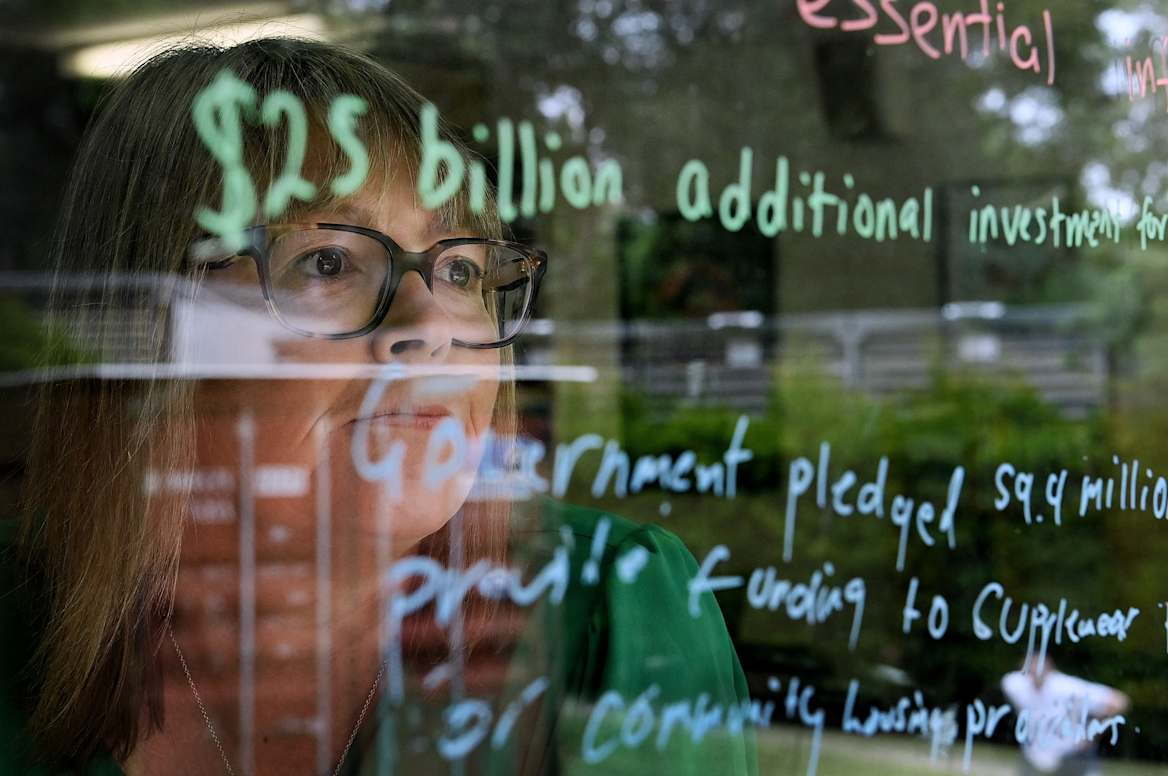
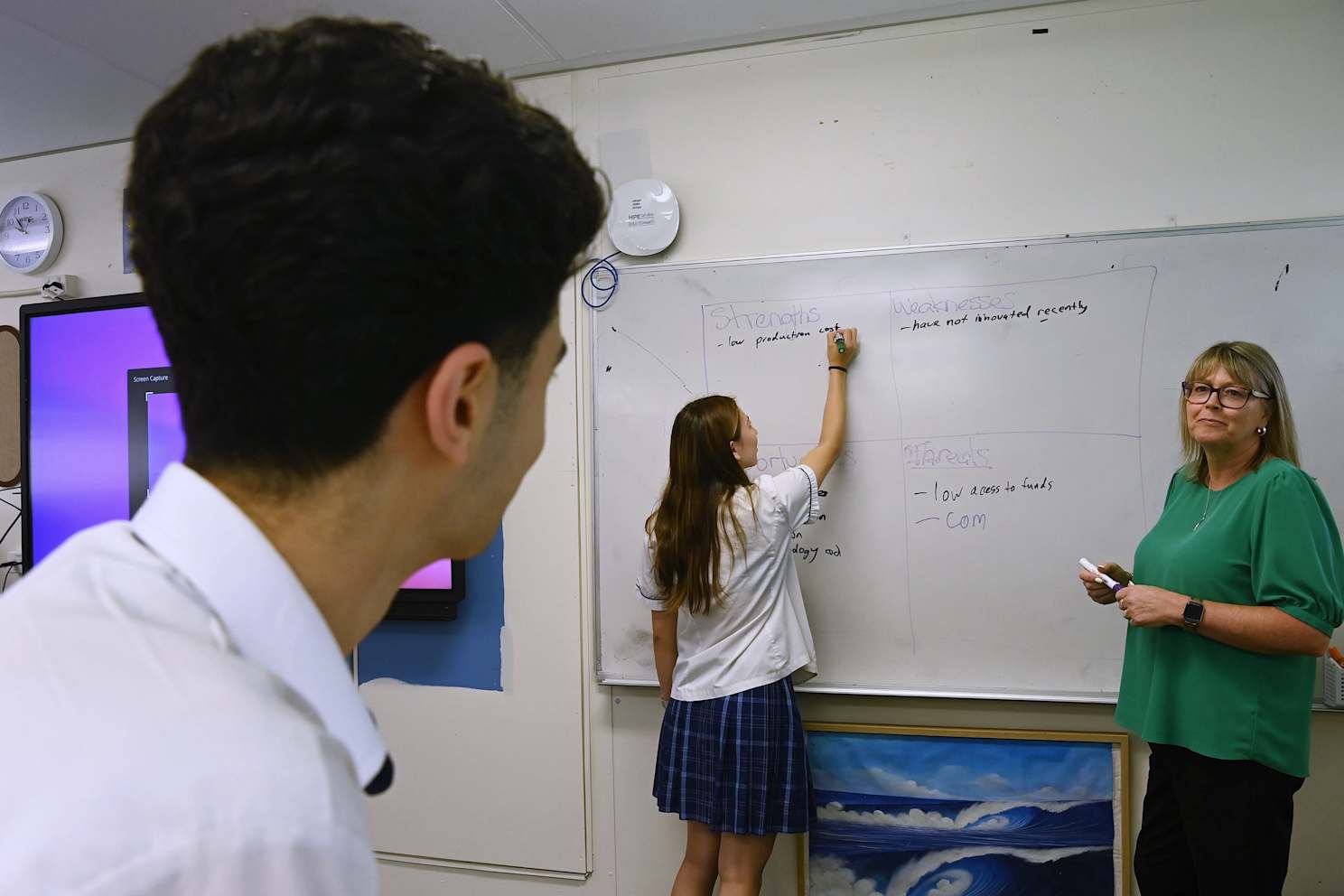
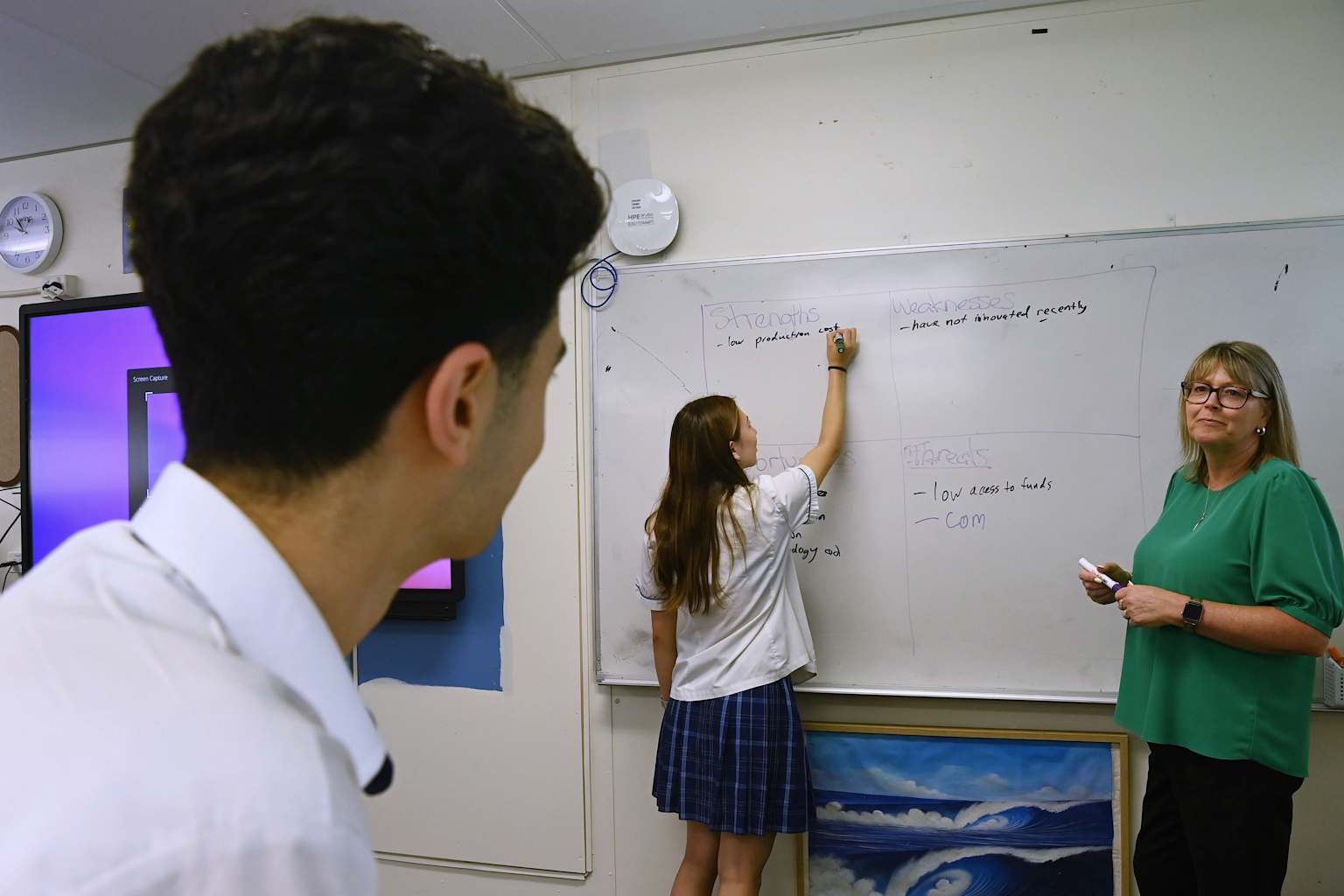
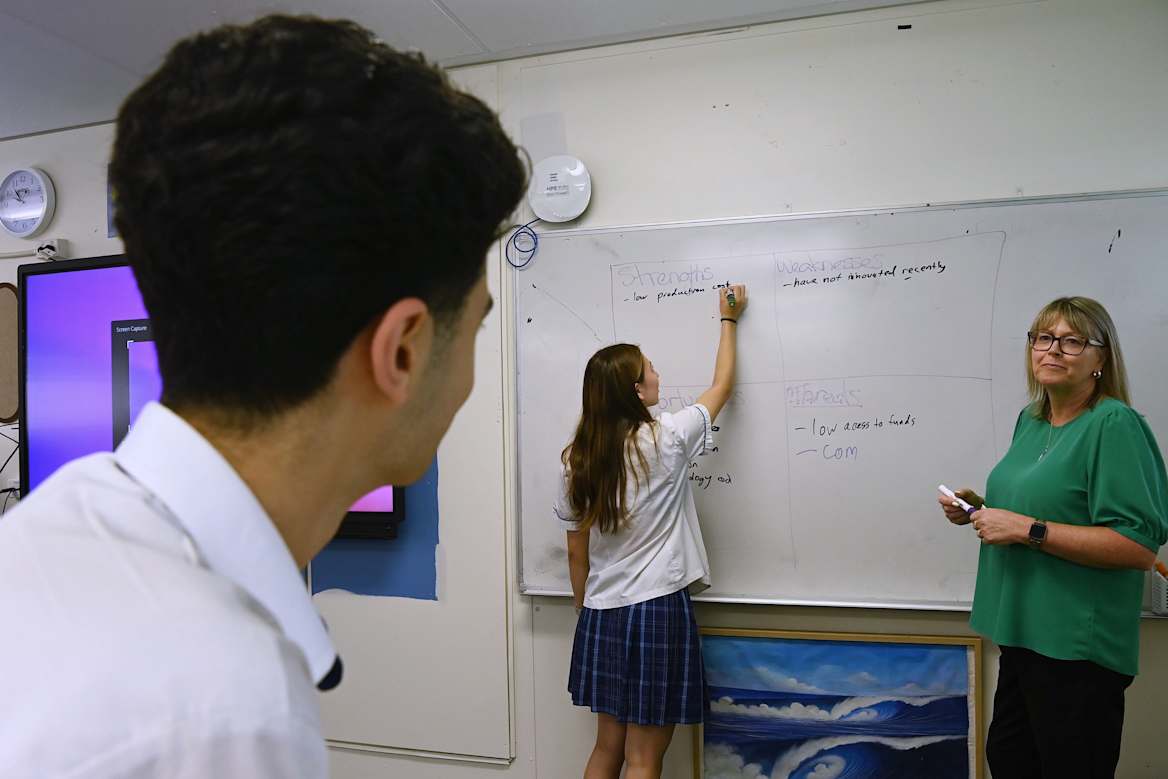
After almost 30 years of teaching the same course, Castle Hill High School head teacher Michelle O’Brien is ready for change. She is glad the syllabus is updating to a more logical flow.
“There’s a lot of repetition. It’s been around since 2010, so there are a lot of things that are pretty outdated,” she said, noting her textbooks discuss “e-marketing” with no mention of social media or AI.
She said the subject is adored by students who “have aspirations to own their own businesses and become millionaires”. It was the third-most popular HSC course this year, with almost 21,000 students. It’s known as an accessible course, teaching teenagers to start, grow and manage a business.
The old course was critiqued for being too content-heavy, especially its in-depth focus on complex financial topics like hedging, derivatives and international payments.
“They didn’t understand it. They didn’t understand why they had to understand it,” said O’Brien. “Good riddance,” she said of its departure.
“We’ve removed that out of the course so that there’s more space for students to learn about and practise those foundational finance skills,” said a NESA spokesperson.
In a major change, students will now have to study a real-world business case study for every focus area in the syllabus, including Aboriginal and Torres Strait Islander businesses.
Previously students would often study just one or two case studies – often Qantas, Coca-Cola or Apple – and reuse them across different content requirements.
Student Arshan Jam said the case-study change was “interesting” as most students make up their case studies. “That’s going to be really hard to do if you have to have a different business for every area,” he said.
Schools will have more than a year to get to know the new syllabus. It will be taught from 2028 and examined in the HSC for the first time in 2029.
You have reached your maximum number of saved items.
Remove items from your saved list to add more.
You've used all of your gift articles. 3 more will become available on the 1st of every month.