This story contains highly distressing content about injuries and fatalities.
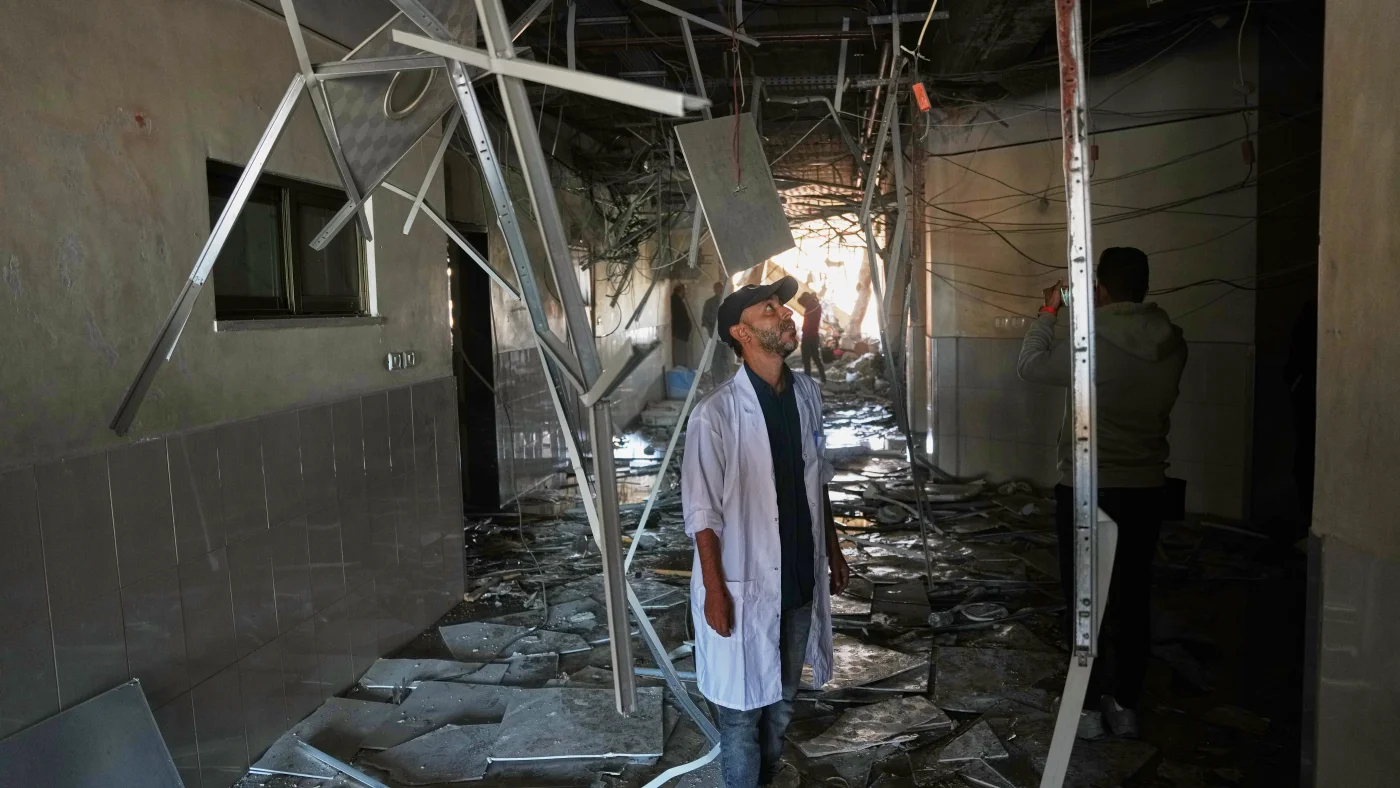
An Israeli airstrike on southern Gaza's main hospital in the early hours of Thursday reportedly killed at least six Palestinians, including a surgeon and a 13-year-old boy.
The strike hit a building housing surgery wards at Nasser Hospital in Khan Younis, where an Australian doctor had
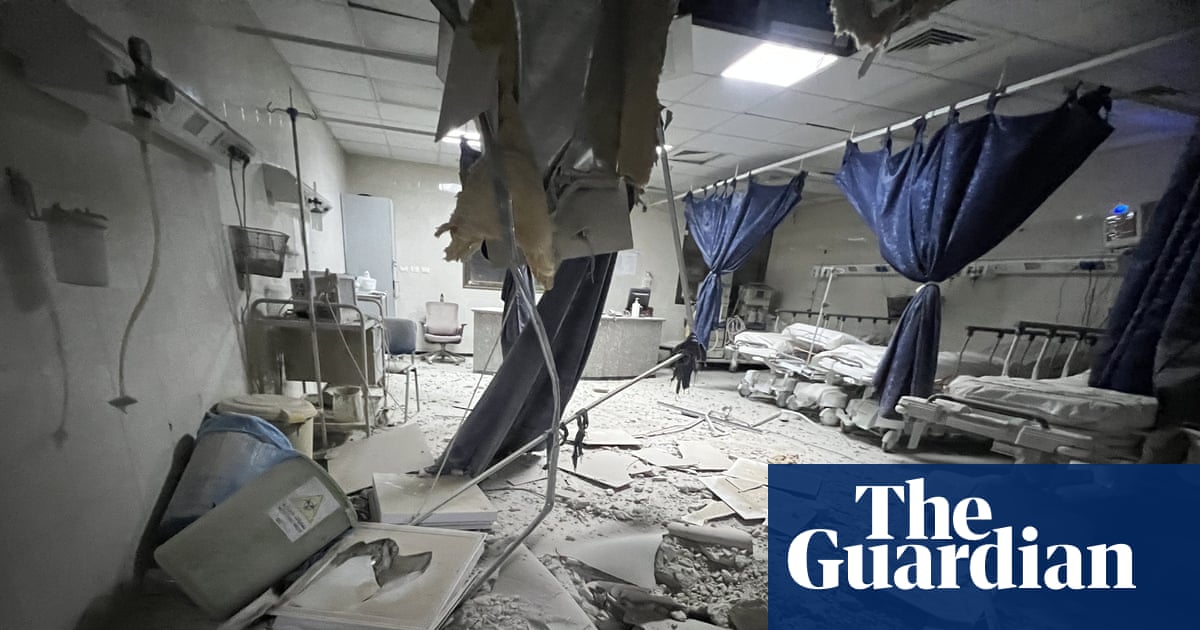
Medics and witnesses said two missiles crashed through the roof of the five-storey building, causing extensive damage. The surgery department, which serves half of Gaza's two million people, was knocked out of service.
Your trusted source for staying up-to-date with the world around you. Get free daily news updates and analysis, straight to your inbox.
Twenty others were wounded in the attack, which Israel's military said targeted a senior Hamas commander, while also accusing Hamas militants of using the hospital complex to plan attacks, which the group denied.
Among those killed was Rezik Abushira, a surgeon who was featured in a 2026 documentary, American Doctor, working alongside three doctors visiting from the US.
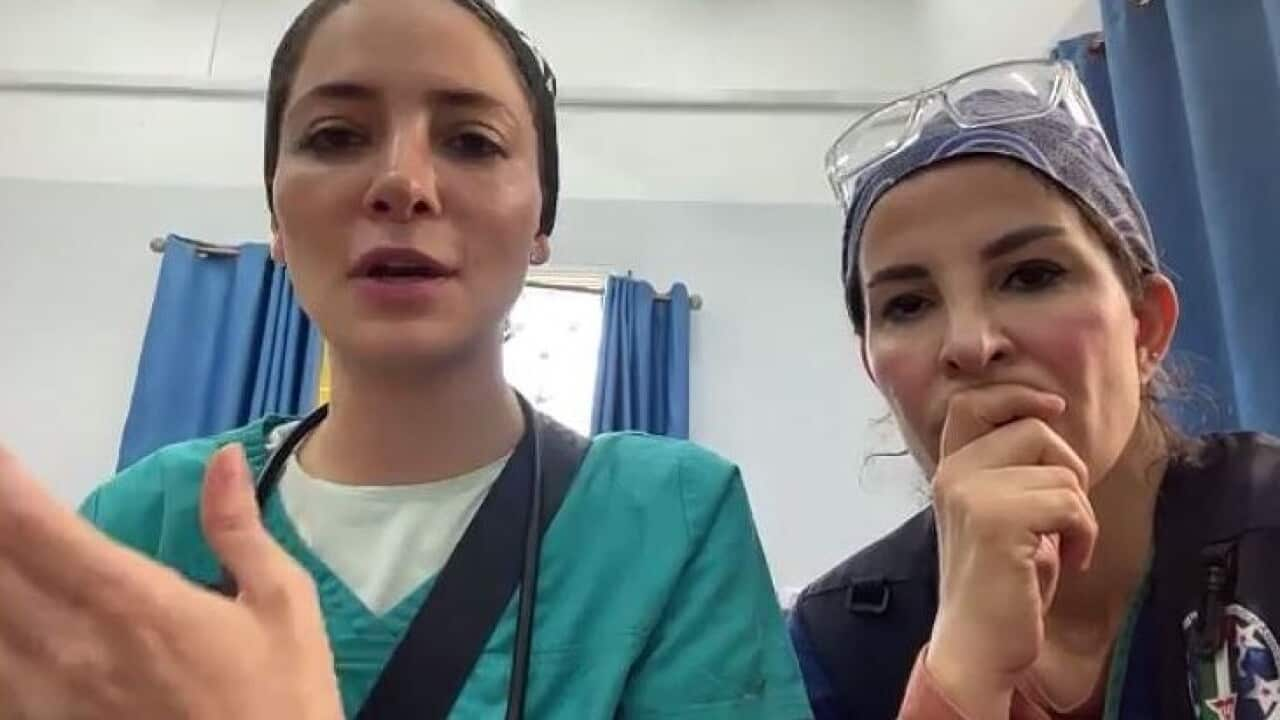
Brisbane anaesthetist Dr Saya Aziz has just returned from a stint in the targeted hospital, and worked with Abushira before the fatal strike.
"The place is completely destroyed. And for me, it's so shocking", she told SBS News.
"There was even a kid who was being prepped to come to theatre, and he was 13, and he actually died."
Before Nasser Hospital, she worked at Al-Shifa Hospital last year and at Al-Aqsa before that, where her husband, Dr Andrew Jorgensen, and another doctor friend are currently deployed.
Aziz said hospitals in the area rely on makeshift operating rooms and limited supplies.
Al-Shifa Hospital, the largest medical complex in the Gaza Strip, has been largely destroyed, rendered non-functional, and subjected to multiple military sieges and strikes by Israeli forces.
"Al-Shifa was completely burnt out. It's a carcass, a skeleton of what it was," she said.
Healthcare workers across the occupied Palestinian territories are saving thousands, she added, with many injuring themselves badly.
"They show me their scars, their wounds," Aziz described, going on to say one man she knew even had shrapnel protruding through his neck.
In a statement on the hospital strike, Israel's military said it targeted a person named Muhammad Abu Ismail, describing him as "the commander of Hamas' Khan Younis Brigade".
The military said he and other militants "were hiding inside the Nasser Hospital" and accused them of "turning the Nasser Hospital compound into a headquarters and operating from there".
Hamas rejected the military's claim that it had used the hospital as a base for operations. It did not immediately provide comment to Reuters on whether a leader from the group had been targeted, injured or killed in the strike.
Since the start of the Gaza war, Israel's military has struck the Nasser Hospital complex at least seven times, hospital officials say.
"Gaza's health facilities are lifelines for its people. They must be protected. They must never be militarised or attacked," said World Health Organization chief Tedros Adhanom Ghebreyesus in a statement.
Hospitals are protected sites under international law, and attacking them or using them for military purposes are typically considered breaches of the law.
Although medical facilities can lose their protected status under certain conditions, rights groups say Israel has not provided sufficient evidence in many cases to justify its attacks on them during the war.
For Aziz, the repeated attacks on hospitals amount to a "war crime".
"I don't care if the devil himself is hiding under the mattress. You do not bomb a hospital."
— With additional reporting from Alexandra Cheevers and Reuters.