You have reached your maximum number of saved items.
Remove items from your saved list to add more.
You've used all of your gift articles. 3 more will become available on the 1st of every month.
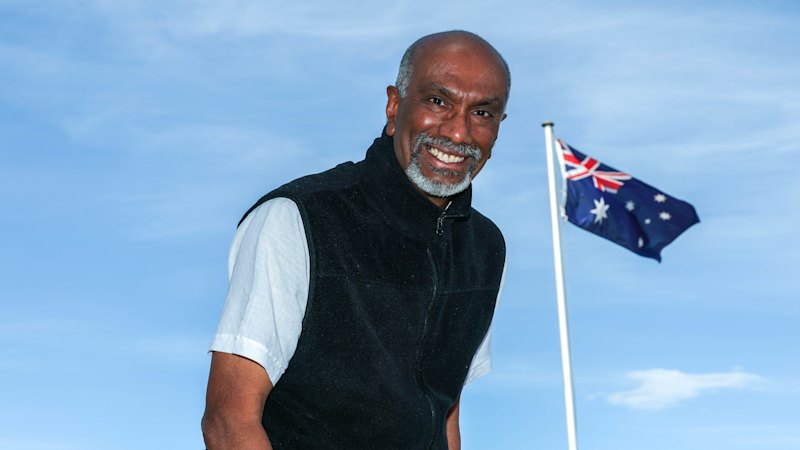
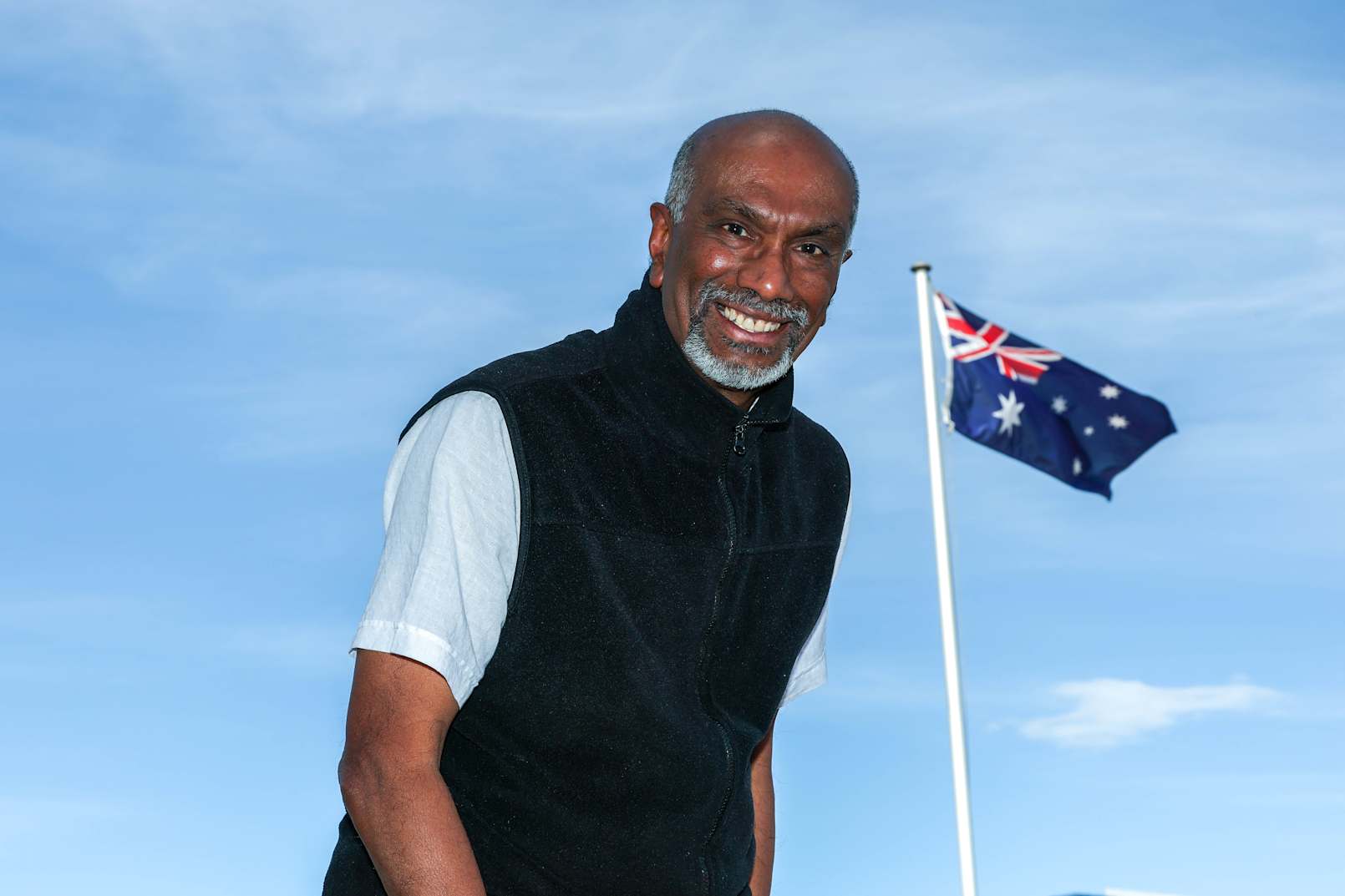
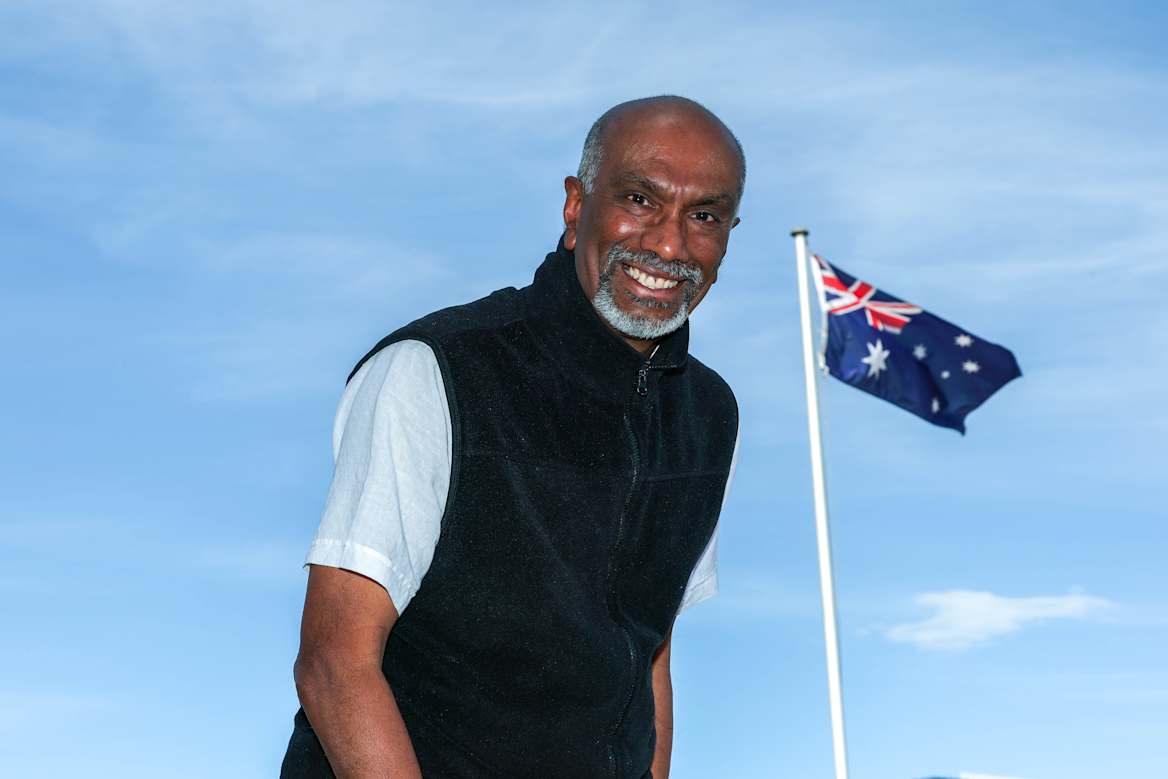
As a One Nation-supporting, Sri Lanka-born migration adviser, Lalin De Silva is alive to the irony. He mentions it immediately.
“It’s very ironic that I’m a registered migration agent who is supporting Pauline Hanson against mass immigration. Plus, my best friend happens to be a Muslim,” says the 65-year-old lawyer, enjoying a late afternoon coffee. In the fading light, the main street is virtually empty, while the Pakenham Marketplace shopping centre is still going strong.
De Silva continues: “Third irony: I am a Buddhist.”
We’re in Pakenham, the lower house seat on Melbourne’s eastern fringe where One Nation’s Victorian leader Warren Pickering is hoping to make history as the right-wing populist party’s first Victorian lower house MP.
Back in the late 1990s, the first wave of momentum for Hanson’s party was met with protests in Victoria and defeat for the party electorally in Australia’s most progressive state. Now, with less than two weeks until the election, One Nation’s primary vote is at 23 per cent, according to The Age’s Resolve Political Monitor – 1 point ahead of Labor.
Pollsters expect Victorians will elect several One Nation MPs, particularly in the upper house, where Rikkie-Lee Tyrrell is the party’s sole representative. Pickering himself wants to be the premier – as he told the Melbourne Press Club this week, his party is “here to govern”.
“We are now part of the permanent political landscape here in Victoria, whether people like it or not,” he said. “Get used to it.”
This is One Nation in 2026: a truckie who stops outside Coles to tell us Labor is stuffed; a cleaner raising three kids with his Samoan ex-partner; a retired tuckshop lady who lived in Traralgon for 44 years but would leave tomorrow if she could; a lifelong Labor-supporting staunch unionist who turned his back on the party because he says Labor turned its back on him.
For many, life has simply got worse. It’s a bitter given that the government doesn’t act in the interests of the people out here. Their mood boards range from disillusioned to outright conspiracy theories.
De Silva advises prospective migrants about working in Australia or settling here permanently. A member of Sri Lanka’s Sinhalese community, he will volunteer at polling booths for One Nation near his home in neighbouring Berwick.
“I like people who are skilled,” he says, explaining how his immigration stance aligns with One Nation leader Pauline Hanson’s. “Let them be plumbers, carpenters, lawyers. I came as a lawyer to this country.”
That was 19 years ago with his Catholic wife, Manjula, a qualified chef, and two children, now both in their 30s.
“We wanted to have a Western culture, which loved people from different ethnicities to come and live within that monoculture of Western civilisation,” he says.
“Each one’s religion can be very private. I do a lot of Buddhist meditation, but I don’t try to force it on other people. I don’t go around standing in the middle of the road, laying down and praying or meditating. I’ll do it at my home. I’ll go to a monastery and do it.”
That, he feels, has been lost, along with the primacy of the Australian flag he moved here under, now often displayed alongside the Aboriginal and Torres Strait Islander flags. De Silva is also against the Victorian government’s First Nations treaty, which he feels is undemocratic given the public voted down the federal Voice to parliament.
His teammates at the Endeavour Hills Cricket Club’s veterans team, where he is one of only three non-white players, were surprised when he announced he was supporting One Nation.
“People think when they see a dark skin, ‘Oh boy, they are against the whites,’” he says.
“They were quite surprised. Then they started coming and whispering, ‘Lalin, do you know that I’m also member of Pauline Hanson’s One Nation?’
“Most of the Sri Lankan Sinhalese community, whom I associate with, are dead set for Pauline Hanson’s One Nation.”
Further east from Pakenham lies Morwell, the urban centre and administrative heart of the Latrobe Valley that gives its name to the electorate that includes Moe, Traralgon and the coal-fired power stations of Yallourn and Loy Yang.
The electorate is held by the Nationals’ Martin Cameron, a 57-year-old plumber; pollsters regard it the most likely lower-house seat to fall to One Nation.
On Commercial Road, inherent suspicion has replaced rural friendliness.
“But I don’t know you,” says one local woman, astonished, when The Age bowls up to her in the street. Suppressing the urge to explain that strangers are merely friends you haven’t met yet, we instead ask her voting intentions in the November 28 poll.
She looks at us, torn between temptation and self-censorship, before gaining control and passing swiftly by.
This week at least, Morwell is Nationals country. Even though at the last state election Labor scored more than 31 per cent of the primary vote, preferences put Cameron over the line. He is standing again.
Ricky Muir, the ex-federal senator for the Australian Motoring Enthusiasts Party, tried his luck here in 2018 for the Shooters, Fishers and Farmers Party but only managed fifth. This year he is standing for the upper house for the Shooters, Fishers and Farmers.
Commercial Street is a collection of council offices, charity shops, a florist, a cafe, lawyers’ offices and the Latrobe Valley Law Courts – briefly world-famous when they hosted the Erin Patterson mushroom murder trial .
Where once power plant operators, timber mills and coal miners, which sustained the valley last century, might have strolled the streets, they have been replaced by lanyard-wearing public servants employed by Latrobe Valley Council, the courts and regional departmental centres for housing, jobs and transport, and federal department Services Australia.
At least when they are not working from home, which has had a big negative impact in the past six months.
“Just the town, I feel like we need a bit of help and support,” says Islynde Anne, 29, who owns The Daily cafe, with its shelves of wraps, sandwiches and lasagne cooked by her mother.
“It’s a struggle to be able to keep people employed and have a local business if there’s no one showing up to work.”
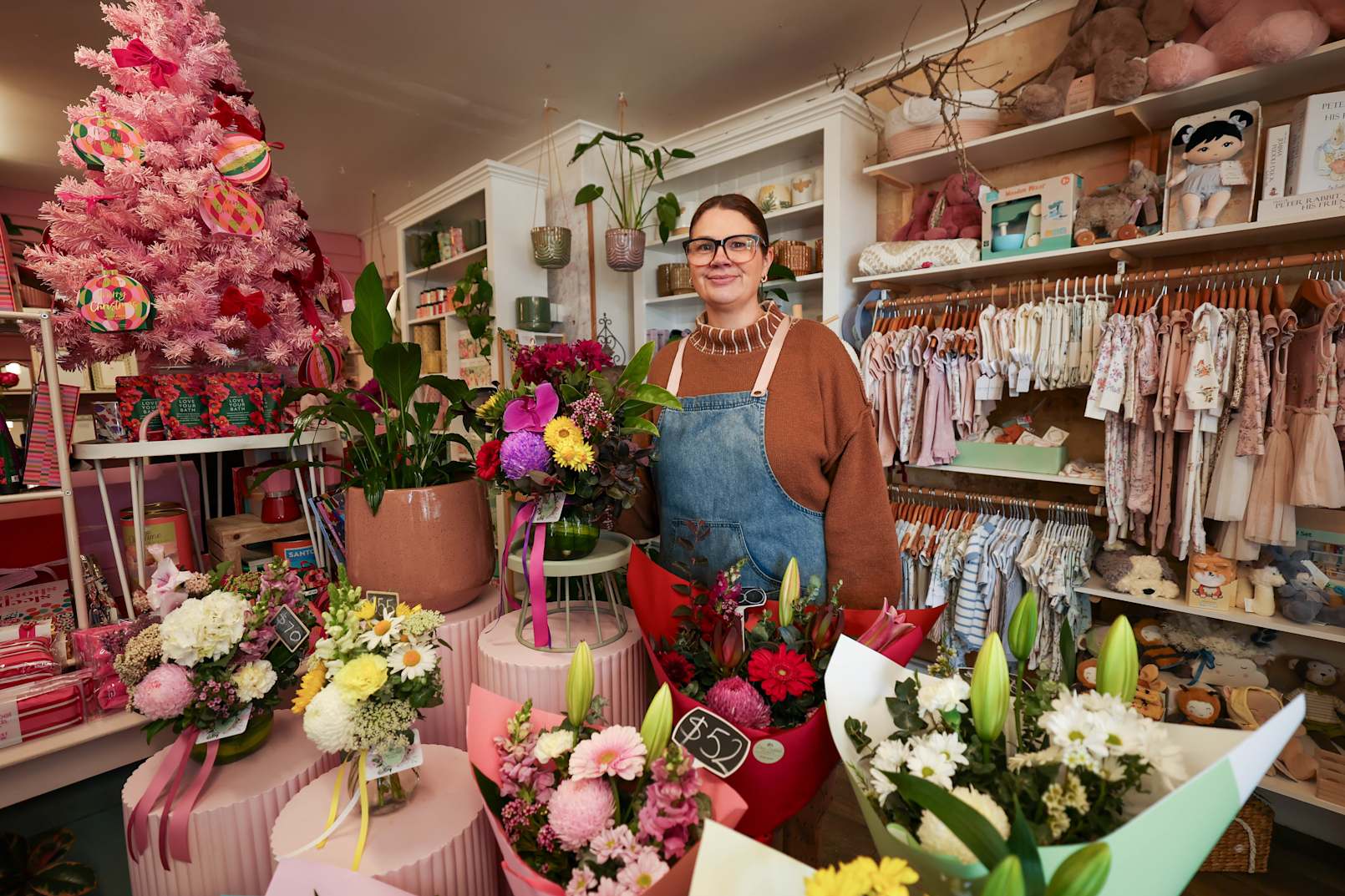
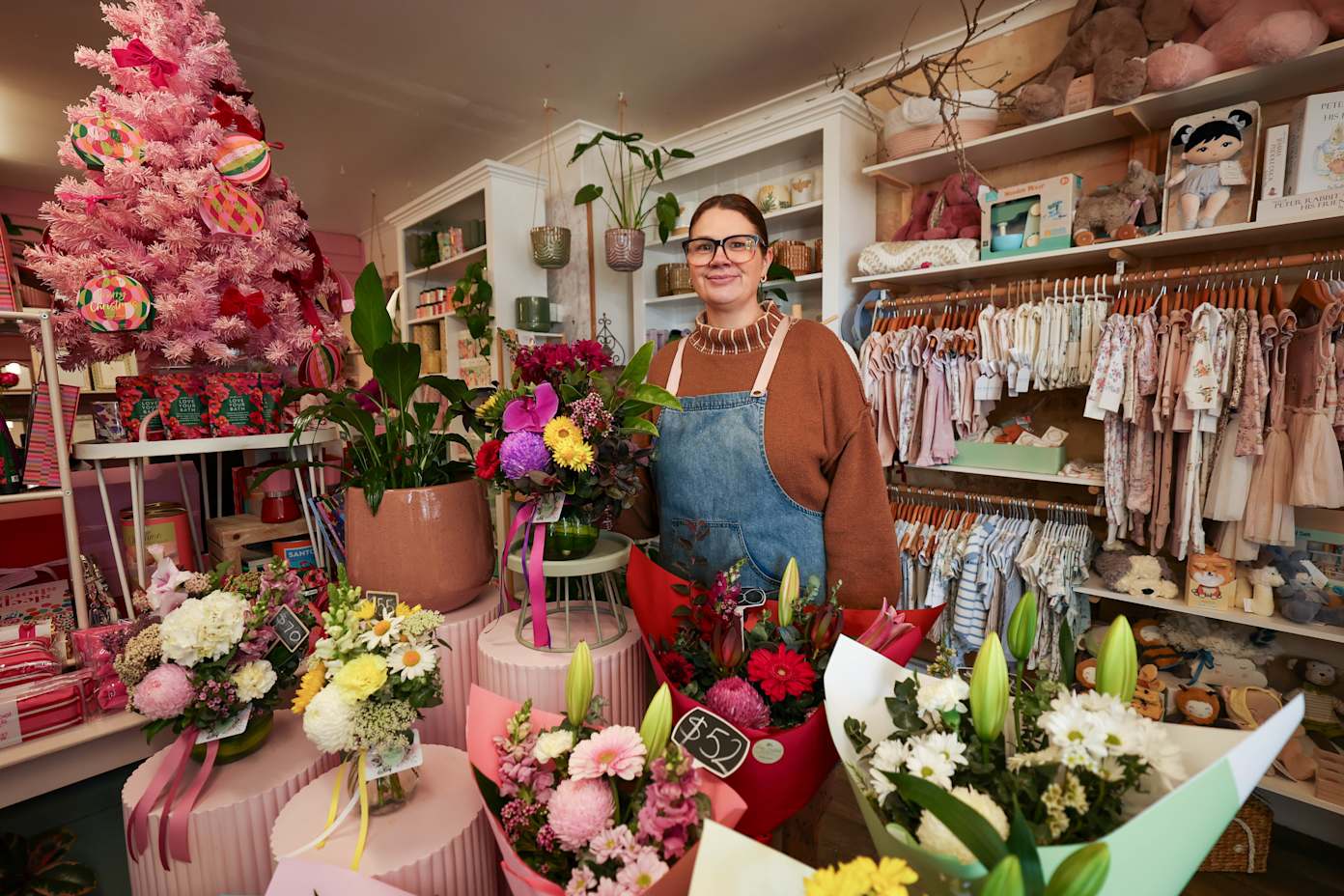
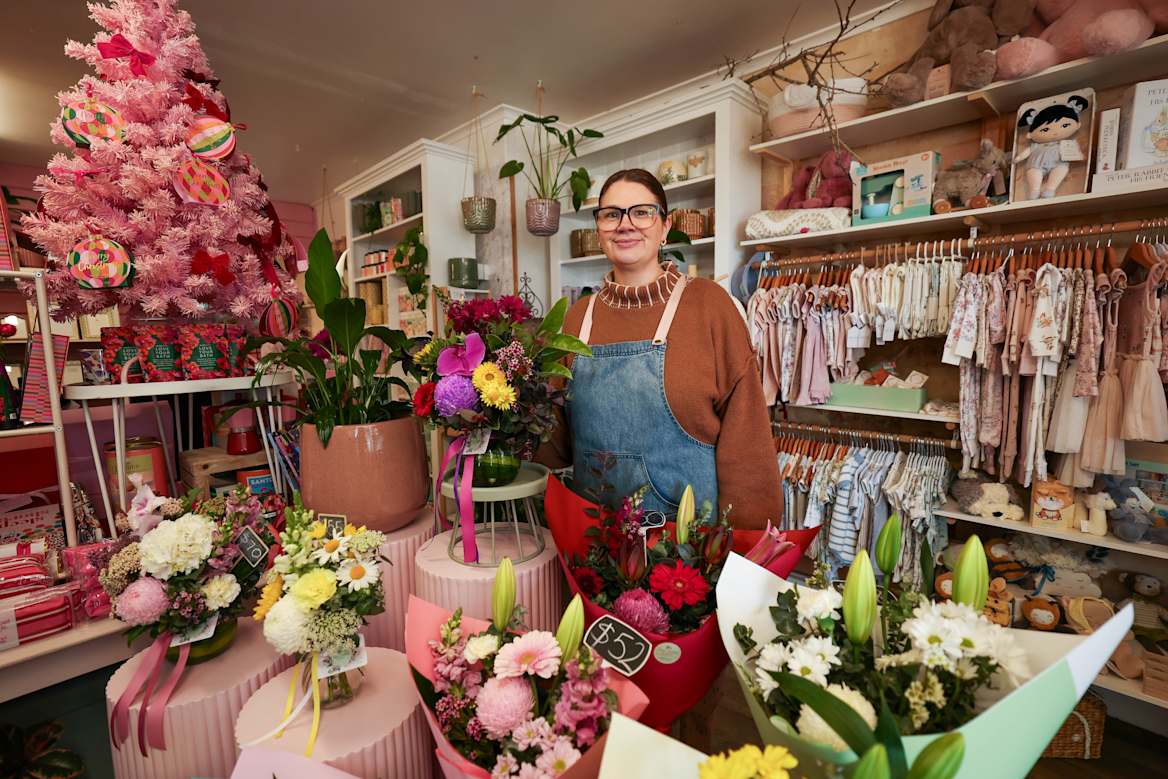
Down the road, Donna Hicks, 46, owner of Dear Delilah florist, already has her pink and green Palm Springs-themed Christmas display in the window.
A swinging voter, she says safety issues around Morwell are her biggest concern. “There is a homeless issue here. I have a lady who regularly sleeps in my alcove here. That I know by name.”
Outside her shop, a lanyard-wearing public servant who declines to give her name says she refuses to shop at the local Coles because she doesn’t feel safe. Locals peppered her office with golf balls, breaking windows. Someone stole the licence plates off her car.
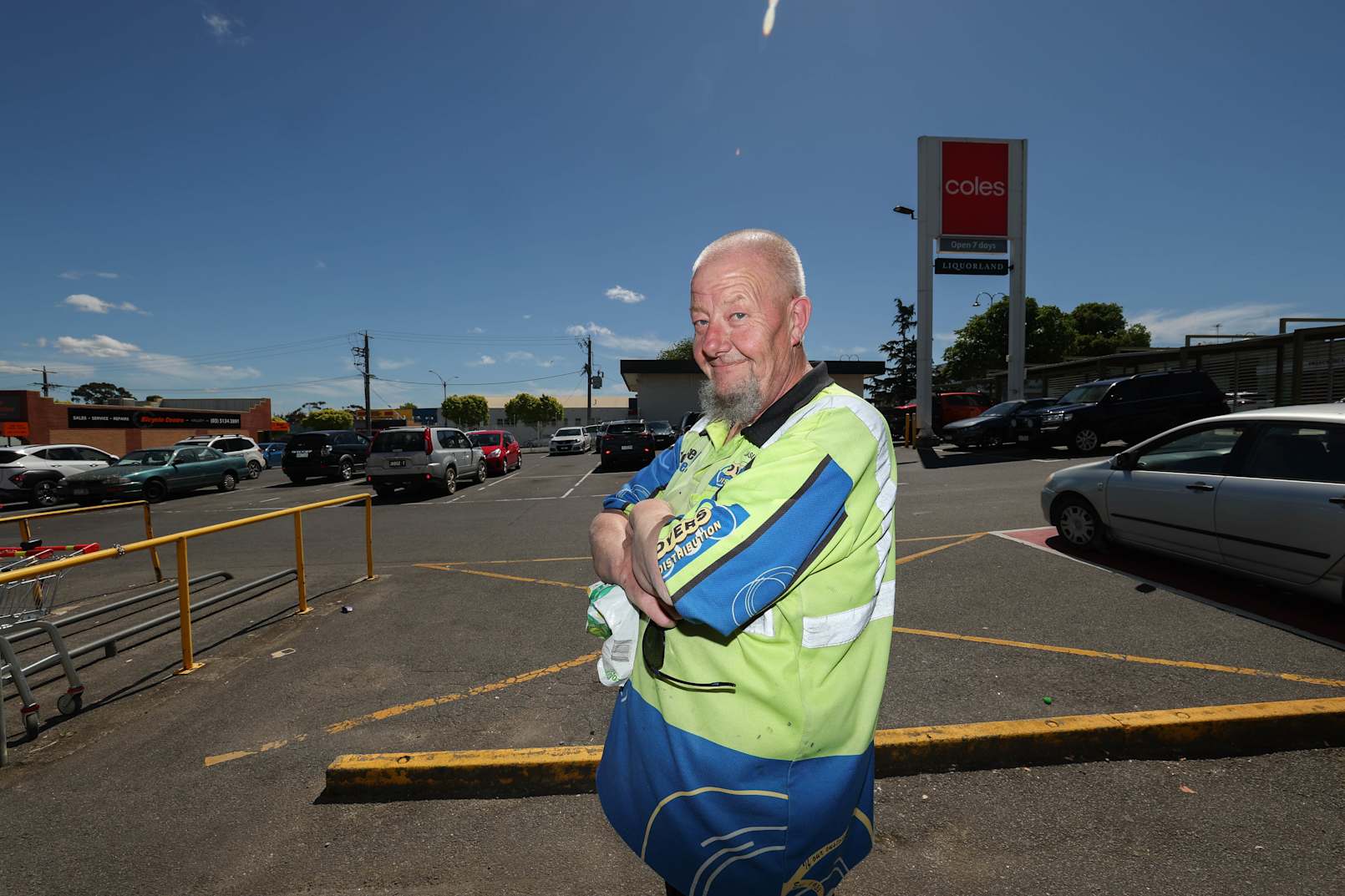
Outside the Coles, truckie Jason Quigg stops briefly to say: “I just think Labor’s lost the plot. People are sick of crime.”
He has not been personally affected but is voting One Nation. “Quietly, I have been a supporter for 10 years. I used to be Labor. No longer.”
Amid the rolling green dairy hills of the Latrobe Valley, the giant blocks of Loy Yang power station sit squat on the horizon. Its brown coal pulverised fuel boilers wreath the complex in water vapour – both a monument to the century of brown coal that transformed the valley, and also its epitaph. Loy Yang A is due to shut in 2035.
Brown coal brought the power stations that revolutionised this dairy and timber country, which led one-time premier Henry Bolte to liken Latrobe to Germany’s famous industrial Ruhr region. Historians pointed to the absolute centrality of the State Electricity Commission to the lives of workers in towns and cities throughout the valley from cradle to grave. But that was then.
Down the road from Morwell is the larger city of Traralgon.
Standing in her Traralgon front garden next to the carport in leopard-print blouse before a dinner out to celebrate a birthday, Rose Simpson, 62, a One Nation member and resident of 44 years, lays out what the region has lost.
“It has all changed. I would move tomorrow if I could,” she says.
“Everything is closing down. There is no work any more. Power stations and the mills closing. The timber industry – a lot of people lost their jobs there. What is the point of being here? There is no work.
“We want our energy back. We want our coal-fired power back. We want our timber industry back.”
In the centre of town, stands the Traralgon Post Office and Court House complex, opened in 1887. Metres away is a bust of Sir Frank Macfarlane Burnet, the Nobel Prize-winning immunologist who was born here in 1899.
Opposite Burnet is the Traralgon Centre Plaza, which opened in 1985. Public servant Bec Elms, 49, won’t let her daughter, Makayla, 18, shop there on her own.
“It is just the crime there. You will have a group of teenagers come in with knives, picking fights. They will try and steal someone’s shoes. Stealing cars is another thing.”
Previously, Elms, who works at Centrelink and moved 15 years ago from Greensborough, has tended to vote Labor. This time around it’s the Nationals or possibly One Nation.
“Maybe, just to help with crime and everything else that is going on in the world right now … Immigration, that sort of stuff. Get it back to what it used to be years ago. ”
For some supporters, a single One Nation corflute is not enough. Thus party members Denis and Jacqui Fahy have two corflutes in the pleasant home in suburban Traralgon they share with Oscar, their 72-kilogram Irish wolfhound.
Denis Fahy, 62, a construction worker, was a lifelong unionist and Labor supporter until the unions supported COVID-19 vaccinations and favoured the Big Build over regional projects . Then-Labor premier Daniel Andrews lost him: “I realised he was a socialist.
“This is an Irish Republican, a Labor voter – who has had enough of Labor.”
He nominates an important election issue: “The lack of work for young people, and … the lack of motivation for young people to actually go and get a job. They’re being overlooked for new immigrants. It stands out everywhere, mate, even in this place.”
I tell him Age readers would say Australia has been built on immigrants, including him.
“Of course it has,” he says in his quiet but uncompromising Irish accent. But he complains Labor is not focused on skilled immigrants needed but on unskilled immigrants lacking basic skills who will vote for the party.
It is another take on what Age columnist Shaun Carney calls the federal government’s “addiction to immigration as the chief driver of economic growth”.
Jacqui, 69, an optical dispenser, adds: “Labor and Liberal have got to go. They just run this place into massive debt, and One Nation is all about getting Australia up and running, as it used to be, for the good of the country.”
Driving through the streets of Traralgon and Morwell throws up distinct differences. Many homes in Traralgon are triple-fronted brick veneer houses built after World War II by the SEC and Maryvale paper mill.
In Morwell, the houses are smaller. Many are timber workers’ cottages moved on trucks when the SEC turned the nearby town of Yallourn into a coal mine in the 1970s.
We pass homes in Morwell encased in cyclone wire fencing, which Katlain Sellings, a bear of a man who is raising three young children with his ex-partner, a New Zealander of Samoan heritage, says is to try to keep out squatters.
Sellings runs K&R Cleaning Services, and real estate agents regularly hire him to clean up after squatters have been evicted. Syringes are commonplace, he says.
Rose Simpson links crime on the streets directly to the housing crisis.
“It was never like this 10 years ago. Never. That is probably why there are more people on the streets than ever before because there is nowhere for them to live. It is terrible.”
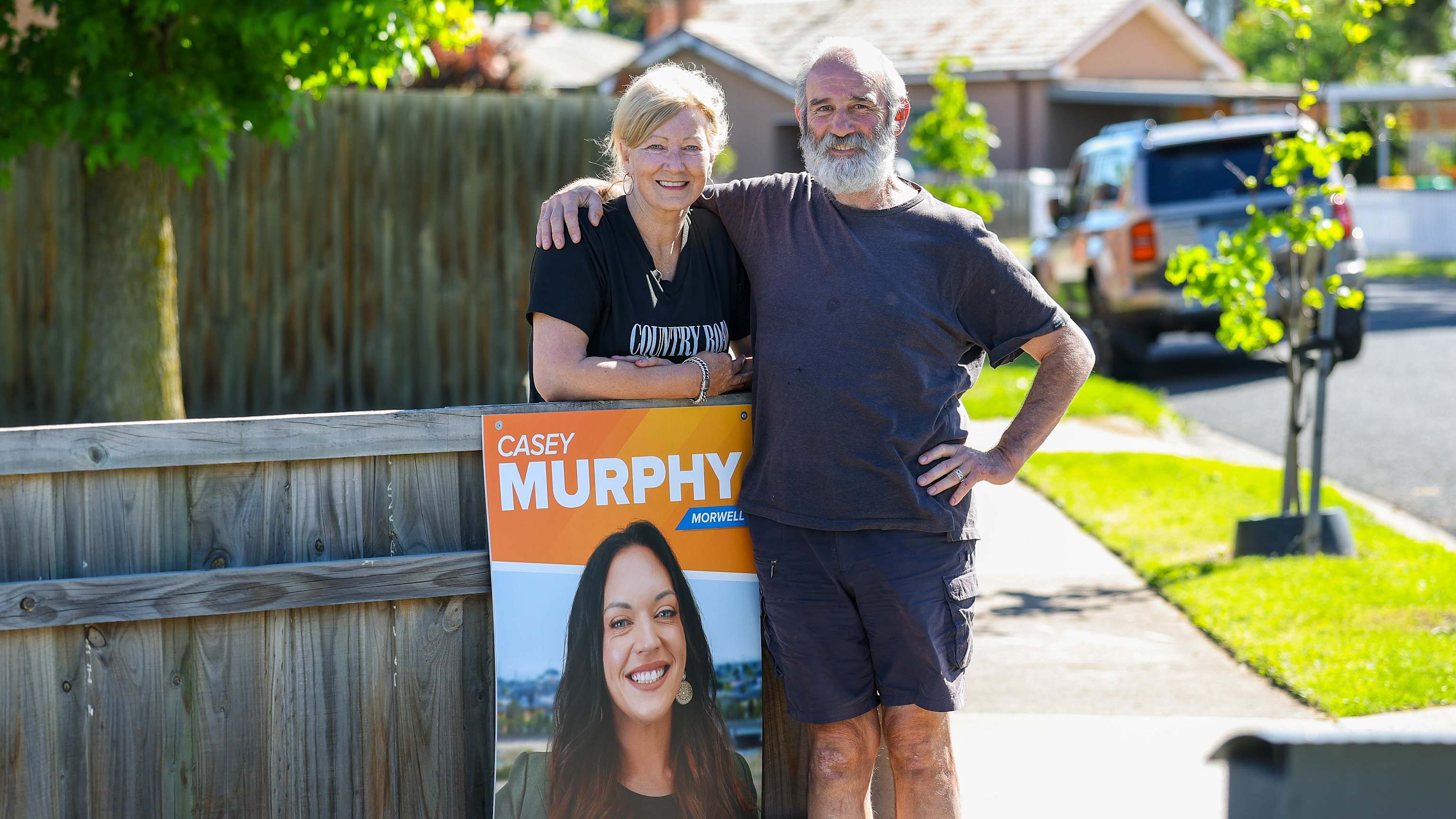
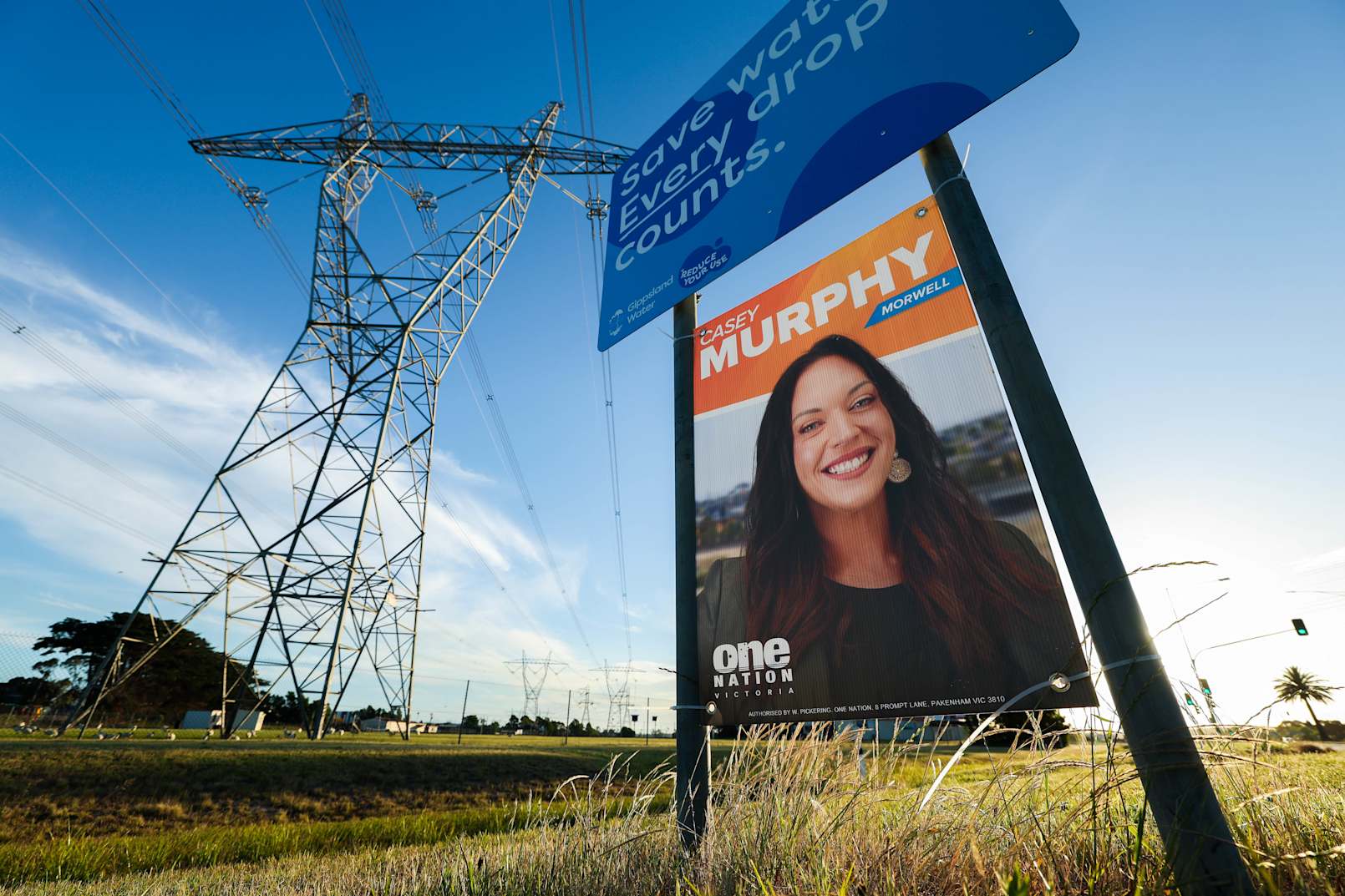
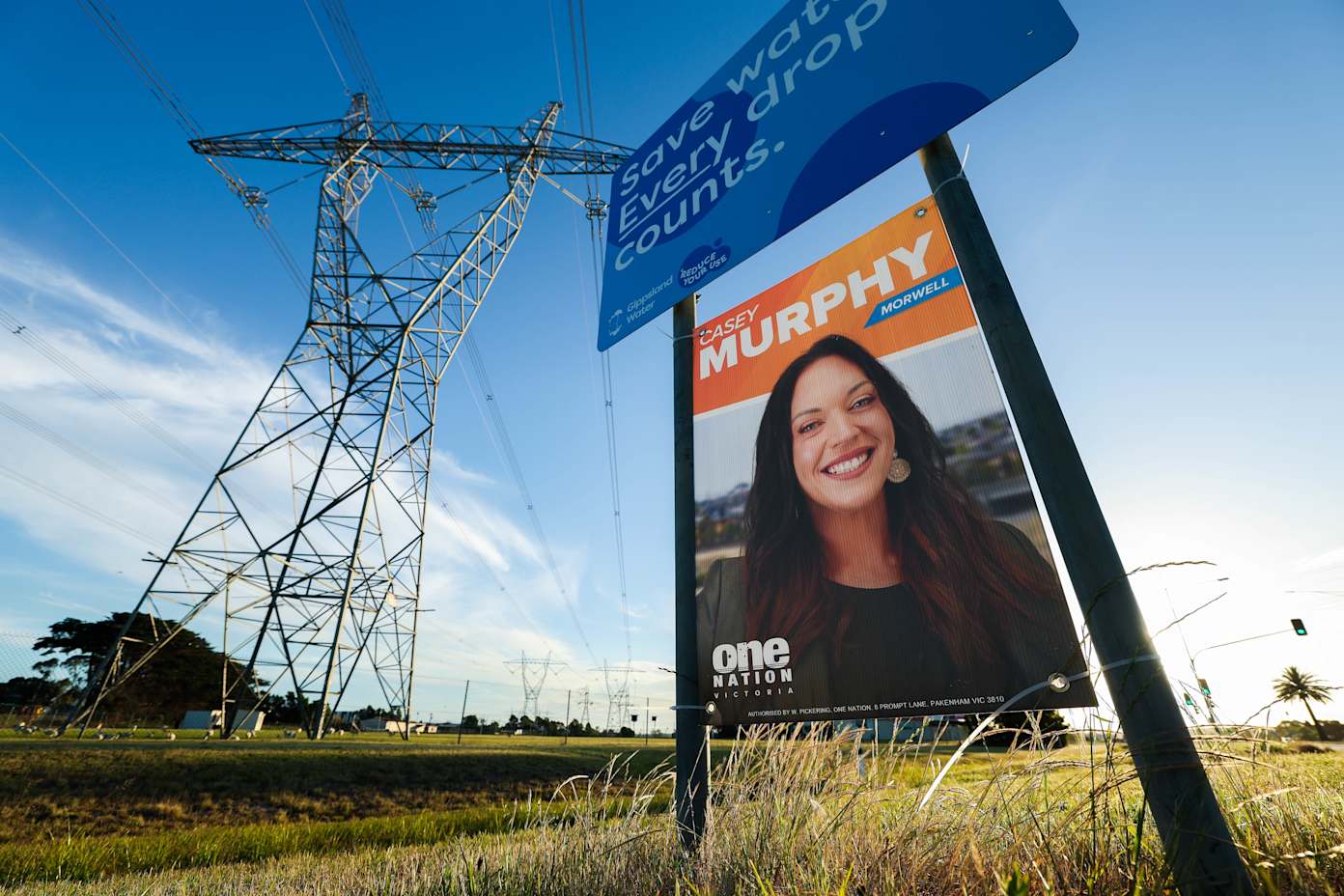
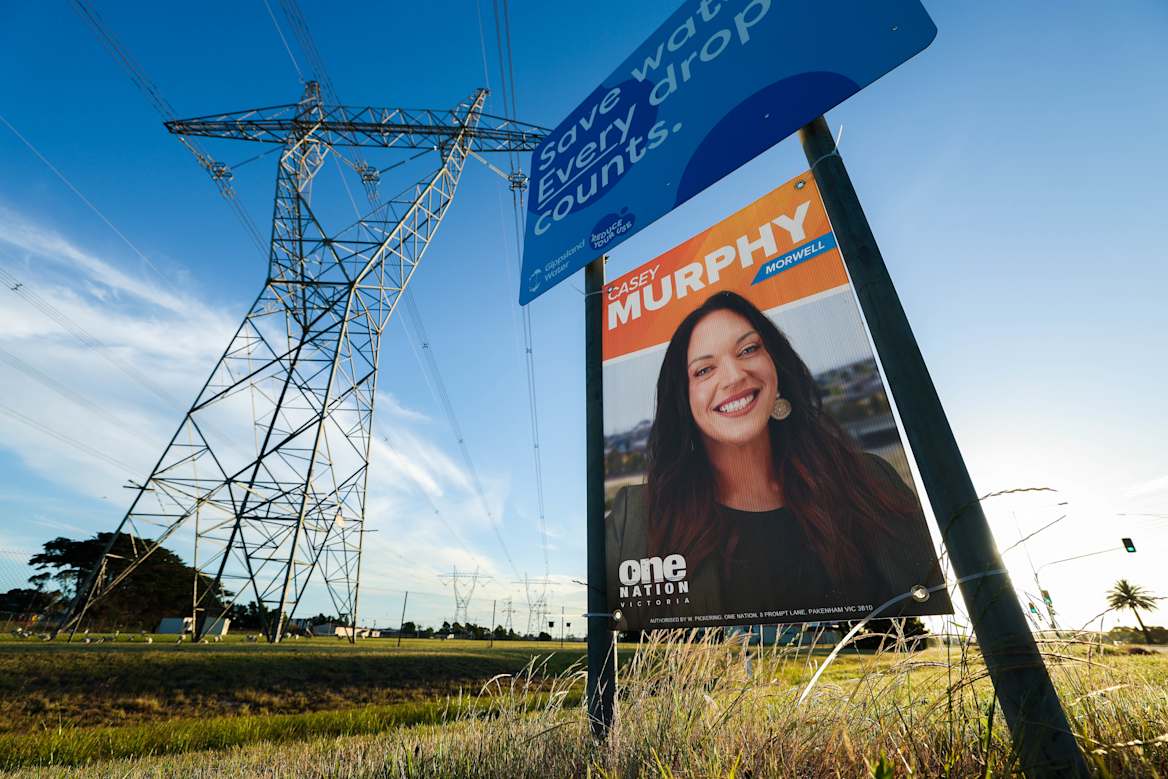
The local candidate, Casey Murphy, is Sellings’ stepsister, and he sometimes accompanies her around the streets due to her safety concerns as an unofficial bodyguard.
“I’m voting One Nation,” he says. “I was mesmerised by Warren Pickering. He did a speech the other night at Casey’s launch. Honestly, he commanded the room.
“We’re handing over close to 40 per cent in taxes. Yet, when I go and ride my motorbike on the weekend, I’m dodging potholes everywhere, risking my life.”
Sellings, 37, says that when he was “working in Preston, a lot of my views were called far-right extremist by people who would come in from Thornbury and Northcote. Sometimes I did have to suppress what I’d say to sell a car.”
Now he is raising his three children in the country. Does he feel that he is a far-right extremist?
“No, no, no. I just want the best for my kids. I want the best for my community. I want the best for everyone. And I want the best for what they call the left.”
He supports the NDIS , but thinks some people are using it as a crutch when they could be getting out into the world.
“It all sucks,” he says. “The world sucks. We just need to get out at some point. And I’m trying to put those values into my kids.”