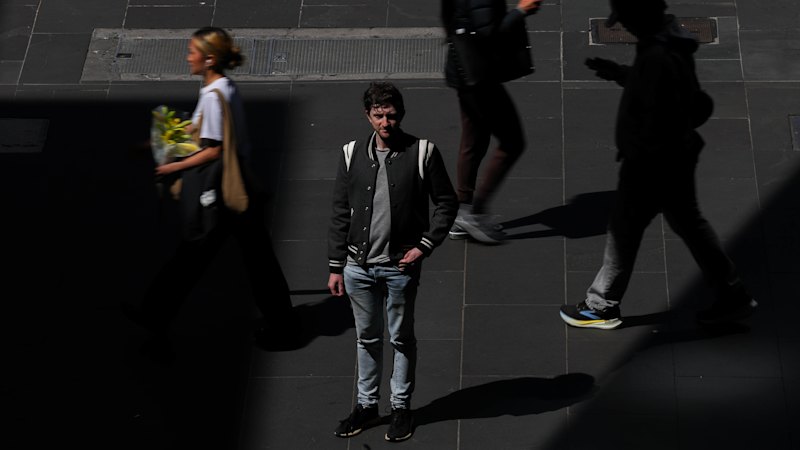
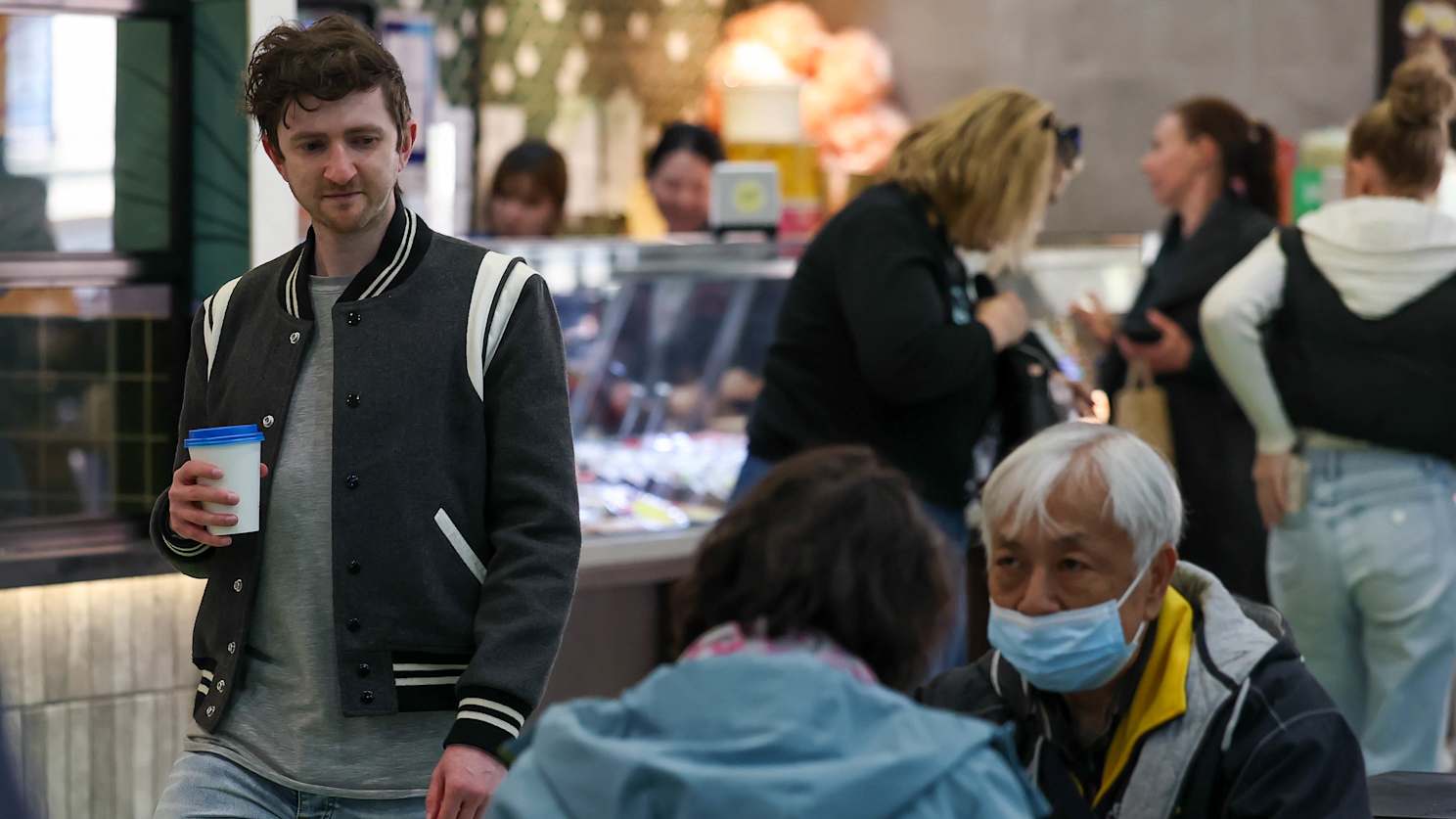
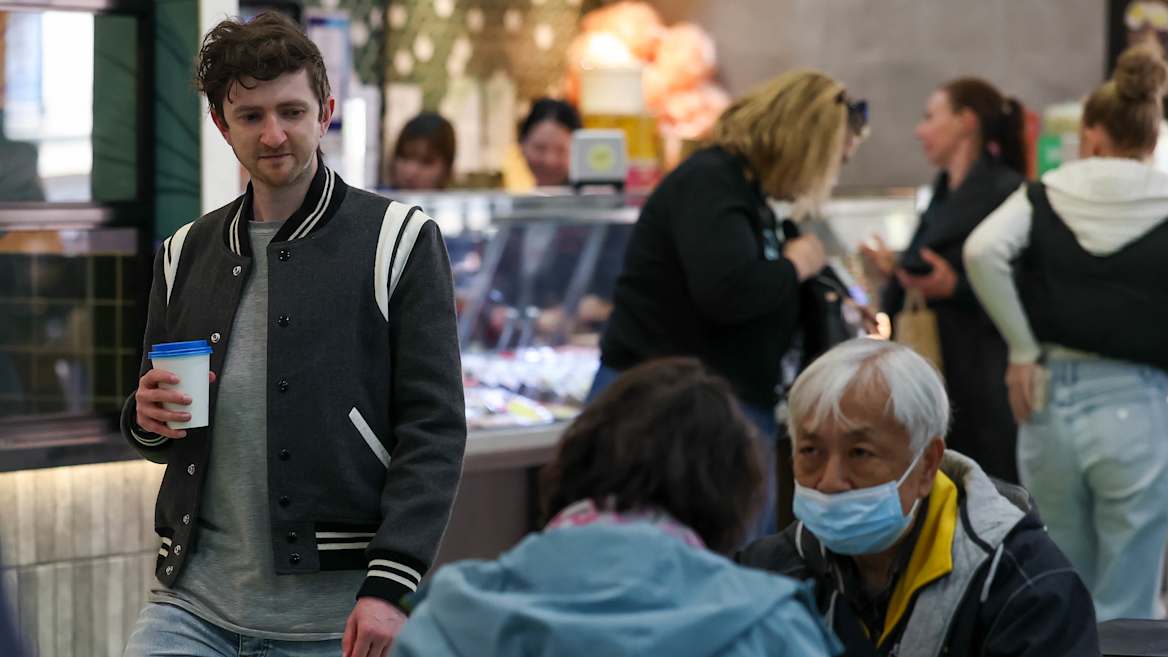
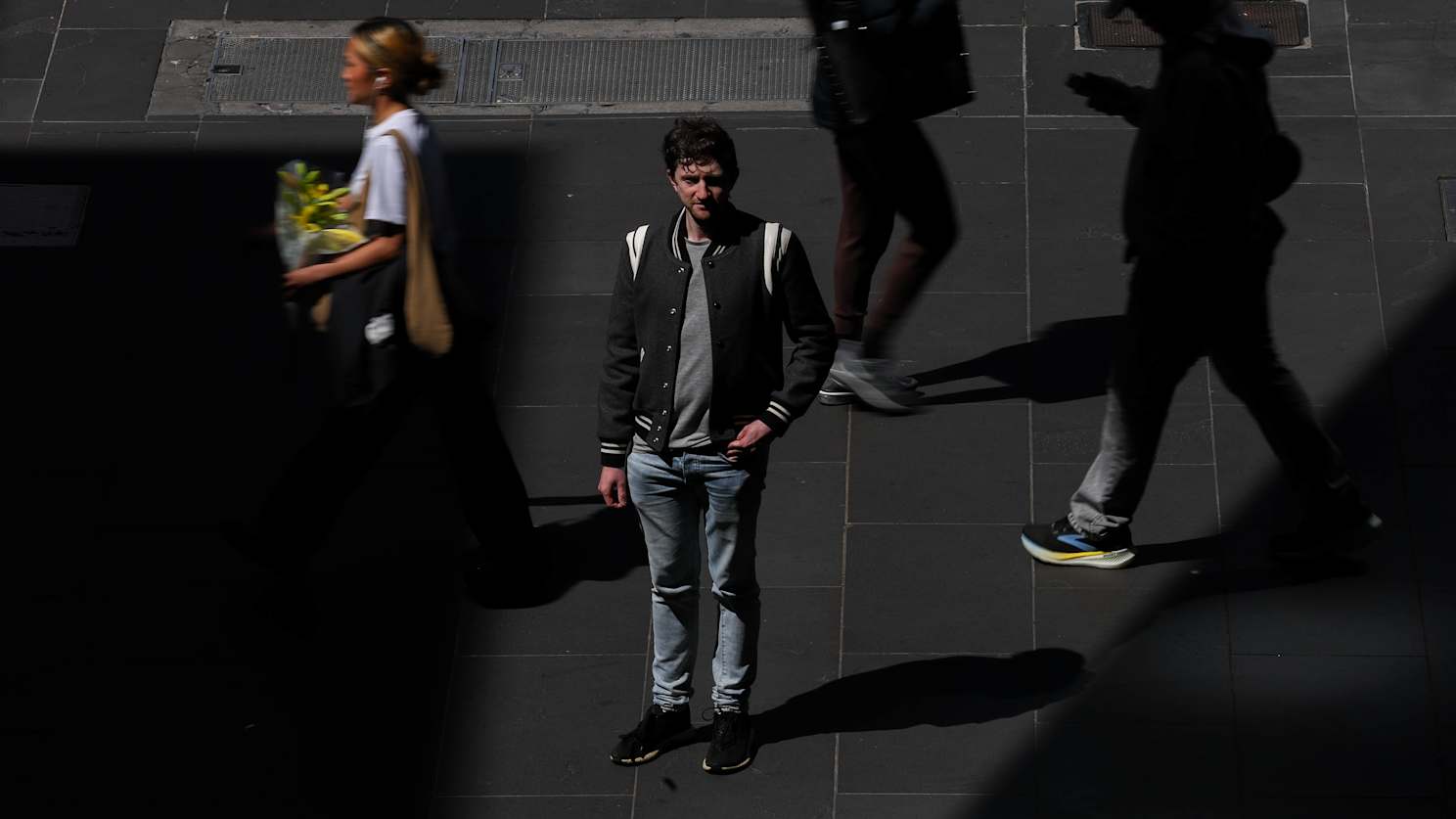
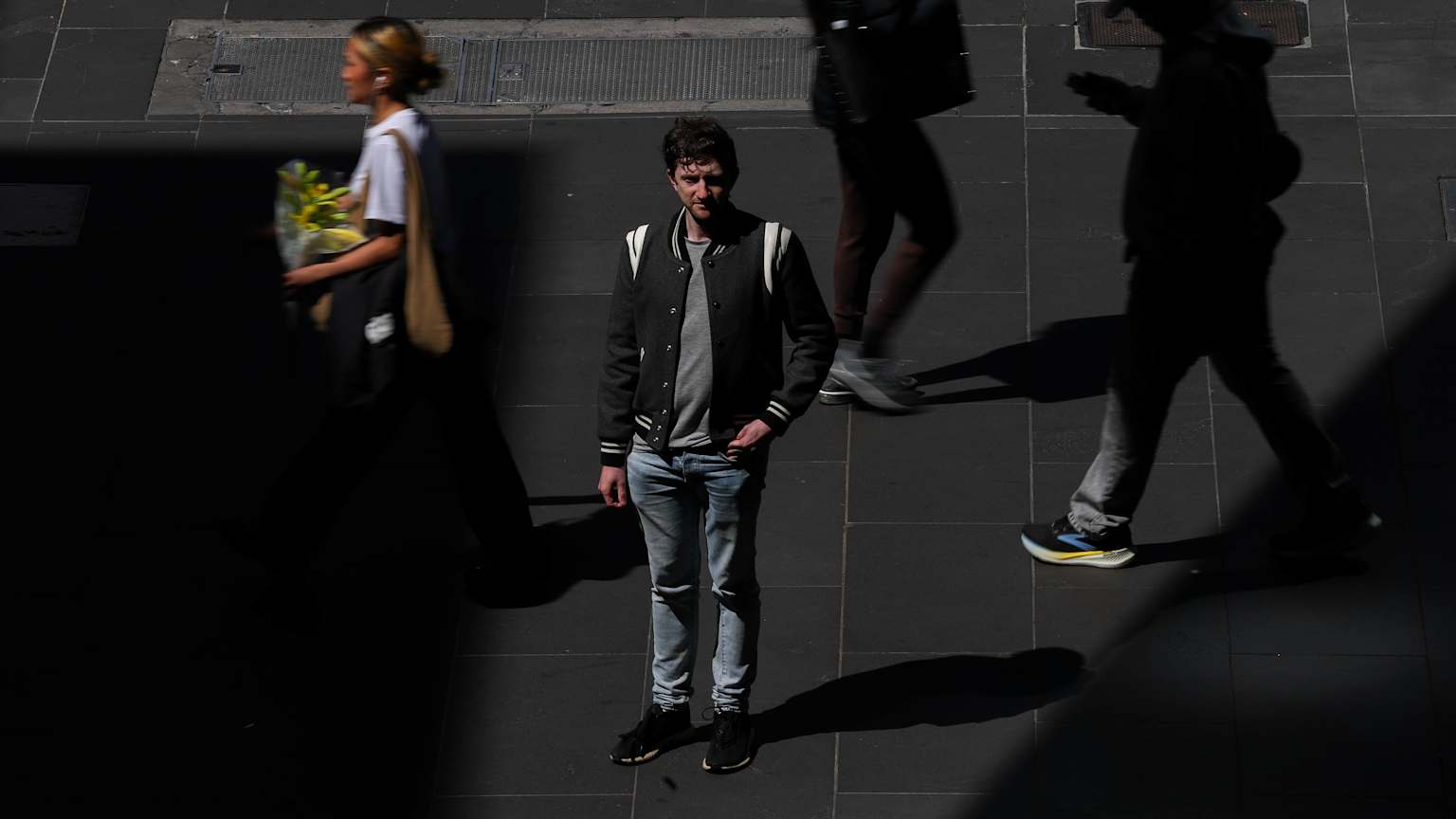
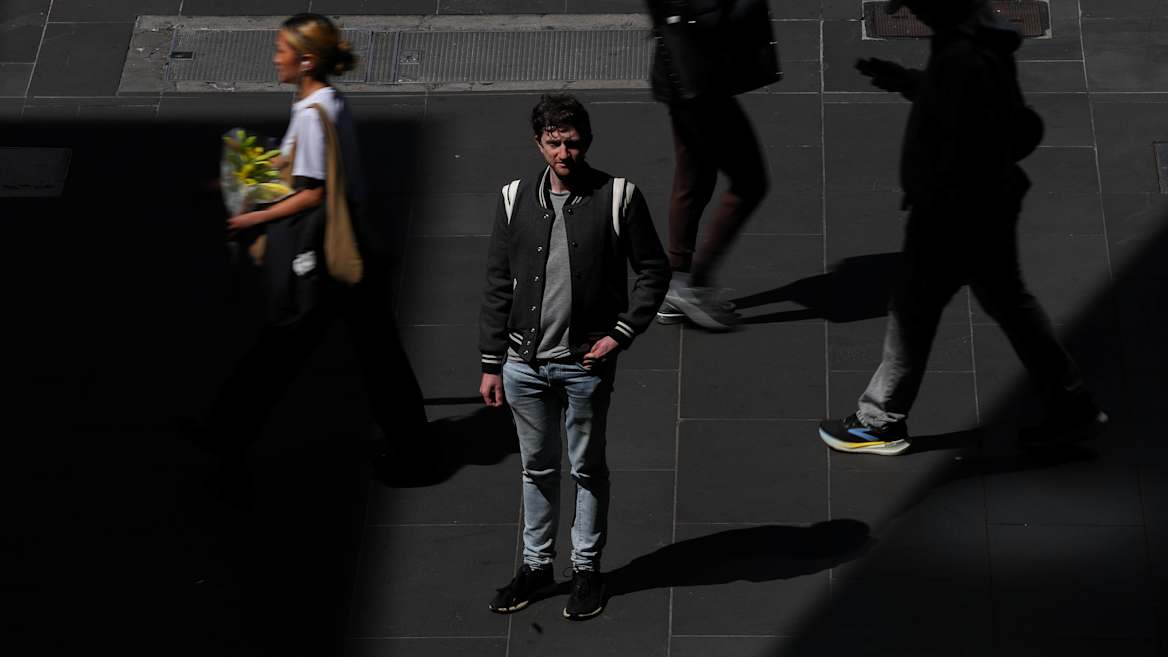
It’s the tail end of the flu season, and hundreds of shoppers are milling around a food court, searching for a bite to eat.
Until recently, sitting among this lunchtime crowd could have killed Matthew Rozek.
“It’s a big adjustment,” says the 29-year-old, who recently became one of the first people in the world to receive an experimental gene therapy that he hopes will cure him of severe combined immunodeficiency (SCID) or “bubble boy disease”.
Born without a functional immune system, Rozek spent the first few years of his life largely inside a Melbourne hospital.
Everyday germs posed a constant threat. When chickenpox circulated through his primary school, he stayed home for weeks.
Parties, shopping malls, flights, public transport and art galleries were off limits, especially during winter, when he retreated to the safety of his home “like a hermit”.
The slightest sign of a scratchy throat triggered a wave of anxiety. Would he end up in hospital yet again, requiring intravenous antibiotics for an infection most people shake off within a few days?
“Once I was in the teenage years, that’s when you notice that everyone else is normal and I’m not,” he says, sipping a hot chocolate in the food court of the Spencer Outlet Centre in Melbourne’s CBD.
“There’s a lot of physical suffering, but mental suffering as well.”
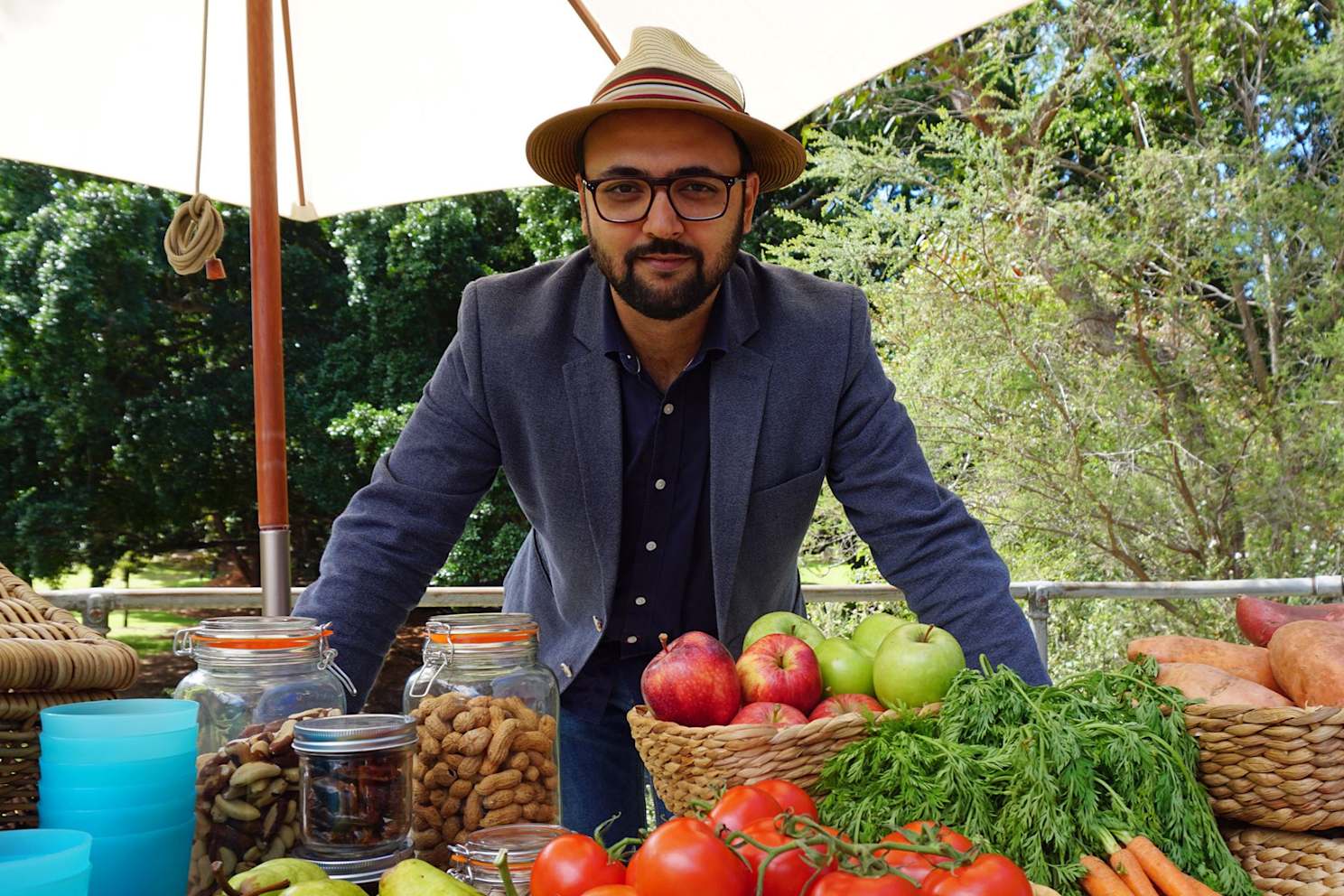
His life began to change a year ago in a Melbourne laboratory at the Walter and Eliza Hall Institute, where a research team led by Professor Shalin Naik, with Dr Miles Horton, corrected Rozek’s genetic mutation using a “blood in a dish” system.
“We can very quickly take someone like Matthew’s blood, simulate his disease in a dish, and test these brand-new therapies that are coming out to see which one works,” Naik says.
“Each person needs their own personalised gene therapy.”
Every Australian child is now tested for SCID at birth through the newborn heel prick, and about six new cases are diagnosed a year.
The devastating, life-shortening condition is widely known as “bubble boy disease” because of David Vetter, a Texan boy who was born with SCID in 1971 and spent almost the entirety of his 12 years inside a sterile plastic chamber.
Vetter’s confronting situation attracted intense media attention around the world and inspired the movies The Boy in the Plastic Bubble , which starred John Travolta, and Bubble Boy , starring Jake Gyllenhaal. It also spawned comedic references in Seinfeld and The Simpsons .
The standard long-term treatment for SCID is a bone marrow transplant from a matched donor, which can carry serious risks including graft failure and death.
Rozek had a transplant as a toddler, but it gradually failed over time, leaving him with minimal immunity.
By adulthood, his health had deteriorated to the point where doctors warned he faced up to a 50 per cent chance of dying if he underwent a second bone marrow transplant. Rozek wasn’t prepared to take this risk.
In desperate search of another option, one of Rozek’s team of clinicians at the Royal Melbourne Hospital, Dr Samantha Chan, reached out to Dr Suk See DeRavin, an Australian researcher overseeing gene therapy trials at the US National Institutes of Health in Maryland.
For three years, the two doctors corresponded by email, shipping samples of Rozek’s blood to the US on dry ice to test his eligibility for an upcoming trial.
Rozek flew to Maryland last August to receive the experimental treatment at the National Institutes of Health.
After three weeks of medical tests and a full genetic panel, he underwent a two-day process called apheresis in which his stem cells were harvested through a line in his neck. Over the next month, scientists genetically edited those cells in a laboratory.
He received chemotherapy to make room in his bone marrow for a 30-millilitre infusion of his repaired cells. This allowed his body to build the functioning immune system he was born without.
“It’s just crazy that I still am alive,” Rozek says. “I just don’t know how the body can function without the immune system.”
Chan says Rozek would have died without access to the trial.
“There’s no doubt it’s been a huge success,” she says. “It offers hope at a normal life. Being able to offer them a solution that doesn’t carry the mortality rate of something like a stem cell transplant can be life-changing.”
Rare immune diseases can be devastating for families.
“Fear of infection is really debilitating,” says Chan. “They want to be able to go to school, but then they’re afraid of bringing the virus home. It’s a really life-altering disease.”
Walter and Eliza Hall Institute researchers are now working to bring similar treatments to Australia.
Backed by a $5 million Medical Research Future Fund grant, Naik’s team is developing a way to package gene-editing machinery into microscopic mRNA droplets, similar to those used in COVID-19 vaccines.
This would allow doctors to repair a patient’s stem cells with a simple injection in the arm, avoiding the need for bone marrow transplants.
“It will encode the machinery that the patient needs to correct their mutation,” says Naik, who estimates his team is two to three years away from clinical trials.
Rozek is already experiencing the benefits of his gene-editing treatment.
For the first time in his life, he’s properly absorbing nutrients, which means he has gained a much-needed 10 kilograms.
Chronic gut infections had previously prevented his body from absorbing crucial vitamins and minerals from food.
Blood tests show his immune system is improving, allowing him to come off medications. The full benefits may not be seen for another few years.
While the treatment has turned Rozek’s life around, it won’t reverse decades of damage inflicted on his body as a result of not having an immune system.
A childhood infection has left him with about 70 per cent lung capacity, and he has ongoing issues with his bones as a result of being malnourished for so long.
“It won’t fully cure everything,” he says of the treatment. “But it was the easiest decision I’ve ever had to make.”
It’s also allowed him to step back into normal life, and do many things that other people take for granted.
Rozek, who runs agritech start-up Agtuary from his bedroom, recently attended a 300-person conference in Sydney.
“I don’t want to jump into the deep end,” he says. “I’m taking it slow.”
You have reached your maximum number of saved items.
Remove items from your saved list to add more.
You've used all of your gift articles. 3 more will become available on the 1st of every month.