


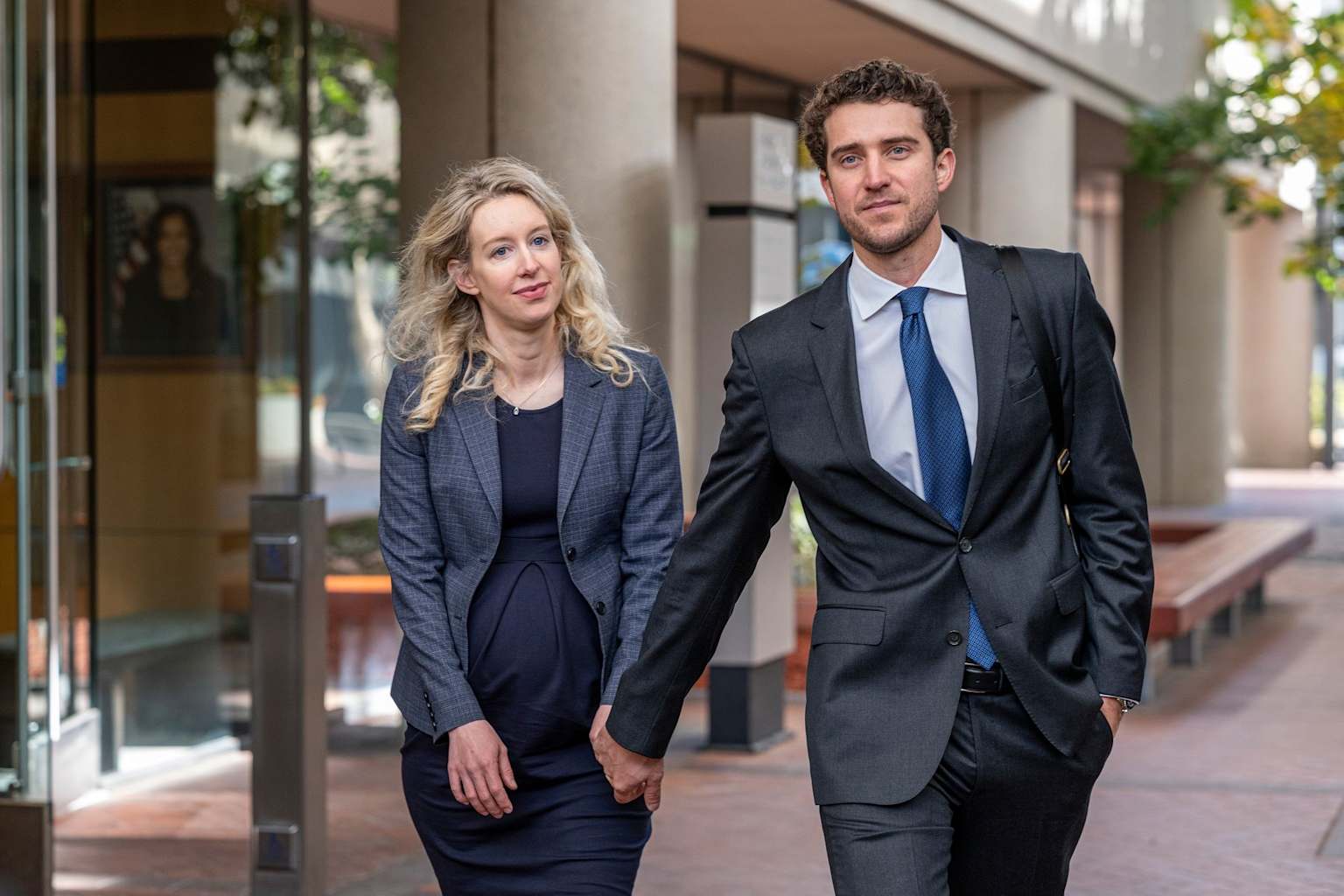
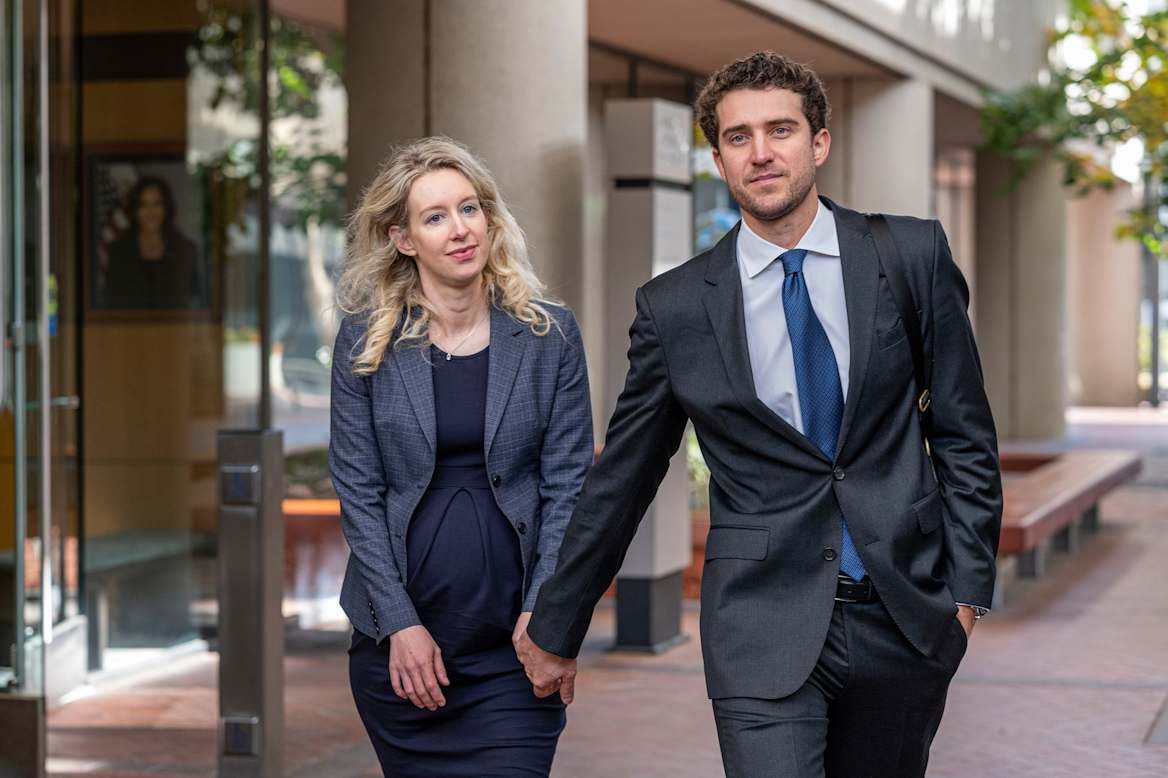



Spoiler alert: This story references major plot-points in You Can See Everything .
We all suspected Nathan Fielder and Lance Oppenheim’s Elizabeth Holmes documentary, You Can See Everything , would be a wild ride. The buzz was inescapable since its top-secret premiere at the Telluride Film Festival, where critics described it as “one head-scratching scene after another”. A near perfect Rotten Tomatoes score and talk of a best picture Oscar run further confirmed our suspicions.
But nothing could have properly prepared us for what was to come.
Shot over 34 days, the documentary captures Holmes’ last moments with her family before the disgraced Theranos founder reported to prison for an 11-year sentence – while also attempting to get to the bottom of one key question: “Is she telling the truth?” The answer, it turns out, is far from black and white. After watching the documentary, it’s clear the term “head-scratcher” is an understatement. So, here are eight of the film’s most shocking moments, ranked from wild to “what the hell just happened?”.
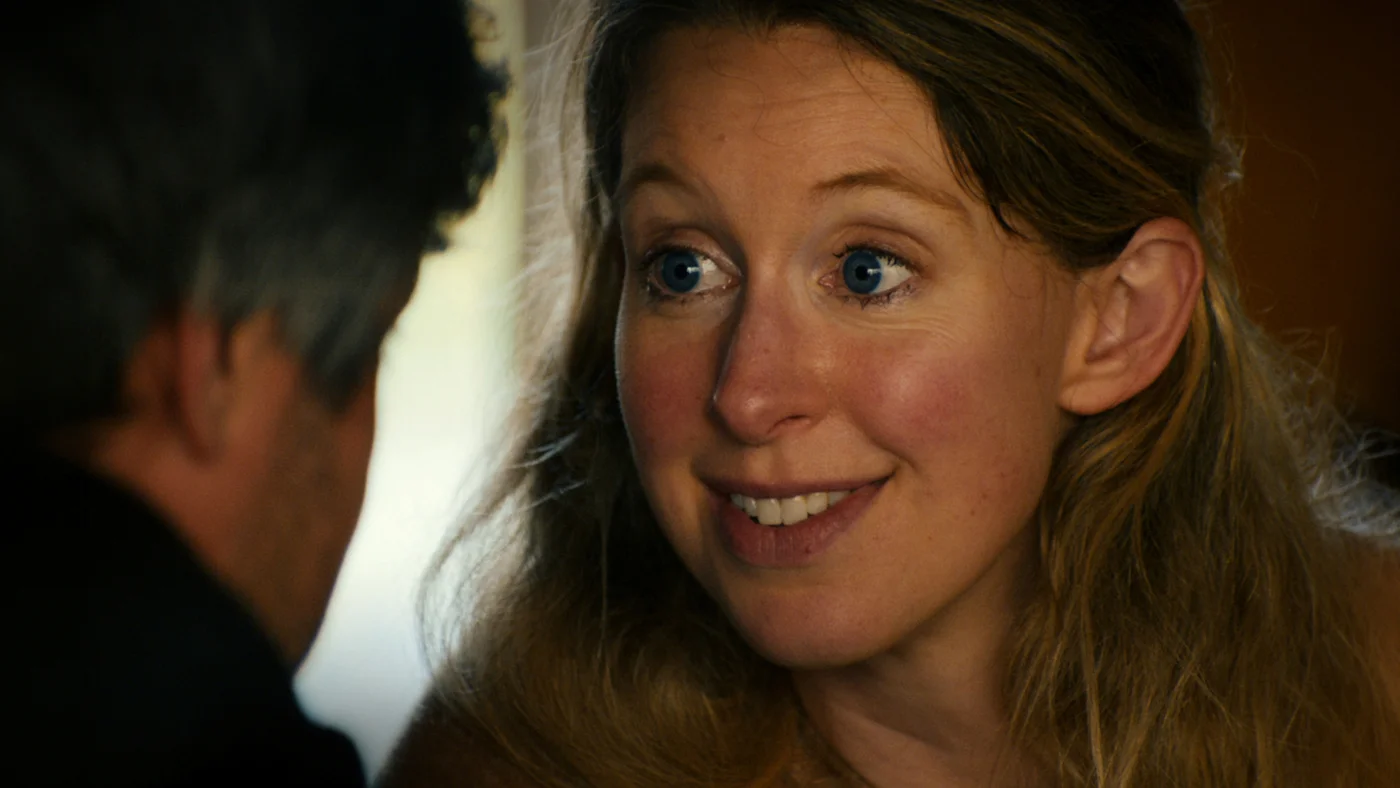
While sitting on the deck of Holmes’ rented San Diego home (which she shared with her partner Billy Evans and their two children before going to jail), Fielder asks Holmes if she has ever lied. She insists she hasn’t, not even an innocent white lie. It’s a perplexing moment that forces you to consider whether Holmes, a convicted fraudster, is lying about lying, or if her understanding of truth and deceit differ from others. Despite the absurdity of the claim, she still comes across as somewhat sincere, her wide-eyed look of innocence never breaking from Fielder’s piercing gaze. Even if she has lied before, it appears she genuinely believes she hasn’t. A manipulative liar or an unaware liar – it’s difficult to say which is more terrifying.
Soon after claiming she’s never lied, Holmes sends Fielder a text from the beach. She’s only a few paces away, yet she decides to message him, typing “FYI you can totally see everything”. Beyond inspiring the documentary’s title, the message seems random and reeks of a desperation to prove there’s nothing to hide … Or is she genuinely promising total transparency? It’s one of several moments in which Holmes and Fielder share a quasi-intimate moment, further complicating the documentary’s objectivity.
During a brief moment with Holmes’ parents, who are visiting before she begins her prison sentence, Holmes’ father tells Fielder he believes things changed for Holmes when she was raped during her college years. The conversation is brief, frank and entirely unexpected, leaving viewers desperate for elaboration. But it’s never addressed again, and Evans shuts the conversation down entirely shortly after.
After a filmed gym session, Evans is captured in the shower – naked and in full view. It’s surprising, confronting and has you second-guessing Evans’ motivations.
According to a Vulture interview with Oppenheim, Evans had undressed and stepped into the shower while the cameras were still rolling. However, an anonymous source told People that Evans reportedly felt his trust was violated over that scene, and that he had allegedly only agreed to it if they “kept it PG”. Once again, we’re left wondering if we’ve witnessed a simple misunderstanding or a carefully manipulated conflict.
Evans is an all-round peculiar bloke. Beside the fact that he encouraged total strangers to enter his family’s home during presumably one of the most harrowing periods of their lives, he also admits to being constantly armed (for safety), tells an A-list star that he’s “great at sex”, and cannot for the life of him allow Holmes to beat eggs her way.
The latter arose when Holmes is speaking to Fielder while casually whisking eggs in a bowl. Midway through her sentence, Evans abruptly takes the bowl and proceeds to whisk them himself. Fielder addresses the awkward moment, and Holmes explains that Evans simply believes he can do it better. This idea of control returns later when Evans reveals he’s Holmes’ power of attorney and controls her X account while she’s imprisoned.
Whether the documentary is intentionally framing him this way or not, Evans comes across as ego-driven and incredibly controlling. His love for Holmes appears genuine (verging into obsessive), but his yearning for exposure seems equally strong. It’s here that sympathy for Holmes begins to grow: Could she once again be caught under a domineering man’s spell (similar to the alleged situation with her ex-partner and Theranos president Ramesh “Sunny” Balwani ), pressured into saying and doing what ultimately suits him?
One of the most bizarre moments comes early in the documentary during a scene in the couple’s living room. Fielder shows Holmes and Evans the 1930s Abbott and Costello’s “who’s on first” comedy skit in an attempt to demonstrate Holmes’ occasionally misleading use of language.
Earlier in the documentary, she’d failed to understand the issue around saying her blood-testing device “can” work when it could only theoretically work. Fielder believed the skit, which plays on the word “who” as both a name and pronoun, would clarify his earlier confusion.
However, when asked if she understands why the skit is funny, Holmes said she does but then fails to explain why, and can’t point out the connection between the routine and their earlier conversation. She becomes so confused, overwhelmed – whatever her feelings are – that her eyes well with tears. Does she actually not understand the correlation (in which case, we’d pity her) or is it all part of a grand facade of innocence?
Given Amanda Seyfried is known for playing Holmes in the 2022 series The Dropout – a role she won an Emmy for – she certainly elicits gasps after suddenly appearing in the documentary’s “second act”.
Holmes is in prison, so Fielder and Oppenheim invite Seyfried to watch some of their footage and act as a talking head of sorts. However, Seyfried unexpectedly ends up imitating Holmes, resuming her earlier award-winning role in a bizarre fiction/non-fiction hybrid. The filmmakers decide to go with it, reenacting earlier off-camera moments between Holmes and Fielder. Better yet, Wolf Man star Christopher Abbott plays Evans alongside her.
The reenactments, based entirely on Fielder’s memory of events, capture the fallibility of documentary-making and challenge the notion of truth. Is truth universally understood, and can documentaries ever be entirely objective? Seyfried herself adds an interesting perspective, as someone wrangling with the possibility that the person she embodied for months may (or may not) have been misunderstood.
Usually, documentary subjects do not receive payments as this would impact a production’s credibility. This doesn’t stop Evans from trying though. He asks A24 executives, Fielder and Oppenheim if he and Holmes could be paid for taking part. What makes this scene more intriguing is that it’s recreated using Seyfried as Holmes and Abbott as Evans, throwing into question whether Evans really was that upfront, and what kind of negotiations actually ensued (the documentary claims A24 agreed to pay them, but Evans rescinded his request post-filming).
More intriguingly, Seyfried’s Holmes leaves the room to check on her baby before Evans makes the request. Once again, Holmes’ complicity is questioned. On one hand, she could have no idea about Evans’ desire for payment, meaning he’s yet again controlling the situation. Or (and there’s always an “or” in this documentary) Holmes is privy to the plan, and excuses herself intentionally to feign ignorance. She’s either an innocent bystander, frequently pulled into the orbit of domineering men, or she’s a manipulative liar. Come the end of the documentary, it’s still unclear.
You Can See Everything is in cinemas now.
You have reached your maximum number of saved items.
Remove items from your saved list to add more.
You've used all of your gift articles. 3 more will become available on the 1st of every month.