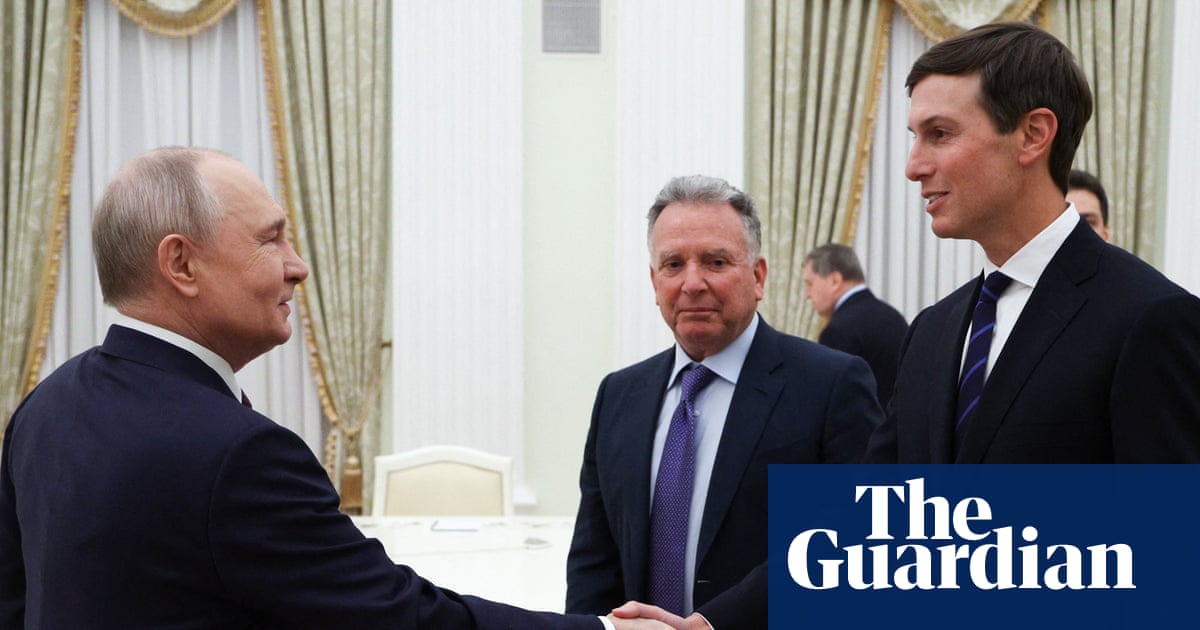
At the airport in a freezing Moscow, the billionaire property developer and one of President Donald Trump’s top envoys, Steve Witkoff, fielded a brief question from a CNN team that had been ushered onto the tarmac.
Yes, there had been “progress” at the talks that day with Russian President Vladimir Putin, Witkoff answered.
“This is what President Trump wants to see,” he added, hinting at how keen the US leader remains on scoring a diplomatic win in the brutal five-year conflict he once bragged he would end in a day.
That progress is European involvement.
For nearly two years, Europe has been effectively sidelined in talks with Russia to bring about peace in Ukraine. But now, after Witkoff and Trump’s son-in-law Jared Kushner met President Putin in Moscow on Thursday, the Russians appear to have agreed to give Europe a seat at the negotiating table, something previously resisted by Moscow.
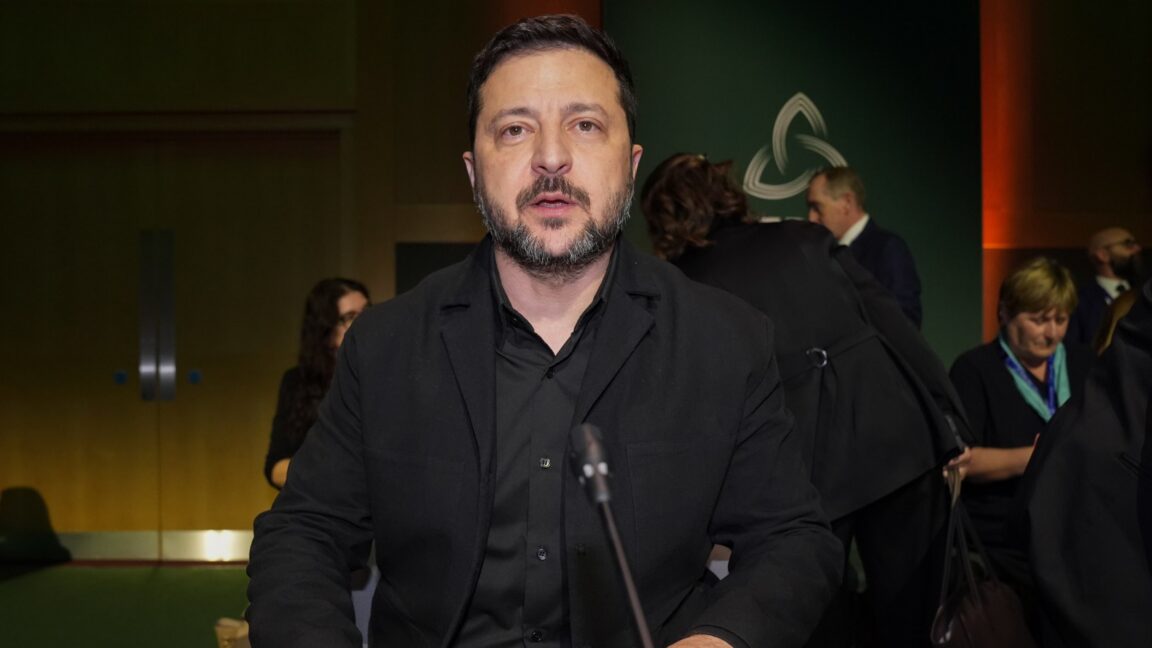
The move was welcomed by the Ukrainian President, Volodymyr Zelensky, who has become increasingly dependent on European military, diplomatic and financial support to keep his country afloat and Russian forces at bay.
“It is important that Europeans, next time, next meeting, Europe will be on the negotiating team, not somewhere, not separately. They will have a voice,” Zelensky told reporters in Ireland, after being briefed by Kushner and Witkoff at a meeting of European leaders.
“This is important to us because the war is in Europe. We will be a member of the EU in the future and that is why it is very important. For prosperity and for security guarantees, it is very important to have Europe,” Zelensky added.
The Europeans, while deeply skeptical about Russia’s commitment to finding a diplomatic solution to end the Ukraine war, see the inclusion of a European element in future peace talks as a positive step, as well as a long-overdue acknowledgement that Washington can’t do it alone.
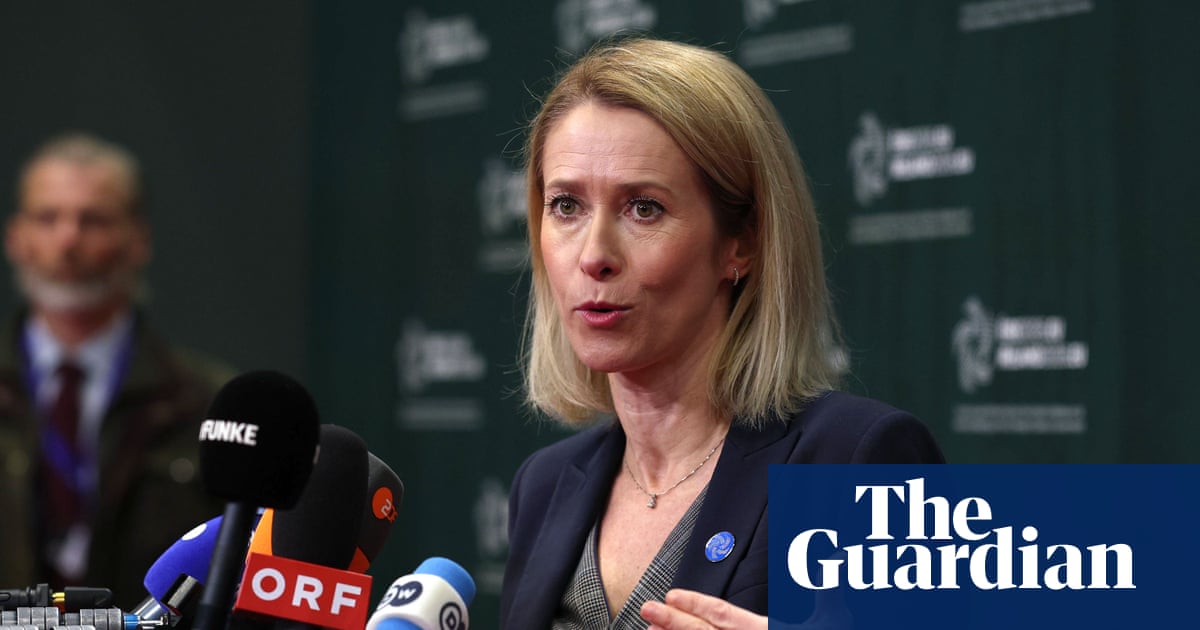
“I think that after almost two years of talks between the US and Russia, they have now realized that Europe is a big player here,” Kaja Kallas, the EU’s top diplomat, commented in Dublin.
“We are the ones who have been supporting Ukraine, and we are the ones who have put sanctions in place, and we have the frozen (Russian) assets. So, clearly, without us, any agreement that is there cannot be implemented,” she added.
Who exactly will represent Europe is, for the time being, unclear and the subject of fierce internal debate.
Kushner highlighted the differences on Thursday, saying that Europe being able to “identify one person to speak on their behalf […] would be a bigger achievement than getting the Russians to include them in the negotiation.”
The formal involvement of European negotiators – be it a single appointed European leader, an EU bureaucrat or a wider negotiating team – may be lauded in Kyiv and Brussels, but it won’t necessarily hasten the end of a conflict that is estimated to have killed hundreds of thousands of people on both sides so far.
In later remarks, Russia steered clear of admitting they had fully agreed to a European presence at the table. In his regular briefing on Friday, Kremlin spokesperson Dmitry Peskov said Europe must show its “willingness to contribute to the peace process” before a decision could be made on letting them join future negotiations.
European leaders routinely take a hard and moral line against Moscow, often calling for Russia to be defeated and punished for launching its full-scale invasion of Ukraine, and for the Kremlin to withdraw its troops from all Ukrainian territory.
If those mantras are merely repeated at the negotiating table and more practical compromise suggestions from European are not forthcoming, a breakthrough with the Kremlin will become even less likely, as Moscow has indicated.
“They (the Europeans) must decide whether they want peace or the continuation of the war. So far, all their practical actions point precisely to the latter,” said Yuri Ushakov in a briefing to reporters after the meetings in Moscow.
And there are early signs that Moscow, having agreed to admit European negotiators, is already doubling down on its maximalist demands to end the war, reviving its call for NATO to withdraw from eastern Europe, and digging in its heels on the issue of the potential deployment of peacekeepers to police any ceasefire along the frontlines.
“The way out that the American administration and President Trump have to offer is about coming to terms on prospective arrangements for pan-European security. And what do we hear from the Europeans? They’ve been saying no. Only after the peace deal in Ukraine is done,” President Putin told Witkoff and Kushner in a televised snapshot of the talks.
“But after that peace deal is done in Ukraine, they… they’re going to deploy their troops, which would mean a continuation of the war. So this is a vicious circle,” Putin continued.
It’s a sign the Kremlin, even if it does not welcome European involvement in negotiations, will find a way of using that new reality to try and reach its objectives in Ukraine, not least by stretching out further talks while pounding Ukrainian cities.
Another winter of bitter conflict, one last push, is probably what the Kremlin really wants.