You have reached your maximum number of saved items.
Remove items from your saved list to add more.
You've used all of your gift articles. 3 more will become available on the 1st of every month.
Like so many Australians, I am shocked, appalled and horrified by the dreadful attack on independent MP Dr Helen Haines on Monday, and my thoughts have often since been, and remain, with her, her family and friends, and her constituents in her electorate (especially those who saw what happened, and rushed to offer their assistance).
I support the calls that have been made by Governor-General Sam Mostyn AC , by Prime Minister Anthony Albanese, by opposition frontbencher Andrew Hastie, and others, for the temperature of public debate to be “turned down” and for Australians to find ways of disagreeing with each other more respectfully and civilly.
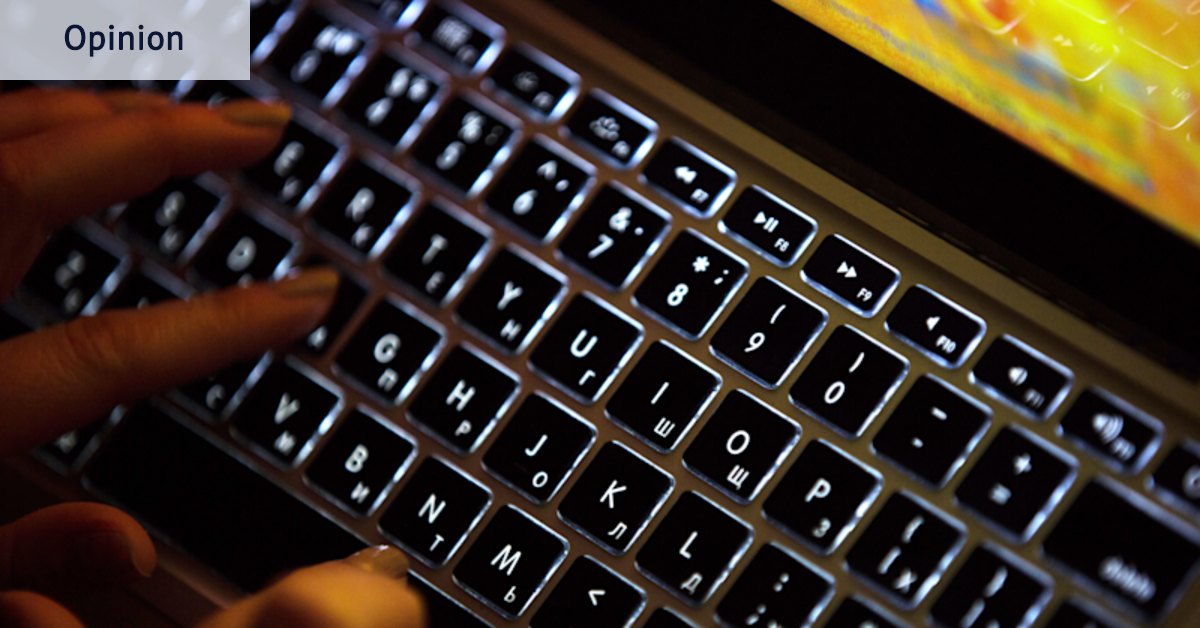
One of the things – not the only one, to be sure, but an important one – that has contributed to the coarsening of public debate and personal discourse, in Australia as in other countries, has been the vastly greater scope people nowadays have to post derogatory, vile, obscene and abusive comments and content on social media platforms and traditional media websites from behind the veil of pusillanimous anonymity. Sadly, many people feel emboldened (if that’s the right word) to write or say things anonymously, or using pseudonyms, that they would never write or say if they knew they could be identified.
Traditional newspapers stopped publishing Letters to the Editor from “concerned pensioner of Parramatta” or “Mother of three from Frankston” decades ago: those who want to express their opinions in that format have long been identified by their name and their locality.
So why do those same media organisations allow people to throw verbal rocks at others using made-up and false names on their websites? Why do social media platforms allow it? Why are they not accountable for what is said on their platforms, in the same way that publishers of newspapers and magazines, and proprietors of radio and TV stations, are potentially liable for things that appear in their pages, or are transmitted over their airwaves?
Banks and other financial institutions are required to ascertain and verify who their customers are before allowing them to open accounts. Why shouldn’t the same be expected of people “opening accounts” on social and legacy media platforms? Yes, it might cost them some money – as it costs banks and other institutions – but they can afford it. The question should be, can we as a society afford to continue to allow them not to do it?
Nor am I suggesting that requiring people who make comments on media platforms to do so using their real names will eliminate the risks of further attacks on public figures such as we have seen this week – after all, the alleged perpetrator of this appalling crime actually did put his real name to his social media posts.
But I do think that if people knew their real names and localities (though not, of course, their residential addresses) would be published alongside their comments on social media or other platforms, they would be much more likely to “self-censor”. And that would, in turn, be a significant contribution to “turning the temperature down”, as the prime minister has asked all of us to do.
Saul Eslake is former chief economist of ANZ Bank and of Bank of America Merrill Lynch in Australia, and is now principal of Corinna Economic Advisory based in Hobart.
You have reached your maximum number of saved items.
Remove items from your saved list to add more.
You've used all of your gift articles. 3 more will become available on the 1st of every month.