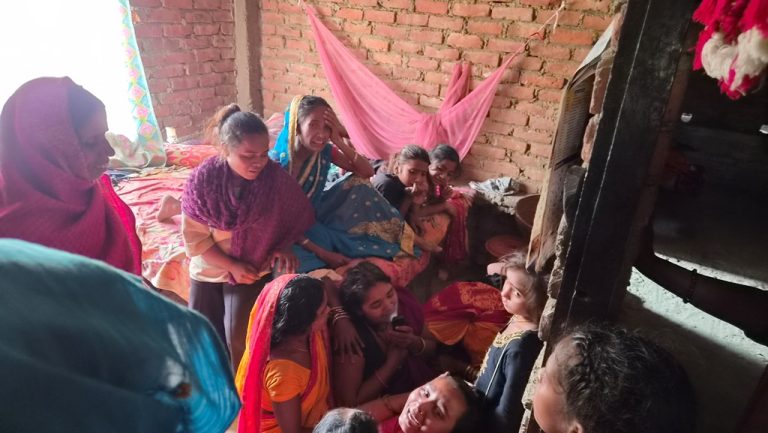
Sanjay Yadav boarded a microbus in Kathmandu at 3am on Thursday, bound for Sarlahi and Chhath, alongside neighbours and relatives from his village. Less than three hours later, the vehicle plunged 700 metres down a slope at Chisapani Gadhi in Makawanpur , killing 14 people. Yadav was thrown clear midway and survived. His account is of a village that booked one vehicle to travel home together, most passengers asleep; and a driver that police suspect may have been fatigued. The cause is for investigators to establish. The journey itself says something: for many Nepalis, Chhath begins not at the ghat of worship but on a dark, dangerous road.
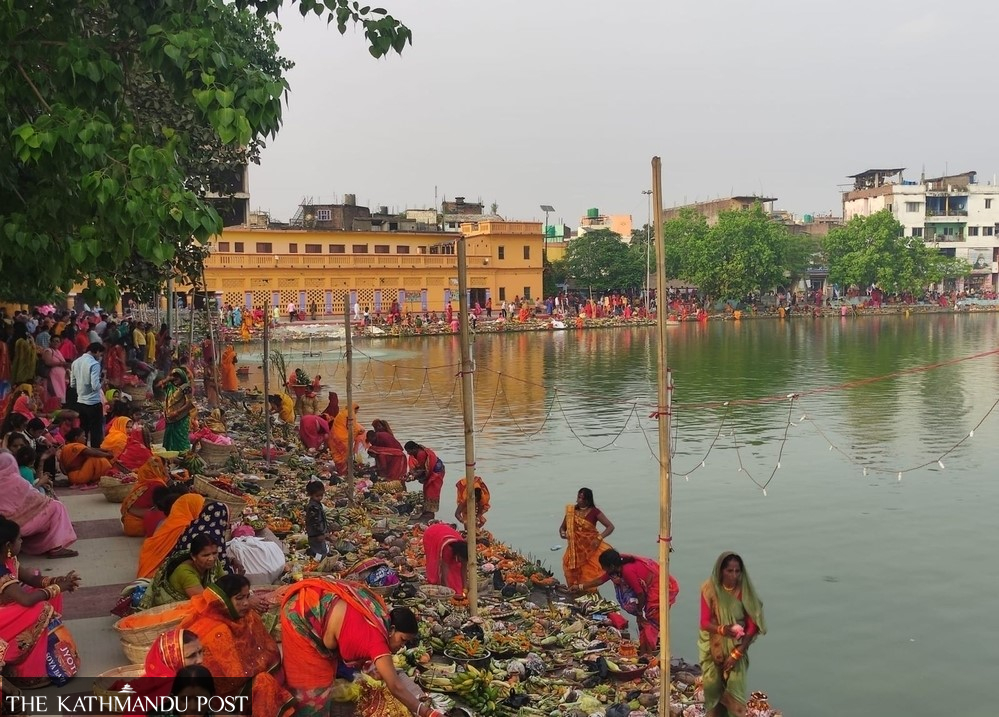
That tragedy sits uncomfortably beside how Nepal treats the festival. Chhath is no longer a regional observance: it lights up the Bagmati in Kathmandu, Pokhara’s lakeshores and ponds across the hills. The state, however, still treats it as a courtesy extended to Madhesh: one-day holiday, hurried clean-ups, ministerial photo-ops at the ghats. A festival of national importance demands national policy; at the very least, a fairer calendar, safer journeys, permanent infrastructure and genuine inclusion of those who sustain it.
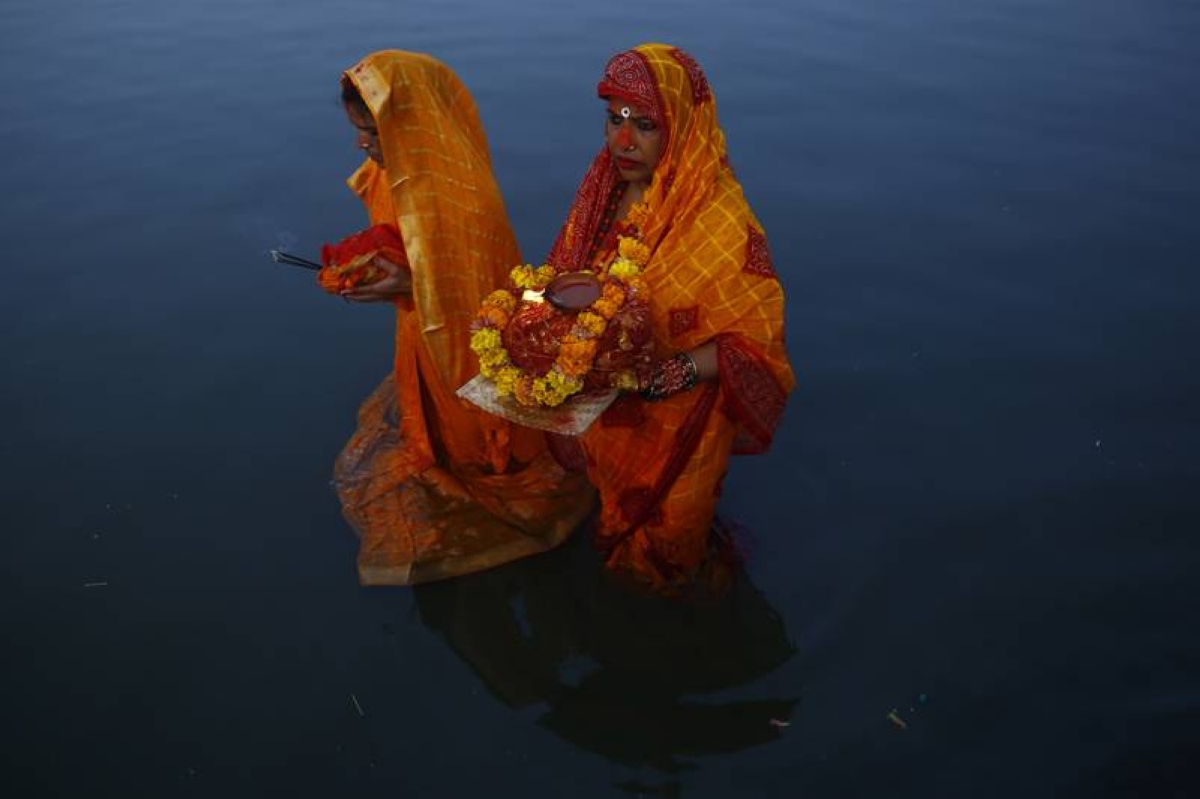
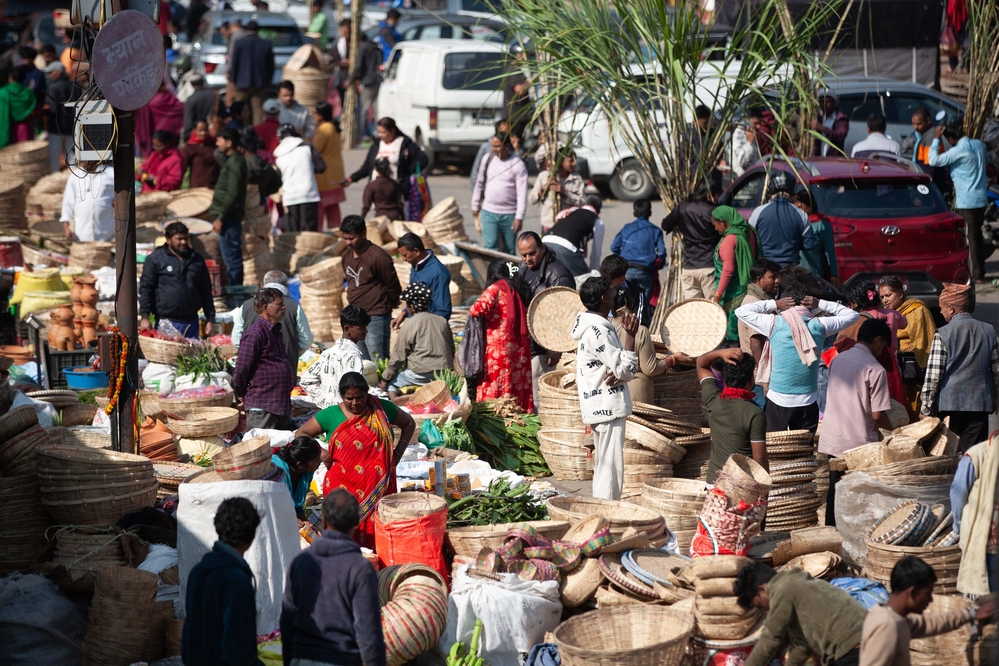
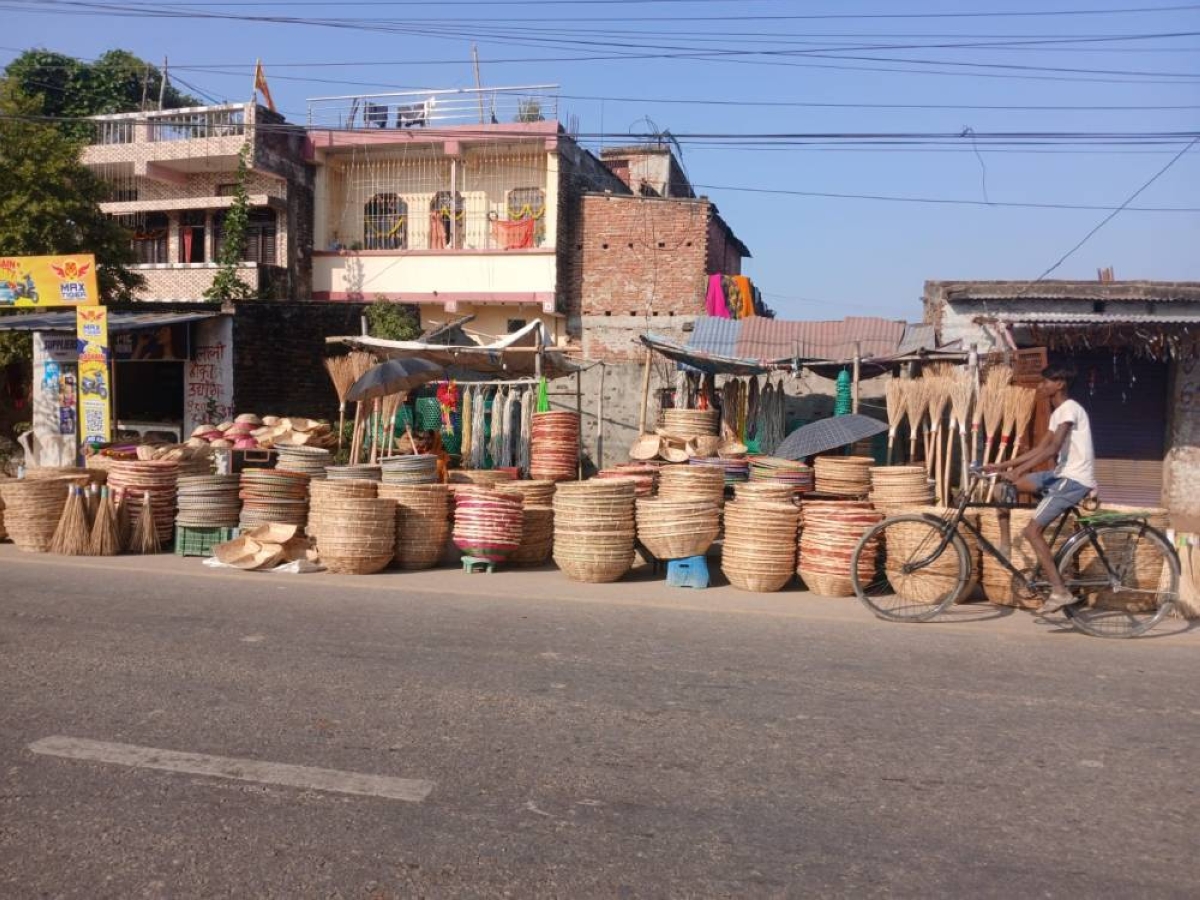
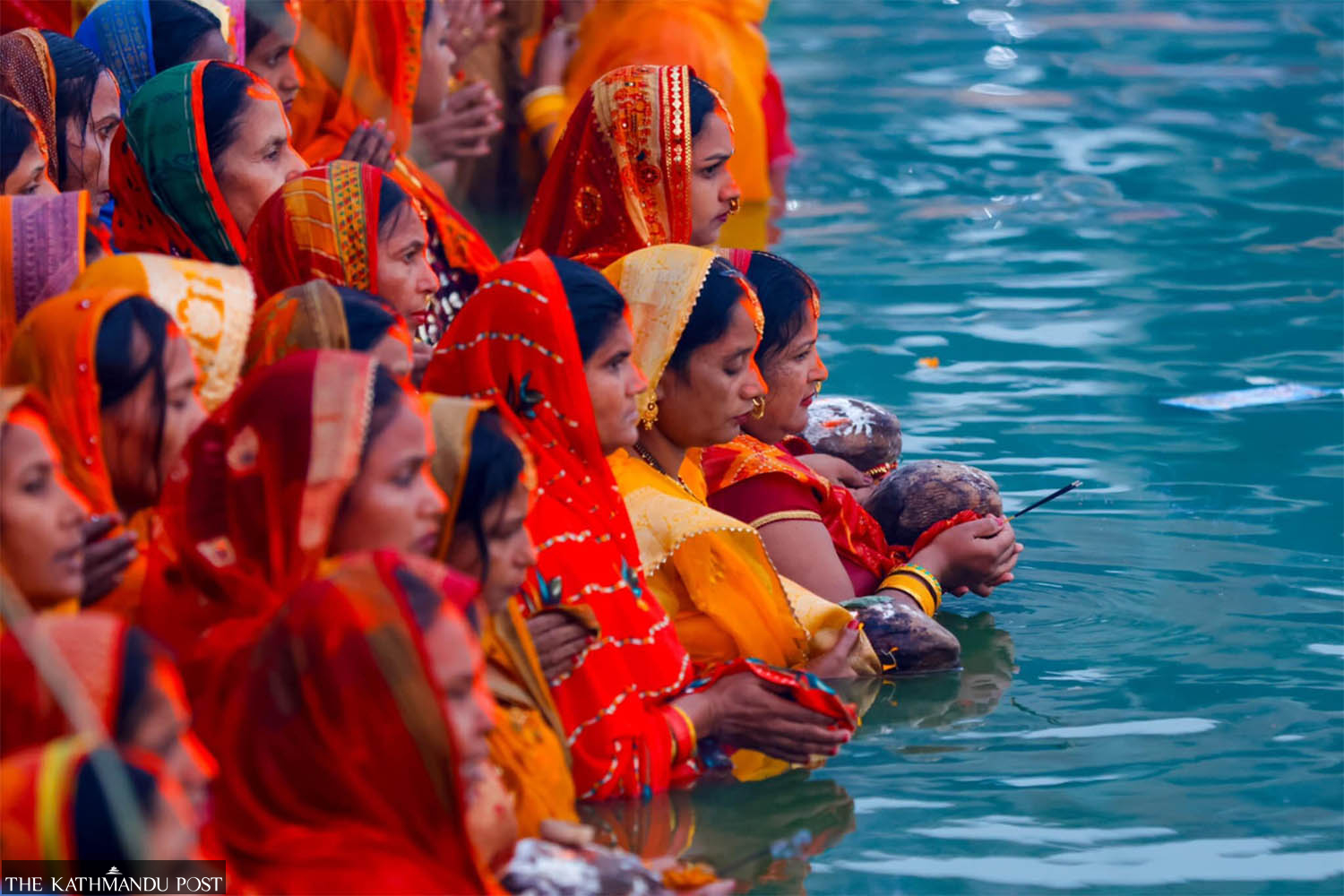
Chhath’s claim to national importance is substantial. It asks devotees of every caste and class to stand knee-deep in the same water, offering to the sun without a priest, in bamboo baskets woven by communities the caste order long pushed aside. It is largely women-led, ecological in its logic, and economically generous: it sends families home, fills markets with fruit and bamboo goods and sustains potters and weavers. When neighbours of hilly nationalities join the ghats or the fast, they help retire the notion that Madhesh is an appendage to the nation.
Against this, the state’s gestures look thin. Chhath is a four-day observance whose heart is a 36-hour waterless fast, broken at the sunrise offering. Yet the federal calendar marks only the evening offering: last year, Kathmandu declared a single holiday while Madhesh Province added a day . Elsewhere, offices and schools stay open while devotees are still at the ghats , a 36-hour ritual given roughly 24 hours of recognition. Dashain and Tihar get multi-day blocks. The asymmetry says something about whose festivals the state counts as the nation’s.
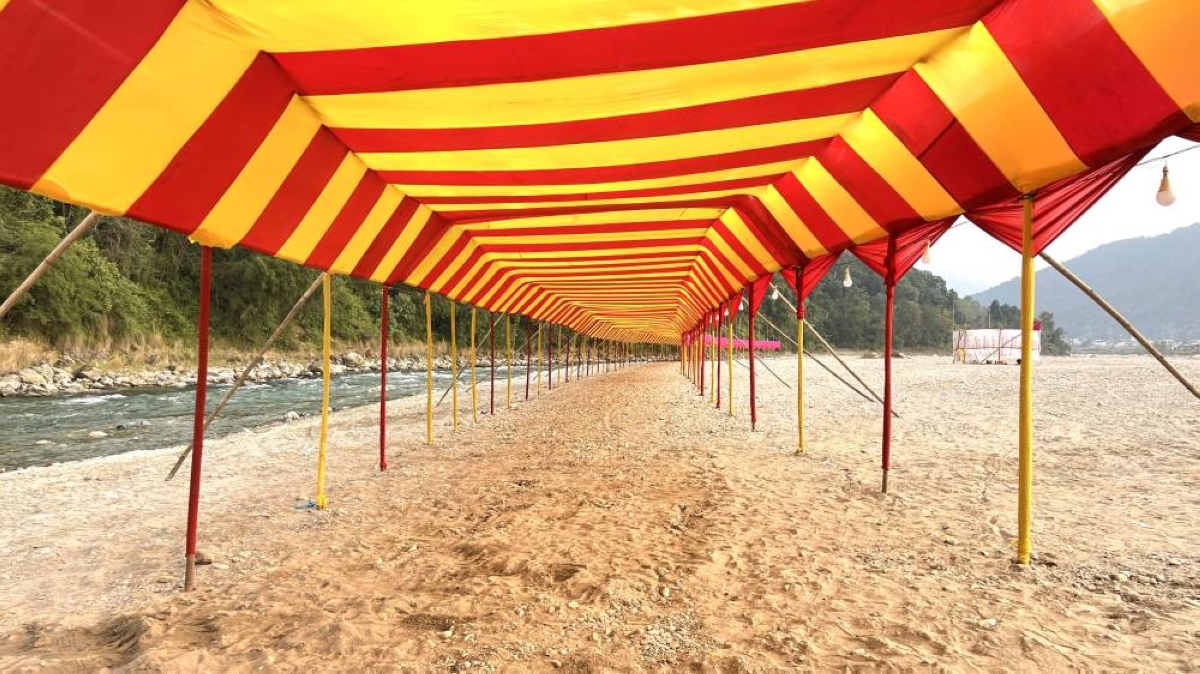
Infrastructure tells the same story. Ghat preparation is largely reactive: riverbanks scrubbed days before the festival, then forgotten, with temporary pavilions. Madhesh has used its autonomy in determining provincial holidays to do better on the calendar; turning budget lines for ponds and ghats into finished, well-maintained structures has been harder. Meanwhile, public conversation still treats participation of hilly and mountainous communities as a novelty rather than the festival’s norm.
First, the state needs to fix the calendar: a nationwide holiday covering both Sandhya and Usha Arghya , or flexible festival leave, so devotees anywhere can complete the ritual. Madhesh has shown it is workable. Second, treat the homecoming as a public-safety event. The Chhath rush is as predictable as Dashain’s or Tihar’s. The state should enforce driver rest limits and vehicle checks on routes out of Kathmandu, and add licensed, scheduled services on festival nights, so that families need not gamble on a 3am microbus.
Third, replace the annual scramble with permanent water governance: multi-year budgets for properly engineered ghats, wastewater treatment and river restoration in Kathmandu, Pokhara and Tarai-Madhesh towns, with transparent audits. Fourth, protect the artisans behind the festival, with zero-fee vending zones and fair market access for bamboo weavers, potters and farmers, so plastic and cheap imports do not displace them.
Chhath belongs in school curricula, tourism campaigns and cultural academies in which Madheshi citizens have real say. A festival cannot be a national treasure while its custodians remain underrepresented in the institutions that shape policy. The ten who died on the road home on Thursday deserve a state that takes the festival, and the journey to it, seriously.