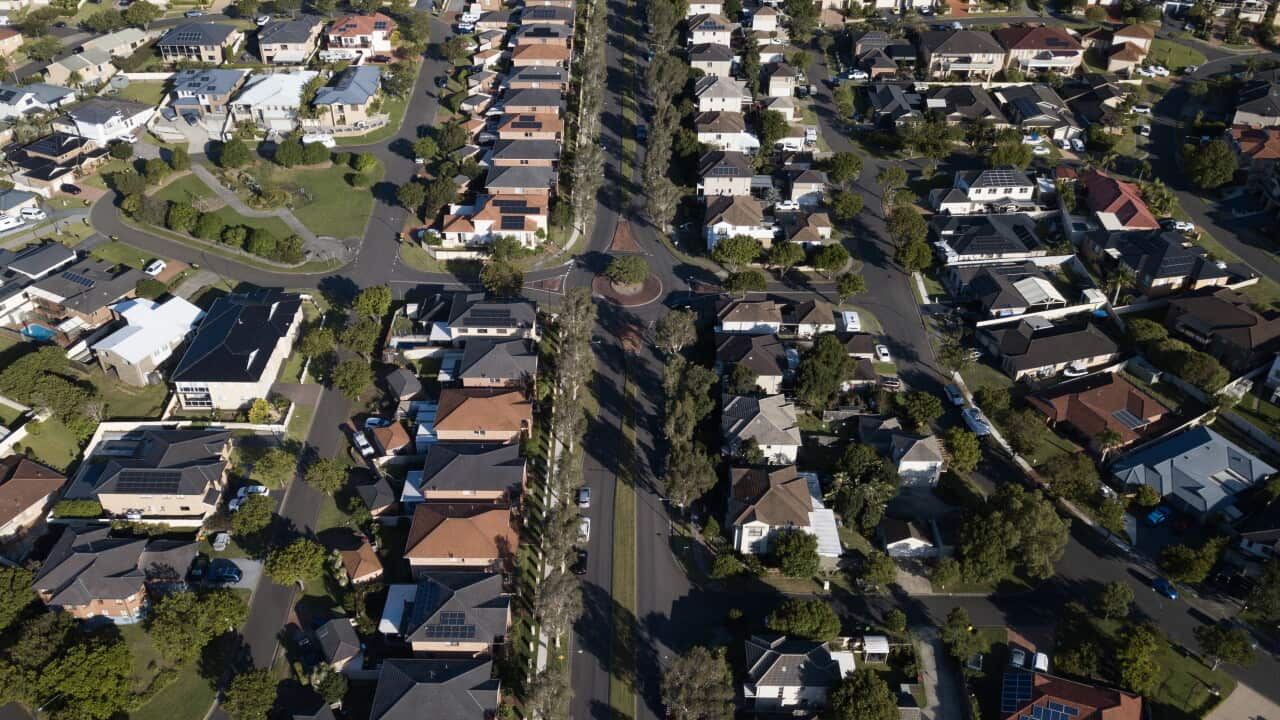
In 2011, Australia's property market was valued at around $4.2 trillion.
Fifteen years later, it's worth more than $12 trillion, according to the latest update from the Australian Bureau of Statistics.
But growth in property value has varied largely due to lifestyle factors and development booms, analysis by real estate advertiser REA Group on prices since 2011 shows.
In Pokolbin, in NSW's Hunter Valley region, the median house price in 2011 was $315,000. Now, it sits at $1,628,000, having risen 417 per cent.
Rounding out the top 10 behind Pokolbin, the suburbs with the largest growth in median sale prices for houses across the country are Jordan Springs (NSW), Palm Beach (NSW), Byron Bay (NSW), Mermaid Waters (QLD), Bellamack (NT), Boolaroo (NSW), Buddina (QLD), Miami (QLD) and Forde (ACT).
Your trusted source for staying up-to-date with the world around you. Get free daily news updates and analysis, straight to your inbox.
Use our interactive below to see the areas in each state that have experienced the highest growth in median sales prices over the last fifteen years.
The east coast also leads the top suburbs for units.
The largest growth has been in Palm Beach (QLD), Bogangar (NSW), Tugun (QLD), Jindabyne (NSW), Miami (QLD), Reedy Creek (QLD), Mona Vale (NSW), Currumbin Waters (QLD), Double Bay (NSW) and Casuarina (NSW).
In the Gold Coast's Palm Beach, the median sale price for a unit is $1.2 million, an increase of 260 per cent from its value 15 years ago. Similar growth has been seen in suburbs along the Gold Coast.
The Northern Territory tended to record smaller price growth for units than for houses, with the top suburb increasing 26 per cent over the period.
From metropolitan Sydney and Darwin to coastal cities and regional towns, median sale prices have doubled in dozens of suburbs over the last 15 years.
Megan Lieu, a senior economic analyst at REA Group, says several factors have driven this growth.
"One of the key factors has been the lower cash rates seen throughout 2012-2021," she told SBS News.
"Borrowing capacities increased, resulting in higher demand from buyers and significant growth in home prices."
The majority of suburbs in the top 10 are in NSW and Queensland.
Lifestyle factors have also been a major driver.
"Any beachside, coastal and tree-change suburbs saw strong growth in the past 15 years as well," Lieu said.
"With Australia's population ageing, many retirees or older Australians have also migrated to Queensland, in particular the Richmond–Tweed, Sunshine Coast and Gold Coast regions where lifestyle and community meet."
There has been strong interstate migration, with many residents from NSW and Victoria choosing to move to Queensland in particular.
For other suburbs, their recent development contributes to the growth, such as Jordan Springs, which was only officially registered in 2011.
In the Northern Territory, suburbs like Bellamack and Johnston have jumped much higher than the rest of the state, with 313 per cent and 260 per cent growth respectively. The next highest suburb grew in value by 69 per cent.
"With affordability becoming more challenged, many Australians have moved away from metro areas, where homes tend to cost more," Lieu said.
"This has driven strong population growth in regional areas and higher rates of growth in these areas compared to capital cities. Unsurprisingly, the majority of the top 10 growth suburbs nationally were located in regional areas."